
Ever look around your home and feel like something’s just not clicking? Chances are, you might be making a few sneaky décor mistakes you didn’t even know existed. You’ve picked out beautiful elements, maybe even splurged on a few favourite statement pieces, yet the space still doesn’t feel as warm, polished, or inviting as you hoped. Don’t worry, you’re not alone! Even the most design-savvy homeowners slip into a few common décor traps that can throw a room off balance.
Take this one, for example: pushing every piece of furniture up against the walls. It seems logical, right? More floor space! But in reality, it can make a room feel flat, awkward, and smaller than it really is.
In this post, I’ll walk you through seven sneaky décor mistakes that might be sabotaging your space, and (good news!) I’ll also show you quick, practical fixes that don’t require a big budget or a degree in design. Think of them as insider tricks for turning your home into the cosy, stylish haven you’ve been aiming for.
Curious which missteps you might be making? Let’s dive in; you’ll be surprised how a few simple swaps can make your whole home feel “just right”.
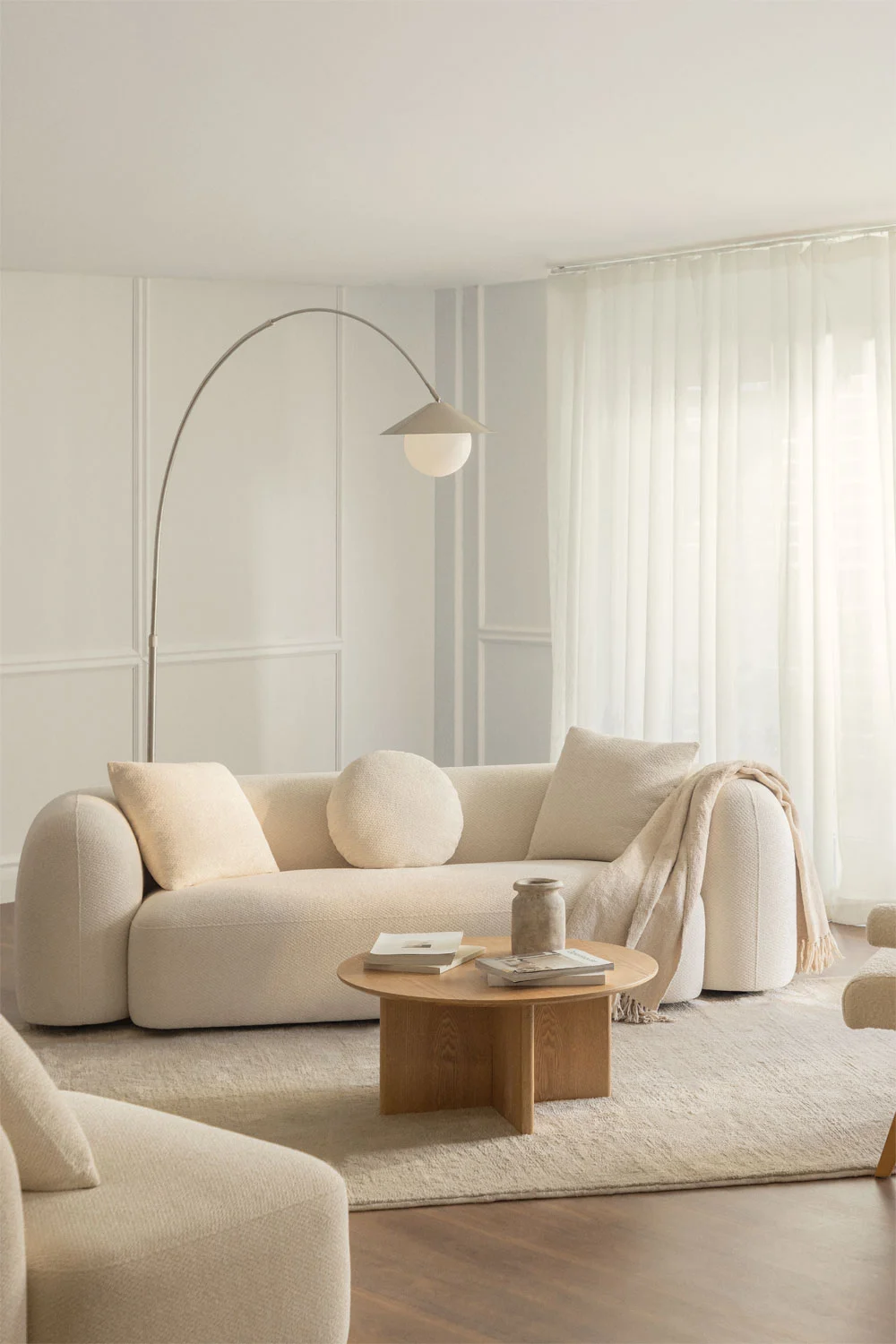
Table of Contents
Décor Mistakes #1: Choosing Furniture with Incorrect Scale and Proportion
The right furniture doesn’t just fill a room; it sets the entire mood. Get it right, and your space sings; get it wrong, and the whole vibe falls flat. If your pieces are too big or too small, they throw off the room’s balance and comfort.
Oversized or undersized pieces disrupting the room’s balance
Oversized sofas or tiny chairs can throw off a room’s balance fast. A couch that is too big can make the space feel crowded, while small pieces look lost in a large area. Pocket-sized artwork on big walls feels unintentional and awkward. On the other hand, an oversized painting may overwhelm everything else.
Make sure your rug isn’t just an accessory but a unifier. Simply anchor the look by placing the front legs of your chairs or sofa on the rug; this keeps proportions in check. When a rug is too small, furniture can look as if it floats around the room and feels disjointed. A properly sized rug, on the other hand, instantly creates balance, flow, and visual harmony.
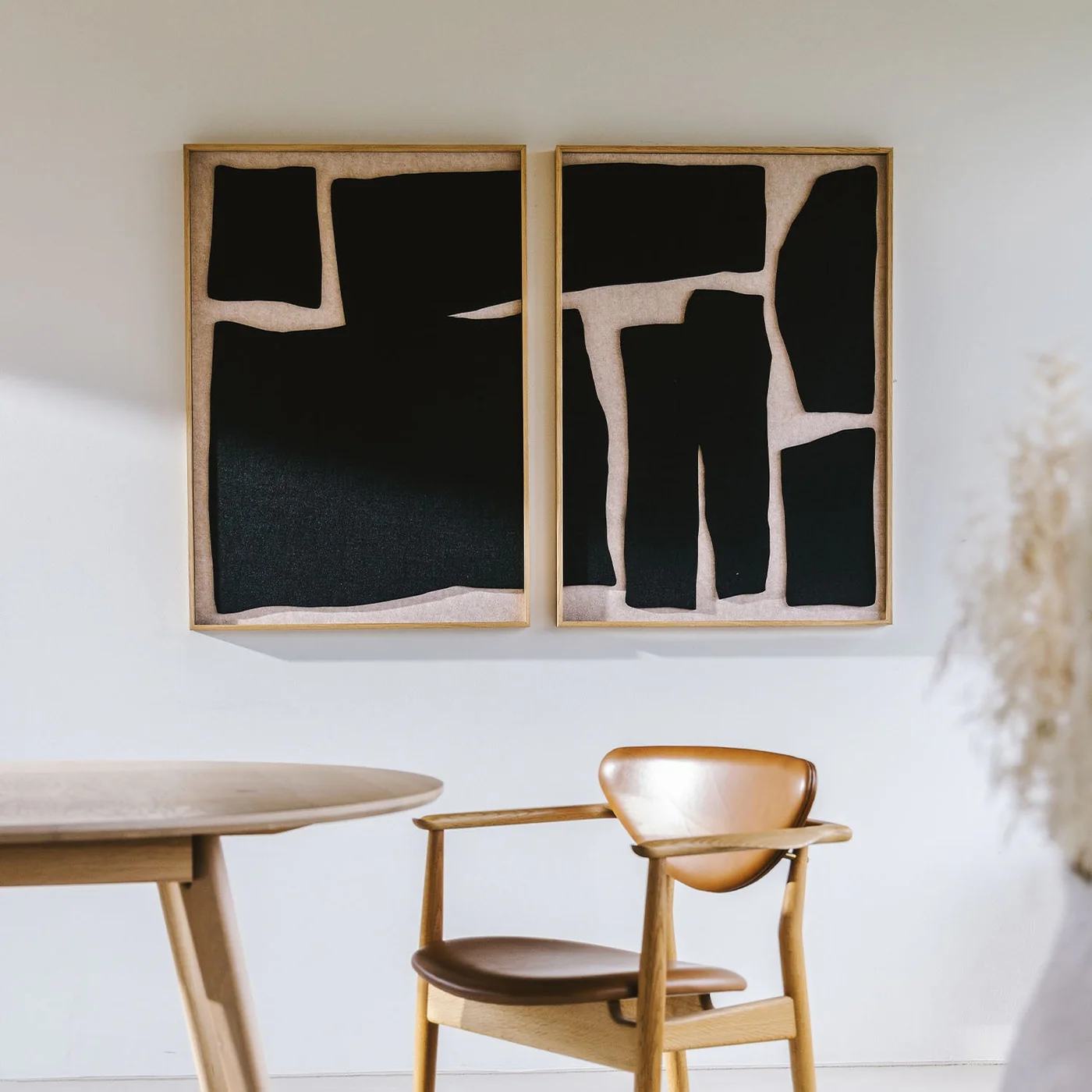
Hang art at eye level and keep it close to nearby furniture for impeccable design balance. Add vertical elements like tall lamps or plants to mix heights and keep things dynamic. Skip this step, and your room will always feel a little out of alignment. Awkward proportions and a disrupted flow can throw the whole aesthetic out of balance.
Décor Mistakes #2: Overlooking Style and Cohesion
It’s all too easy to play it safe and choose perfectly matched furniture, but mixing styles is where the magic happens, adding personality and charm to any room. Overlooking style and cohesion is one of the most common design slip-ups, yet a few thoughtful combinations can make your space feel effortlessly pulled together. Want to see how? Keep reading.
Being overly matchy with furniture sets
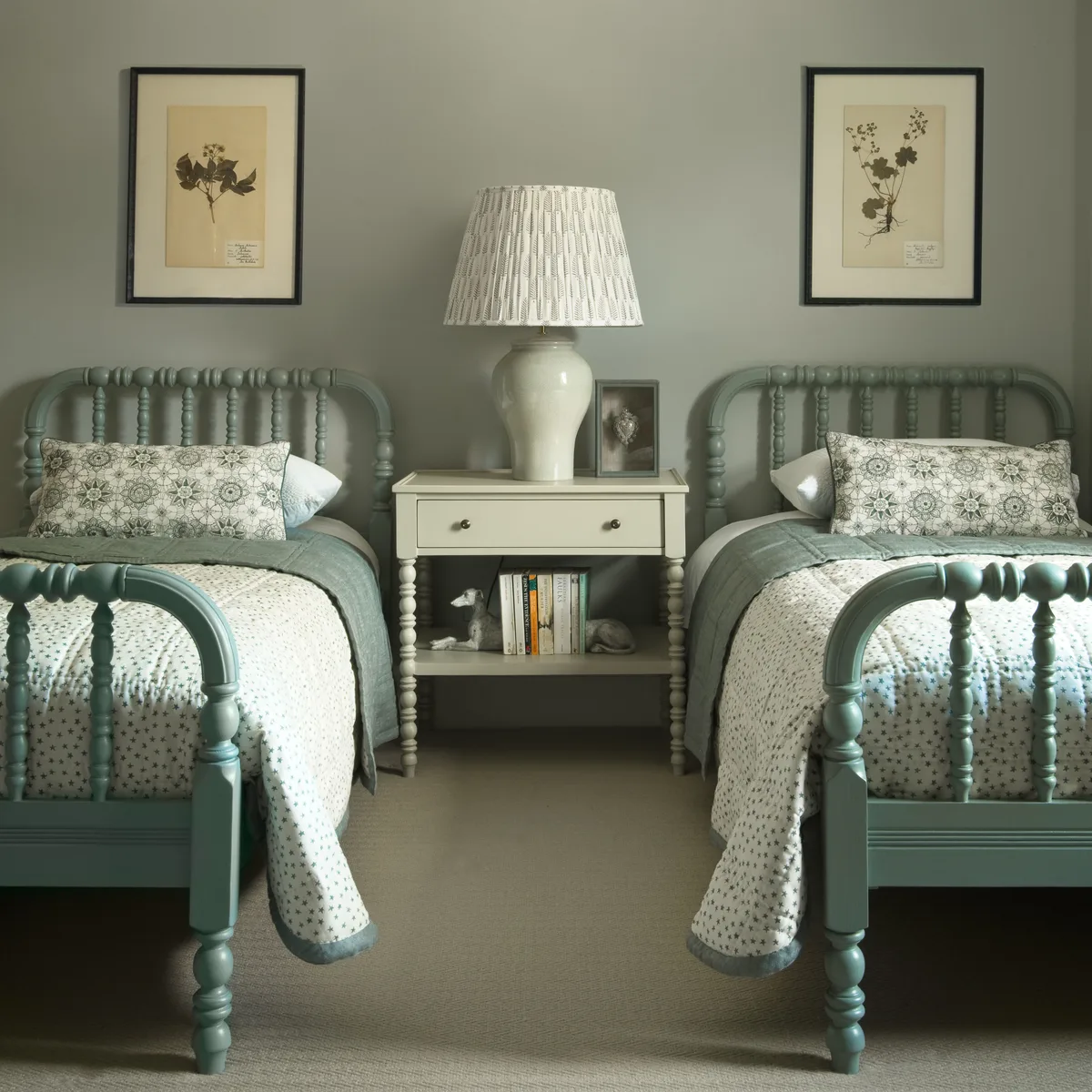
Buying matching furniture sets from one catalogue can make a room look bland and generic. Rooms filled with only similar styles, colours, and types of furniture often feel dull and lack visual interest.
Interior designers advise against this cookie-cutter approach because it takes away individuality. Mixing textures, tones, and silhouettes helps create balance and contrast in a space.
Thrifted pieces or items passed down through family add character to any setup. Try pairing a vintage table with a modern chandelier for extra charm. Customisation like this builds cohesion but keeps things interesting.
Designers are skilled at sourcing different pieces so rooms feel unique but still pulled together as one whole space. Excessive uniformity leads to boring results while variety increases aesthetic appeal and personal style.
Creating clutter instead of thoughtful styling
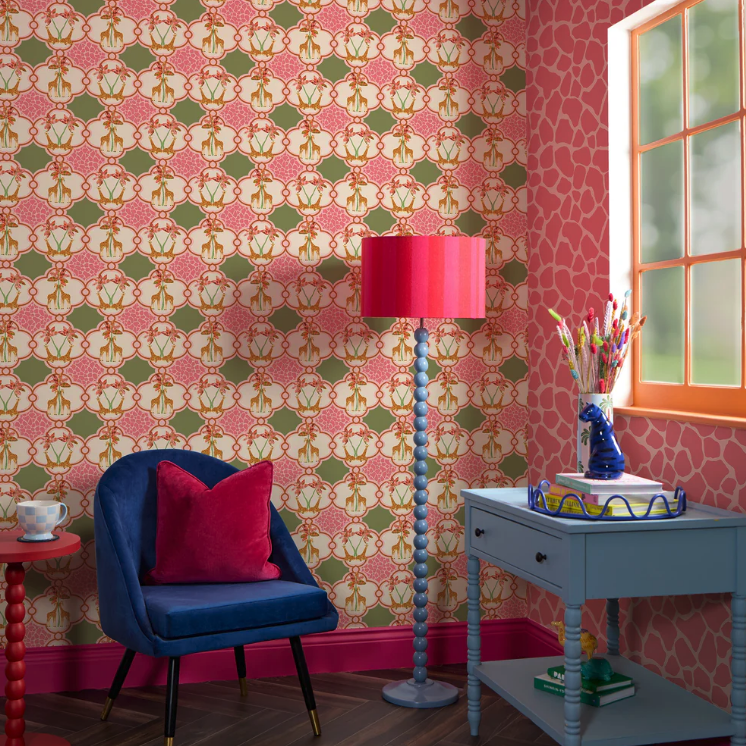
Filling every space with decor leads to visual clutter, unless you love a maximalist look, especially in small rooms. Shelves packed with every book or trinket you own look messy and unplanned. Overcrowded sofas, loaded with throw pillows and blankets, only make things worse.
Too many decorations fight for attention and take away from each item’s beauty. As someone who once filled every surface just because I owned extra candles or picture frames, it quickly felt busy instead of cosy.
Grouping like items together brings order and balance. Use fewer pieces but pick them with care; a few well-chosen vignettes create a neater display than scattering everything around the house at once.
Stick to a simple color palette and keep surfaces clear for better organisation, making the room feel open yet styled.
Keeping furniture arranged right is just as important as keeping your style tidy…
Decor Mistakes #3: Poor Furniture Arrangement
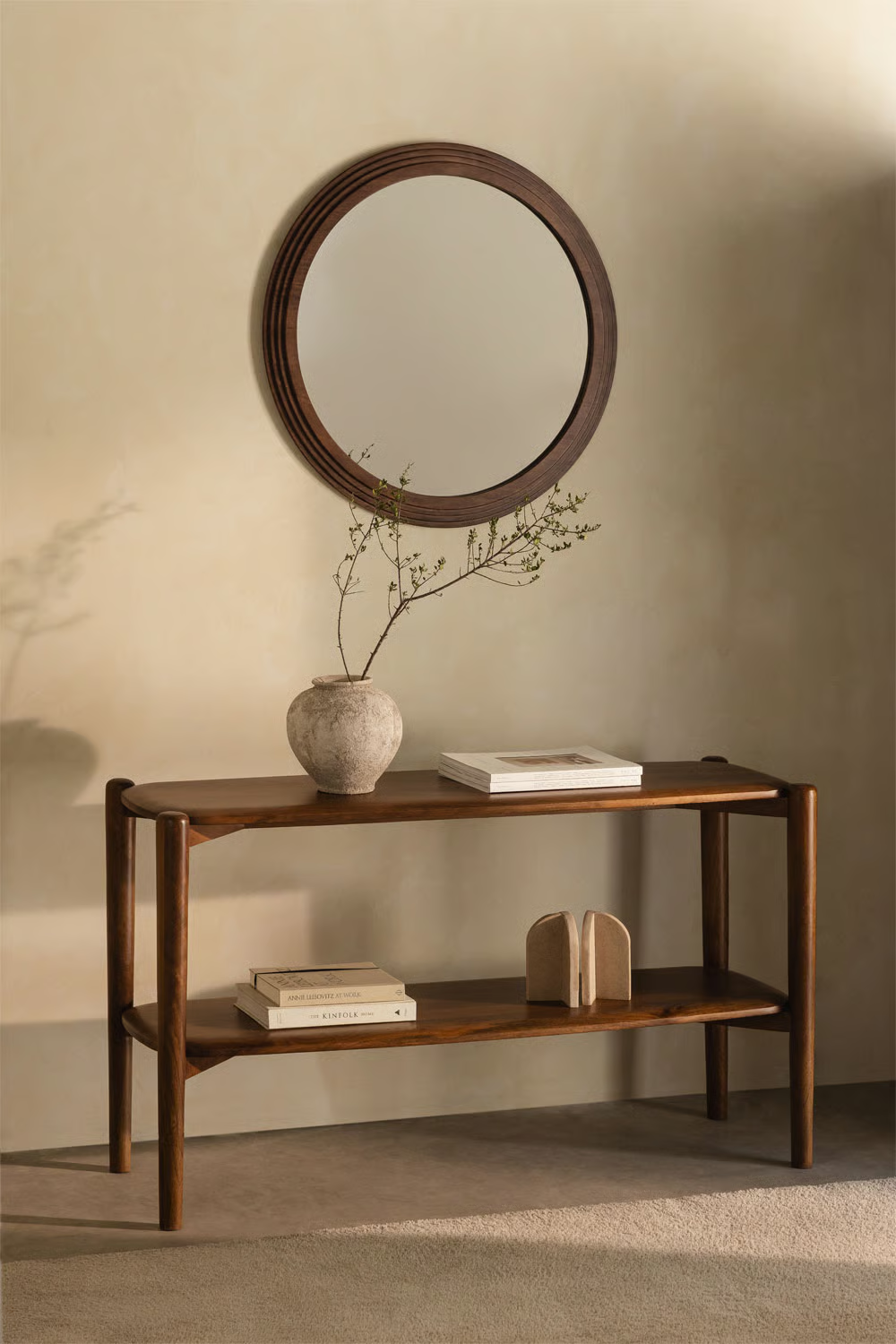
Arranging your furniture can make or break a room. If you push everything against the walls, it feels empty and uninviting. Blocked paths can stop guests from moving freely too. So, think about flow and balance when setting up your space.
Pushing furniture against walls or blocking flow
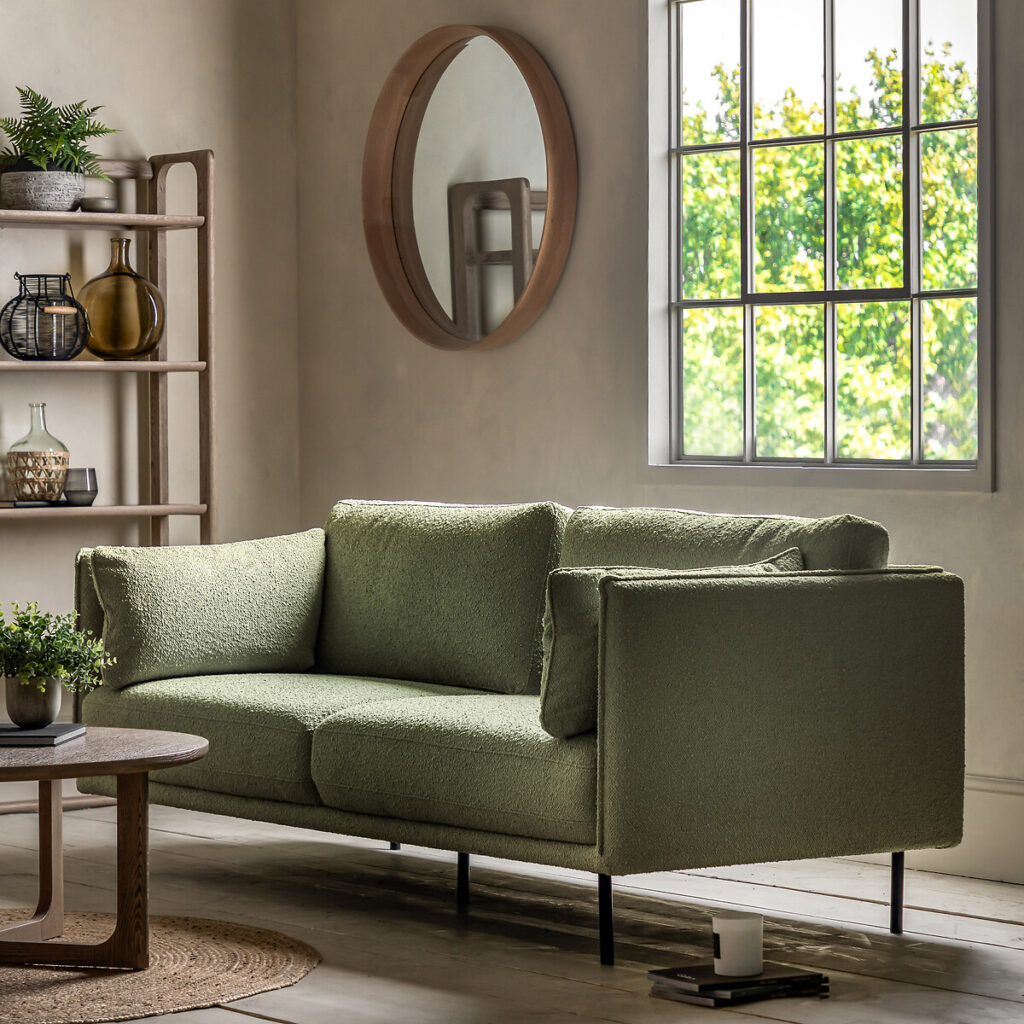
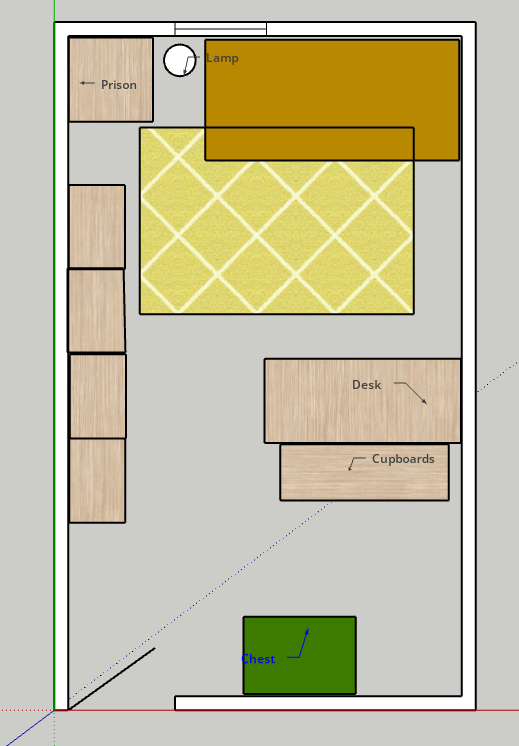
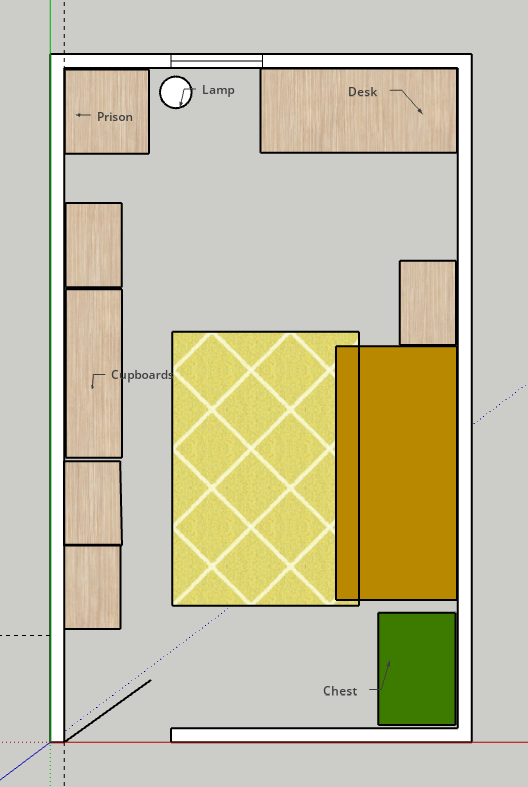
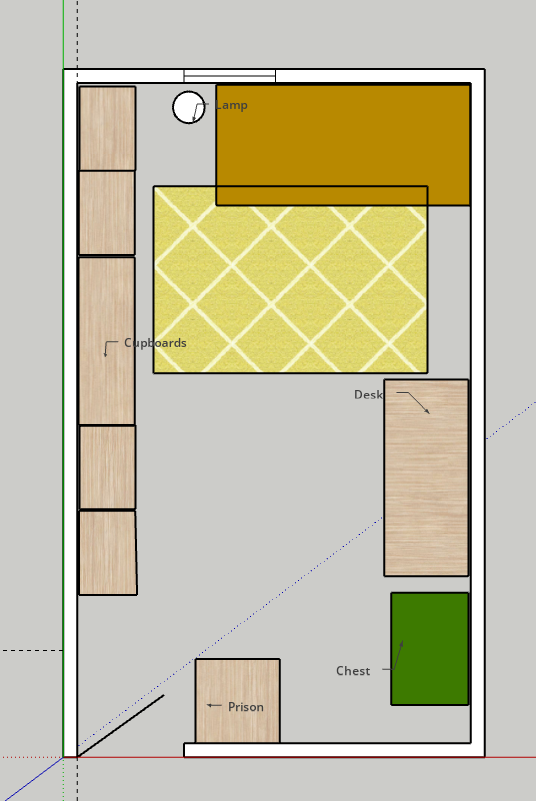
Pushing all furniture against the walls is a common mistake in both living and dining areas. This setup can make a room feel smaller and less inviting. Floating furniture away from walls allows for better movement and makes spaces feel larger.
It creates visual layers that provide interest to your home.
Blocking natural pathways with furniture disrupts flow and leads to poor movement. Your guests may struggle to walk around or engage in conversation easily. Clustering seating together encourages interaction, turning empty corners into cosy zones for socialising.
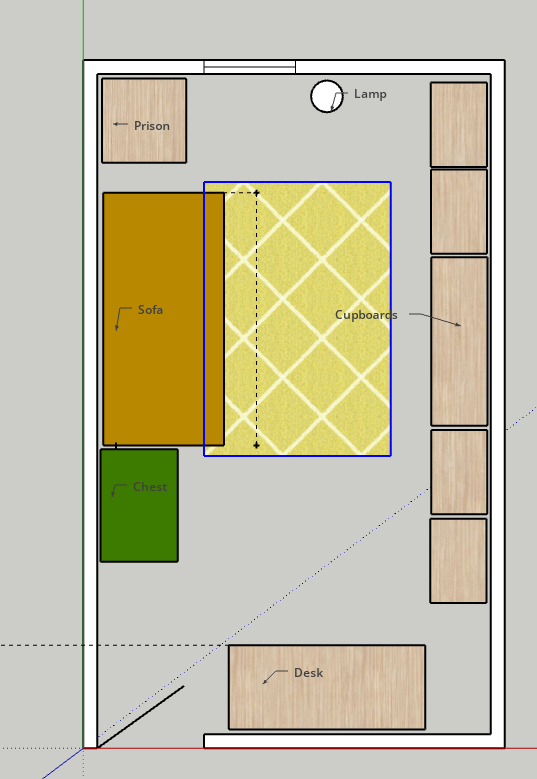
Testing arrangements with digital tools can help you avoid these common mistakes in spatial design, ensuring rooms remain functional and welcoming. You’d be amazed at how many fresh combinations you can create, with no heavy lifting or endless furniture shuffling required.
Décor Mistakes #4: Mismanaging Lighting
Gone are the days of a single lightbulb in the middle of your ceiling. Many people rely solely on this type of lighting. It can make a room feel flat and uninviting. Adding different types of layered lighting can create warmth and depth. Use lamps or wall sconces to bring life into your space.
Relying only on overhead lighting
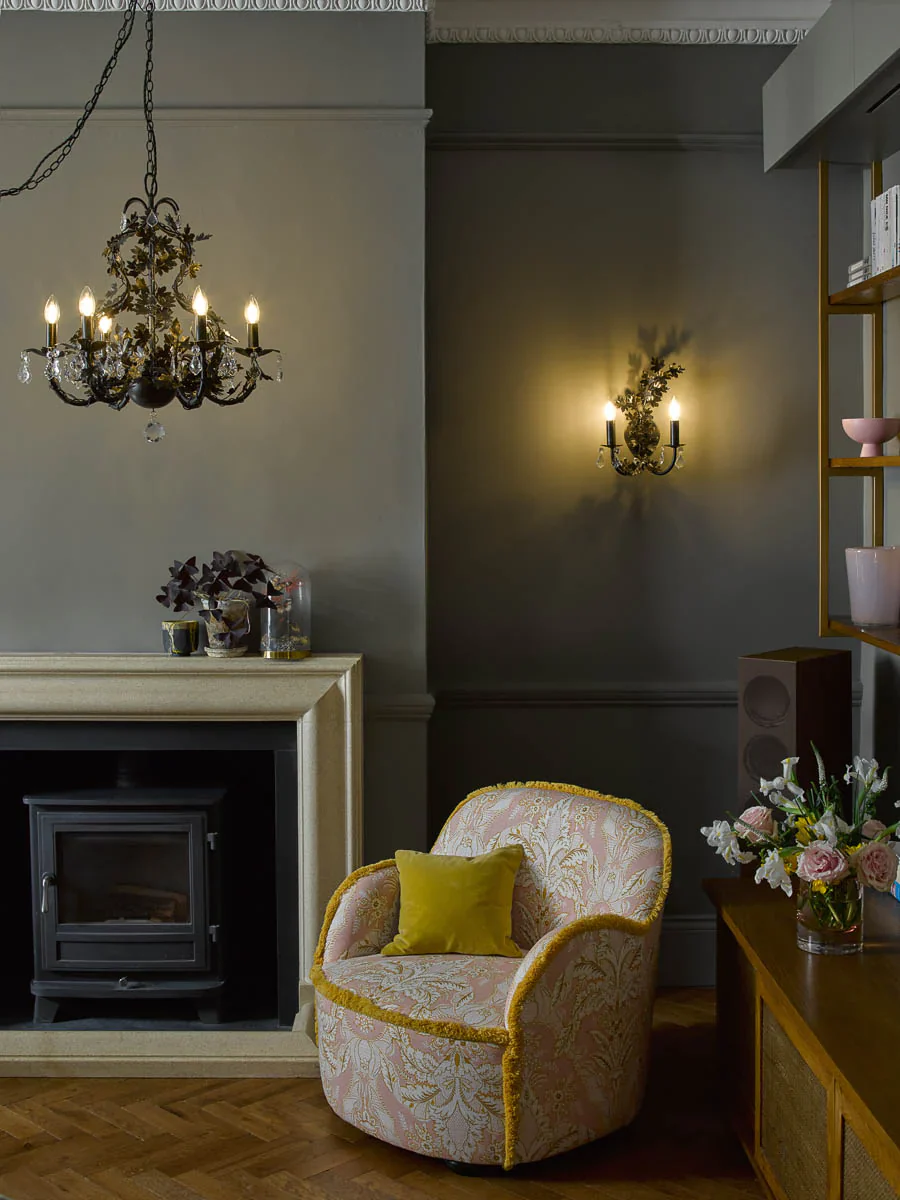
Relying solely on overhead lighting is one of the quickest ways to make a space feel flat, cold, and uninviting. Ceiling fixtures alone cast harsh shadows, leaving corners in the dark and robbing a room of that warm, lived-in glow. Great lighting isn’t about a single source; it’s about function and layering.
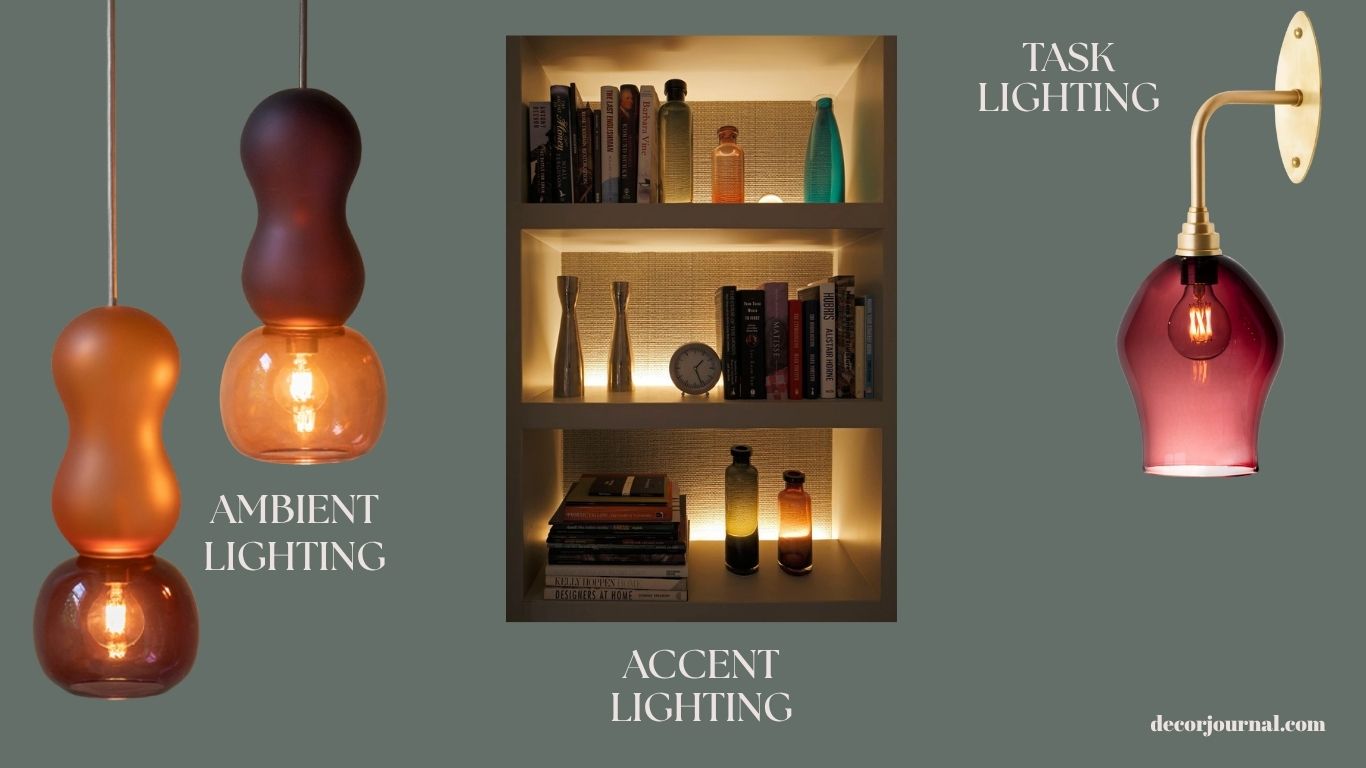
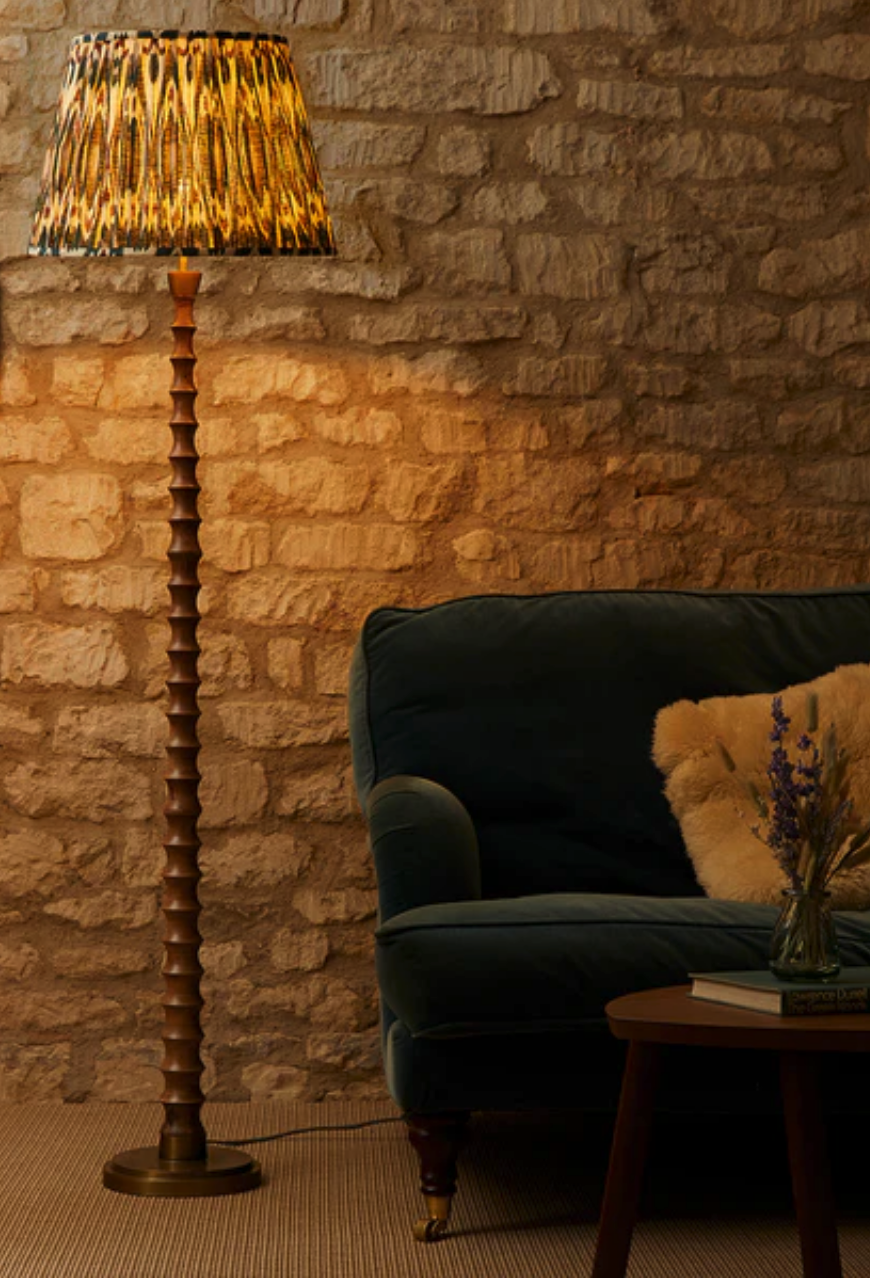
Bring in two to four additional light sources; think table lamps, floor lamps, or wall sconces to create depth and atmosphere. Blend ambient, task, and accent lighting, and suddenly your space not only looks more polished but also feels more comfortable. You’ll be able to curl up with a book or host friends without straining your eyes or your style. Even seasoned decorators forget this rule now and then, so take a look around your rooms… could your lighting use a little layering?
Neglecting layered or task lighting
Layered lighting makes a big difference in any room. It includes ambient, task, and accent sources for better use of light. Many people forget about task lighting like reading lamps or under-cabinet lights.
This mistake can lessen how well you use your space. Accent lighting, such as picture lights or wall sconces, adds charm to your décor and sets the mood.
Using only overhead lighting limits what you can do in a room. Balanced layers of light improve both how functional and beautiful a space is. Testing different light sources at various times helps find the best setup for each situation.
Good illumination changes with what you are doing; whether it’s reading a book or entertaining friends, layered lighting fits every need perfectly.
Décor Mistakes #5: Using the Wrong Rugs and Curtains
Using the wrong rugs and curtains can really mess up a room. The sizes matter; too big or too small can throw off the whole look. Make sure they fit well with your space… this will help create balance!
Choosing incorrect sizes or lengths
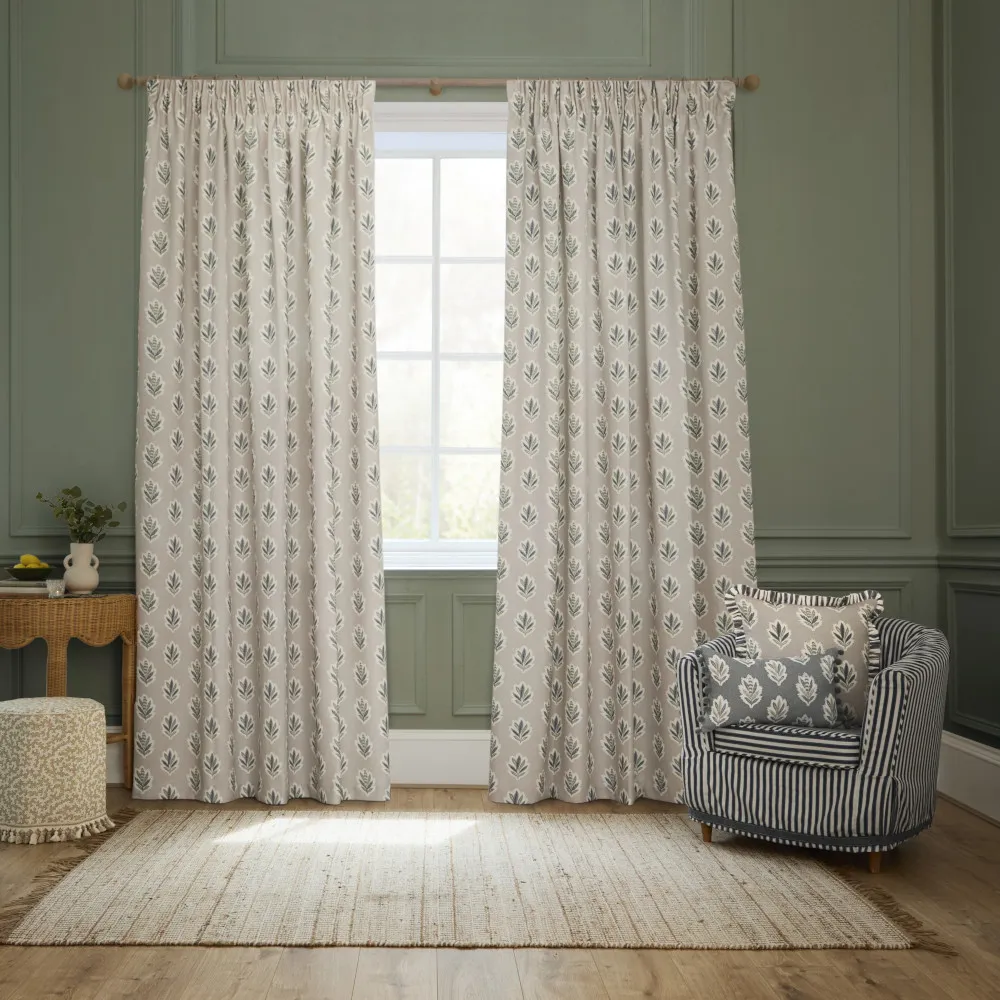
Rugs and curtains often get the wrong sizes. Rugs that are too small break the flow of a room. The rule is simple: at least the front legs of all furniture should rest on the rug. This helps create balance and makes a space feel complete.
Curtains can also look off if chosen poorly. They should hang 4 to 6 inches above the window frame and reach the floor. Short curtains make a room feel smaller. Large rugs and floor-length curtains give a polished look, while oversized pieces help expand visual space in any home decor setting.
Décor Mistakes #6: Neglecting Personalization
Your home should tell your story. Skipping personal touches can make a space feel bland and lifeless.
Lack of character or unique elements
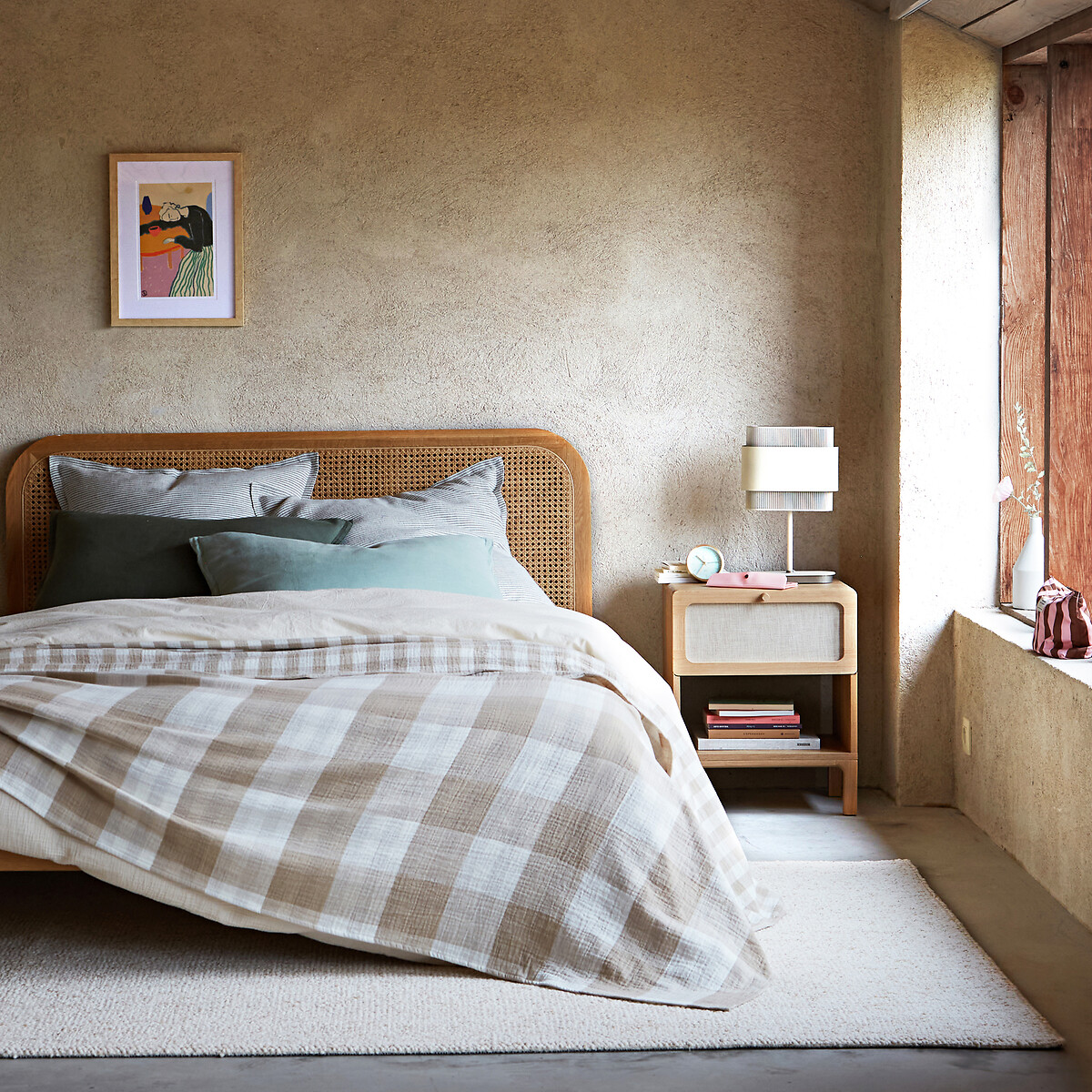
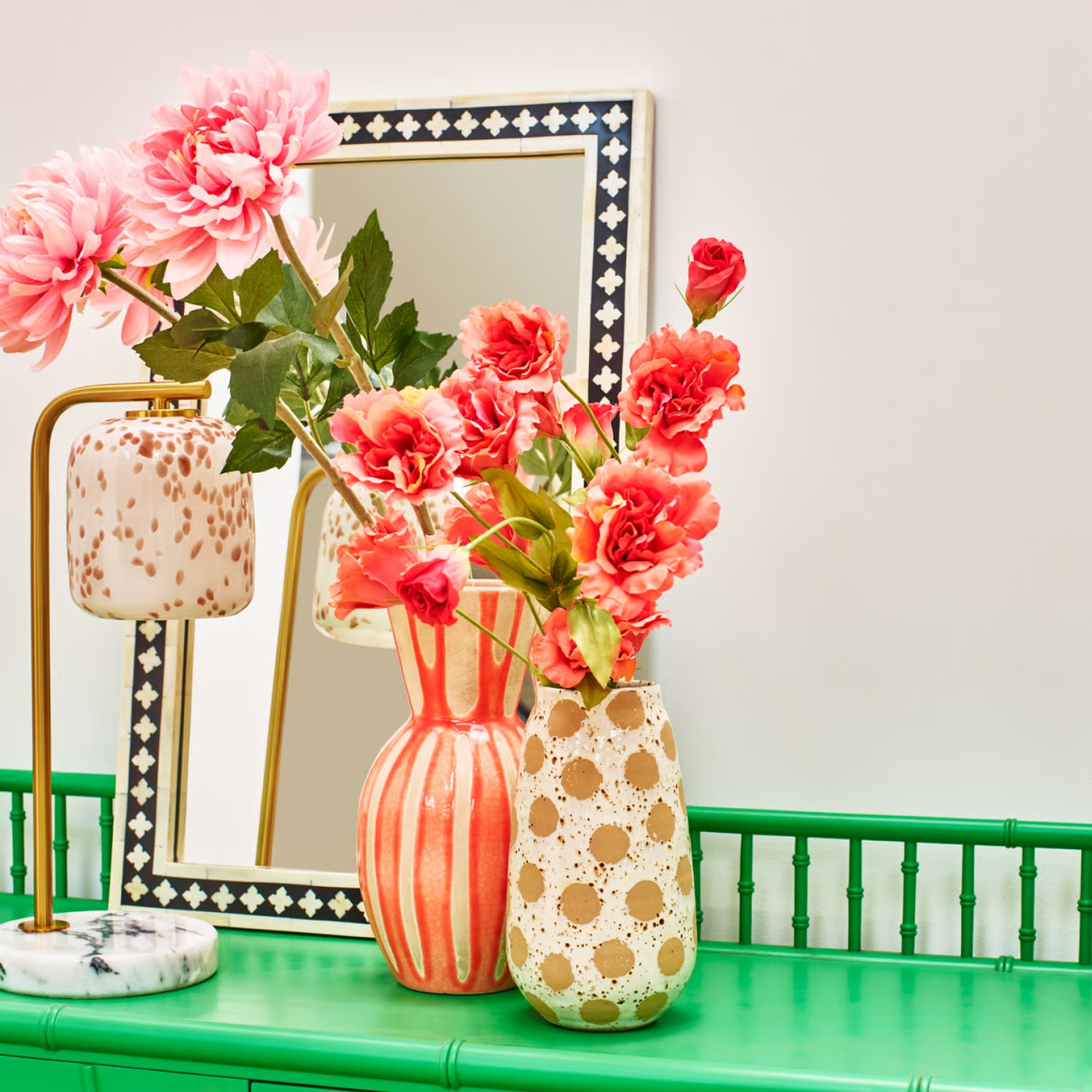
A home without character can feel a little bland. Generic wall art, think mass-produced quote prints, rarely adds the warmth or charm you’re after. Instead, personal pieces make all the difference. A thrifted find, a family heirloom, or artwork with a story instantly brings soul and uniqueness to your space.
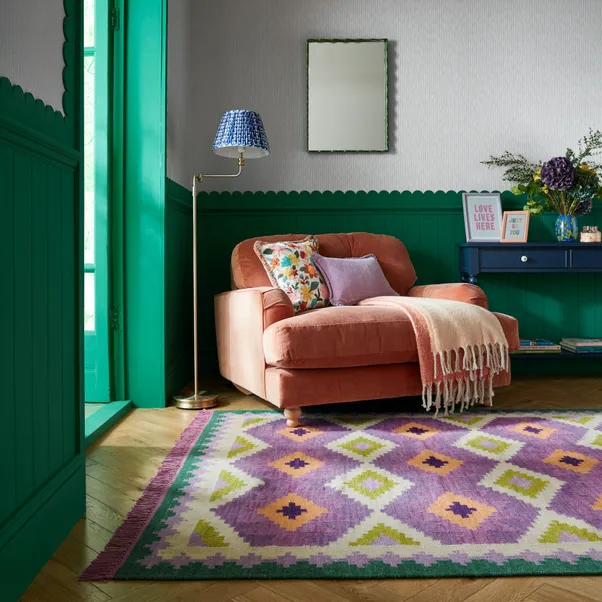
The same goes for colour and décor. A purely neutral palette can fall flat, while a thoughtful mix of hues shows off your personal style. And let’s be honest, faux flowers rarely fool anyone. Fresh or dried blooms, on the other hand, breathe life into a room. It’s those unique, meaningful touches that transform a house into a home that feels truly inviting.
Décor Mistakes #7: Ignoring the Entryway
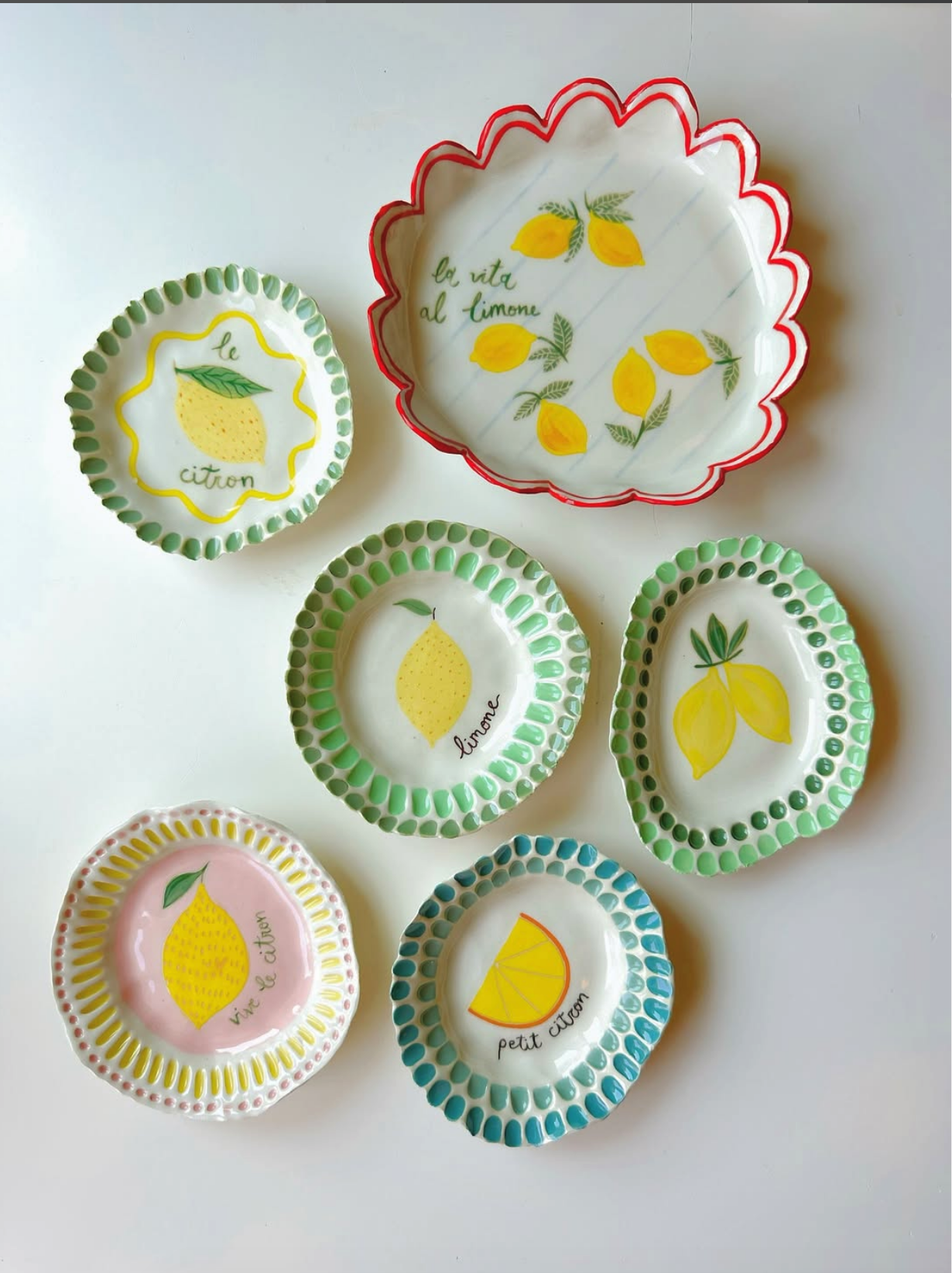
Your entryway sets the tone for your whole home. It’s the first thing you and guests see, so don’t let it look dull or messy. Use this space to show off your style with some decor or a welcoming mat. A stylish entryway makes a strong impression and invites people in.
Failing to make a strong first impression
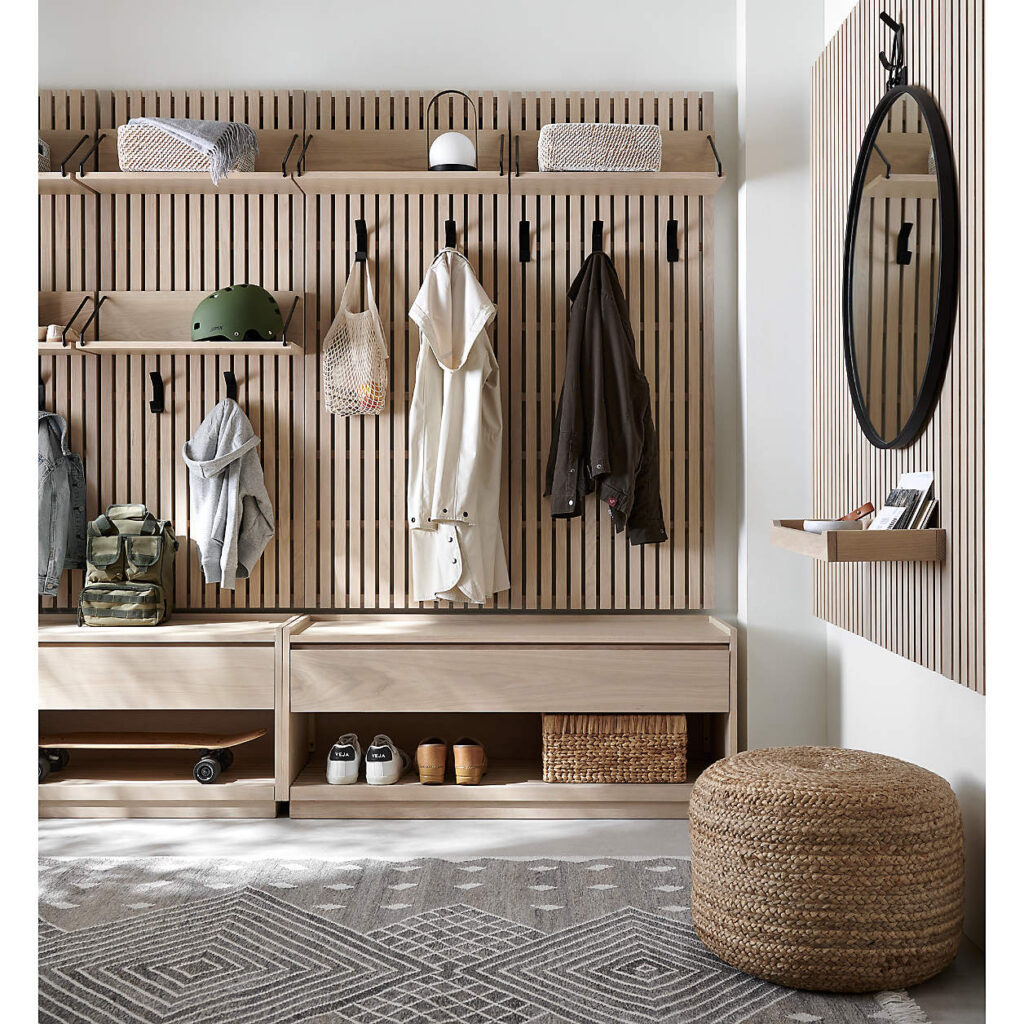
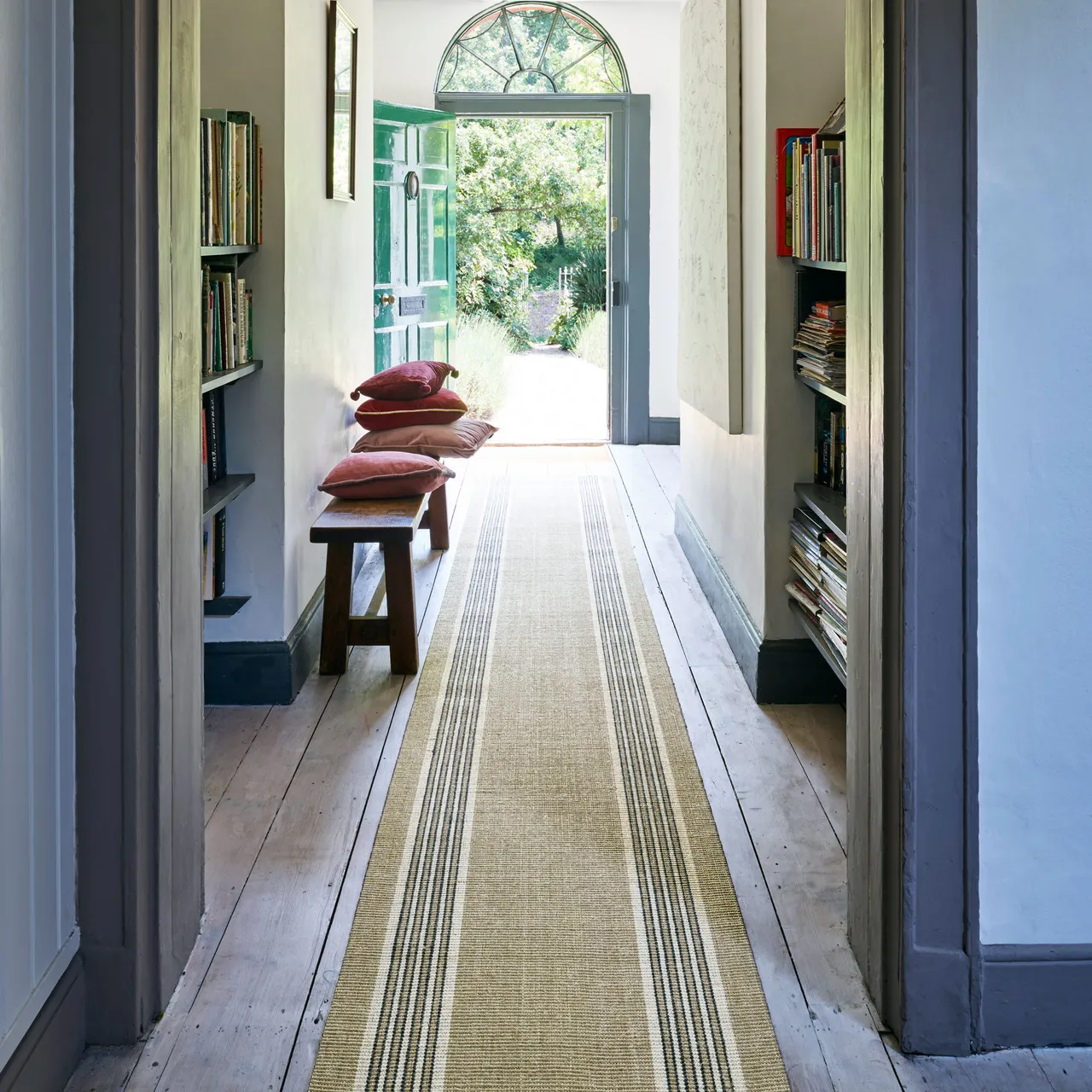
The entryway is the first thing people see. It sets the tone for your home. A lack of style here can ruin the whole ambience. Entry rugs should be big enough to create a welcoming feel.
Statement lighting or décor pieces catch the eye right away, helping show your home’s character.
Layering elements like art, rugs, and lighting makes an entryway memorable. Good storage solutions, such as benches or baskets, add both looks and function. Thoughtful color choices enhance this space too.
Altogether, a well-designed entryway gives visitors a striking first impression before they even step inside your home!
Conclusion
Fixing common décor mistakes can make your home look better and feel more inviting. Anyone can avoid these issues with the right tips and awareness.
Scale, balance, lighting, arrangement, and personality matter most for great home styling. Using furniture that fits well helps keep spaces open yet cosy. Layered lighting adds warmth to any room; scientific studies even show this boosts mood and comfort levels.
Choose pieces you love, but check their size before buying them; Aim for contrast, not just matching sets; Hang art at eye level; Try rugs that suit your layout instead of forcing one style everywhere; Light up dark corners with lamps or wall lights, instead of relying on only ceiling fixtures; Blend new buys with personal things like photos or keepsakes to add character.
On the plus side, following these fixes helps rooms feel tidy yet warm without much cost or major renovations needed. On the other hand, you may spend time measuring first or hunting down different styles, but it pays off long-term compared to matching sets from single stores.
These seven tips are worth trying if you want a beautiful space with good flow and lasting style appeal. Simple changes bring real results; every homeowner can benefit no matter their current skill level in interior design!