
Material drenching brings a minimalist look with a luxurious, sensory twist. With its seamless surfaces and tactile richness, it creates an enveloping calm, a welcome escape from the pace of the real world. Unlike colour drenching, which relies on hue, material drenching is all about the substance: the grain of wood, the softness of plaster, and the cool depth of stone.
It feels wonderfully textural, sculptural, and immersive. You don’t just see the room; you experience it through touch, shadow, and the quiet rhythm of repeated materials. The effect is deeply architectural and beautifully integrated, as if the space were carved rather than decorated. There’s something almost primal about it too, a subtle return to our primitive instinct to surround ourselves with natural materials. It offers a grounding connection to nature, bringing a sense of warmth and rootedness that modern life often lacks.
Colour drenching, on the other hand, brings its own magic. It’s atmospheric, bold, moody, or soothing depending on the palette. But its power is primarily visual, a wash of colour that sets a seamless tone and mood. The result is often more artistic, painted, or stylised, like stepping into a beautifully curated vignette.
Both approaches have their place, but material drenching leans into the senses in a way colour simply can’t. It’s a design you can feel, not just admire from across the room.
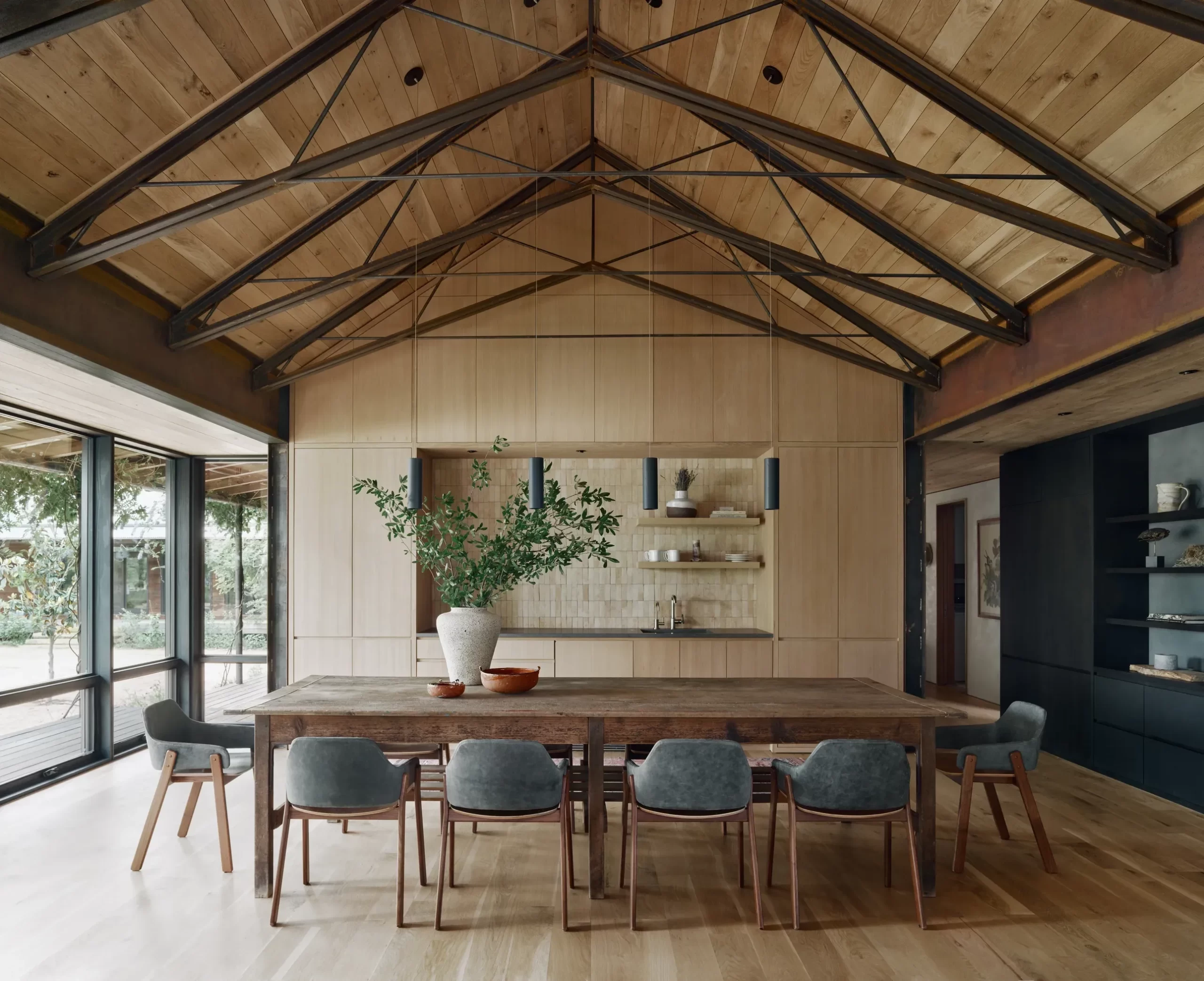
Table of Contents
What Is Material Drenching?
As you can probably imagine, material drenching is the art of letting one beautiful material take the lead, wrapping itself across walls, floors, ceilings, and even furnishings in a wonderfully indulgent sweep. When done well, it has an architectural presence that delivers both visual drama and emotional serenity. It’s the kind of design that feels as if the space has been sculpted rather than simply decorated.
The materials that lend themselves best to this approach are the classics: warm woods, cool stone, soft plaster, earthy limewash, sleek concrete, and even luxuriously textured fabrics. Each brings its own personality, but they all share one thing: an ability to create a cohesive, immersive environment that feels effortlessly refined.
Why Material Drenching Is Gaining Popularity?
This high-end minimalist finish is gaining fans fast, and it’s no mystery why. Its immersive, sensory-rich quality draws you in and wraps the space in quiet luxury. Admittedly, it’s not the most budget-friendly design choice; think of it as the interior equivalent of buying well-made shoes: a bigger investment up front, but endlessly rewarding over time. Its timelessness means far fewer redecorating whims down the line.
Yes, it’s a commitment, but one that pays you back in serenity, continuity, sophistication, and depth. Every surface feels intentional, every detail harmonious, and the overall effect is nothing short of effortlessly elegant.
Key Materials Used in Material Drenching
Wood
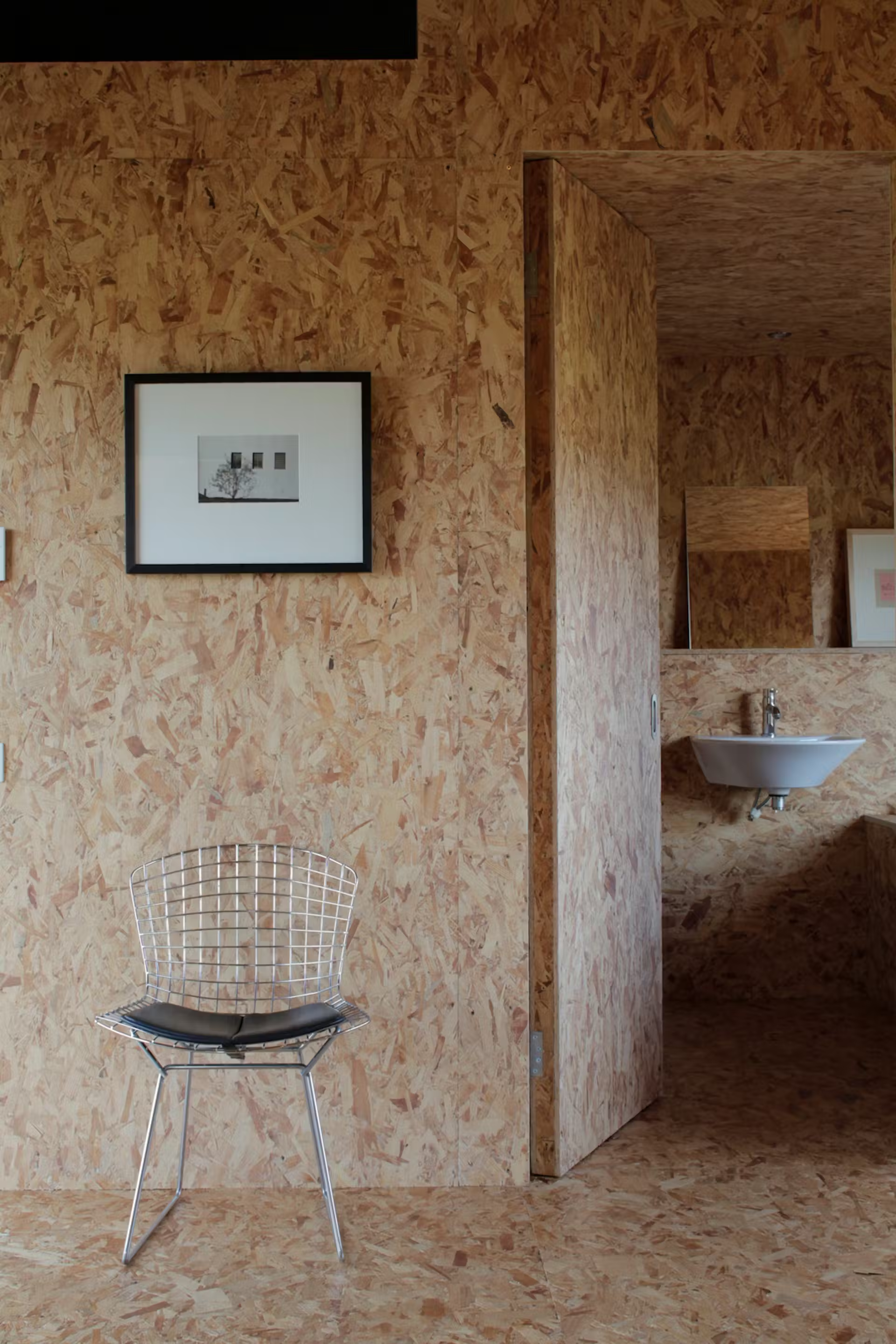
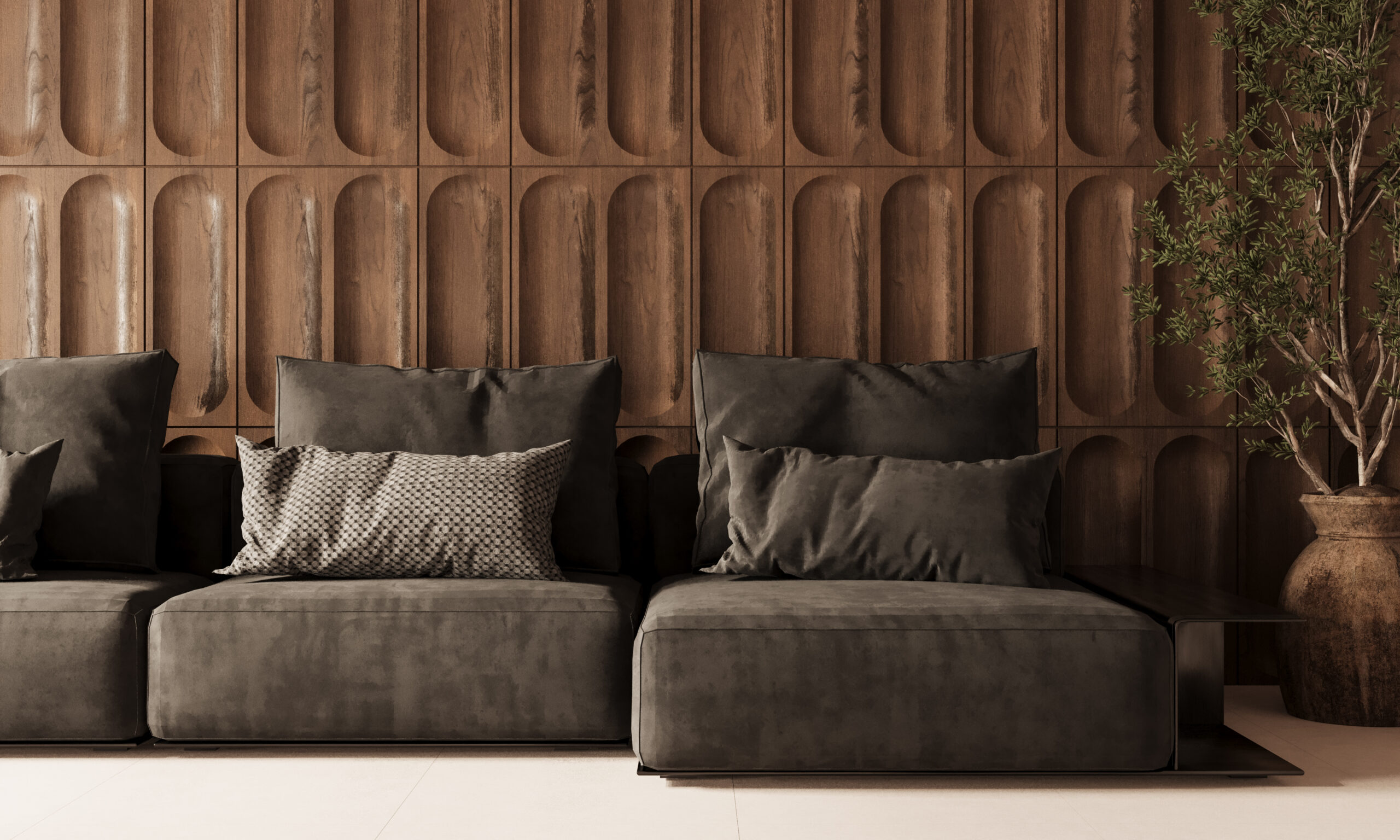
When it comes to material drenching, wood is the natural frontrunner, and for good reason. Its inherent warmth and insulating qualities create a cocoon-like atmosphere that feels both inviting and acoustically soothing. Classic choices like oak, walnut, and pine never disappoint, but there’s plenty of room to play. Marine ply in pale, airy woods such as ash or birch can bring a fresh, contemporary softness to a space.
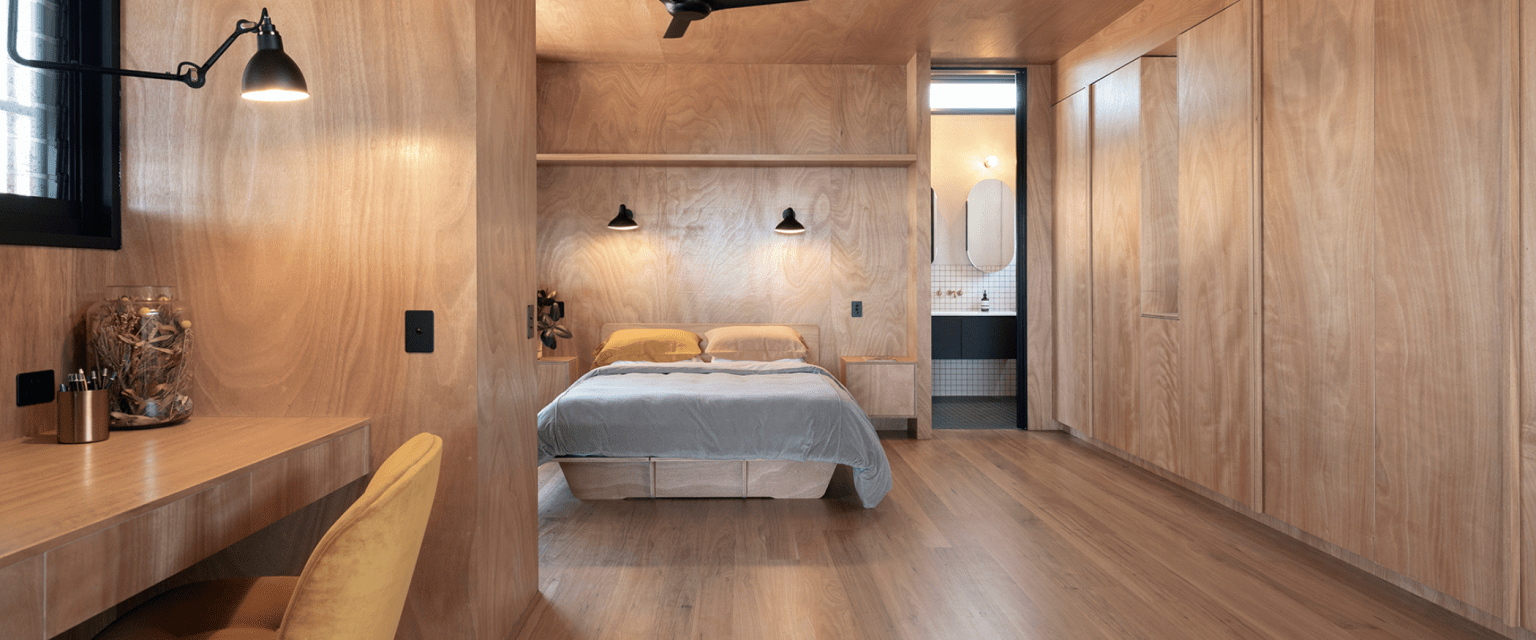
And if you’re leaning toward a more modern, slightly edgy finish, Orientated Strand Board (OSB) is well worth a look. Made from compressed layers of wood strands, it offers an unexpectedly dynamic texture that adds personality without overpowering the room. It’s wood with a wink, familiar, but with a bit more attitude.
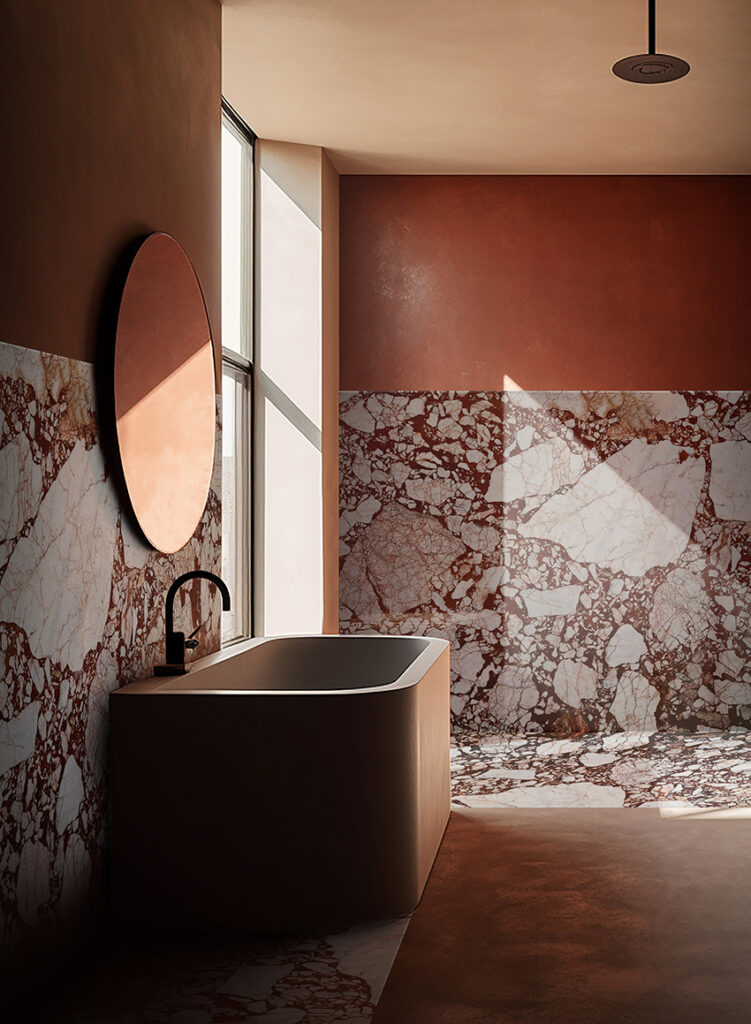
Stone and Marble
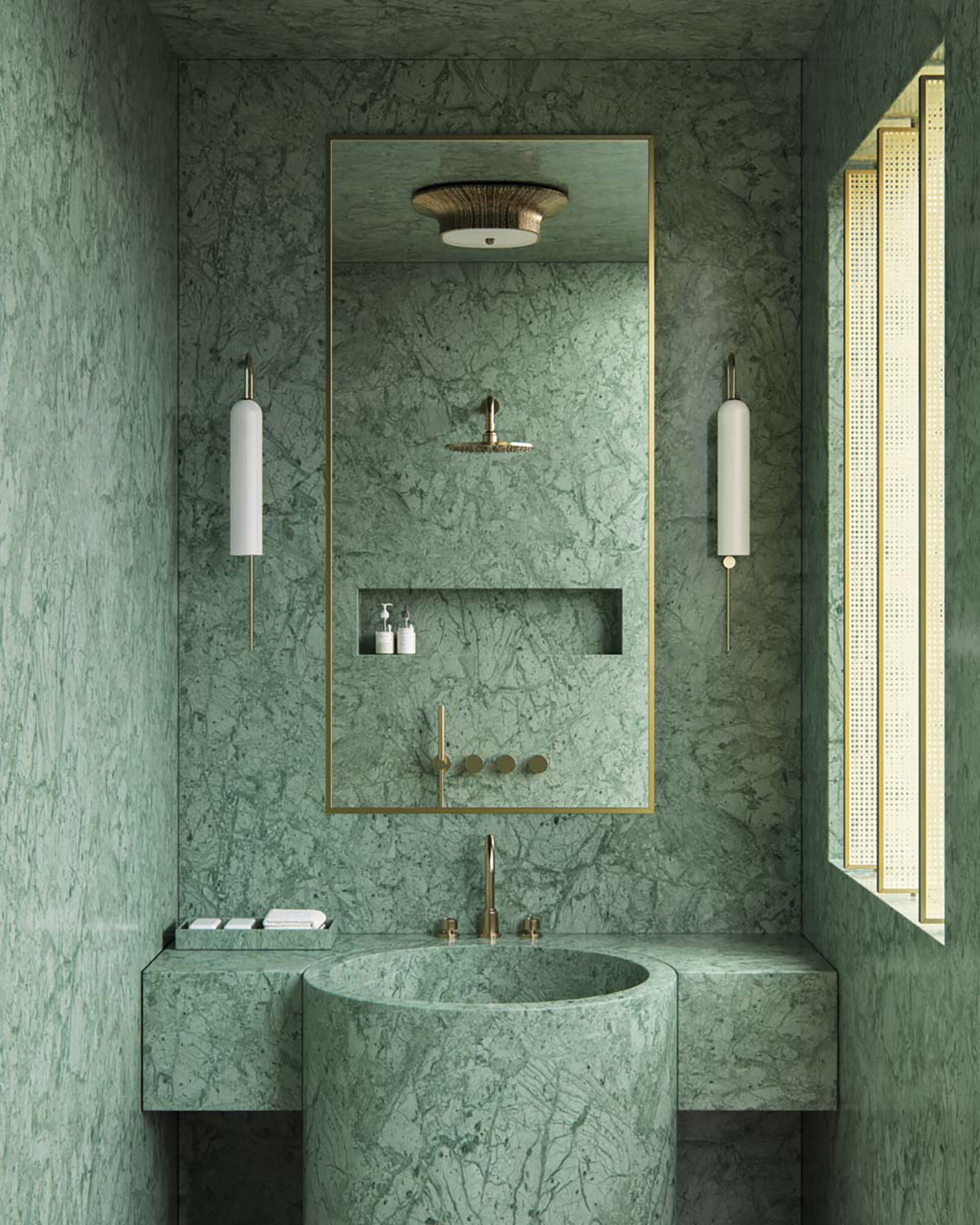
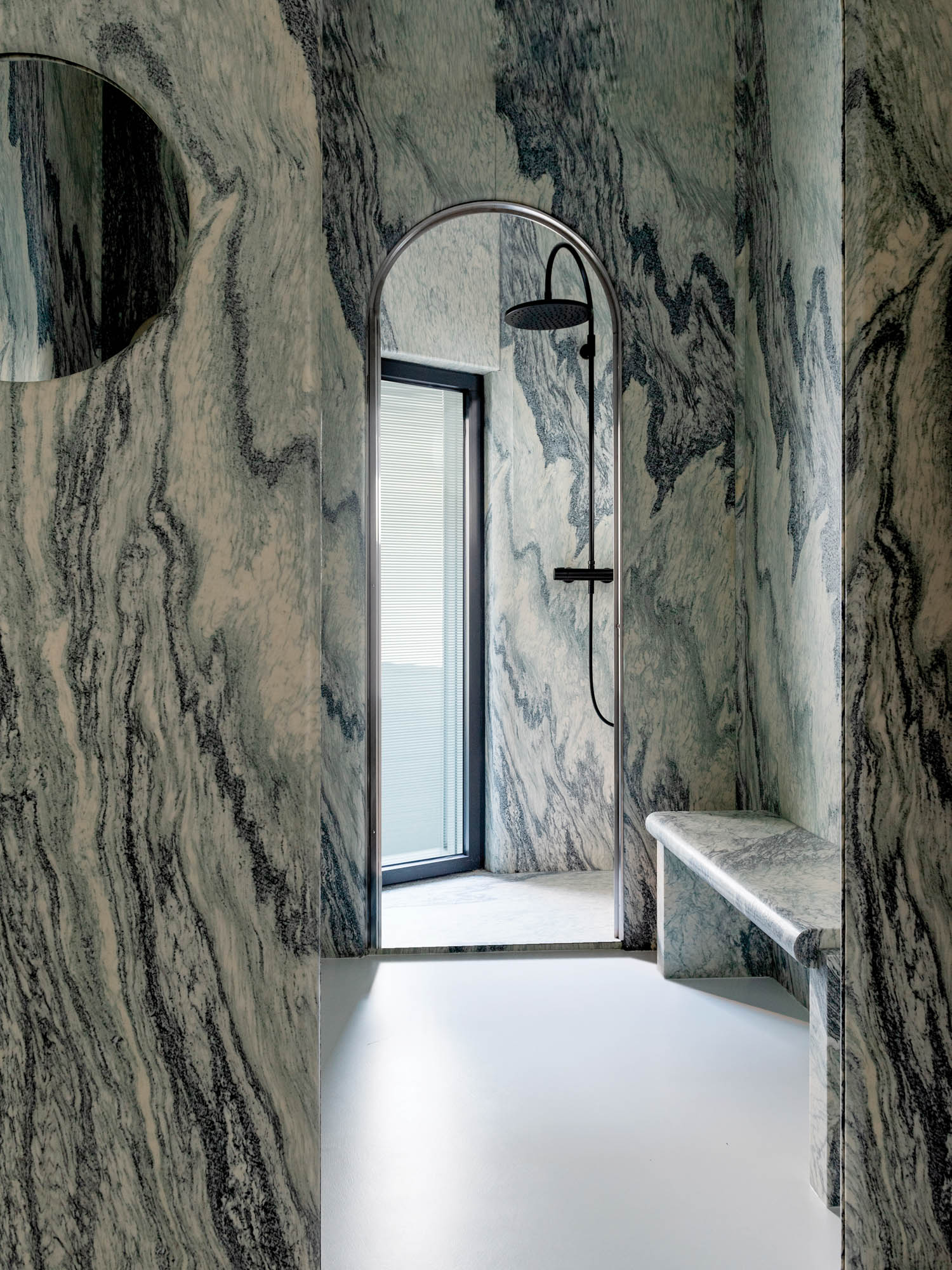
Stone material drenching may not be the most economical route, but my goodness, does it know how to make an entrance. It’s the statement choice for those statement-making bathrooms and kitchens, the kind that stop guests mid-sentence. With its cool, luxurious aesthetic and undeniable sense of permanence, stone carries a timeless elegance that never begs for attention yet effortlessly commands it. It’s one of those materials that leaves no one indifferent… and quite a few a little envious.
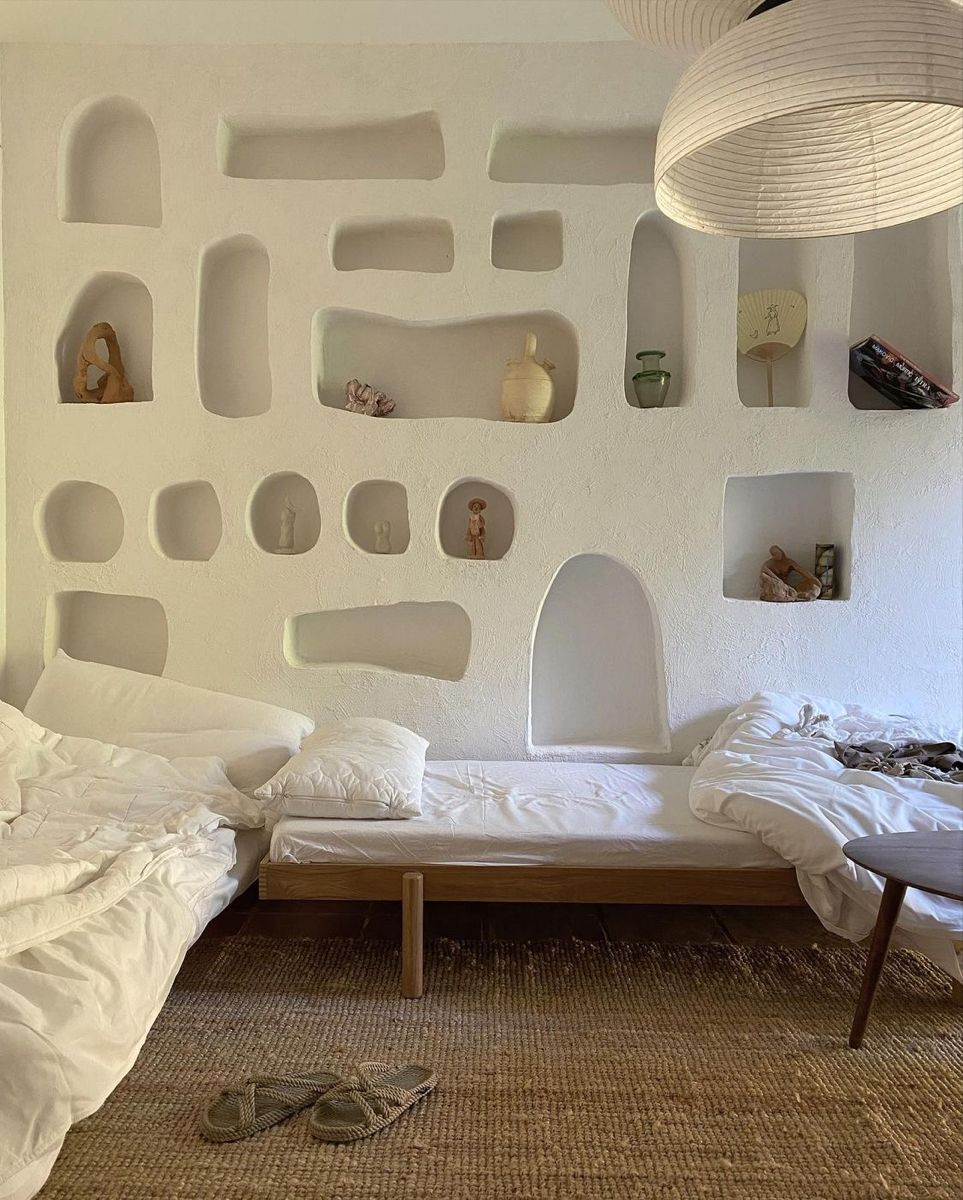
Plaster and Limewash
Plaster and limewash are the most budget-friendly ways to dip your toes, well, your walls, into material drenching. Their matte, breathable surfaces naturally lend themselves to biophilic design, creating a soft, earthy atmosphere that feels wonderfully grounding. They add depth without relying on pattern, which makes them ideal for rustic, organic, or quietly sophisticated interiors. Think of them as the gentle whisper of the material-drenching world: subtle, calming, and effortlessly beautiful.
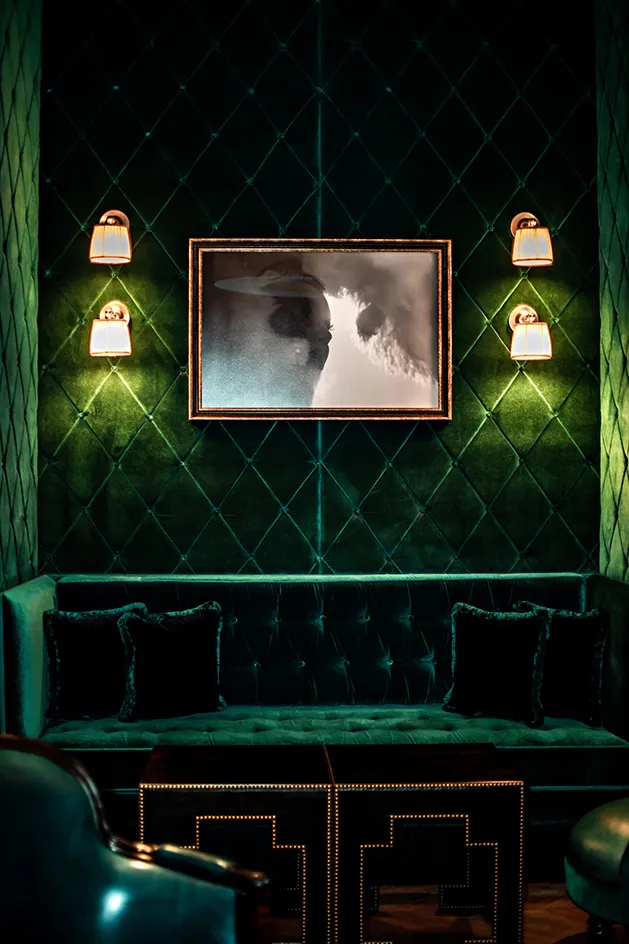
Fabric/ Upholstery
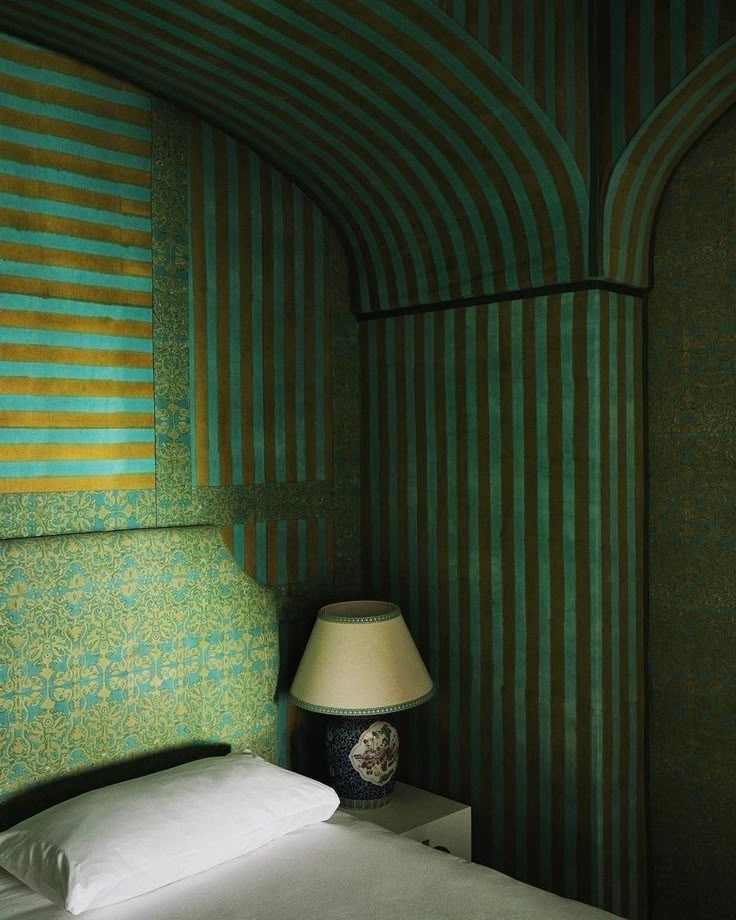
Full-height drapery cascading down your walls is the very definition of quiet luxury, and if you really want to spoil your space, pair it with upholstered walls. It’s the ultimate recipe for cosiness, wrapping the room in softness while delivering acoustics that rival a boutique cinema. Perfect for little reading nooks, intimate corners, or anywhere you want to feel deliciously cocooned.
How to Incorporate Material Drenching at Home
Start with a Single Focal Room
Begin where the impact will be felt most. Bathrooms, bedrooms, and nooks are ideal candidates; they’re naturally intimate spaces that instantly benefit from a cocooning, material-driven design. Think of it as giving one room its very own spa day.
Blend Textures Within the Same Material
Material drenching doesn’t mean monotony; it’s all about nuance. Play with variations: polished stone against a matte finish or sleek flat wood panels paired with ribbed detailing. These subtle shifts create depth and sophistication without ever breaking the material spell.
Keep the Palette Neutral and Intentional
Let the material be the star of the show. Choose complementary tones that support rather than distract from the main finish. The goal is harmony, not competition, so try to avoid introducing too many unrelated materials. Think of it as editing with elegance.
Use Lighting to Enhance Depth
Lighting is your best accomplice here. Grazing light brings out the gorgeous texture of stone, warm lighting gives wood an irresistible glow, and soft shadows on plaster add sculptural charm. With the right lighting, your material drenching truly comes alive like a well-lit masterpiece.
Material Drenching for Different Interior Styles
Material drenching isn’t a one-style wonder; it slips effortlessly into a range of aesthetics, each with its own personality and charm.
For a rustic or organic modern vibe, think rough-hewn timber and earthy plaster finishes. These materials lend a grounded, back-to-nature warmth that feels both honest and beautifully imperfect.
Modern Minimalist Homes
In minimalist spaces, material drenching feels right at home. Seamless built-ins and tone-on-tone textures create a calm, uninterrupted flow like a deep exhale in design form. Everything feels intentional, polished, and delightfully uncluttered.
Japandi and Scandinavian Interiors
Japandi and Scandi interiors practically beg for material drenching. Natural wood takes centre stage, paired with serene monochromatic palettes that exude quiet elegance. It’s the kind of design that whispers rather than shouts, yet leaves a lasting impression.
Luxury / High-End Spaces
If you’re in the mood for a little glamour, marble drenching is the crown jewel. High-polish stone rooms radiate luxury with an effortless, almost sculptural presence. It’s statement-making, yes, but with a refined, timeless edge.
Rustic or Organic Modern Designs
Rustic and organic modern styles thrive on textural richness. Rough woods, natural plasters, and grounded palettes create an atmosphere that feels warm, lived-in, and wonderfully tactile. It’s nature’s version of a hug translated into interiors.
Pros and Cons of Material Drenching
Although undeniably stylish, material drenching, like any good design choice, comes with its own set of highs and lows. On the bright side, if you’re craving visual harmony and a strong, distinctive design identity, it absolutely delivers. Texture takes centre stage, depth becomes more pronounced, and the overall atmosphere is wonderfully calming and immersive. It’s the sort of space you step into and instantly feel your shoulders drop.
Of course, there are a few caveats. When taken too far, material drenching can tip from serene to slightly overwhelming, so restraint is key. And yes, premium finishes can send the budget into orbit faster than you’d expect. Because the look is so cohesive, careful planning is essential to maintain balance and prevent the space from drifting into monotony. But when the execution is right, the result is nothing short of transformative.
Expert Tips to Get It Right
• Test samples under different lighting
Lighting can be a trickster; what looks serene by day can turn moody by night. Always check your samples in every glow your home can offer.
• Anchor the space with a few contrasting accents
Even the most committed material-drenched room needs a little punctuation. A contrasting piece or two keeps the space feeling curated rather than consumed.
• Use built-ins for seamless continuity
Built-ins are your best friend here. They extend the material story beautifully and make the whole space feel intentional, sculpted, and wonderfully uncluttered.
• Prioritise craftsmanship and natural finishes
This look lives and dies by the details. High-quality craftsmanship and authentic materials ensure your drenching feels luxurious, not literal, and will age gracefully too.
Final Thoughts
Material drenching is more than a trend; it’s a shift toward spaces that feel deeply intentional, immersive, and connected. As we crave calmer, more grounded environments, this approach offers a beautifully cohesive way to transform a room into a sensory retreat. It celebrates texture, honours natural materials, and invites us to slow down and truly feel our surroundings.
Embracing tactile, immersive interiors isn’t just about aesthetics; it’s about creating homes that nurture us. Material drenching does this effortlessly, wrapping spaces in warmth, continuity, and quiet sophistication. And that, in my humble designer opinion, is exactly the kind of future our homes deserve.