
I recently stumbled upon patchwork quilts reimagined at a charming salvaged textiles shop in Toronto called Honeybea, where pre-loved pieces are transformed into beautifully crafted clothing. Think soulful craftsmanship, a little bit nostalgic, and dangerously charming. Thankfully, I possess a willpower of steel and managed to leave without buying yet another coat I absolutely did not need.
To properly indulge my rekindled love affair with patchwork, I did what any self-respecting designer would do: I disappeared down a Pinterest rabbit hole, pinning with obsession, as if the internet might suddenly run out of quilts. Somewhere between the nineteenth pin and the mild existential crisis, I had a realisation—the world could use a little more patchwork love at home.
And it seems I’m not alone. More and more designers are re-embracing heritage pieces in contemporary spaces, shifting the focus from fleeting trends to meaningful layers. Interiors are becoming less about rigid “style” and more about story, memory, and pieces that look like they’ve lived a life.
So let’s lean into the return of layered, lived-in interiors – homes that feel collected, not curated. And yes, while we’re here, let me see if I can gently (or not so gently) convince you that a patchwork quilt might be exactly what your space has been missing.
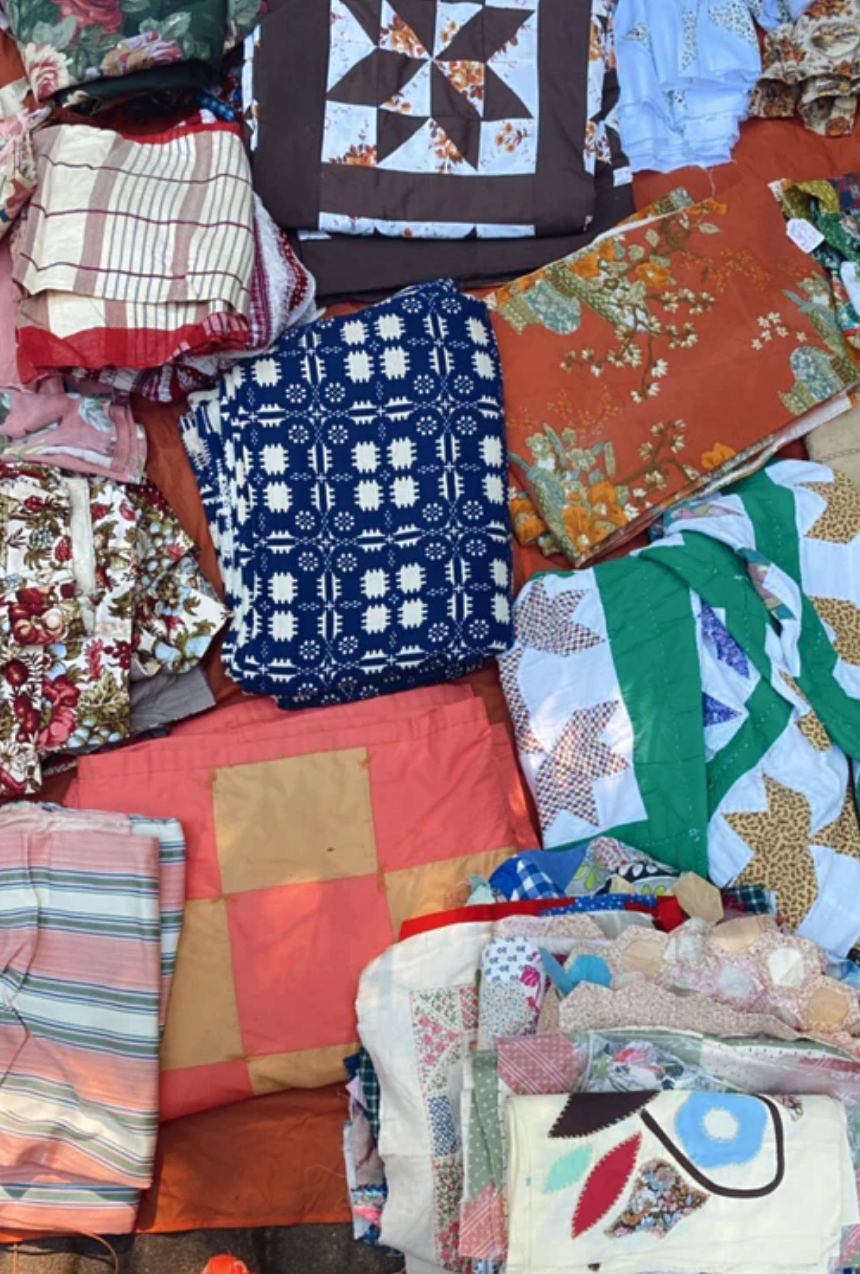
Table of Contents
Patchwork Quilts as Design Elements: More Than Just Bedding
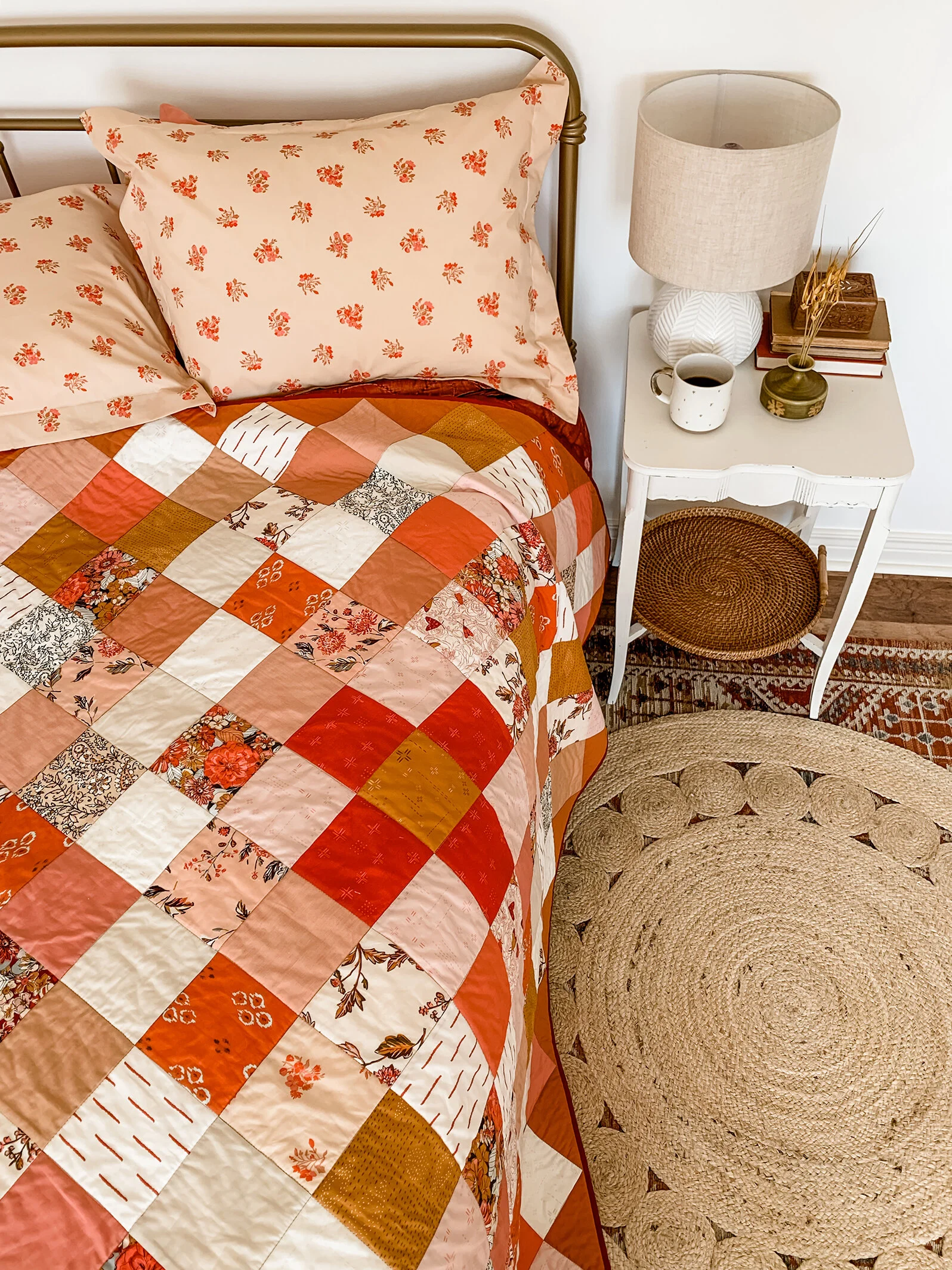
These whimsical wonders go far beyond being an extra layer of warmth at the foot of the bed. Every patch tells a story, each scrap of fabric chosen with intention or lovingly used up in the spirit of making do. Patchwork quilts have an uncanny ability to soften even the hardest architectural lines, bringing warmth and humanity to the most contemporary of interiors.
Their intricate patterns read like visual art, while their colour stories can quietly ground a space or introduce just the right amount of contrast. There’s craftsmanship here that evokes instant warmth and a touch of Little House on the Prairie nostalgia, and honestly, who didn’t dream of living in that cabin as a child? (If you didn’t, we need to talk.) Yes, I’m showing my age, but some references are timeless for a reason.
Choosing the Right Quilt for Your Space
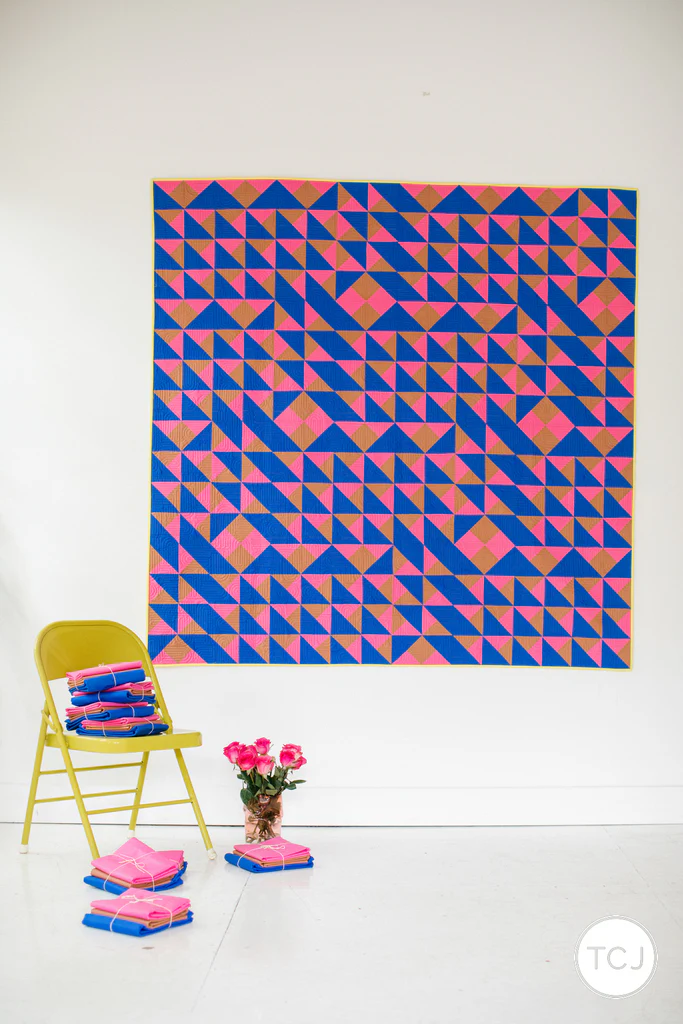
Matching your quilt to your interior aesthetic is key. Whether your home leans modern, traditional, farmhouse, eclectic, or beautifully minimalist, there’s a patchwork quilt out there ready to add just the right dose of whimsy. It’s less about forcing a look and more about finding a piece that feels like it belongs.
Construction matters too. Quilts come either hand-stitched or machine-stitched, and the difference isn’t just technical; it’s emotional. Hand quilting brings a softer, more personal feel, shaped by time and touch. Machine quilting, on the other hand, is precise, efficient, and ideal for larger-scale designs. Both have their place, each with its own aesthetic energy… and yes, often very different price tags.
How and where you plan to use your quilt should guide whether you opt for vintage, heirloom, or newly made. Practicality matters. Size, proportion, and drape are also non-negotiable; in fact, they matter far more than price. A small quilt swallowed by a large sofa will feel lost, while an oversized piece on a delicate chair can overwhelm it. When the scale is right, everything else falls effortlessly into place.
Styling Quilts From the Bed and Beyond
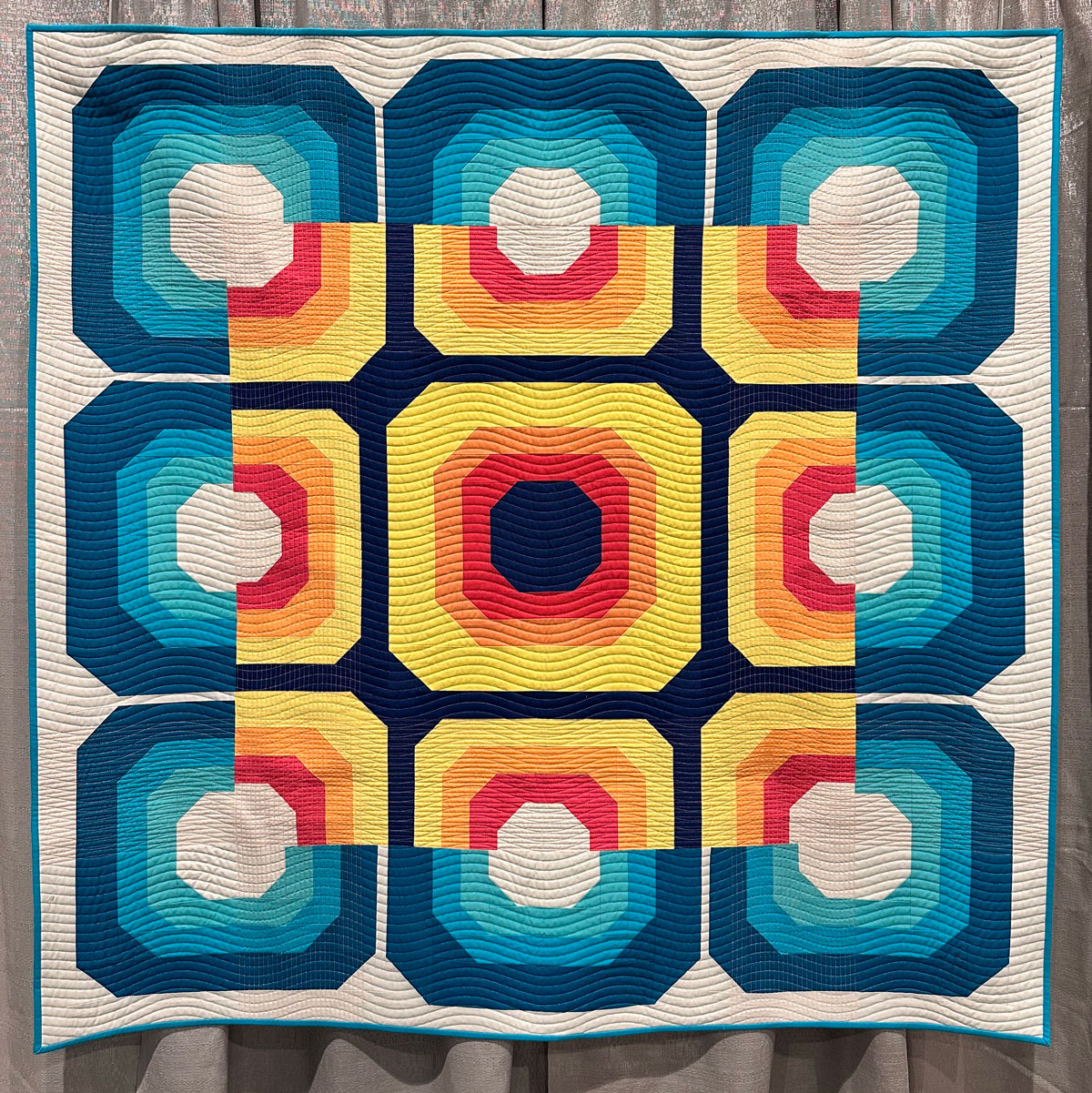
The most obvious home for a patchwork quilt is, of course, the bed, but why keep all that joy to yourself? Drape one over a sofa or a favourite armchair, and the entire room instantly feels warmer, more inviting, and far more considered.
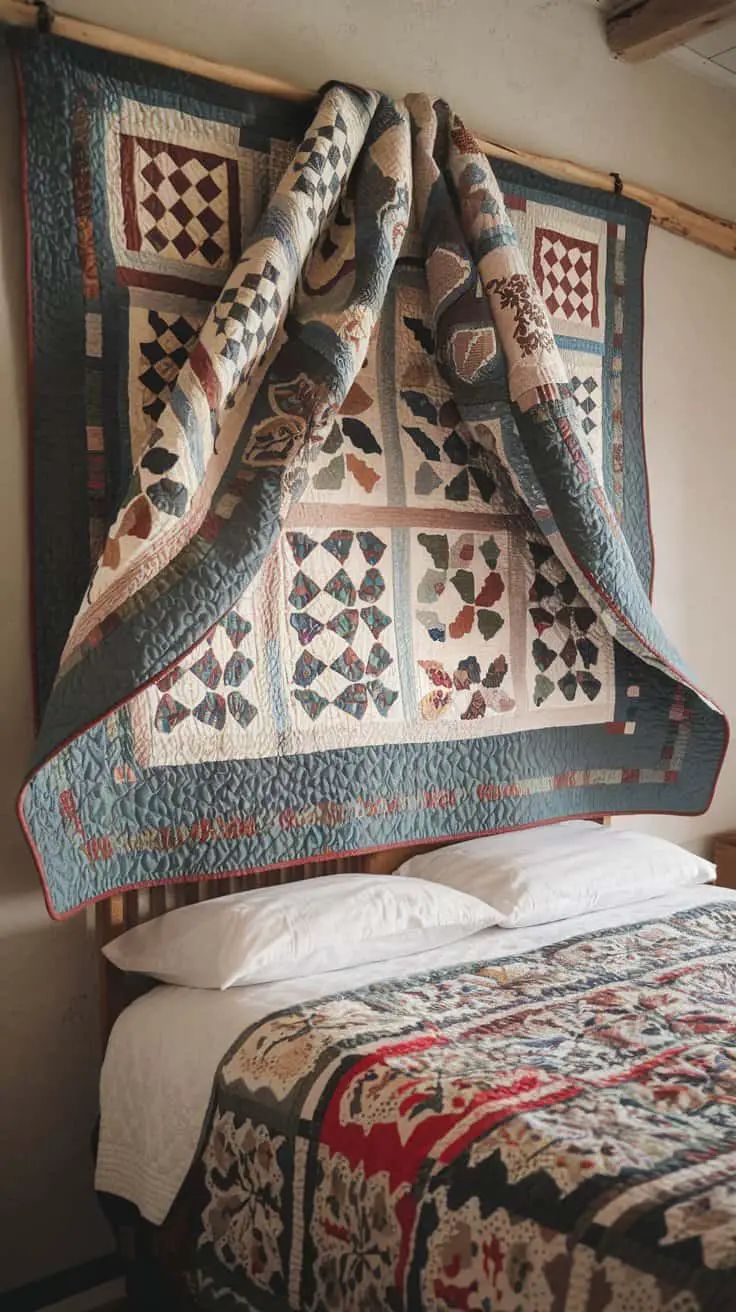
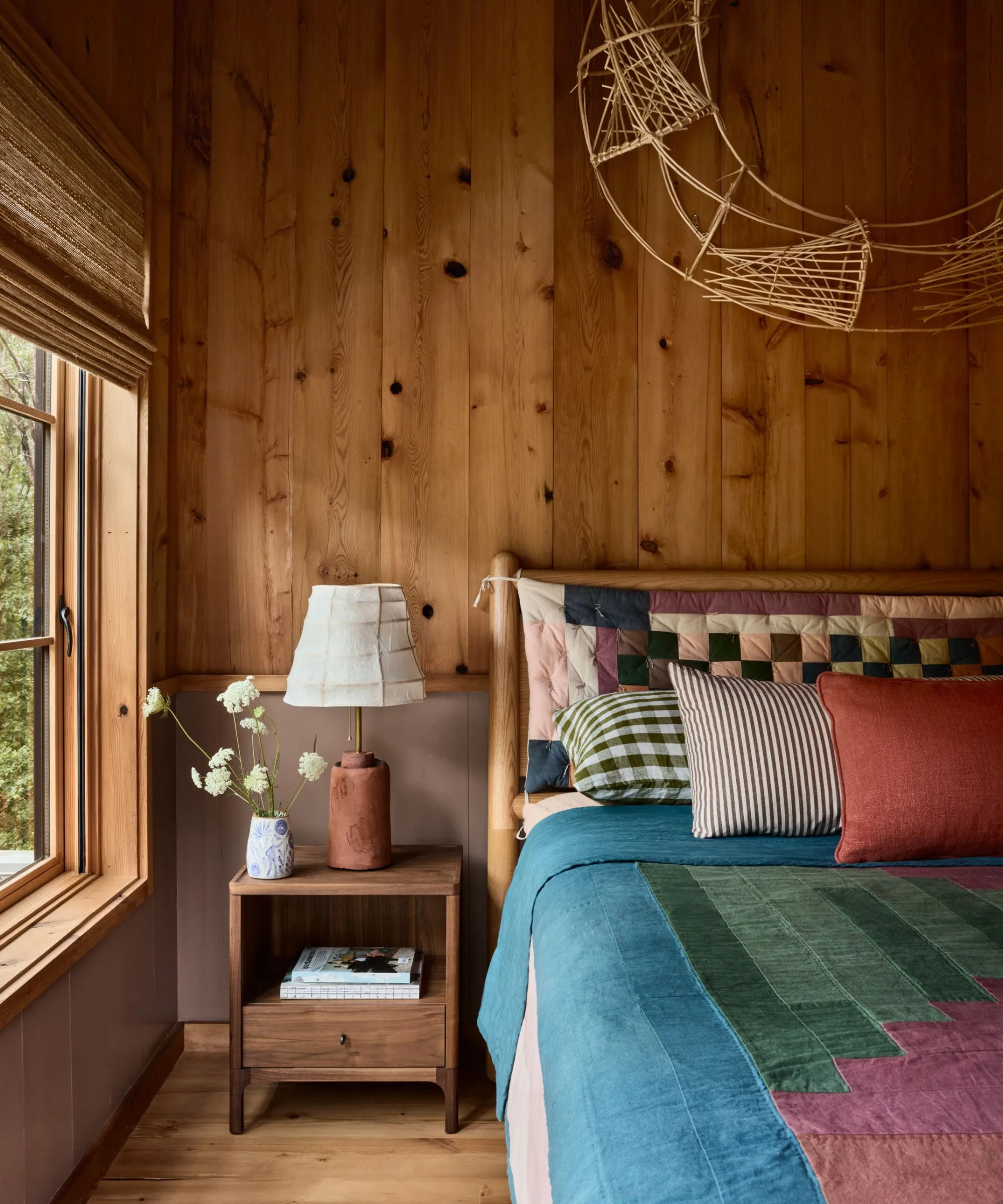
And if, ultimately, you really can’t bear to share, elevate it to centre stage by using it as a headboard. It’s a beautifully unexpected move rich in texture, full of character, and guaranteed to make your bedroom feel anything but ordinary.
Patchwork quilts are works of art in their own right, so don’t be afraid to think beyond furniture. Hung on the wall, they become instant statement pieces, adding colour, texture, and personality in one effortless move. As a bonus (because good design should always multitask), they help soften acoustics and provide a little extra insulation too. Beautiful and practical.
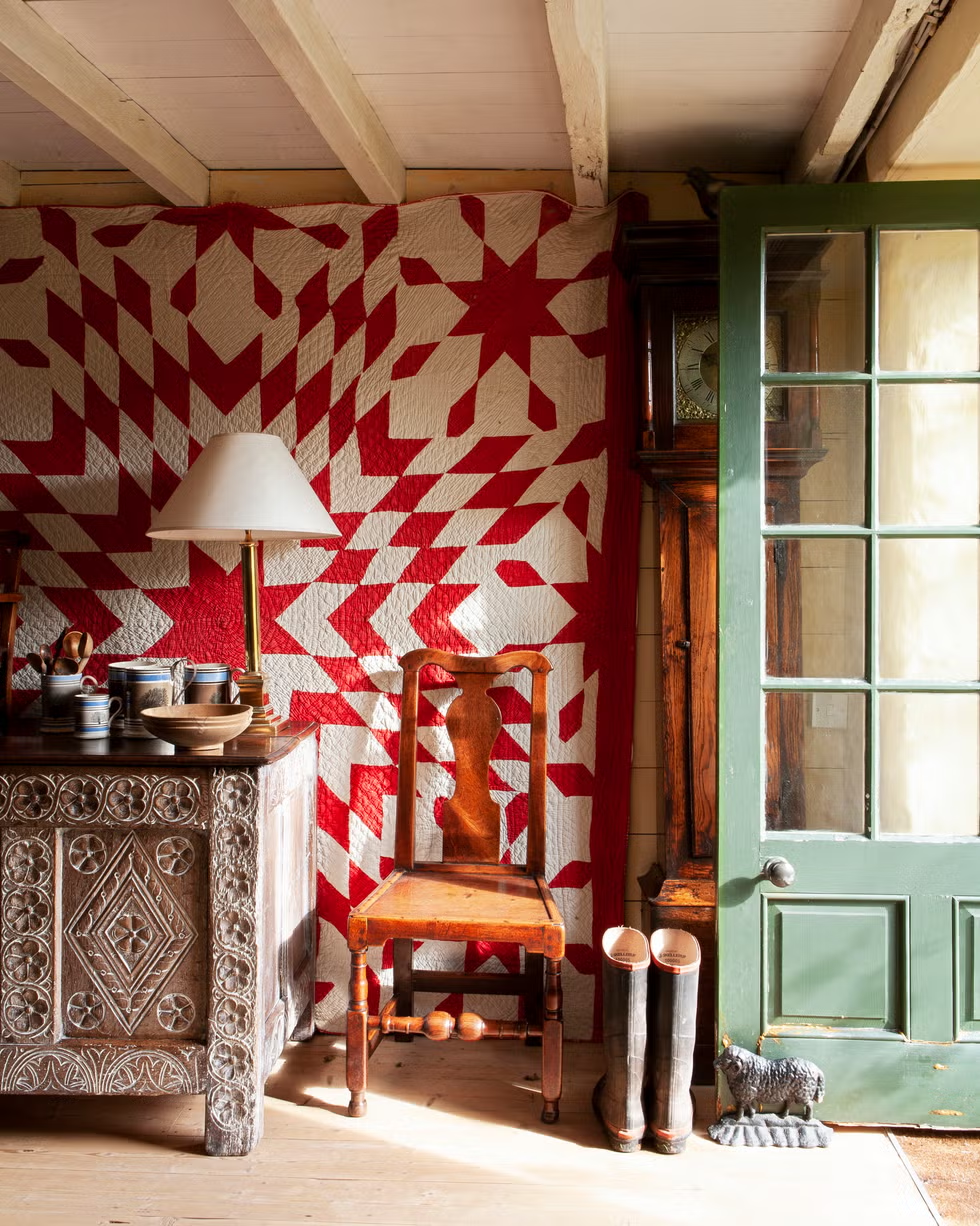
Folding and draping techniques designers actually use
1. The Casual Cascade
This is the most-used designer move. Drape the quilt over the arm or back of a sofa so it falls naturally, with uneven edges. The goal is relaxed, not symmetrical. Let gravity do the work; over-adjusting ruins the effect.
Best for: Sofas, sectionals, contemporary interiors
Why it works: Softens clean lines and makes the room feel lived-in
2. The Foot-of-the-Bed Fold
Fold the quilt lengthwise once or twice and lay it neatly across the lower third of the bed. The bed still looks tailored, but with warmth and texture layered in.
Best for: Bedrooms, guest rooms, minimal spaces
Designer tip: Let a bit of rumpling happen; perfectly flat feels like a hotel, not home.
3. The Chair Drape
Drape the quilt diagonally across an accent chair, allowing one corner to fall toward the floor. This creates movement and draws the eye without overwhelming the piece.
Best for: Reading corners, occasional chairs
Common mistake: Using a quilt that’s too large for the chair
4. The Soft Fold Stack
Fold the quilt into thirds or quarters and place it casually on a sofa seat or bench. This works beautifully when the quilt itself has a strong pattern or colour.
Best for: Patchwork quilts, bold designs
Why designers love it: It lets the quilt read as a decorative object.
5. The End-of-Sofa Drop
Fold the quilt lengthwise and drape it over one end of the sofa, letting it fall just below the seat. Clean, intentional, and very composed.
Best for: Modern or transitional interiors
Designer tip: Keep the folds loose, not crisp.
6. The Layered Look
Layer a quilt over another textile, linen, cotton, or even a sheepskin. Contrast is key: smooth with textured, neutral with patterned.
Best for: Eclectic, collected interiors
Why it works: Adds depth and tells a layered story
7. The Bench Accent
Fold the quilt and place it at one end of a bench, entryway, bedroom, or dining nook. It adds colour and warmth where you least expect it.
Best for: Smaller quilts, heirloom pieces
Bonus: Practical and decorative
Designer Rule of Thumb
If it looks too perfect, undo it slightly. Designers aim for intentional ease, not showroom stiffness. Quilts and throws should feel inviting, like they’re meant to be used, not admired from afar.
Layering Like a Designer
Patchwork quilts are endlessly versatile when layered with linens, throws, and pillows. They play remarkably well with other patterns too, adding visual interest without tipping into chaos (a fine line we all respect). The beauty of patchwork is its infinite variation; no two pieces ever feel quite the same.
Whether you’re looking for a quiet, neutral anchor or a bold statement moment, there’s a quilt to suit every decorative mood. To elevate the look even further, lean into texture stacking, pair cotton with linen, introduce wool for warmth, and ground it all with natural wood. It’s these thoughtful layers that give story-driven interiors their depth, character, and lived-in charm.
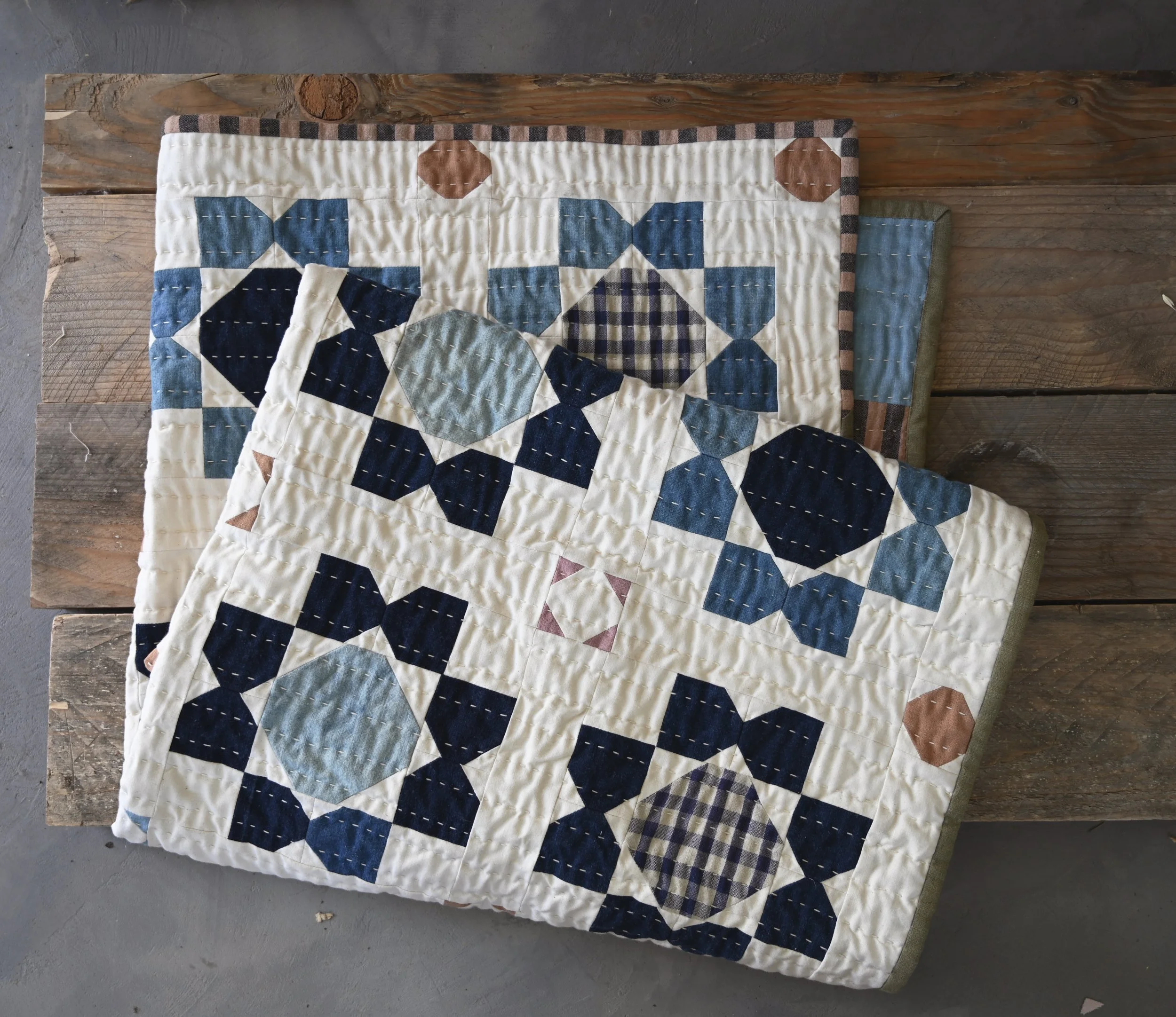
Quilts in Different Rooms
Bedrooms
Use quilts to create a layered look that feels curated, not cluttered, effortless, intentional, and wonderfully inviting.
Living Rooms
They add warmth and texture without visual heaviness, softening the space while keeping it refined.
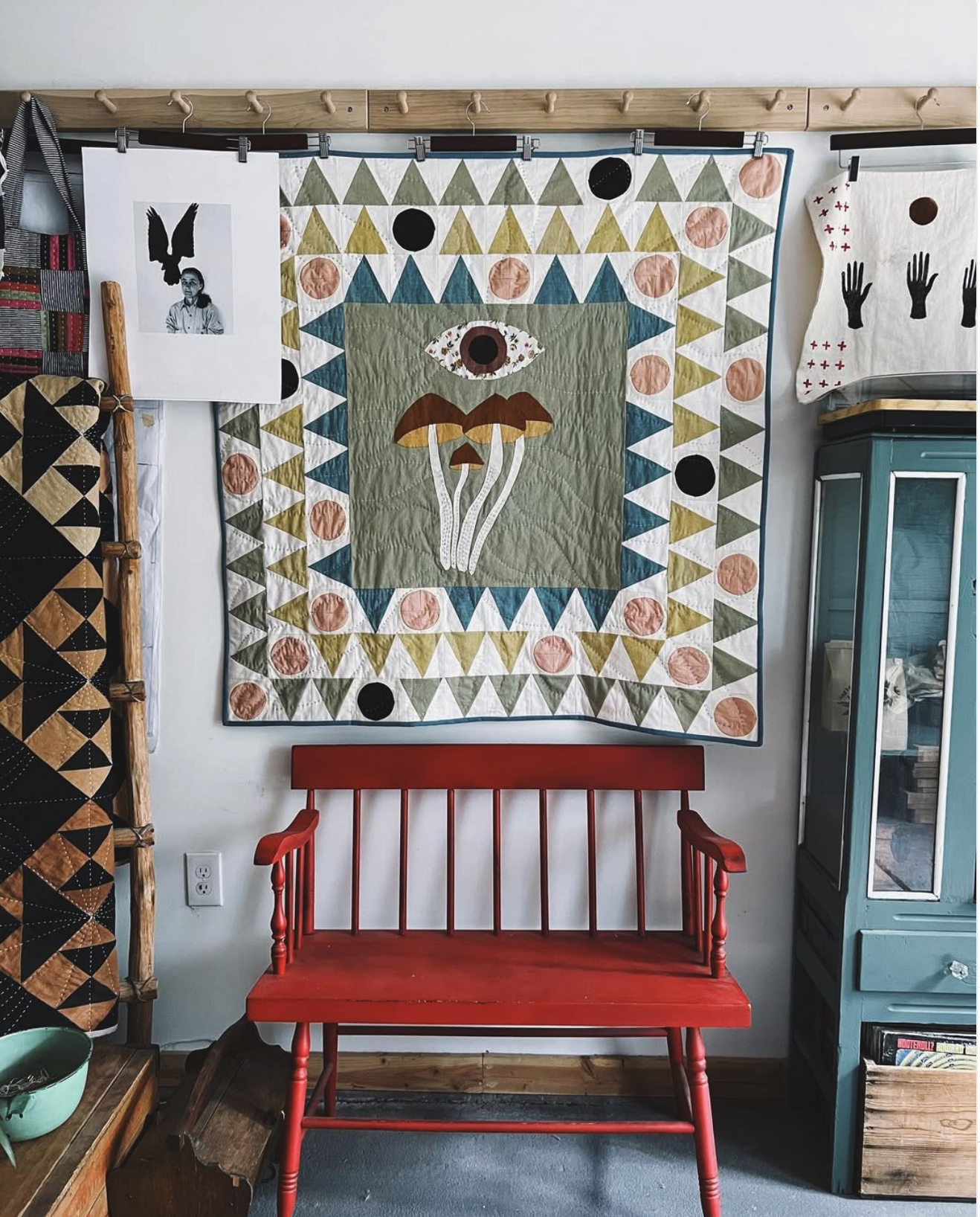
Guest Rooms
A quilt is a small but thoughtful detail that delivers real emotional impact, welcoming, comforting, and quietly memorable.
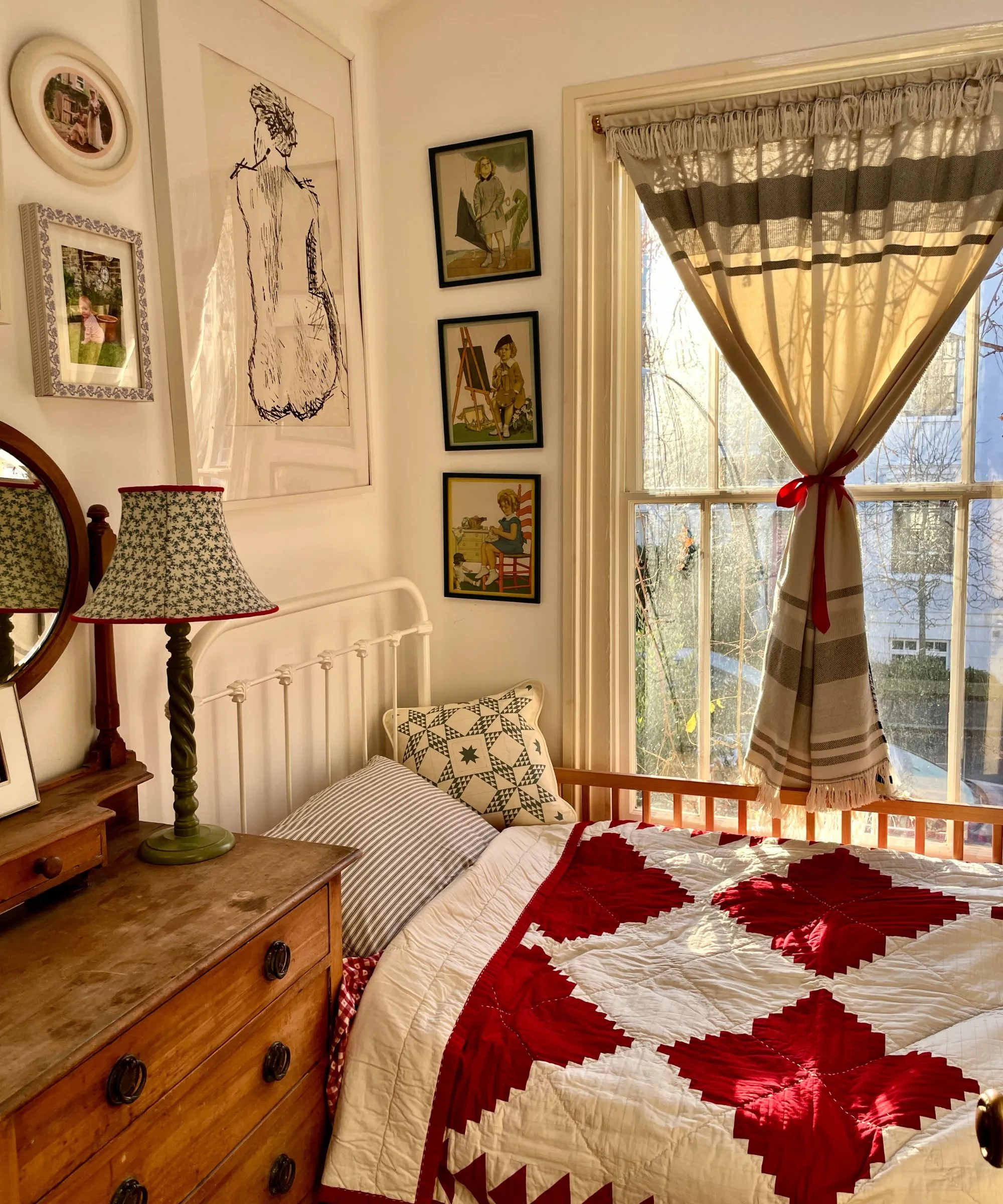
Unexpected Spaces
Don’t overlook entry benches, reading nooks, or daybeds. These quieter corners are perfect for a touch of pattern, softness, and surprise.
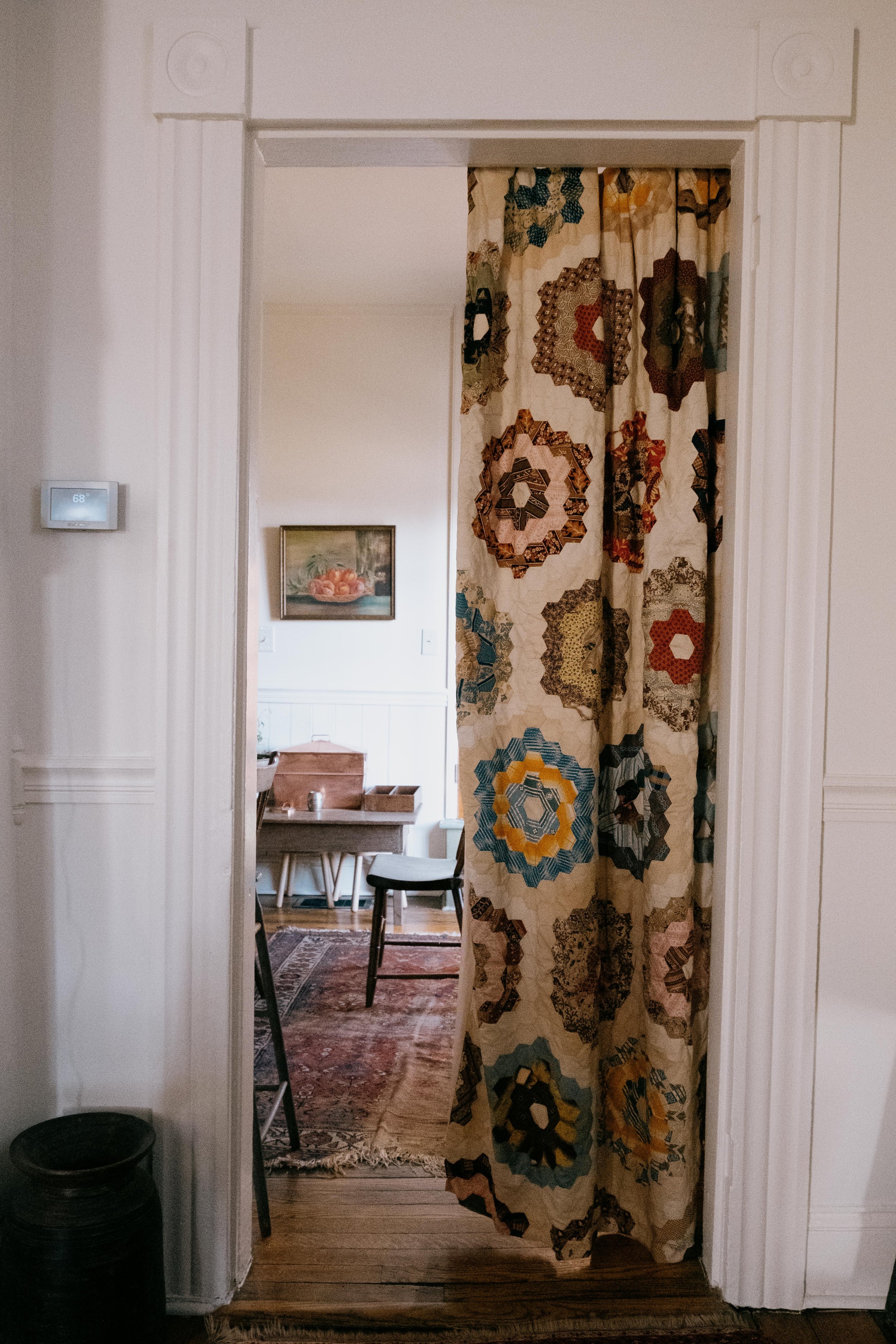
Caring for Quilts as Design Investments
Patchwork quilts are a true design investment and, in my honest opinion, future family heirlooms. These are pieces meant to be loved, lived with, and eventually handed down. Proper cleaning and thoughtful storage, preserving colour, stitching, and structure, are simply non-negotiable.
Some quilts are just too delicate for everyday use, and that’s perfectly fine. In those cases, consider displaying them with care, hung, draped, or thoughtfully layered so they can be admired and enjoyed without being put at risk. Good design isn’t just about how things look today; it’s about how beautifully they last.
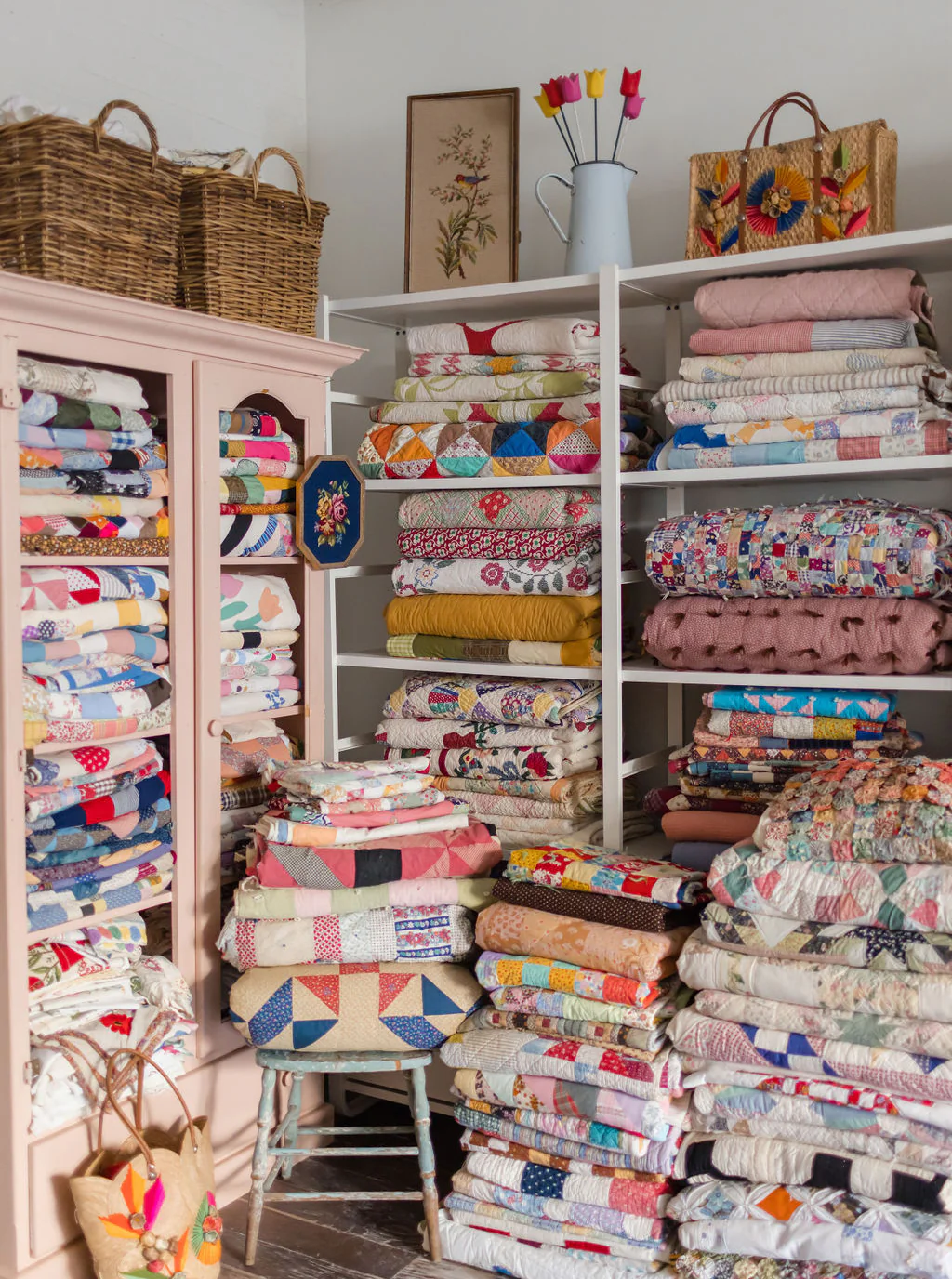
Sourcing Designer-Worthy Quilts
Sourcing the right patchwork quilt is as much about instinct as it is about intention. Antique markets and estate sales are treasure troves for one-of-a-kind pieces with soul; look for quilts with honest wear, strong stitching, and colours that still hold their own.
Independent makers and contemporary quilt artists offer a more modern take, often blending traditional techniques with fresh palettes and patterns that sit beautifully in today’s interiors. If you’re commissioning a custom piece, be clear about scale, colour story, weight, and how the quilt will be used; these details make all the difference between something lovely and something truly right for your space. And for those working within a budget, don’t dismiss well-made vintage finds, simplified patchwork designs, or smaller-scale quilts used creatively. Elevated interiors aren’t about how much you spend; they’re about choosing pieces with character, craftsmanship, and a story worth telling.
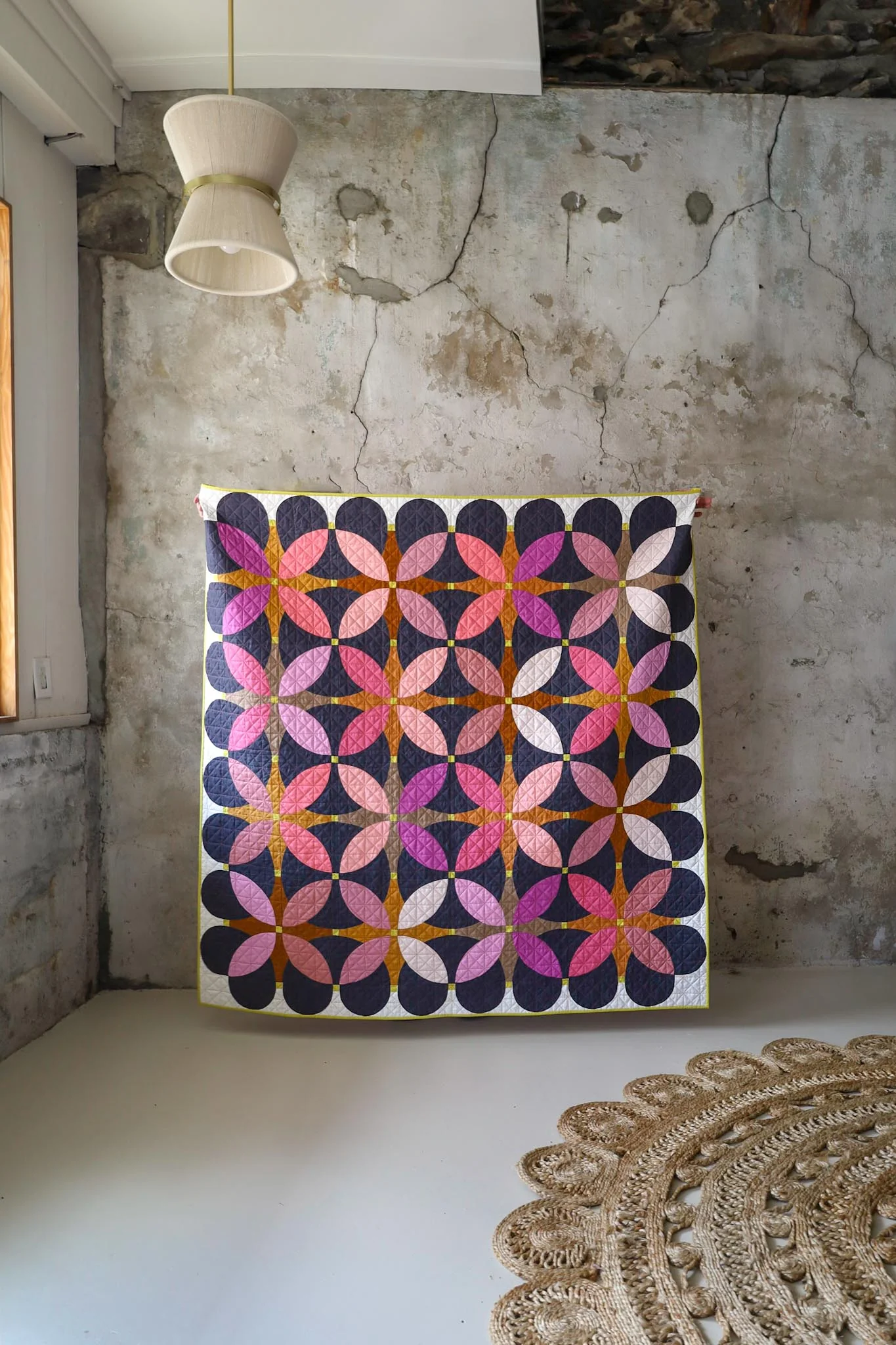
Common Styling Mistakes to Avoid
When styling with patchwork quilts, a little restraint goes a long way. One of the most common mistakes is over-matching patterns. Patchwork already does a lot of visual heavy lifting, so let it shine rather than competing with it. Quilts should never feel like an afterthought, casually tossed in without intention; they deserve the same consideration as any other design element in the room. Scale and balance are equally important; a quilt that’s too small or too oversized can throw the entire space off-kilter. And finally, there’s a fine line between “cosy” and “cluttered”. Thoughtful layering creates warmth and depth; too much of everything simply creates noise. The goal is always a home that feels inviting, not overwhelming.
Final Thoughts: Designing with Story and Intention
Designing with patchwork quilts is ultimately about storytelling and intention. They sit beautifully at the intersection of comfort and sophistication, bringing warmth, history, and a human touch to spaces that might otherwise feel too polished. Layered interiors, when done thoughtfully, always feel more authentic because they reflect how we actually live: surrounded by pieces collected over time, not bought all at once. A well-chosen quilt doesn’t just complete a room; it adds depth, memory, and meaning – proof that the most compelling interiors are the ones that feel lived-in, loved, and quietly personal.