
Unfitted kitchens are having their moment in 2026, and honestly, I’ve been rooting for them for years. Rising renovation costs and a shift from perfection to flexibility mean this isn’t just a pretty trend; it’s a smart, stylish response to the times, and I couldn’t be more delighted to see it finally getting the love it deserves.
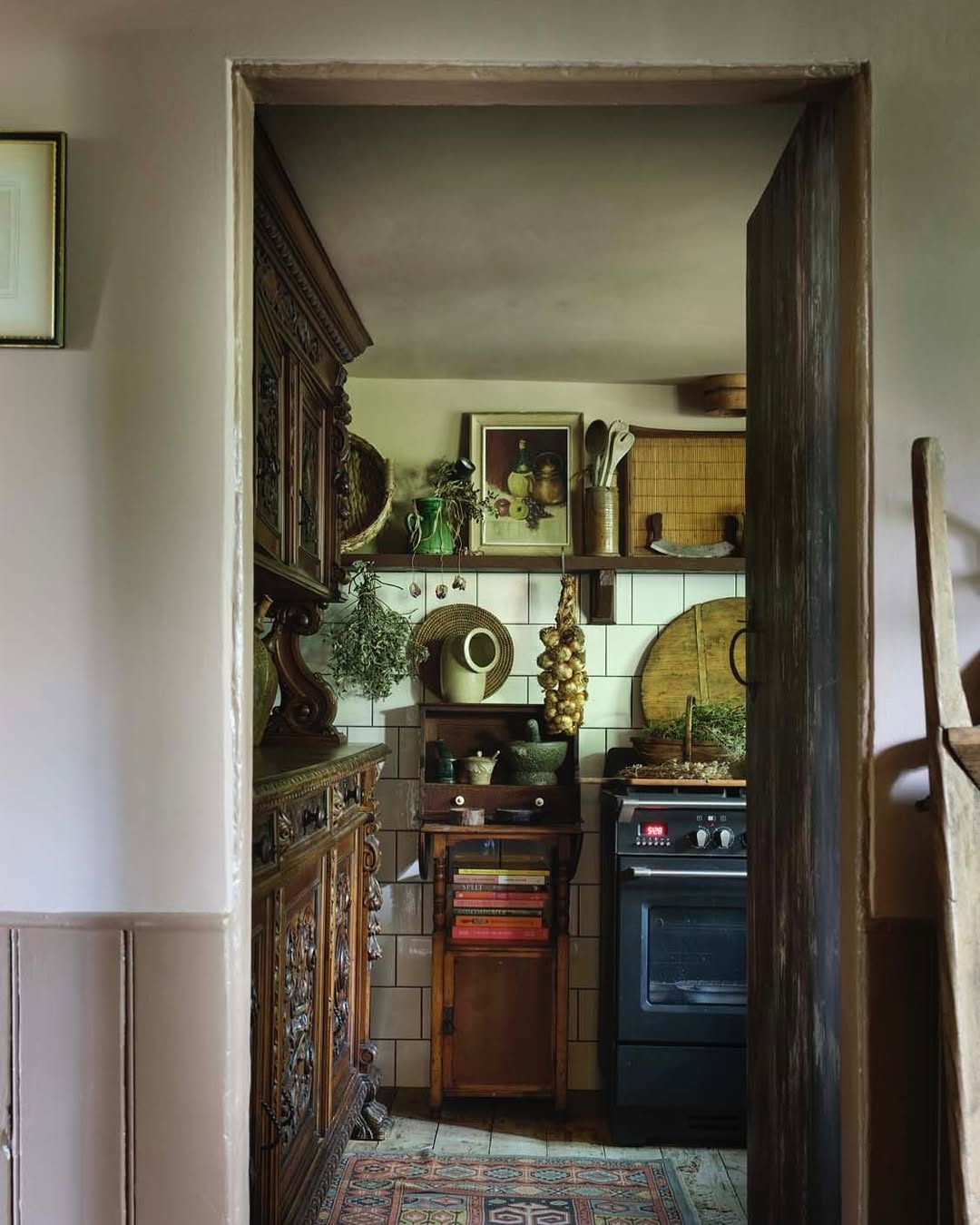
Table of Contents
Unfitted Kitchens Explained: What They Are and Why Designers Love Them
With their hefty butcher’s blocks, baker’s tables, and freestanding larders, unfitted kitchens were once the norm before gradually giving way to the sleeker, more streamlined fitted kitchens we know so well today. They may not offer the same seamless lines or wall-to-wall storage as a modern fitted design, but what they lack in uniformity they more than make up for in character, space, and layers of visual interest and texture.
Why Are Unfitted Kitchens Rising in Popularity for 2026?
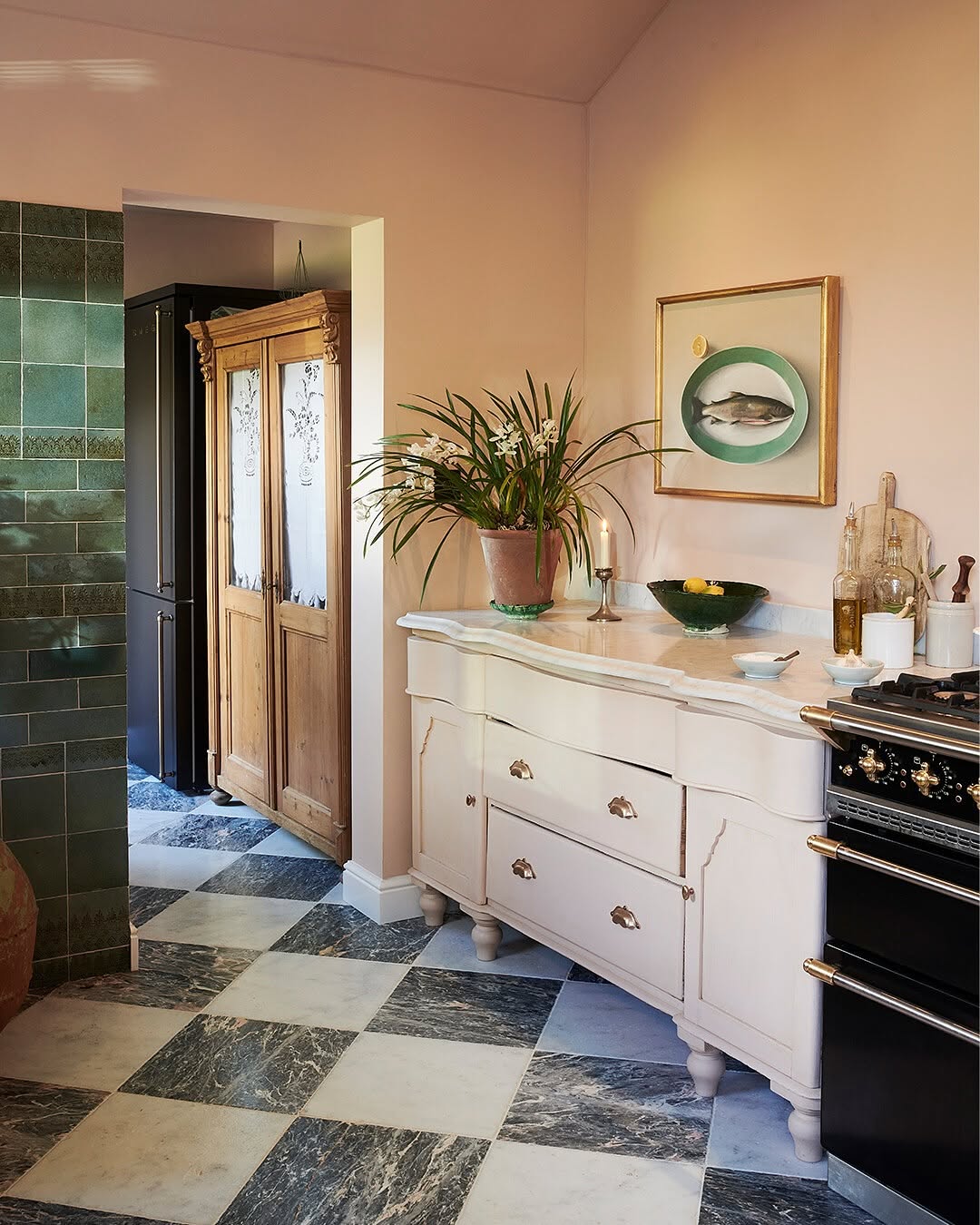
Free standing kitchens are rising in popularity for 2026 because they reflect a shift in how we want our homes to feel and function.
Rising Costs Are Changing Renovation Decisions
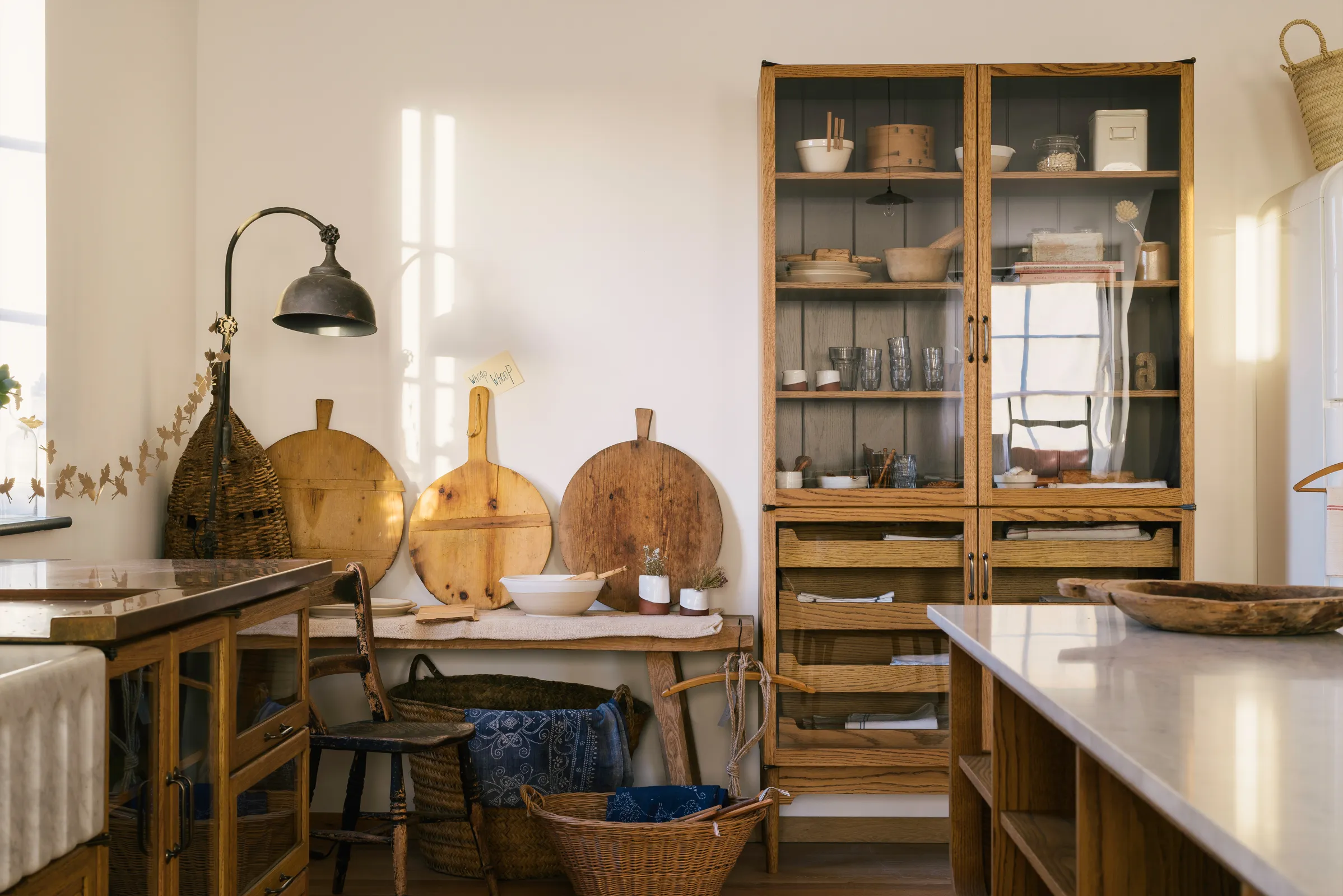
In recent years, we’ve seen a sharp rise in the cost of bespoke cabinetry, and even IKEA is no longer quite the budget-friendly solution it once was. Fully fitted, built-in kitchens now come with a decidedly hefty price tag. The joy of an unfitted kitchen is its flexibility: you can build it up gradually, investing in pieces over time rather than all in one go.
Flexibility for Modern Living
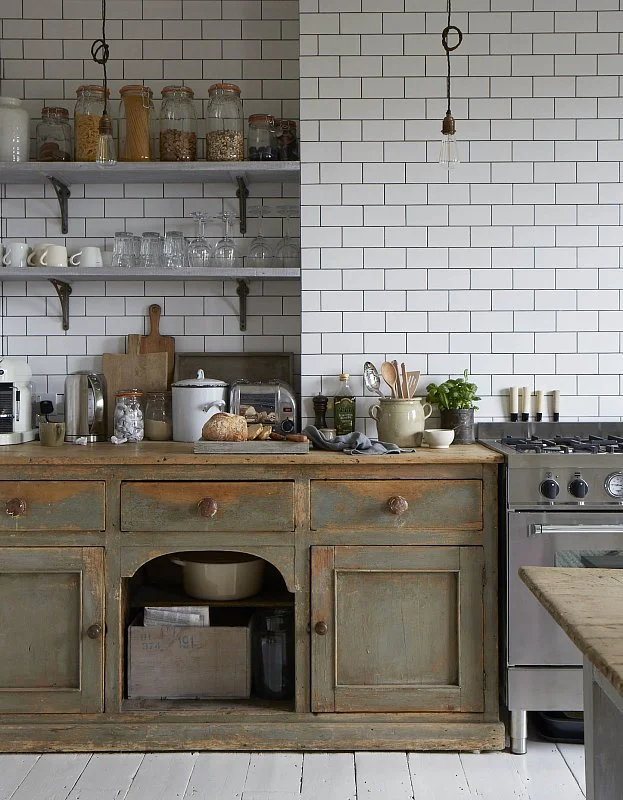
The average kitchen is designed to last around 15–20 years, yet the way we live in our homes can change dramatically in just a few. Freestanding kitchens quietly acknowledge this reality. Because their elements aren’t permanently fixed, they can be updated, rearranged, or replaced over time, without the drama of ripping everything out and starting from scratch.
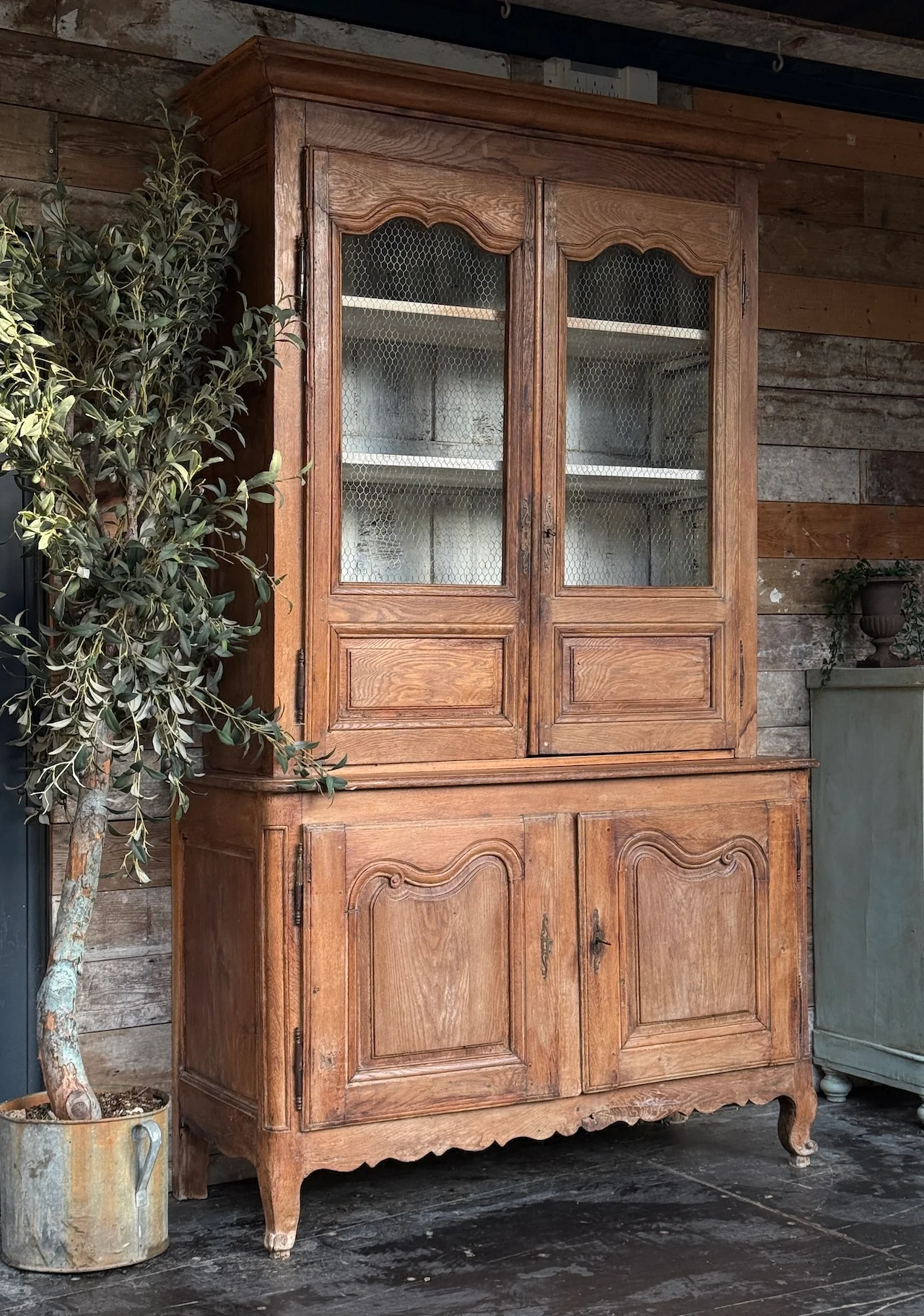
Modern life, after all, isn’t static. We move more frequently, work from home, entertain in new ways, and expect our spaces to multitask. Unfitted kitchens, made up of freestanding pieces rather than rigid cabinetry, adapt beautifully to these shifts. A butcher’s block can moonlight as an island, a dresser can double as storage, and layouts can evolve without major building work. From a designer’s perspective, it’s a kitchen that moves with you, rather than one that keeps you firmly in place.
A More Personal, Collected Look
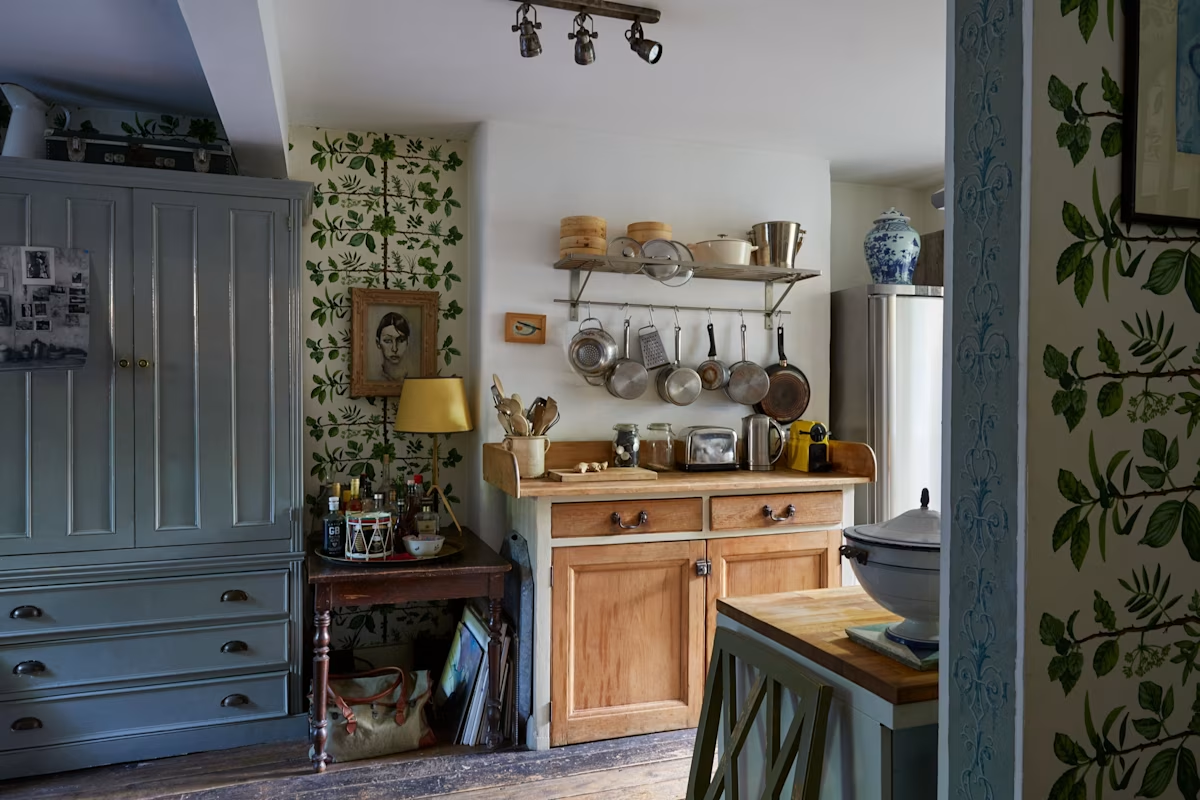
If, like me, you have a soft spot for a little patina, this might be right up your street. Unfitted kitchens are all about mixing and matching pieces with lived-in finishes and plenty of emotional appeal. These are kitchens made up of elements with charm and character, pieces that tell a story. And really, isn’t that what a home should be? A collection of stories, gathered over time. By their very nature, individual freestanding pieces create far more layered texture and visual interest than the sleeker, showroom-perfect fitted kitchens.
Are Freestanding Kitchens Cheaper Than Fitted Kitchens?
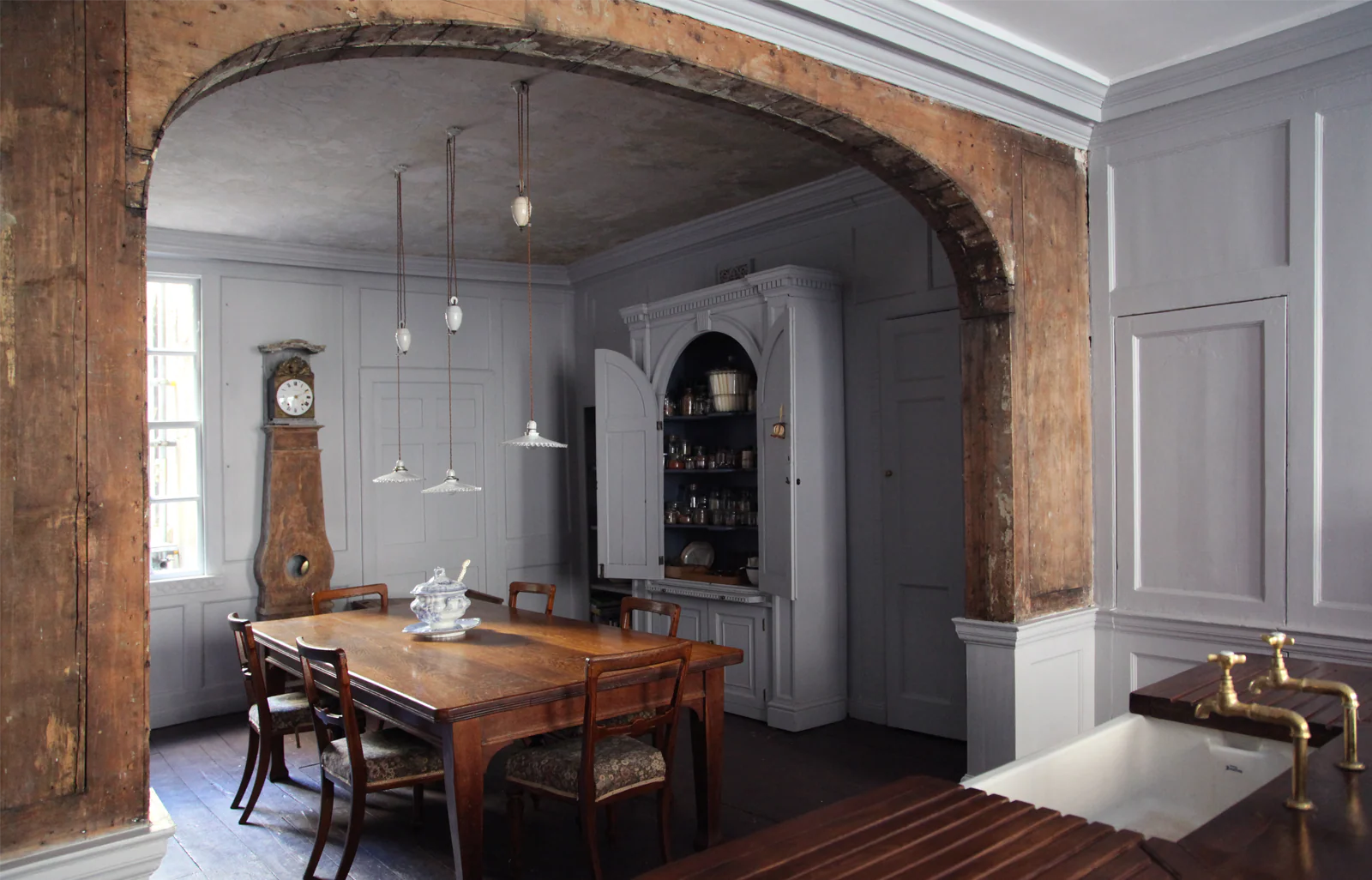
As with most things in design, it really comes down to how much you want to spend. There are some amazing high-end, bespoke freestanding kitchens on the market; I have a particular soft spot for deVOL, but in general, unfitted kitchens tend to offer a more flexible and often more economical approach. Much of it comes from the ability to incorporate vintage or freestanding pieces that don’t require costly installation. That said, a gentle word of caution: costs can creep up if bespoke joinery is needed to adapt certain pieces to your space.
How to Design an Unfitted Kitchen That Works
The key to a well-designed unfitted kitchen is functionality paired with a sense of curated cohesion. Before you get carried away with beautiful pieces, start with a clear, well-thought-out list of what you actually need. At a minimum, this usually includes:
- Sink
- Appliances
- Work surface
- Storage
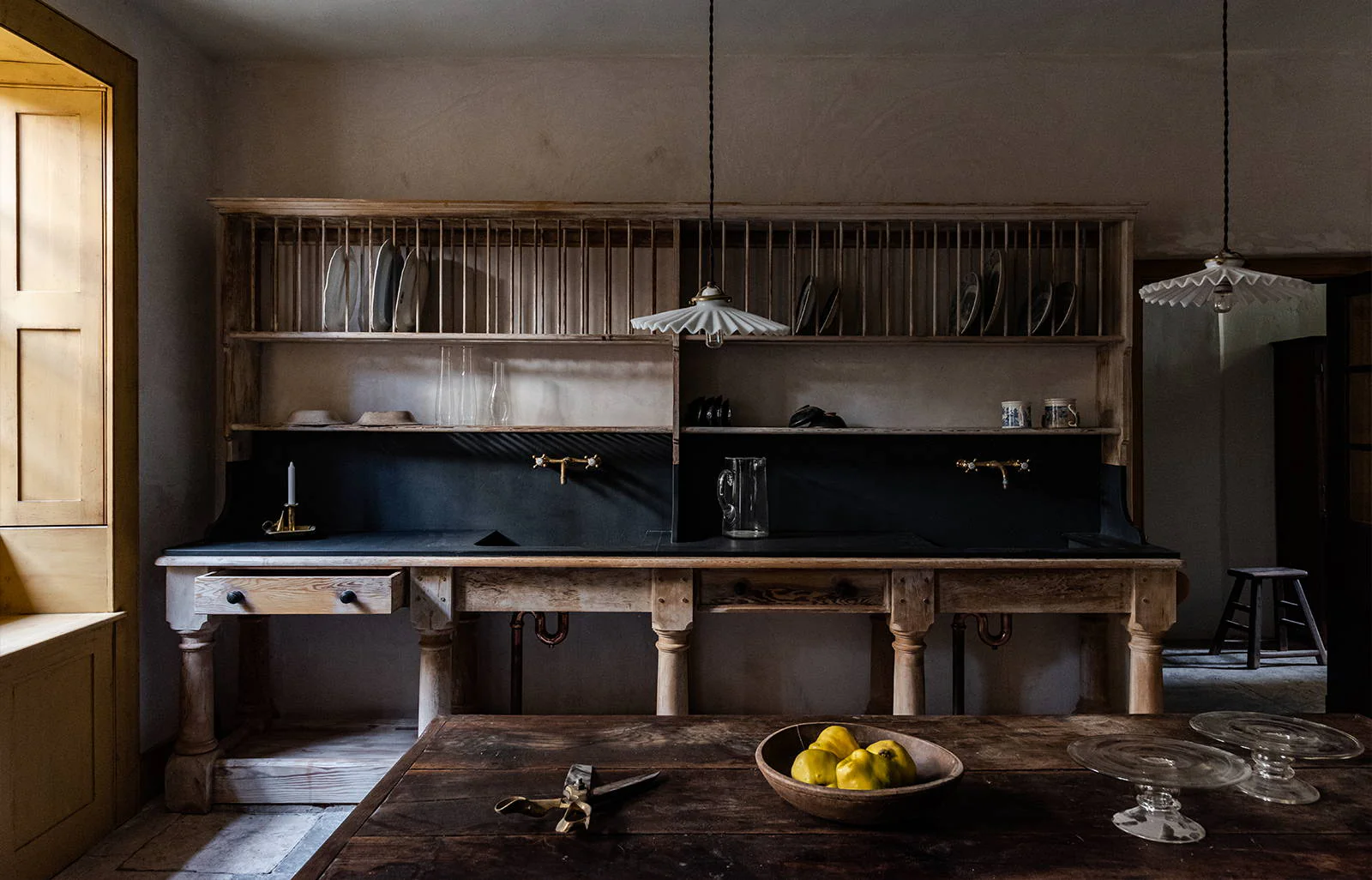
Advanced planning is essential if you want an unfitted kitchen to work beautifully. To cover these basics, look for pieces such as butcher’s blocks, baker’s tables, freestanding larders, open shelving, and kitchen dressers. Once you know what you need, carefully plan where each element will sit, taking into account practical realities like plumbing and electrics, which are best left where they are unless you enjoy unnecessary expense.
And while we’re talking about freestanding elements, don’t be afraid to mix in a few fixed ones. This approach works particularly well around sinks, where a built-in unit can provide practicality without compromising the unfitted feel. Consistency is also key: keep materials and colour palettes cohesive so the space feels intentional rather than chaotic.
A thoughtful approach to colour can make all the difference. Fiona de Lys, for example, offers wonderful colour consultancy and courses, building palettes around core memories that truly tell a story. When all these elements come together in harmony, the result is an unfitted kitchen that feels layered, functional, and beautifully considered, rather than thrown together.
Is an Unfitted Kitchen the Right Choice for Your Home?
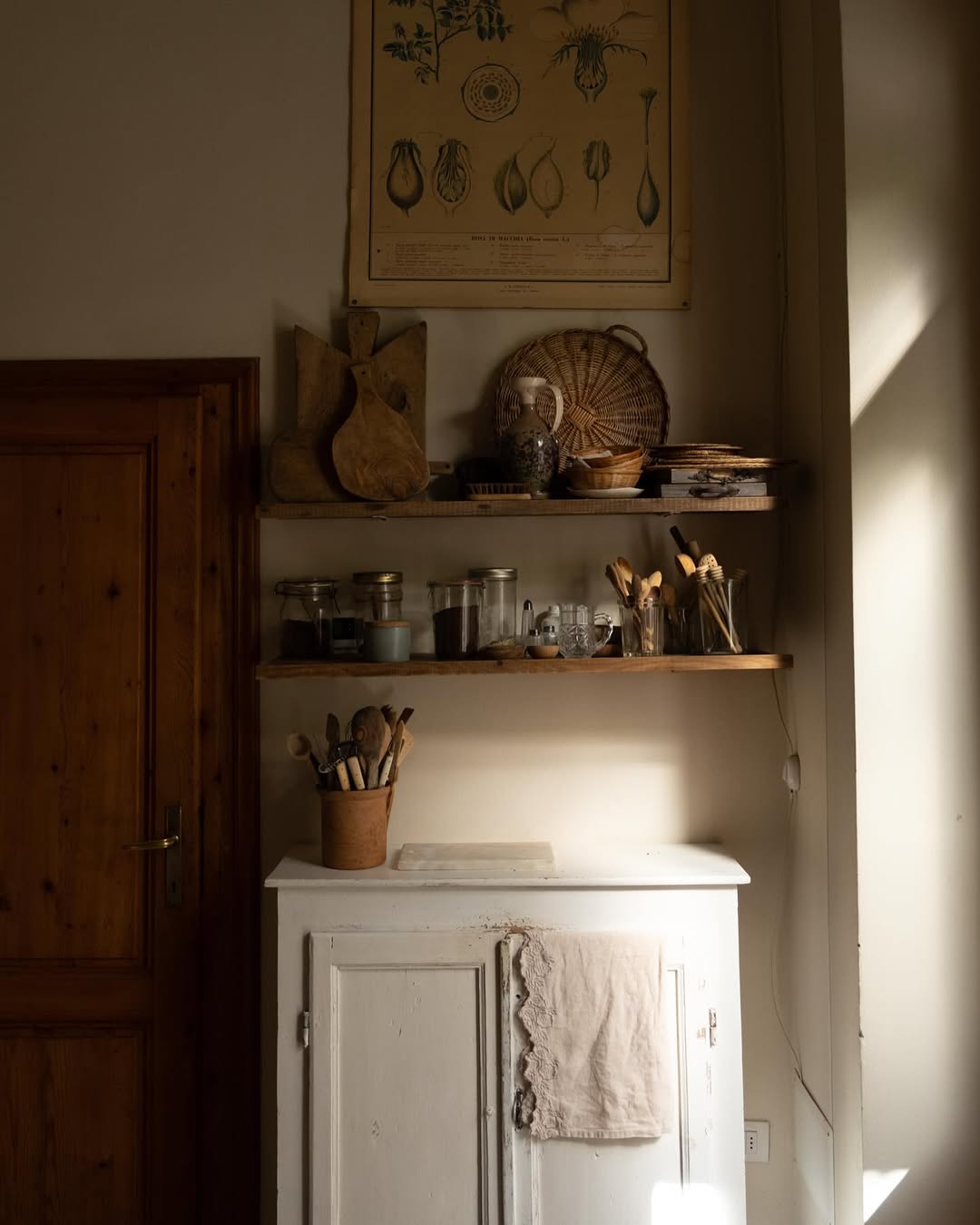
If you live in an ultra-minimalist home with high storage demands, an unfitted kitchen may not be the most practical choice. Unfitted kitchens are better suited to period homes, design-led homeowners who enjoy creative freedom, and budget-conscious renovators looking for flexibility and character without committing to a fully fitted kitchen.
Why Unfitted Kitchens Are a Smart Choice for 2026
Unfitted kitchens aren’t a compromise; they’re a carefully considered design and lifestyle choice. With growing pressure to live sustainably in an increasingly resource-conscious world and the rising cost of almost everything, they offer a thoughtful and often budget-friendly way to create your dream kitchen, even on a tighter budget. 2026 is all about flexibility, longevity, and personal value. Whether you’re renovating now or planning ahead, an unfitted kitchen is a future-proof alternative that’s well worth considering.