
In all honesty, I probably write interior design trend pieces as much for myself as for anyone else. With so many ideas constantly competing for attention, trend fatigue is very real. Not every trend is worth your time, attention, or hard-earned money. They are only truly useful when you understand what’s driving them, and, more importantly, which ones have the staying power to earn a place in your home. As a designer, I think it’s important to remember that trends aren’t rules; they’re signals.
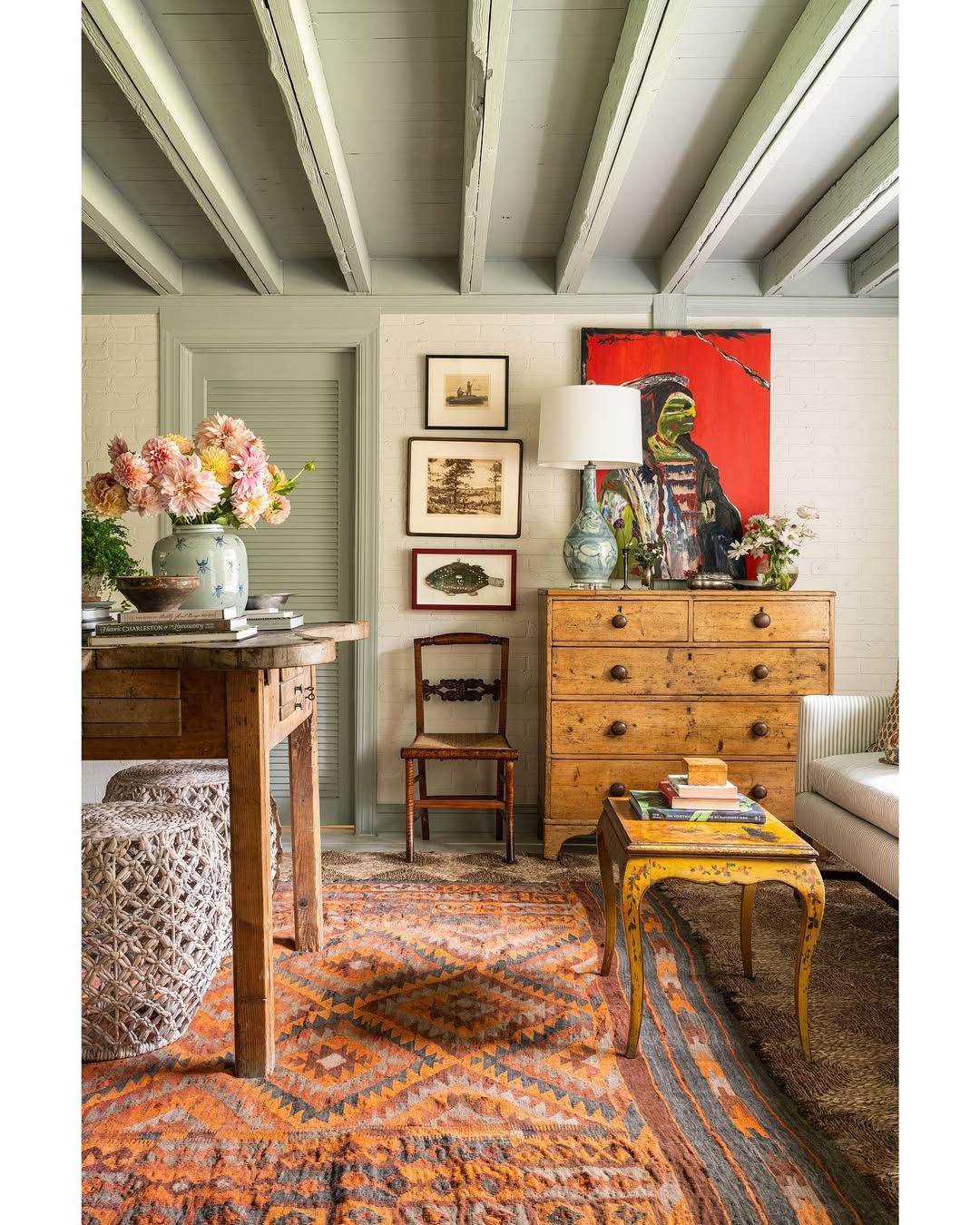
Table of Contents
The End of Minimal, The Rise of Meaning: interior design trends that will last
2026 is upon us, and interior design continues its gradual shift away from hyper-minimal homes, pared-back spaces that sacrificed depth in the past decade. In their place, there’s a growing appetite for interiors that feel layered, personal, and genuinely lived in. In a world where external stimulation is at an all-time high, our homes are becoming quieter yet richer, more considered in every sense, with a focus on emotional comfort, slower living, craftsmanship, and a sense of story over fleeting impact.
The most important thing to remember about interior design trends for 2026 is that it’s not about reinventing the wheel. They’re about redefining it using better materials, embracing character, and designing with longevity in mind. This year is less about what’s “in” and more about what actually lasts.
Designer tip:
Interiors are no longer just about how they look; they’re about how they feel, spaces with meaning, stories, and a sense of immersion that goes far beyond photographing well.
Trend 1: Modern Heritage Interiors
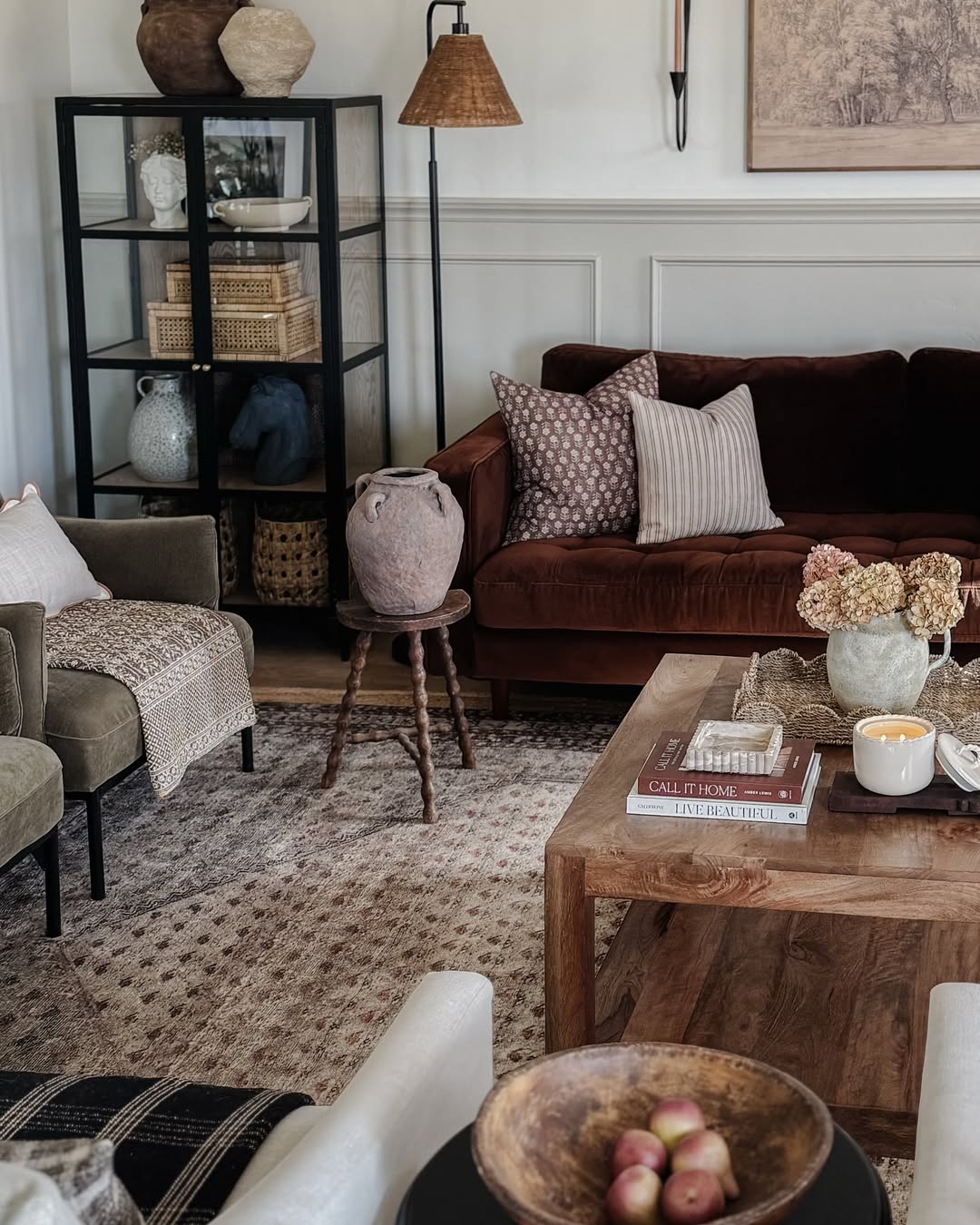
You’ll hear the phrase ‘modern heritage’ popping up a lot this year, and no, it’s not granny chic in disguise. This approach blends time-worn antiques and beautifully patinated pieces with clean, contemporary design, creating spaces that feel both grounded and current. Because the trend celebrates longevity, older pieces truly shine: crafted with superior materials and exceptional workmanship, they gain character and depth over time, offering a richness that can’t be replicated in new mass-produced items.
It’s also a win-win for sustainability and slow design. By giving pre-loved pieces a place in modern interiors, you reduce waste, honour craftsmanship, and embrace a more intentional, thoughtful approach to design, proving that style, heritage, and eco-consciousness can coexist beautifully.
Designer Tip:
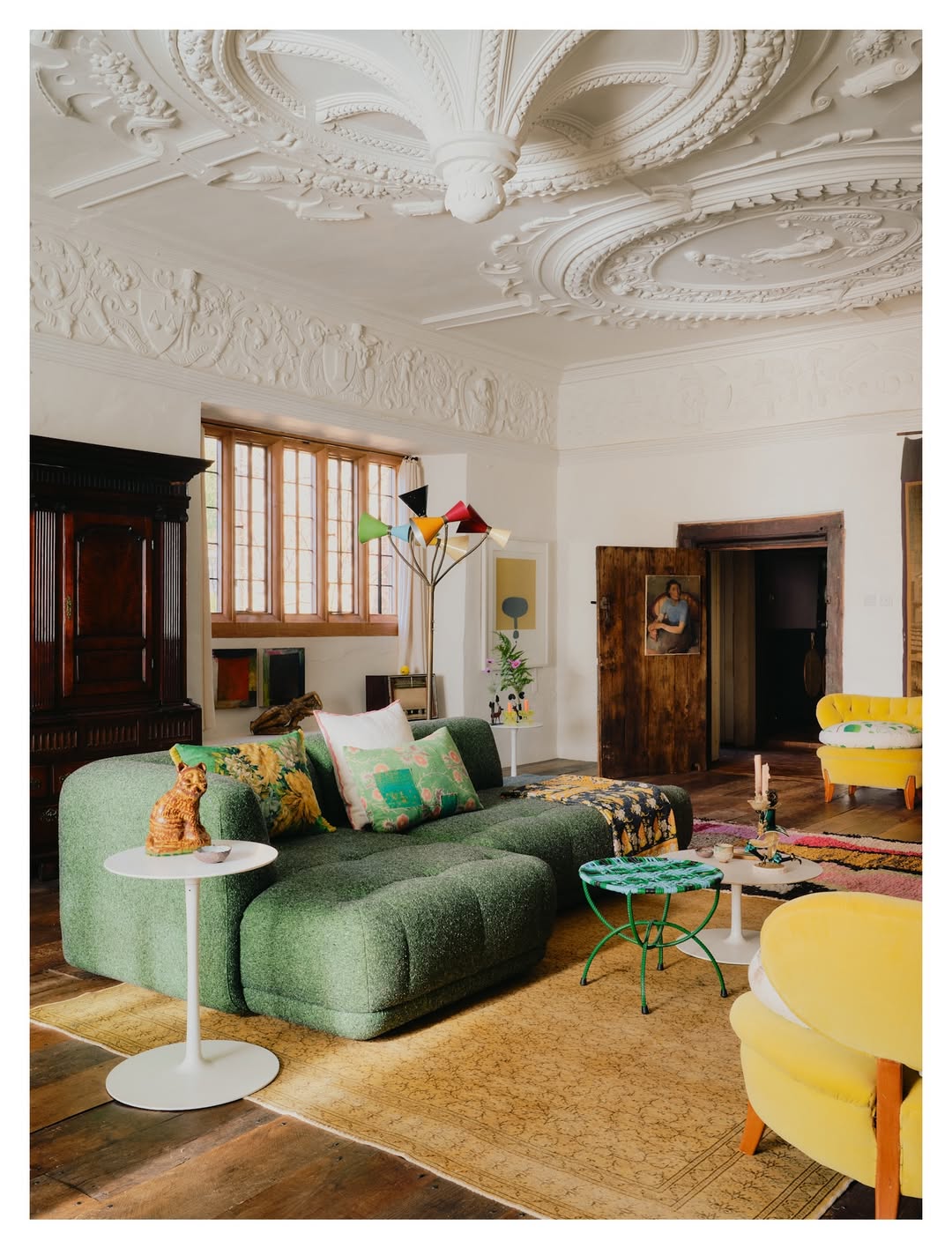
No need to go full period drama; hint at heritage with a single antique statement, sprinkle in a few playful faux antiques, and balance it all with one bold contemporary piece.
For a deeper dive, designer Mark Homewood’s Gaulden Manor is a masterclass in character-led interiors, where historic architecture, curated antiques, and contemporary pieces are thoughtfully layered, and many of these one-of-a-kind pieces are sourced and sold by Homewood himself, bringing story and soul into everyday homes.
Trend 2: Texture Over Colour
There are endless ways to layer texture into your interiors, on walls, floors, and furniture alike. Lime plaster gives walls a soft, matte, subtly luminous finish that breathes, ages gracefully, and brings an organic, timeless warmth. Clay finishes, on the other hand, wrap walls in earthy, tactile tones that connect you to nature and infuse a quietly grounded, biophilic calm. Aged wood, clay tile or stone floors set a neutral, tactile base, perfect for layering in character-filled pieces. When it comes to furniture, a touch of beading or carved detail can add unexpected visual interest. Texture isn’t just pretty; it adds longevity, creating depth, hiding wear, and keeping spaces feeling layered and engaging rather than flat or dated.
Designer Tip:
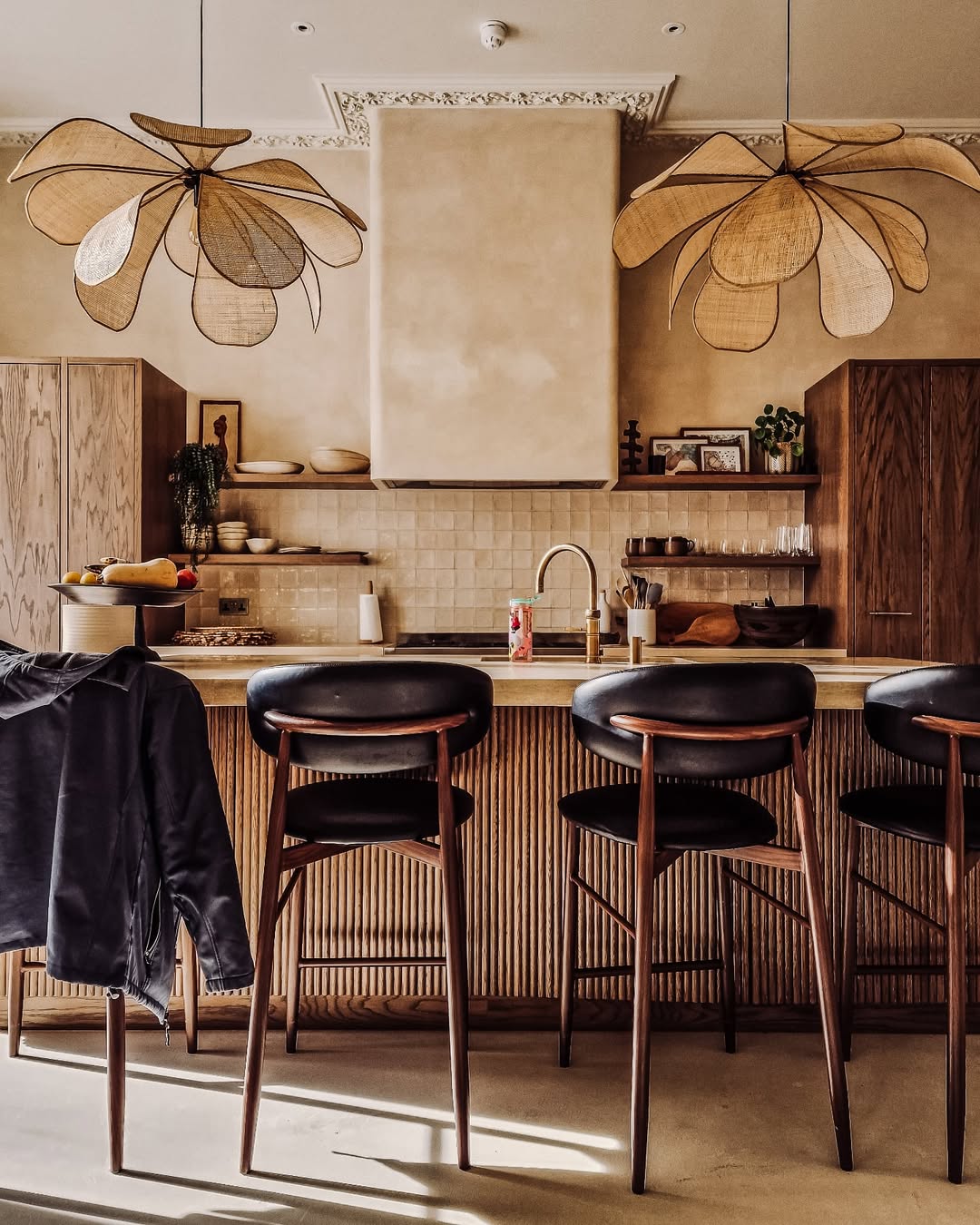
To layer texture without clutter, start with a neutral tactile base like lime plaster, clay, or aged wood. Mix scales thoughtfully, pair large, soft textures with small, detailed ones and keep your palette to two or three key materials. Anchor textured pieces with smooth surfaces, layer gradually, and repeat textures subtly to create a cohesive, layered look that feels rich but never chaotic.
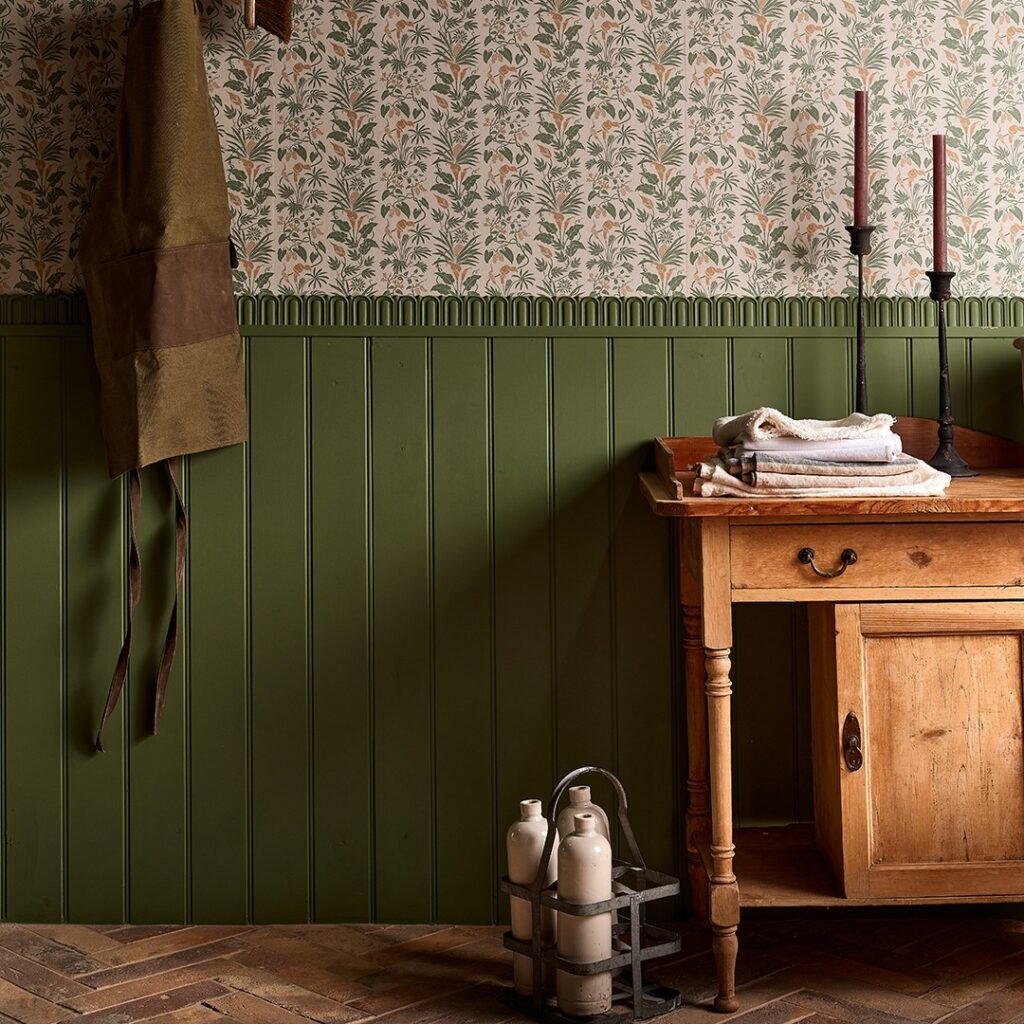
Texture shines on walls, doors, and built-ins, and DecWood is a dream; its molded beading and carved details effortlessly elevate doors, walls, and furniture with instant character.
Source: DecWood
Trend 3: Warm Woods & Honest Materials
Interiors are stepping away from grey-washed woods and embracing nobler species like walnut and oak, along with the rich patina of reclaimed timber. As perfection fatigue sets in, there’s a renewed love for the imperfect, celebrating visible grain, natural variation, and the beauty of a few well-earned flaws.
Designer Tip:
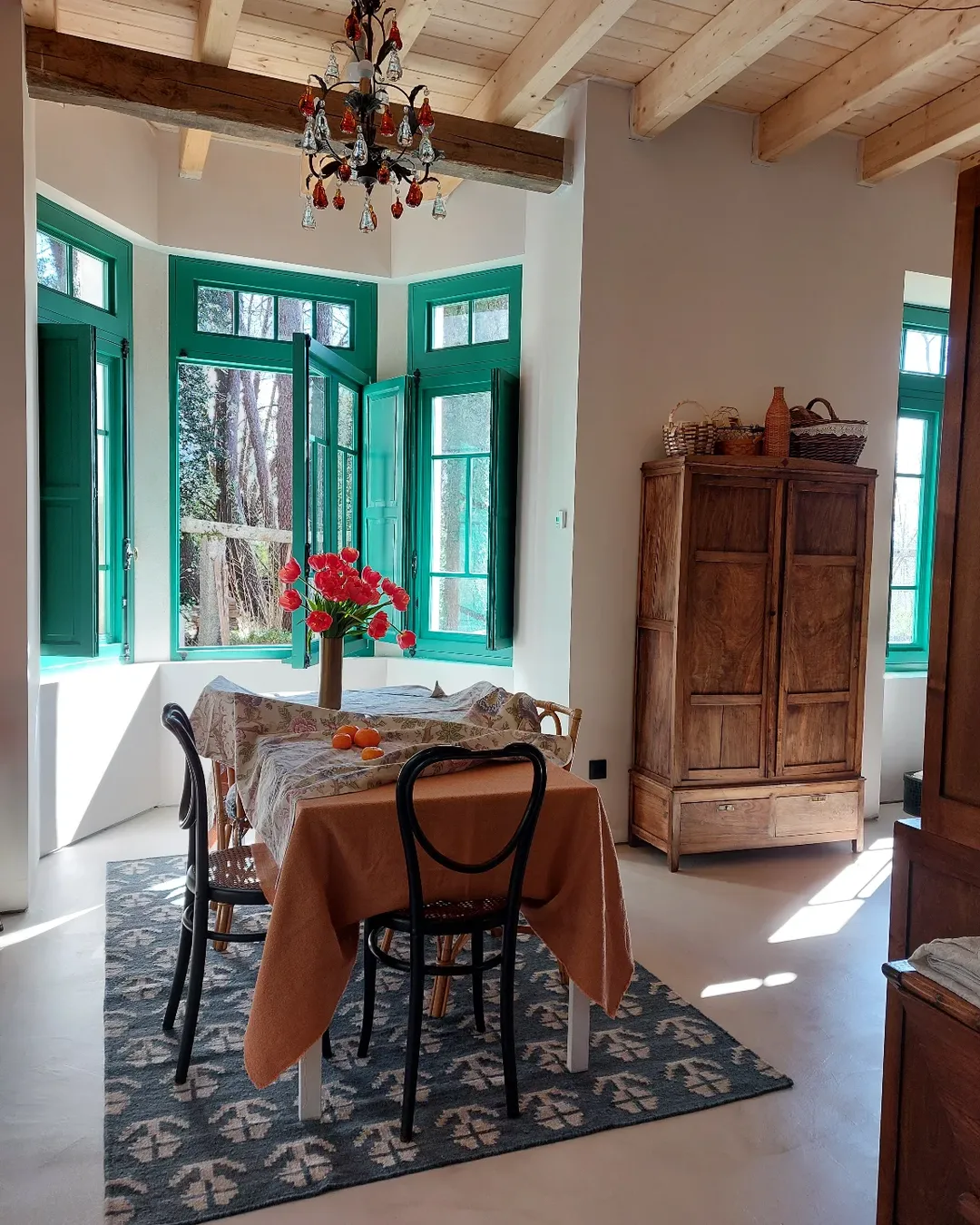
This elegant 1916 home on the outskirts of Coruña, in northwest Spain, is a beautiful example of this year’s move toward mixing wood types across both structural elements and furniture. By letting materials age naturally and celebrating their grain, the result is a layered, character-rich interior with depth that only gets better over time.
Trend 4: Quiet Colour, Confident Use
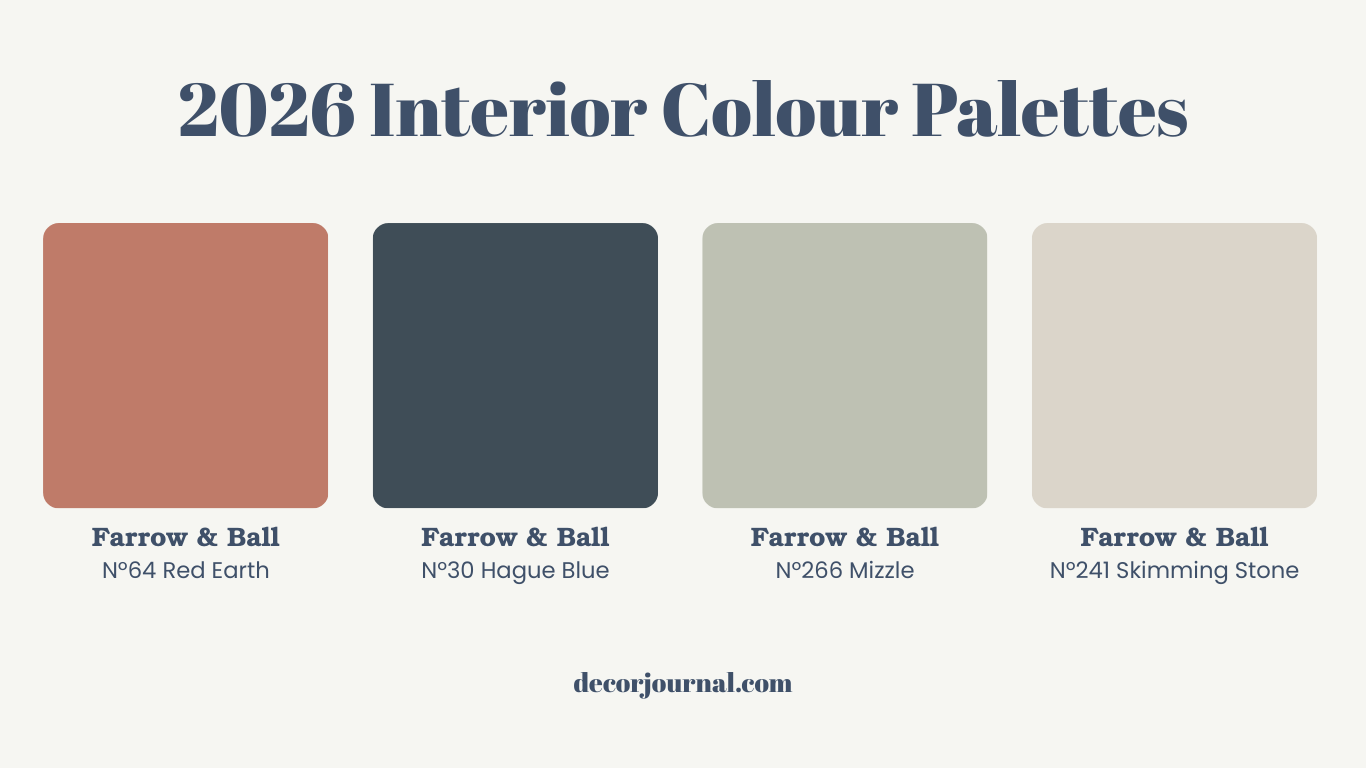
Colour trends this season love a little drama with a grounded sidekick; earthy reds, inky blues, muted greens, and mineral tones play beautifully together. Go bold where it counts: make a statement architecturally by bringing colour to door trims, cabinetry, and other built-ins.
Designer Tip:
Colour makes the biggest impact with the least commitment when you use fewer tones; strategic restraint always beats bold everywhere.
Trend 5: Statement Doors & Architectural Details
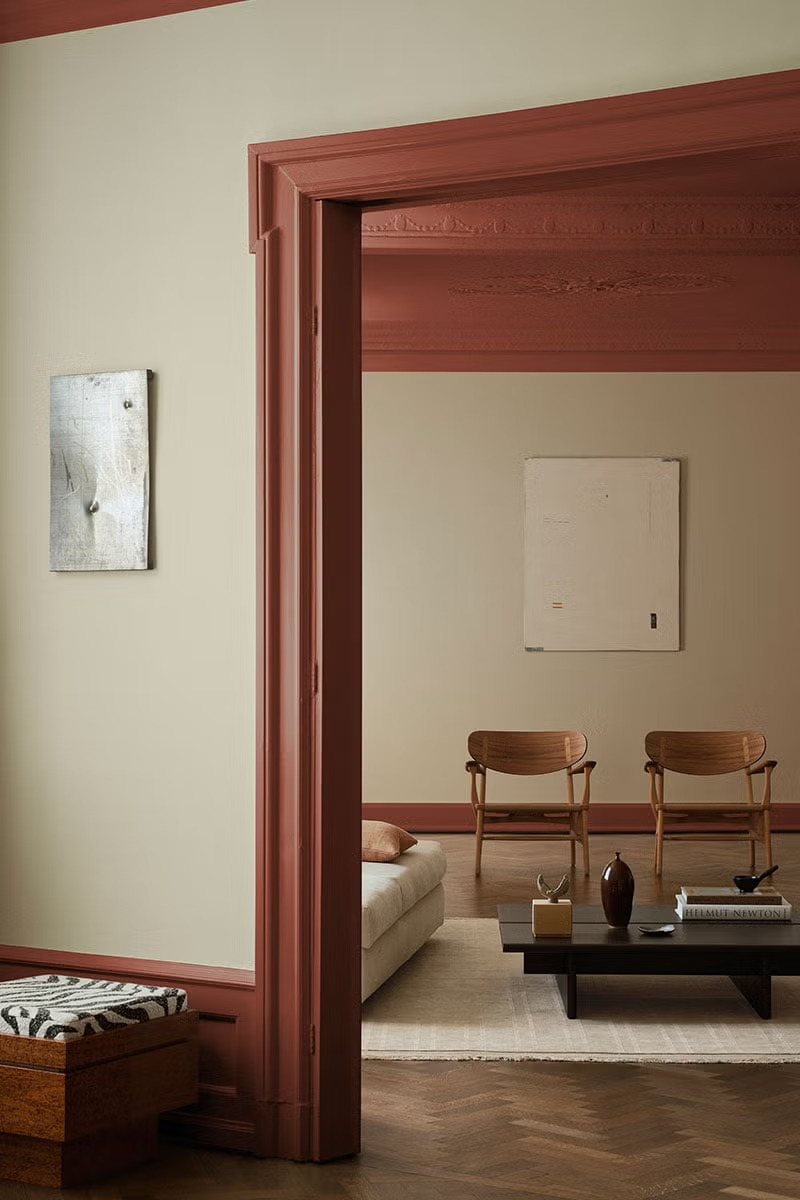
Anyone who knows me knows I can’t stop talking about accent doors; well, this year I’m finally taking my own advice when I redecorate my main living area by incorporating this interior design trend. I’m excited to incorporate some unique designs that truly reflect my personality. The right accent door can transform a space, adding both character and warmth, and I can’t wait to see how it all comes together. Whether you go bold with colour, add panels, extra moulding, or fluted glass, make sure your doors are a true design feature, not an afterthought.
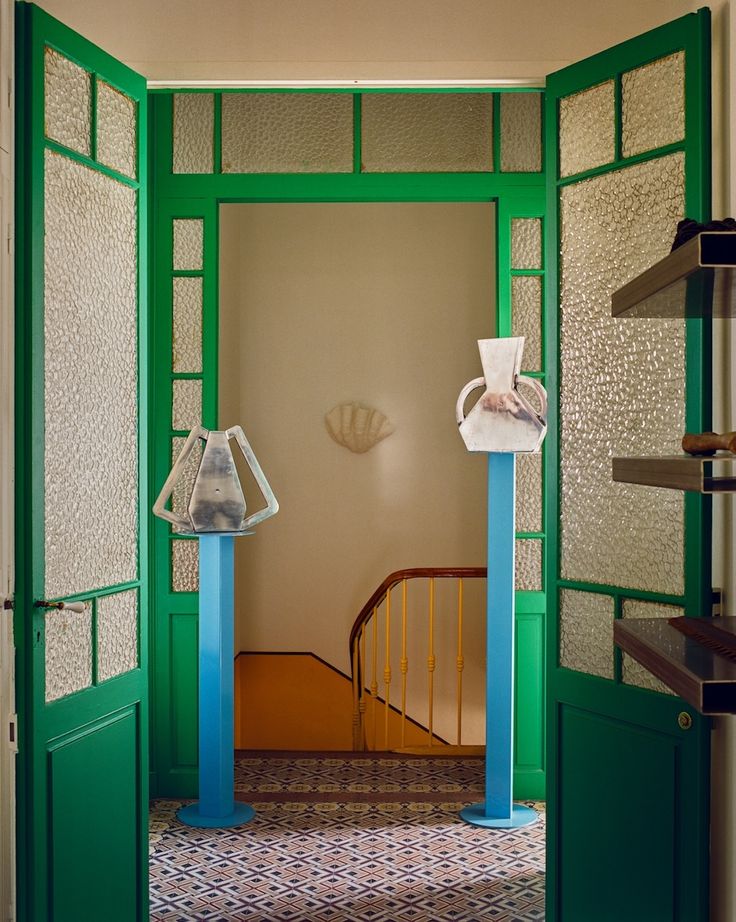
Designer tip:
Elevate a space without structural work. Let your doors do the heavy lifting; they’re the unsung heroes of interiors.
Trend 6: Handmade & Artisan Pieces
In 2026, ceramics are leaning firmly into nature, with more biophilic, almost primitive forms taking centre stage. Artisanal finishes reign, celebrating texture, irregularity, and the beauty of the handmade over polished perfection. Large-format tiles and slabs continue to dominate for their seamless, spa-like calm, while fluted, ribbed, and softly sculptural surfaces turn walls and floors into quiet architectural statements. There’s a renewed appreciation for handcrafted character too, imperfect glazes, subtle patterning, and tactile finishes that feel personal, grounded, and quietly expressive rather than overly decorative.
When it comes to textiles, think heritage layering: Welsh wool woven tapestry blankets, rich in history and pattern, bring warmth, storytelling, and a sense of timeless comfort, proof that the most compelling interiors are those that feel collected, not curated.
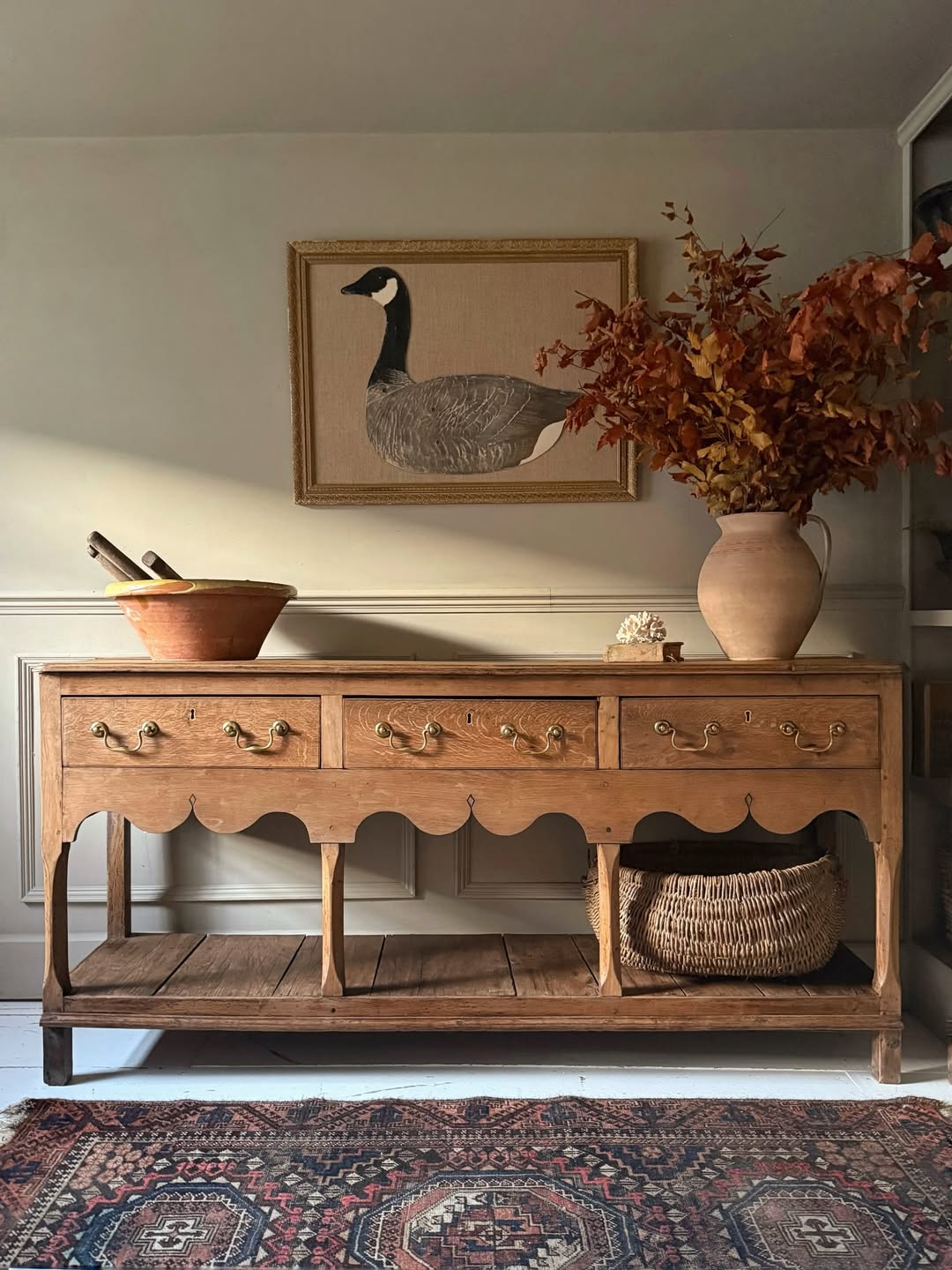
Designer tip:
It’s time to step away from ‘shopping the look’ and trust your own style instincts. Aim for one meaningful, handmade piece per room, “aim” being the operative word, because a little temptation is all part of the design journey.
What’s Quietly Fading in 2026 Interior design Trends
The design gods have spoken, and they bring no judgement, only gentle guidance. Their golden rule? Trends aren’t rules; they’re signals. The message this season is a soft shuffle away from boucle everywhere (they still adore it, just in moderation), a quiet rebellion against Pantone-led panic, and a reminder that all-white interiors, Cloud Dancer included, might be doing your nervous system no favors. Fast furniture with no story is big and non-negotiable. There are mountains of beautiful second-hand pieces out there, patiently waiting to be re-loved in a new home.
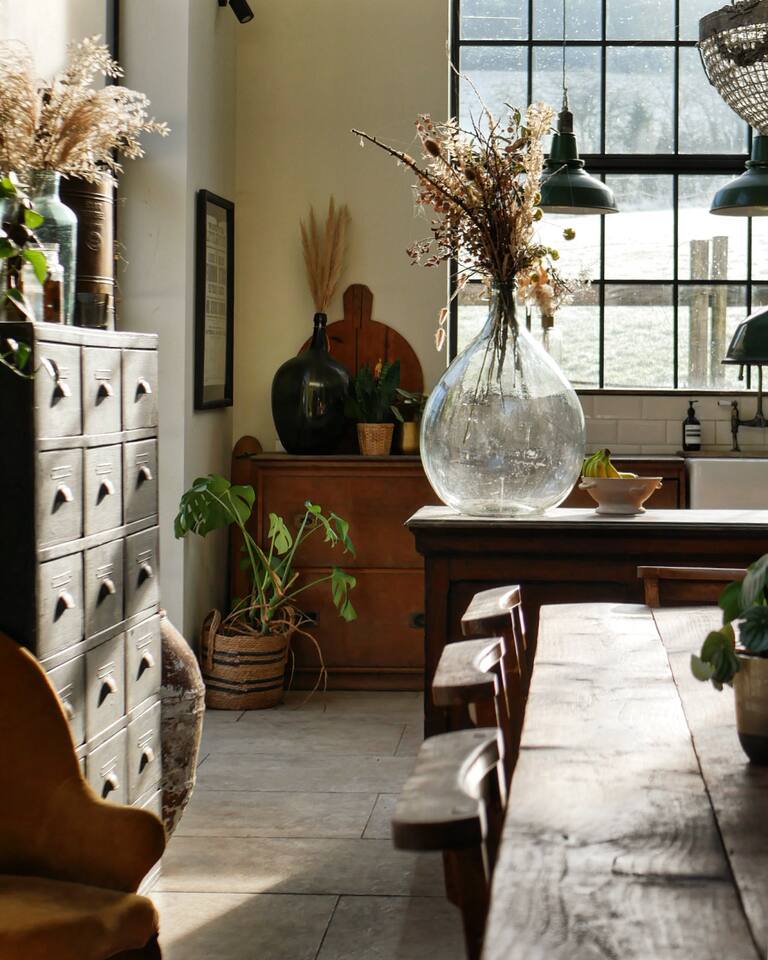
Designer tip:
Not wrong, just tired when overused. A gentle edit, a fresh context, or a lighter hand is often all it takes to bring it back to life.
How to Use Trends Without Dating Your Home
Invest in structure, not gimmicks. Get the bones right – the joinery, proportions, and materials – and your space will quietly outlast any passing trend without trying too hard. Save trends for the easy wins: paint, textiles, and accessories. And above all, trust your style instincts over Instagram; you know your space better than anyone, and it deserves that confidence.
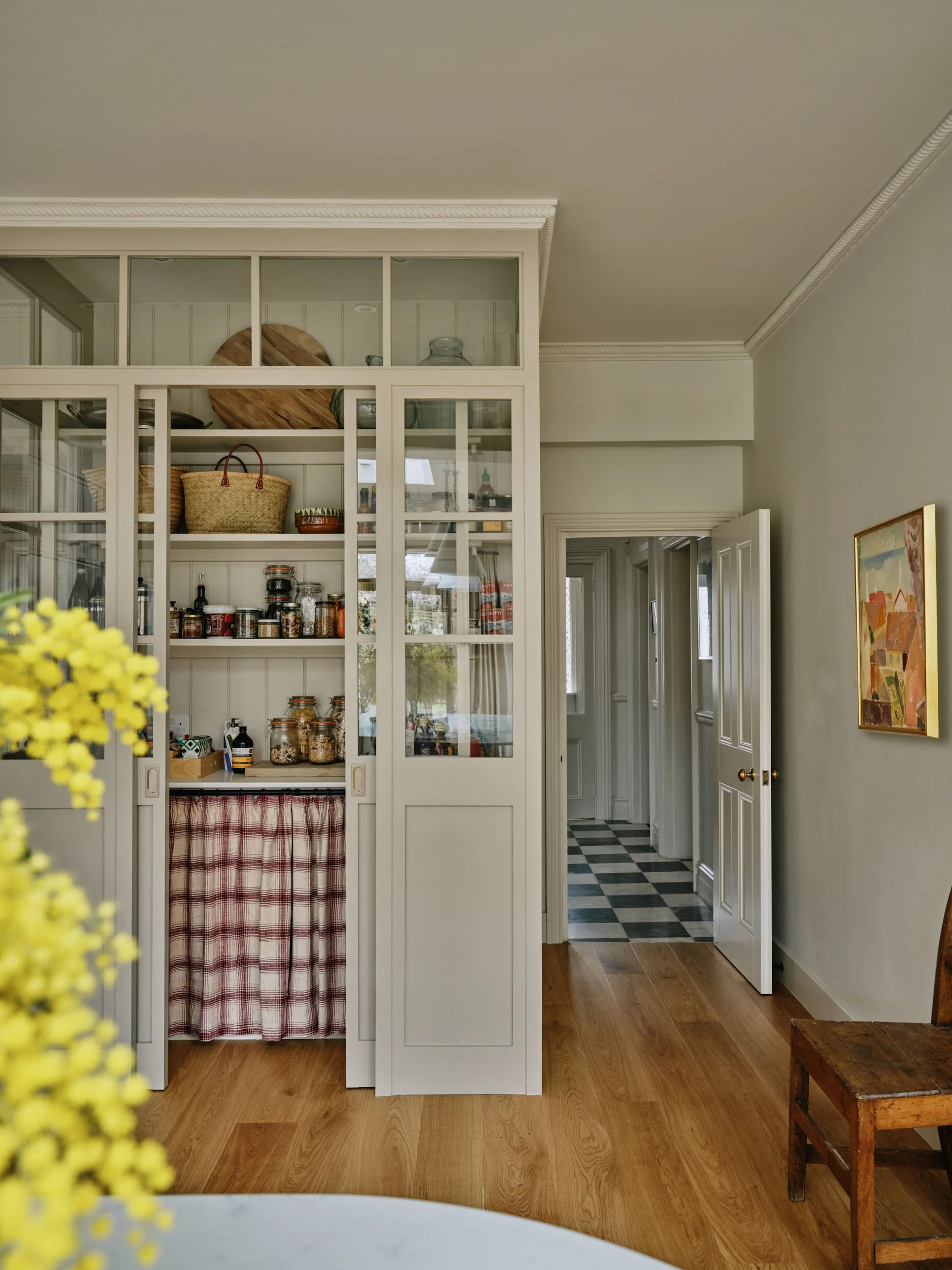
Designer mantra:
A well-designed home evolves, it doesn’t chase.
Final Designer’s Note
Trust your gut; this moment in design is all about layers, storytelling, and texture. It’s a gentle shift toward the personal, celebrating the patina of a life well lived. Good design is always personal, so embrace what makes your space, and you, unique. Still hunting for inspiration? These posts on Welsh woven blankets, freestanding kitchens, and vinegar pots might just be the fairy godmother nudge your interiors have been waiting for.