
If you’ve read any of my previous posts, you’ll know I have a completely unapologetic crush on heritage textiles, and Bulgarian shevitza wool blankets have firmly secured their place in my personal fantasy league of woven wonders.
Bulgarian wool weaving is one of the country’s most enduring craft traditions: practical, symbolic, and deeply rooted in region. These blankets are typically made from weighty, locally gathered wool, traditionally sourced from mountain shepherd communities.
As with all heritage textiles, they were never designed as “statement pieces.” Their almost primitive roots derive from a need for warmth and later dowries for daily life. And yet here we are, layering them into contemporary interiors because they bring something many modern spaces quietly crave: depth, authenticity, and a sense of continuity.
They are a reminder of the past, taking us back to the basics, and an echo of slower, more thoughtful times. A very prominent recurring theme in interior design.
Some trends shout. Heritage just settles in and stays.
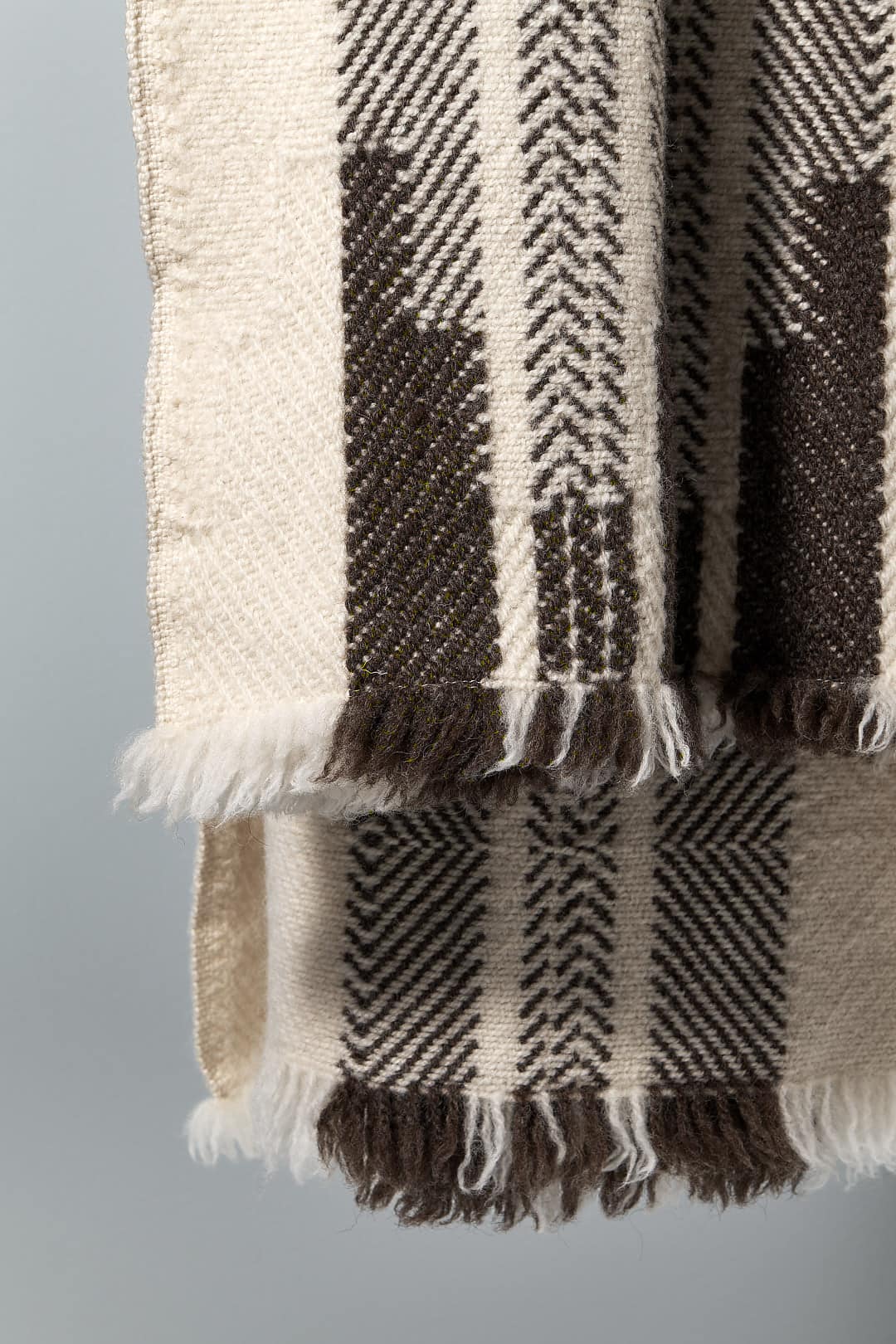
Table of Contents
The History of Bulgarian Shevitza Wool Blankets: Tradition, Symbolism and Regional Craft
When I write these posts, I don’t just dip a toe in; I disappear down a full-blown research rabbit hole. And somewhere between folklore archives and textile forums, I found myself mildly confused.
Because “shevitza” technically refers to embroidery. And these beautifully weighty, rustic blankets do not have a stitch of embroidery in sight.
Thankfully, the lovely people at Rodopska Takan rescued me from my spiral.
Traditionally, shevitza describes Bulgarian embroidered ornamentation found on folk garments, most famously on women’s shirts and ceremonial dress. The word is closely associated with hand embroidery, rich in geometric symbolism. As with so many historic textiles, these motifs weren’t purely decorative; they were believed to protect the wearer and invite health, prosperity, and strength.
But here’s where it gets interesting.
The visual language of shevitza, those bold, symbolic geometries, wasn’t confined to embroidery. In rural regions where wool weaving was part of everyday domestic life, the same patterns were translated into woven textiles. Not stitched on afterwards, but built directly into the fabric structure itself.
The more rustic Bulgarian blankets we see today are inspired by that woven tradition. They reflect village craftsmanship at its most practical and poetic: symbolism, geometry, and natural wool combined into blankets, rugs, and household coverings designed for real life.
They feel more architectural than their delicate embroidered counterparts. Heavier. Grounded. Almost elemental and earthy. And yet they carry the same cultural DNA, just expressed through structure rather than stitch.
Which, as far as I’m concerned, makes them even more fascinating.
From Mountain Pastures to Loom: The Roots of Bulgarian Wool Weaving
Weaving is often described as old as the hills, and while that may be slightly dramatic, it’s not far off. It appeared in Europe some 10,000 years ago, which firmly places it in the pre-Instagram era of craftsmanship. In Bulgaria, weaving skills, particularly those of women, were passed carefully from generation to generation and refined slowly, deliberately, without trend forecasts or seasonal palettes.
Nestled within the Rhodope Mountains, shepherding has shaped daily life for centuries. And where there are sheep, there is wool, thick, resilient, and perfectly suited to mountain winters. Weaving here wasn’t an aesthetic hobby; it was intelligent necessity. Blankets, rugs, and coverings were made for warmth, for dowries, and for homes built to endure both climate and time.
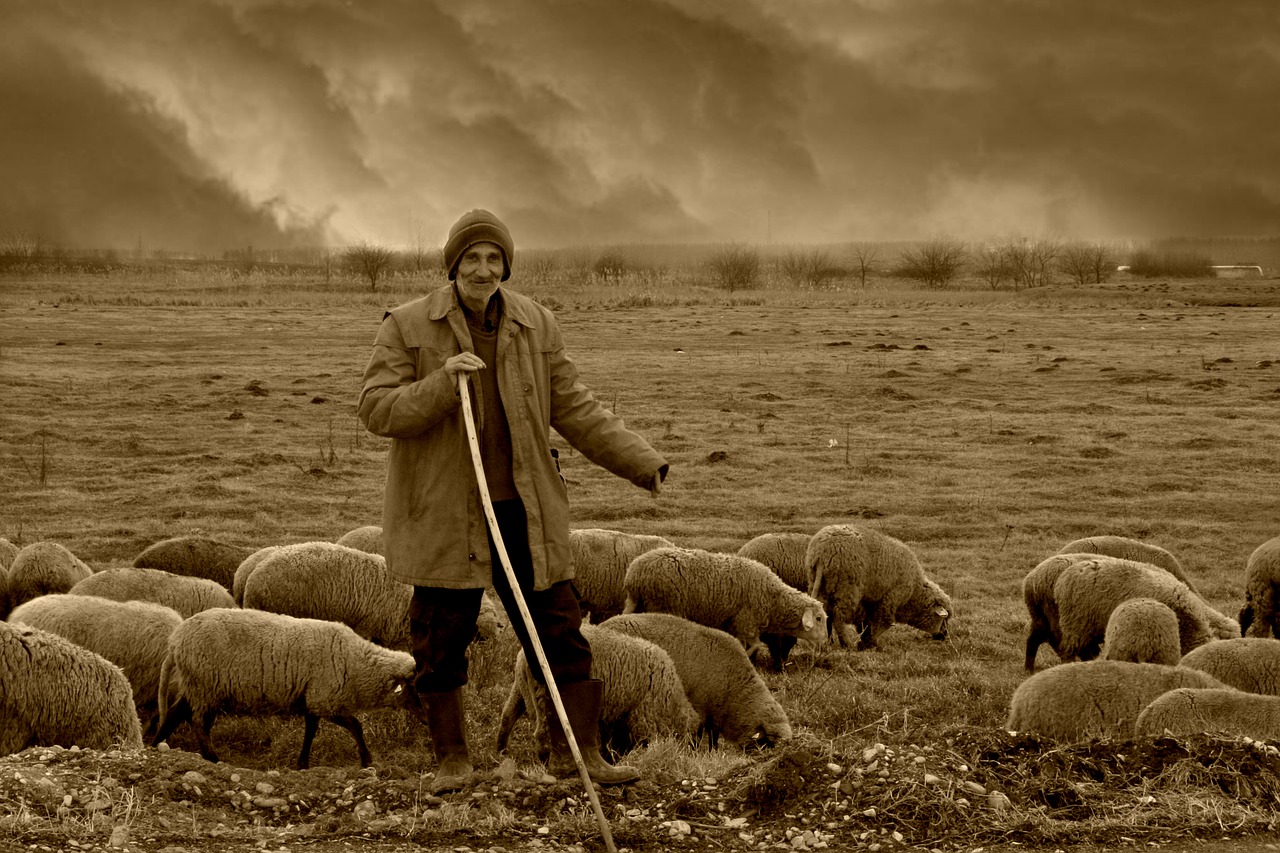
Geography quietly directed the craft’s evolution. Remote villages preserved techniques and symbolic motifs that might otherwise have softened under urban influence. Looms stood in domestic spaces. Patterns lived in muscle memory. Weaving wasn’t separate from life; it was embedded within its rhythm.
Today, companies such as Rodopska Takan are actively preserving both traditional manufacturing and sheep breeding in the Rhodope region. They champion the value of natural fibers while supporting the revival of the Karakachan sheep, a rare Bulgarian breed that came dangerously close to extinction only a few years ago. Ethical sourcing here isn’t a marketing phrase; it’s a commitment to biodiversity, local livelihoods, and long-term stewardship.
The result is textiles that feel grounded and elemental, shaped as much by altitude and weather as by culture and symbolism. The Rhodope Mountains didn’t simply supply the wool; they shaped the identity of the weave itself and continue to do so in a modern era crowded with fast fashion and fleeting trends.
The Enduring Benefits of Natural Wool
In a landscape increasingly dominated by synthetic fibers, clever, engineered, and full of technological promise natural materials like wool have quietly slipped down the priority list. In our fast-paced, convenience-driven culture, ease tends to win. Wash, dry, done. No questions asked.
Wool, meanwhile, has acquired something of an unfair reputation. Somewhere along the line it was labeled high-maintenance, a temperamental diva of the textile world. Many of us have at least one cautionary tale involving a once-perfect jumper and an overconfident encounter with a washing machine, now reduced to something that would generously fit a well-insulated Barbie.
But the truth is, wool isn’t dramatic. It’s just honest. It asks for a little respect, lower temperatures, and gentler handling in exchange for longevity, performance, and depth that most synthetics simply can’t replicate. In an era of speed, wool feels slower. And perhaps that’s precisely the point.
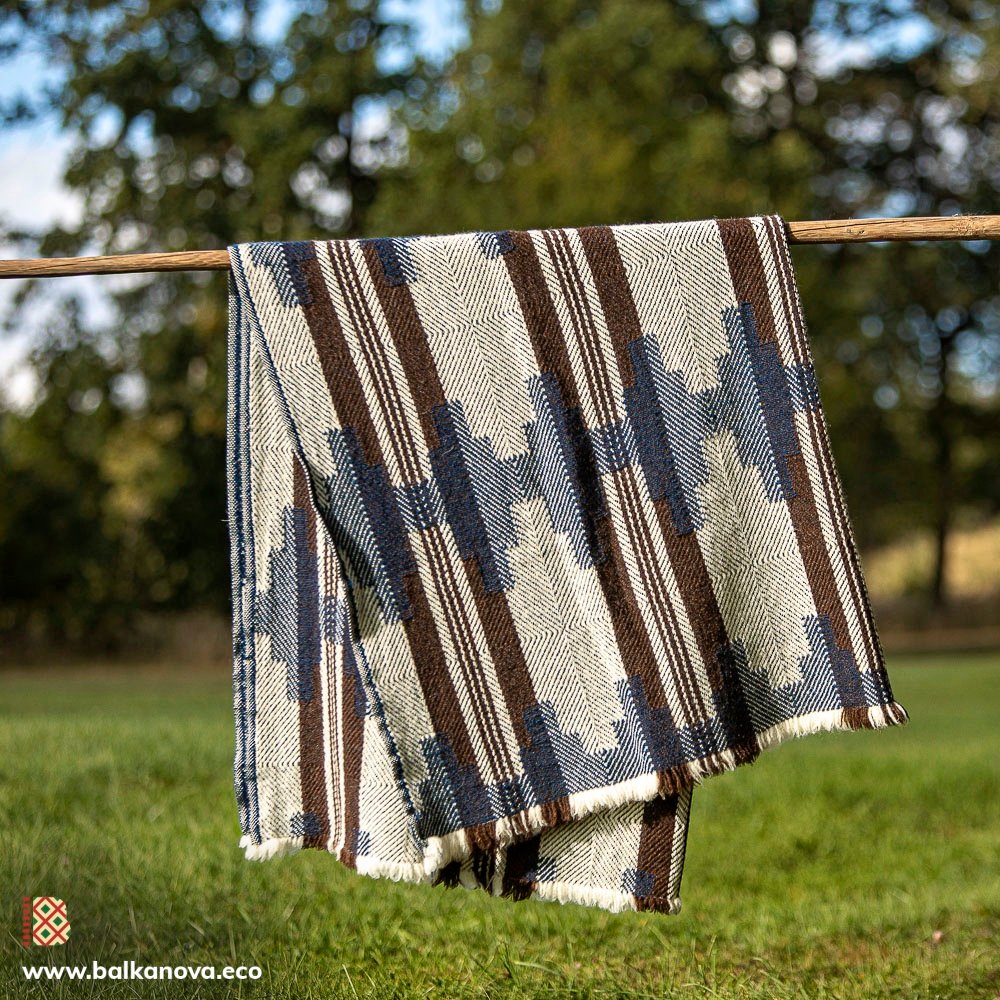
Naturally Insulating
It’s high time we stopped holding a decades-old laundry incident against wool and started appreciating what it actually does rather brilliantly. Yes, it can shrink if you mistreat it. So can cashmere. So can your patience. Let’s move on.
Wool is, quite frankly, nature’s own thermostat. It regulates temperature in a way most synthetic fibers can only pretend to. It keeps you properly warm in winter yet remains breathable enough to prevent that stifling, overheated feeling. In interiors, that means blankets and textiles that deliver real, physical comfort, not just something pretty draped at the end of a bed for visual effect.
And if you happen to be enduring those insufferable menopausal hot flashes that arrive uninvited and dramatically overstay their welcome, wool is still your friend. It insulates without suffocating, warms without trapping heat, and adjusts with you rather than against you. In short, it’s not temperamental. It’s intelligent. And frankly, we could all use more of that in our homes.
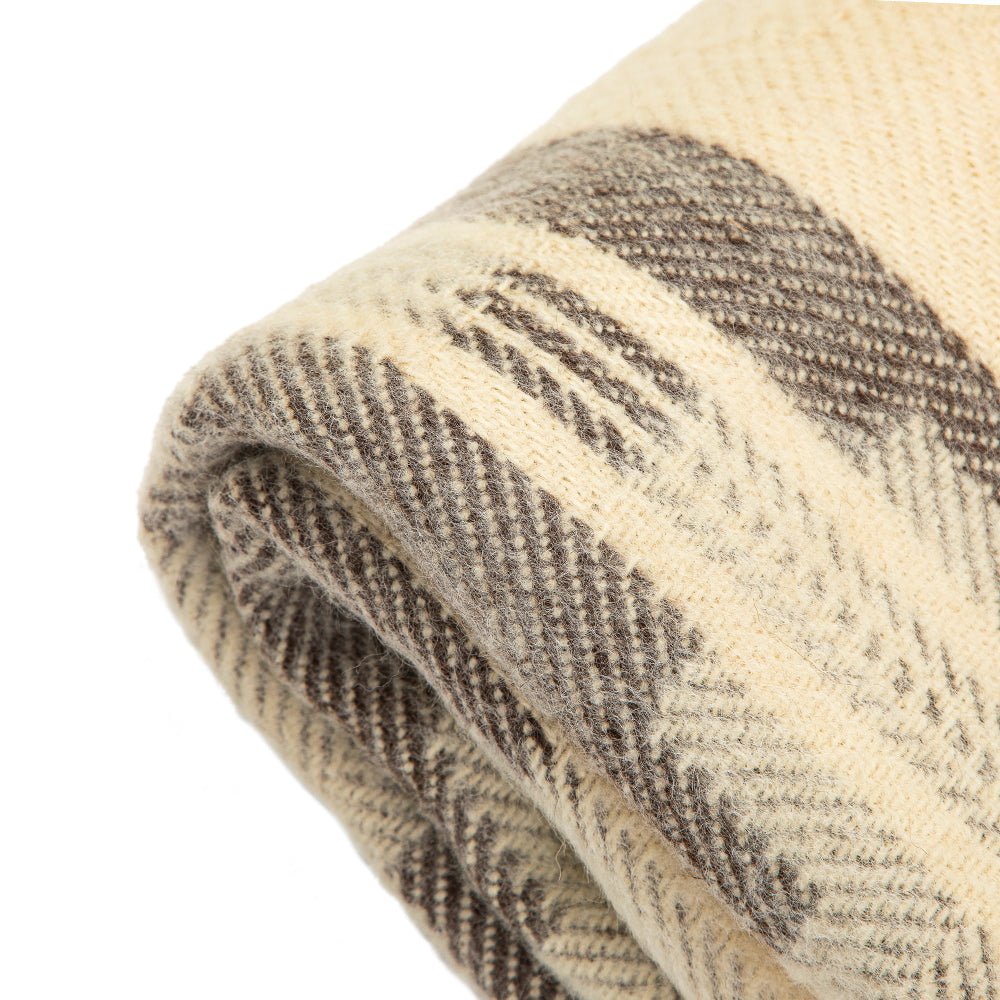
Breathable & Moisture-Regulating
And the benefits don’t stop there. Wool is made up of breathable, moisture-regulating fibers that can absorb humidity without ever feeling damp, which, when you think about it, is quietly genius. Nature really does design the best systems. It draws in moisture when there’s excess in the air and releases it back when conditions shift, helping to balance the indoor climate in the most understated way, resulting in spaces that feel comfortable rather than clammy. Layered rather than heavy. It’s the kind of performance you don’t necessarily see but you absolutely feel.
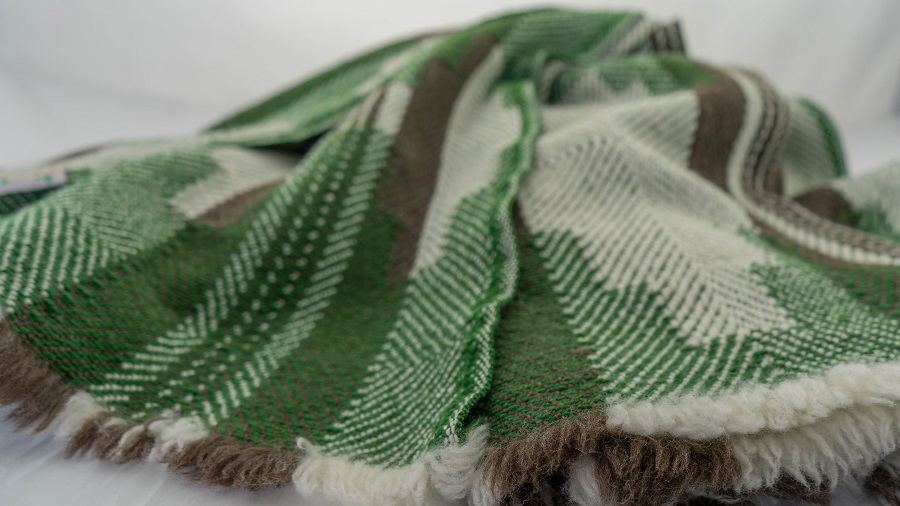
Durable & Long-Lasting
Wool blankets are the definition of a true investment piece. Thanks to their naturally elastic, resilient fibers, they spring back rather than crush, holding their structure and softness beautifully over time. This quiet durability is what makes them so remarkably long-wearing.
Properly cared for, a good wool blanket won’t just last a season; it will last decades, sometimes generations. The kind of piece that begins as a considered purchase and slowly, almost without you noticing, becomes part of the family story. Not trend-driven. Not disposable. Just timeless and built to stay.
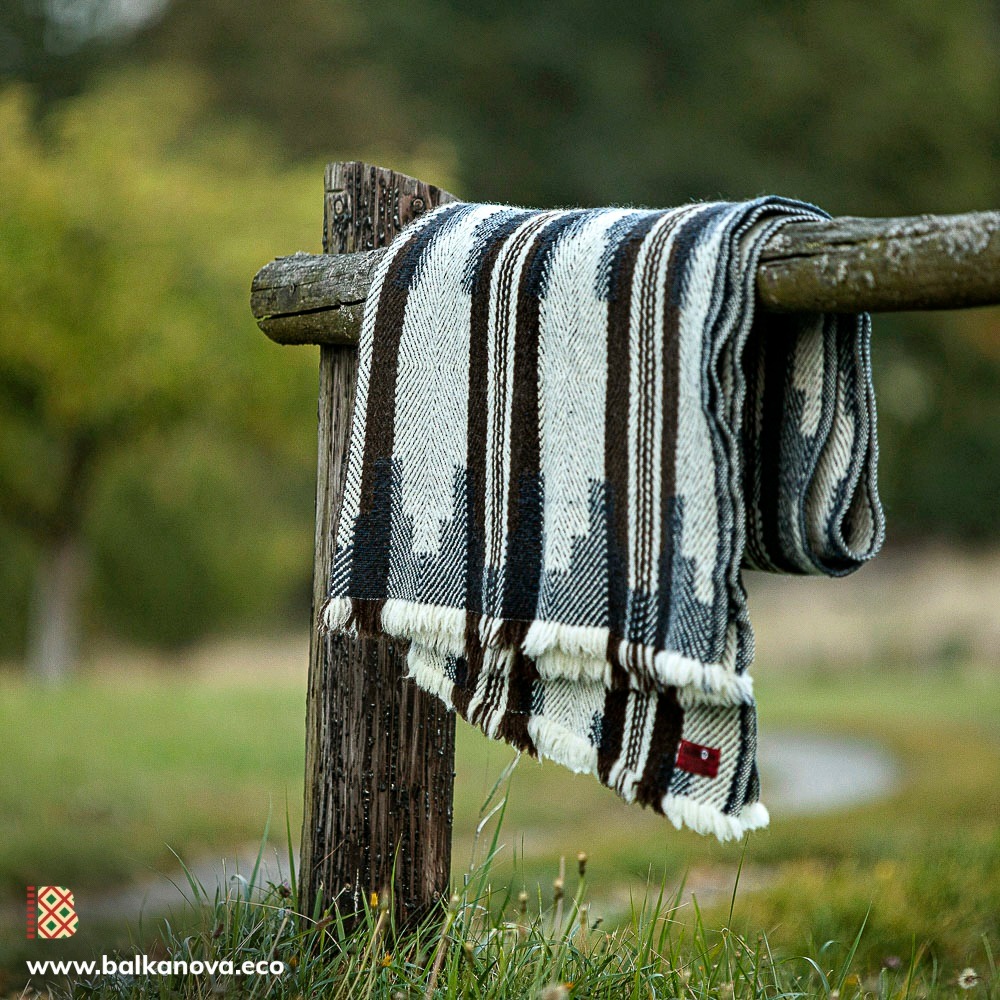
Naturally Fire-Resistant, Biodegradable & Renewable
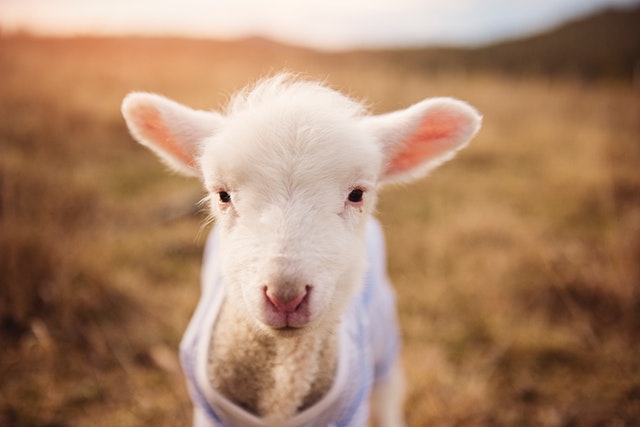
If you are OEKO-TEX certified conscious, unlike many synthetic fibers, wool is flame resistant without chemical treatment. It doesn’t melt or stick to skin, making it one of the safest natural textile choices. Wool is a renewable resource (sheep grow new fleece each year), and it biodegrades at the end of its life. No microplastics. No synthetic residue lingering for centuries. A win-win for you and the environment.
Hypoallergenic Properties & Aesthetic Depth
Wool resists dust mites and bacteria more effectively than many synthetic fibers, making it a strong choice for healthier interiors. From a design perspective, wool has a richness synthetics struggle to replicate. It holds dye beautifully, has natural variation, and brings texture that feels grounded and authentic.
In short, wool isn’t just nostalgic; it’s technically impressive. It performs quietly, sustainably, and beautifully, which is exactly why it keeps finding its way back into considered interiors.
Motifs and Symbolism in Bulgarian Shevitza Woven Blankets
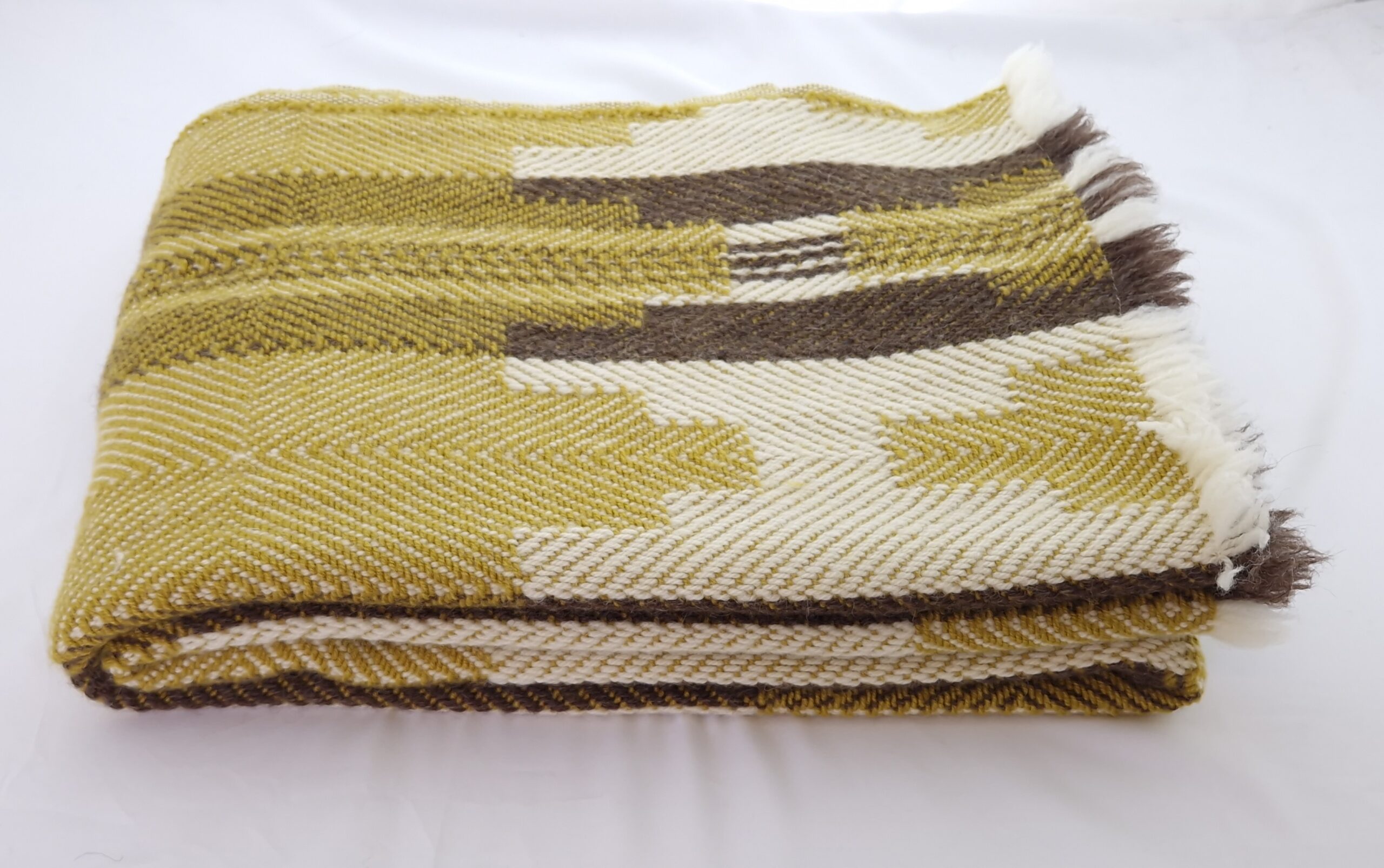
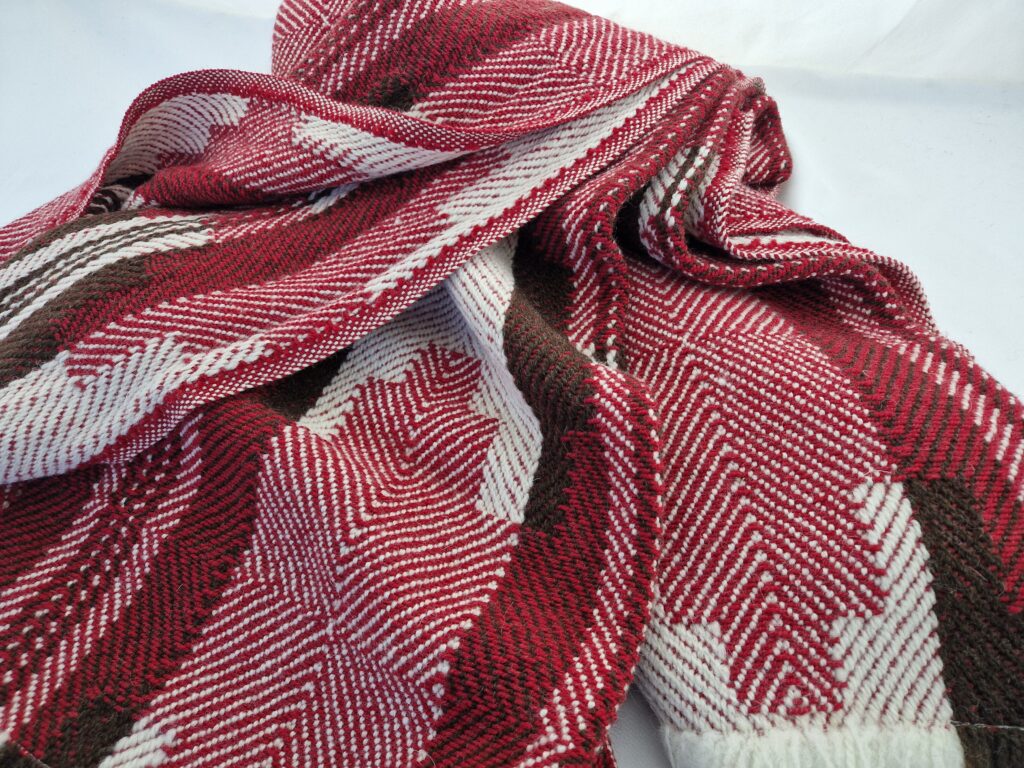
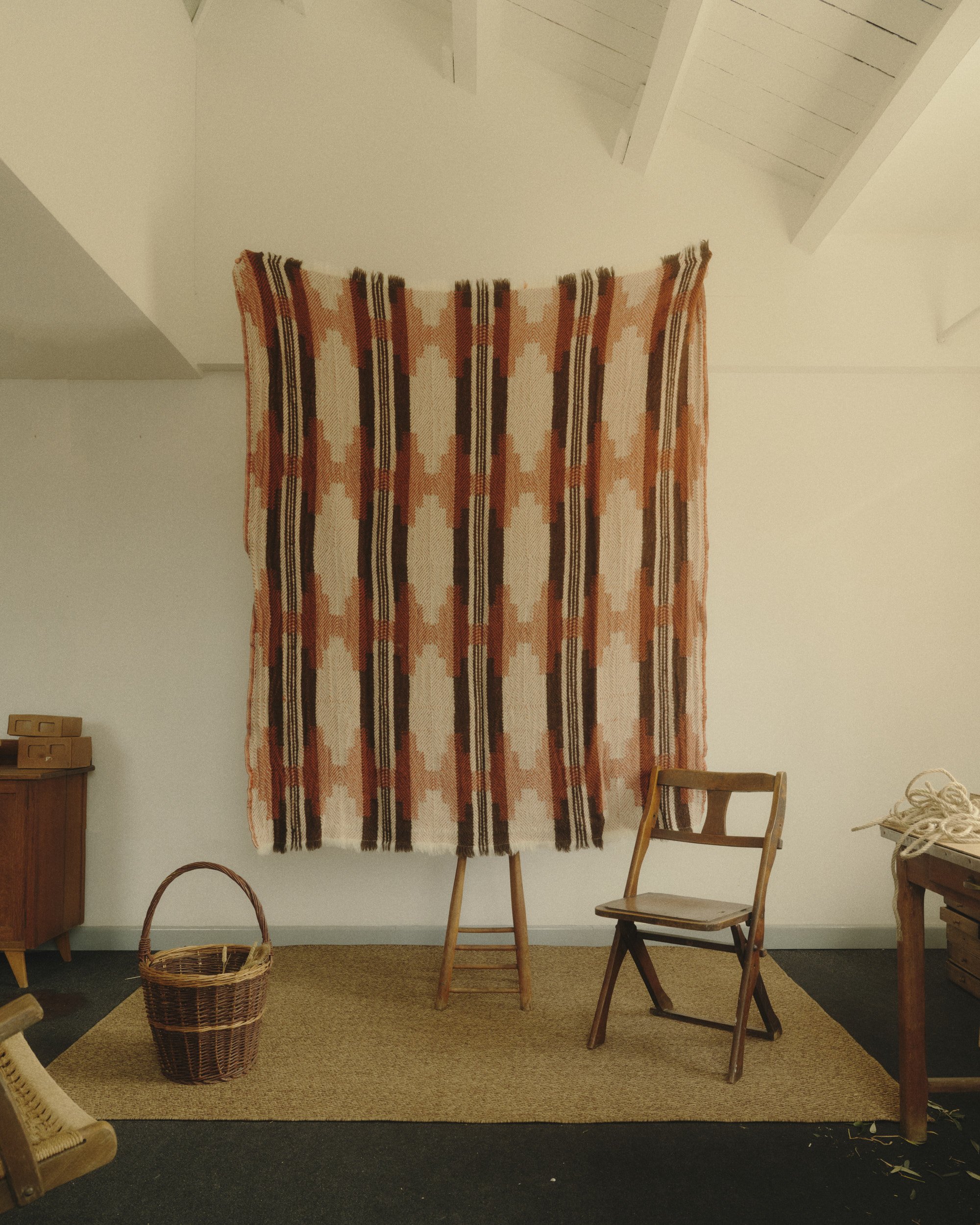
Bulgarian Shevitza woven blankets are more than just cosy textiles; they are rich canvases of tradition, culture, and storytelling. Each motif woven into a Shevitza carries a special meaning. Common geometric patterns, such as diamonds, triangles, and zigzags, often represent protection, fertility, and harmony. Floral and plant-inspired designs symbolise growth, life, and the deep connection to nature, while certain colour choices convey emotions or social messages passed down through generations.
These blankets are not only functional but also a way of preserving cultural identity, with each motif reflecting the local region, family heritage, or even personal stories of the artisan. In this way, Bulgarian Shevitza wool blankets are both practical objects and a symbolic tapestries, bridging past and present.
Bulgarian Shevitza Wool Blankets in Contemporary Interiors
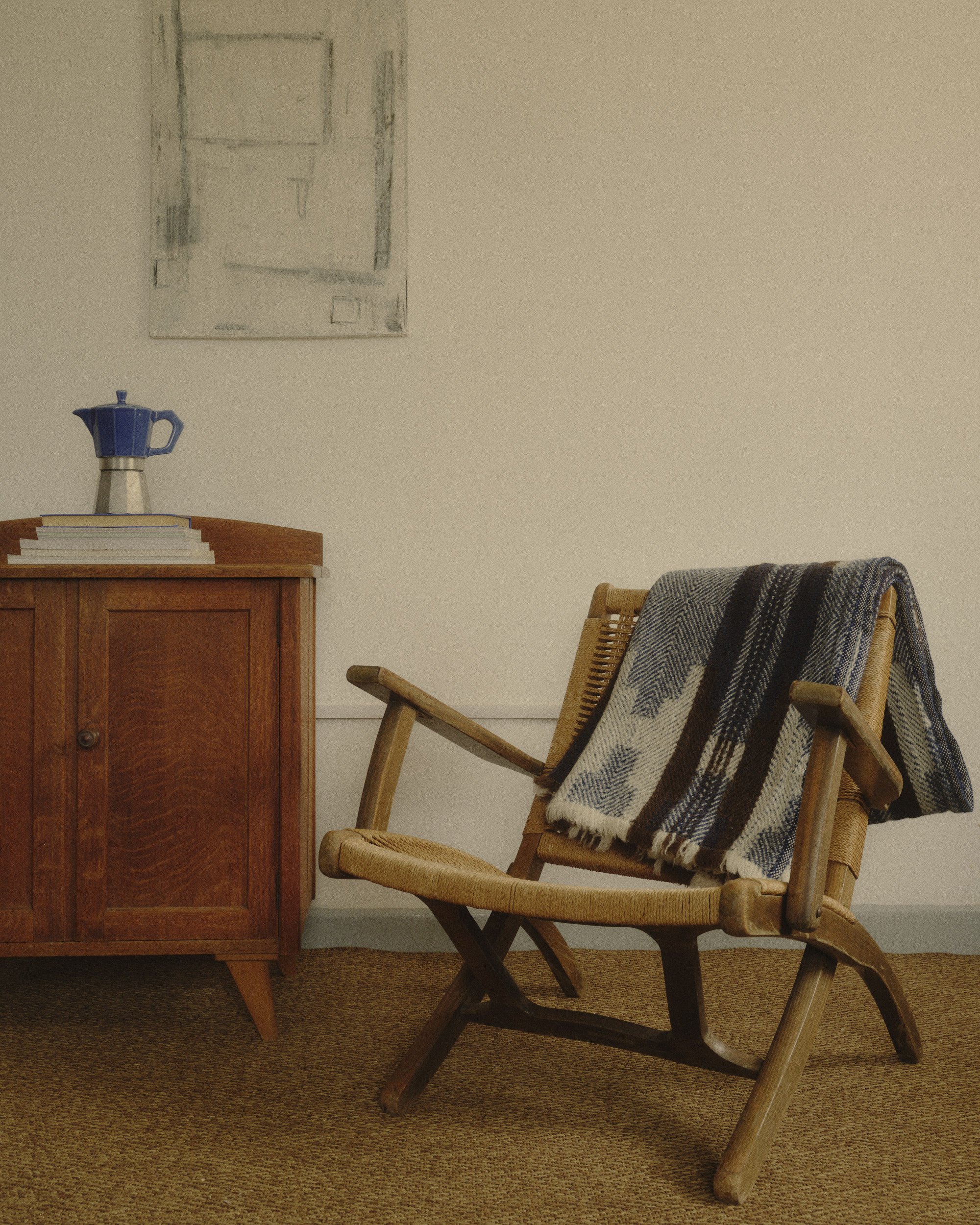
Bulgarian Shevitza wool blankets are incredibly versatile and can bring a touch of artisan charm to a variety of interiors. They add rustic warmth to mid-century spaces, beautifully contrasting with wooden furniture, while their geometric patterns play perfectly with the clean lines of that era. I can also imagine them in a modern, minimalist Japandi-style room, where their earthy, rustic colours introduce subtle biophilic elements that feel effortlessly natural.
These blankets are a fantastic way to layer heritage into contemporary interiors. Their handcrafted details bring depth, authenticity, and a sense of grounded simplicity to any space. Whether draped over a bed or sofa, or even hung as a statement wall piece, Shevitza blankets effortlessly add texture, warmth, and a timeless story to your home.
Tips for Buying Shevitza Blankets + Trusted Sources
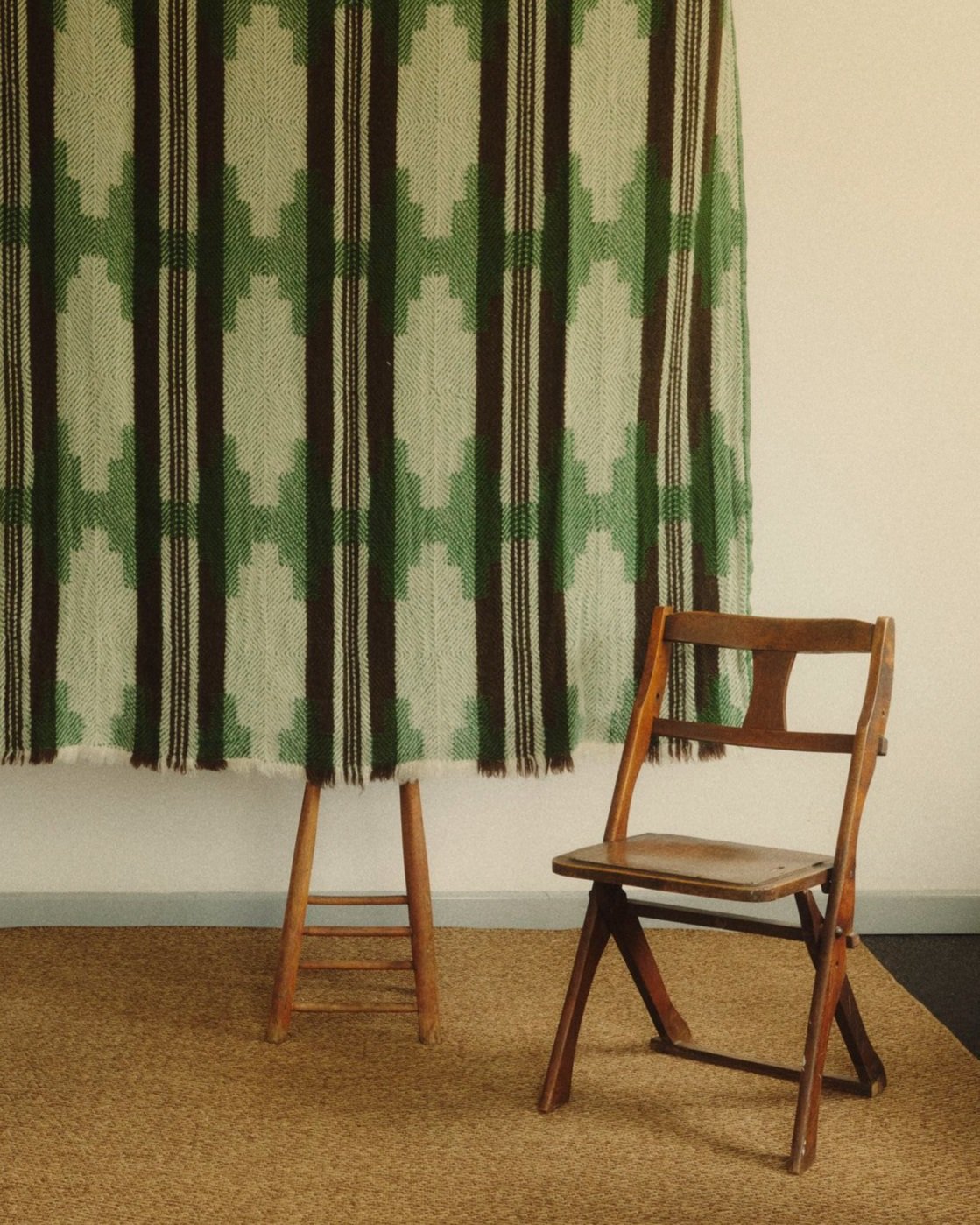
- Look for authenticity: Choose handcrafted pieces with traditional motifs and high-quality wool; they’ll last longer and carry the story of Bulgarian heritage.
- Check the craftsmanship: Pay attention to even stitching, vibrant colours, and the integrity of the patterns. Every detail matters!
- Ask about the maker: A quick chat about how the blanket was made can reveal its history and give you confidence in your purchase.
- Consider colour & style: Think about where it will live in your home – earthy, rustic tones for natural interiors, or bolder patterns as statement pieces.
- Trustworthy sources: Shop from reputable sellers who respect traditional techniques. A few I’ve found and love include curated heritage shops and artisan marketplaces that prioritise authenticity.
Rodopska Takan is a textile factory nestled in the picturesque town of Smolyan, in the heart of the ancient Rhodope Mountains. They have been crafting high-quality textiles that blend tradition with contemporary design since 1964.
Balkanova brings generations of Bulgarian wool craftsmanship to your home. From their grandfather’s first wool shop in the Rhodopes to today, they work directly with skilled weavers to offer authentic, handcrafted blankets and kilims, timeless pieces full of story, heritage, and natural charm. Their shop, steeped with the unique atmosphere of the Balkans, is located in the heart of Prague.
My Moka Home is a UK-based company bringing you the best of heritage and home comfort. From vintage Italian moka pots to authentic Bulgarian Shevitza wool blankets, every item is carefully sourced and crafted, perfect for adding warmth, style, and story to your home.
Bringing a Shevitza blanket into your home isn’t just about adding a beautiful textile; it’s about supporting makers, preserving tradition, and layering your interiors with history and heart.
Heritage in Every Thread: Celebrating Tradition
Supporting traditional makers is more than a nod to the past; it’s a way to keep extraordinary craftsmanship alive today. Bulgarian Shevitza wool blankets prove that heritage textiles have a place in modern homes, effortlessly blending rustic charm with contemporary style. They bring warmth, texture, and a story to every corner, reminding us that design isn’t just about aesthetics; it’s about meaning.
So take a moment to rediscover cultural textiles. Whether it’s a Shevitza blanket draped over your sofa, layered on a bed, or even framed as wall art, these pieces invite us to celebrate craftsmanship, honour tradition, and add a soulful, human touch to our living spaces.