
My living room is in desperate need of an overhaul, so this winter I’ve found myself creating and obsessing over different pink colour palettes. For years, I’ve loved my neutral off-white walls paired with dark olive green accents; it’s a combination that has always felt calm and grounding. But lately, I’ve been craving something warmer.
Pink has evolved far beyond its “girly” reputation and, in my view, has become one of the new neutrals in interior design. There’s a noticeable shift as designers move away from cooler grey tones and embrace warmer, more layered colours, and pink sits beautifully within that transition. From soft blush to earthy clay and muted rose, it’s a shade that works in far more spaces than just bedrooms.
In this post, I’m sharing some of my favourite curated pink colour palettes, along with styling ideas to help you use them confidently in your own home.

Table of Contents
Why Pink Colour Palettes Works in Modern Interior Design
When it comes to pink colour palettes, not all shades are created equal. From purple-toned and soft muted hues to warmer, orange-based shades, each undertone carries its own psychological impact, often far more than we realise.
Pink has long been linked to nurturing, compassion, love, and calming energy. It’s the softer counterpart to red’s passion, evoking warmth, hope, and playfulness. Lighter blushes can even reduce stress and anger, making them surprisingly versatile for interiors. While pink has historically been associated with femininity and youth, today’s designers are redefining it as a sophisticated, modern neutral.

I often pair soft pinks with deeper, unexpected tones like olive, burgundy, charcoal, or rich browns. Resulting in a refined, layered look that elevates both colours and leaves the outdated “little girl’s bedroom” stereotype far behind.
Whether you’re refreshing a living room, bedroom, or even a kitchen, understanding pink undertones is key to creating interiors that feel both warm and timeless.

How to Choose the Right Shade of Pink
As with all colour, there are so many tonal variations it can feel a little overwhelming. When working with pink in interiors, it’s not just about picking a shade you like; it’s about understanding how different tones and undertones behave in a space. The right pink can feel warm, calming, or sophisticated, while the wrong choice can appear harsh or flat.
Warm vs Cool Pink Undertones
All colours sit on a spectrum of warm to cool tones, even shades we typically think of as “cool”, like blue. Identifying where a colour falls on that spectrum is the first essential step in choosing the right one for your space.
Warm pinks lean towards coral, salmon, or peach. They feel inviting, cosy, and energising, making them ideal for spaces where you want warmth and connection. Cool pinks, on the other hand, carry more magenta, mauve, or subtle purple undertones. These shades tend to feel calmer, more sophisticated, and slightly more formal, lending themselves beautifully to refined, layered interiors.

Light vs Deep Pink Tones
Light Pink Tones
Soft blush, powder pink, and barely-there rose shades feel airy, gentle, and refined. These tones reflect more light, helping a space feel larger and brighter.
I often think of light pinks as “new neutrals”. They work beautifully as a wall colour, especially when paired with warm whites, soft greys, natural wood, or deeper grounding tones like olive or charcoal. They create warmth without overwhelming the room.

Deep Pink Tones
Richer shades, such as dusty rose, terracotta pink, or deep raspberry, add drama, depth, and sophistication. These tones feel more confident and enveloping, making them ideal for statement walls or layered interiors.
Deep pinks pair particularly well with dark woods, burgundy, navy, and warm metallics like brass. Used thoughtfully, they feel bold yet timeless rather than overpowering.

Choosing Pink Based on Room Lighting
When choosing colour, we often default to simple rules about a room’s orientation: north-facing rooms are dark and need warmth, while south-facing rooms are bright and can handle cooler tones. But in reality, it’s rarely that straightforward.
A north-facing room, for example, may receive significant reflected light, perhaps from a neighbouring building, a pale exterior wall, or surrounding paving, which can soften the usual coolness. In those cases, the space may comfortably handle cooler tones. Equally, a south-facing room can sometimes feel overly bright or stark, making warmer shades feel more balanced.
Rather than rigidly following the “north = warm, south = cool” principle, it’s far more effective to test a variety of tones and observe how they behave throughout the day. The same paint colour can look entirely different in morning light, afternoon sun, or under evening lamps.
My rule, as contradictory as it may sound, is that there isn’t a strict rule. It ultimately depends on the atmosphere you want to create. If a room feels dark and oppressive, a lighter, warmer tone may lift it. But equally, a deeper shade with warm undertones can create a cocooning, intimate effect that feels intentional and inviting rather than heavy.

Best Rooms to Use Pink In
Bedrooms, bathrooms, and sitting rooms naturally lend themselves to lighter pink tones. Soft blushes and muted rose shades create a calming, welcoming atmosphere, perfect for spaces designed for rest and relaxation. In bedrooms, they feel gentle and cocooning; in bathrooms, they add warmth without overpowering; and in sitting rooms, they bring a subtle softness that still feels refined.
Kitchen cabinetry, on the other hand, can look incredibly elevated in both light and deeper pink tones. A pale blush adds freshness and charm, while a richer dusty rose or clay pink introduces depth and character, especially when paired with warm metals or natural stone.

Entrance halls are often overlooked, but they can carry darker, more dramatic pinks beautifully. Because they’re transitional spaces, they’re the perfect place to be bold, creating a striking first impression that feels confident and intentional.

And if committing to pink walls feels like too much, painted woodwork is an elegant alternative. Skirting boards, doors, or cabinetry in a soft or deeper pink can introduce warmth and personality without overwhelming the space. It’s a subtle yet sophisticated way to layer colour into your home.
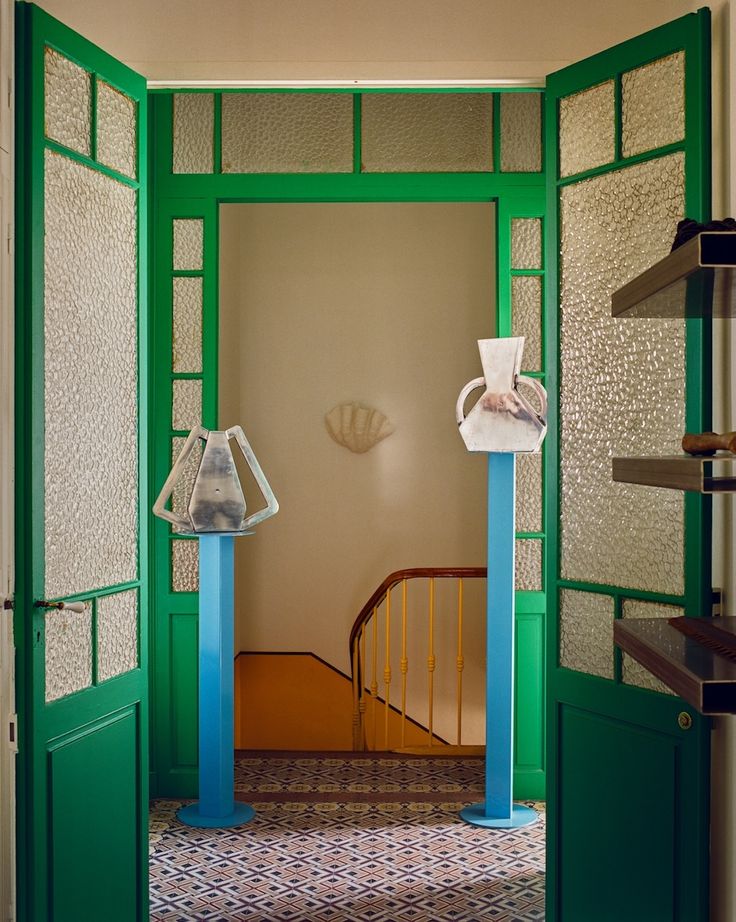
12 Designer-Approved Pink Colour Palettes

Warm Blush & Soft Grey
Warm blush and soft grey are perfect for those who appreciate a clean, minimalist aesthetic. This palette feels fresh, refined, and effortlessly sophisticated. It works beautifully in kitchens, bathrooms, laundry rooms, or mudrooms.
Incorporate grey through tile or marble countertops to instantly elevate the space and create a timeless foundation. Finish the look with accents in deep grey or olive to add depth and subtle contrast.
Clay Pink & Terracotta
Clay pink and terracotta bring an instant sense of calm and grounded warmth to a space. They’re wonderfully versatile tones that sit beautifully within minimalist, biophilic, or Japandi-inspired interiors, adding softness without overwhelming the palette.
These earthy hues feel especially at home in living areas or kitchens, where they pair effortlessly with natural wood, linen textures, and plenty of greenery.


Pink & Olive Green
This is a beautiful pairing for heritage-style interiors. The tones complement each other effortlessly, creating a palette that feels both timeless and quietly confident. It works particularly well for kitchen cabinetry and traditional woodwork, where the contrast adds depth without feeling too formal. The combination also translates wonderfully into bathrooms, giving the space a refined yet welcoming character. Add a few brass accents, and the whole scheme lifts instantly, warm, elegant, and just the right amount of polished.
Mauve & Deep Brown
Mauve paired with deep brown is a quietly sophisticated combination that works beautifully in both heritage settings and more contemporary interiors. The richness of the brown grounds the softness of the mauve, creating a palette that feels warm and elegant. It’s a particularly lovely choice for kitchens, mudrooms, bathrooms, and hallways – spaces where a little depth and character go a long way. Dark woodwork set against mauve walls creates a gorgeous contrast, allowing the pink tones to feel refined rather than overly sweet. Finish the look with black or silver accents to sharpen things up slightly. The result is polished, balanced, and just a little bit indulgent.


Pink & Charcoal
Make a contemporary kitchen truly stand out with this striking colour combination. It brings just the right amount of contrast: modern, confident, and effortlessly stylish. Surprisingly, it works just as beautifully in bathrooms and bedrooms too. The soft pink on the walls creates a calm, soothing backdrop, while charcoal introduced through furniture or cabinetry adds depth and a sleek, contemporary edge. The result is a space that feels balanced and refined – soft where it needs to be, bold where it counts.
Pale Pink & Navy Blue
This is a wonderfully sophisticated combination that feels right at home in kitchens and bathrooms, particularly across woodwork, tiles, and cabinetry, where the contrast can really shine. It has that perfect balance of polish and warmth that makes a space feel considered without feeling overworked.
In living rooms, the pairing works beautifully when introduced through contrasting furniture; think a statement sofa set against darker coffee tables or elegant console pieces. It creates just enough visual interest while still feeling cohesive. Layer in a little brass through hardware, lighting, or the odd candlestick. It adds depth, warmth, and a hint of glamour.


Pink & Brass Accents
I’m particularly fond of the idea of pink color-drenched bathroom walls, woodwork, and perhaps even the ceiling finished with warm brass or gold accents. It’s enveloping, a little indulgent, and wonderfully flattering in the soft glow of bathroom lighting.
This approach also works beautifully in bedrooms and living rooms. By layering different tones of pink from the palest blush to deeper rose, you create a space that feels rich, cohesive, and quietly luxurious rather than overly sweet.
The secret is in the variation: mix textures, play with depth, and let those warm metallic touches add a gentle hint of glamour.
Coral Pink & Cream
This is quite possibly one of the most calming color combinations you can use, making it an excellent choice for bedrooms. The tones work together to create a space that feels soft, restful, and wonderfully cocooning, perfect for unwinding at the end of the day.
Used thoughtfully across walls, textiles, and upholstery, the palette brings a gentle sense of harmony to the room, effortlessly serene without ever feeling dull. A bedroom that practically invites you to slow down and stay a little longer.


Pink & Burgundy
Pink and burgundy make for a wonderfully confident pairing. When you lean into cooler, more purple-based tones, the combination feels strikingly contemporary, perfect for modern kitchens, living rooms, or even a well-dressed mudroom that deserves a little personality.
On the other hand, softer pinks with a hint of coral shift the mood entirely. Paired with burgundy, they create a palette that feels warmer and more traditional, lending itself beautifully to classic interiors.
It’s a surprisingly versatile duo; simply adjust the undertones, and the whole character of the space changes. Quite a clever little colour trick, really.
Pink & Sage Green
There’s a reason these two colours feel like such a natural pairing; they sit beautifully opposite one another on the color wheel, making them complementary by nature. When brought together in an interior, they create a palette that feels both fresh and calming.
They look particularly lively in kitchens, where green woodwork or cabinetry can really shine, but the combination works just as effortlessly in bedrooms, bathrooms, living rooms, and even hallways.
To elevate the scheme further, introduce a few gold accents. The warmth of the metal gently draws out the yellow undertones in the sage, adding a subtle glow and a touch of quiet luxury.


Hot Pink & Black
This is a colour combination that certainly won’t leave anyone indifferent. Bold, confident, and a little bit glamorous, hot pink and black make a striking statement wherever they appear.
It’s not a palette I’d typically reserve for spaces designed for pure calm, but in smaller areas, like entrances, cloakrooms, or compact bathrooms, it delivers a wonderfully vibrant, almost luxurious energy. The contrast feels dramatic in the best possible way.
That said, it’s not the easiest pairing to master. The balance of tones needs to be just right, as even the slightest shift can tip the look from chic to slightly off-key. But when it’s done well, the effect is quite breathtaking: bold, polished, and unapologetically stylish.
Mistakes to Avoid When Choosing Pink for Your Interior Colour Palette
Pink can be one of the most beautiful and versatile colours in interior design, but it’s also surprisingly easy to get wrong. The key lies in understanding undertones, balance, and how pink interacts with light and surrounding materials. Here are a few common mistakes designers avoid when working with pink interiors.
Ignoring the Undertones

Not all pinks are created equal. Some lean peachy and warm, while others carry cooler blue or purple undertones. Choosing a pink without considering its undertone can clash with flooring, cabinetry, or furniture. Always test samples and see how the colour behaves next to your existing finishes.
Choosing a Pink That’s Too Sweet

One of the most common pitfalls is selecting a pink that feels overly sugary or juvenile. Interior designers often favour muted, dusty, or earthy pinks. Consider clay, blush, or rose tones because they feel more sophisticated and easier to live with.
Forgetting How Lighting Affects Pink

Pink is particularly sensitive to lighting. In bright natural light it can look airy and soft, while in dim or north-facing rooms it may appear cooler or even slightly grey. Always test paint samples throughout the day before committing to a full room.
Not Balancing Pink with Grounding Colours

Pink works best when balanced with deeper or neutral tones such as charcoal, brown, sage green, or burgundy. Without contrast, a pink space can feel flat or overly delicate. The right partner colour gives the palette depth and character.
Using Only One Shade of Pink

A common mistake in pink interiors is relying on a single shade. Designers typically layer multiple pink tones from pale blush to deeper rose to create dimension and visual interest.
Overlooking Texture and Materials

Pink looks completely different depending on the materials surrounding it. Natural wood, stone, linen, and brass can make pink feel warm and refined, while overly glossy finishes may make it appear harsher than intended.
Skipping Paint Samples

Finally, never choose pink directly from a paint chart. What looks subtle on a swatch can feel dramatically stronger on a wall. Always test large samples in different parts of the room before making a final decision.
When chosen thoughtfully, pink can transform a space from ordinary to beautifully considered, soft, stylish, and surprisingly timeless.
Final Thoughts
Pink is far more versatile than most people expect. Whether paired with earthy tones, deep dramatic colours, or calming neutrals, it can transform a space in subtle or striking ways.
The key is choosing the right shade and pairing it thoughtfully with materials, finishes, and textures.