
While hunting for inspiration for a personal project, the algorithm gods knew exactly what I needed and delivered Fajalauza. And just like that, I fell head over heels in love. Their hand-painted cobalt blue and green motifs are the perfect artisan addition to complement the pinks in my chosen colour scheme. Full disclosure: even though I’m half Spanish, I’m from the north, so discovering the rich ceramic traditions of the south has been a whole new (and beautiful) learning curve for me.
Read on for quick dive into Fajalauza’s rich history, styling tips and my favourite go to shops to find your own pieces.
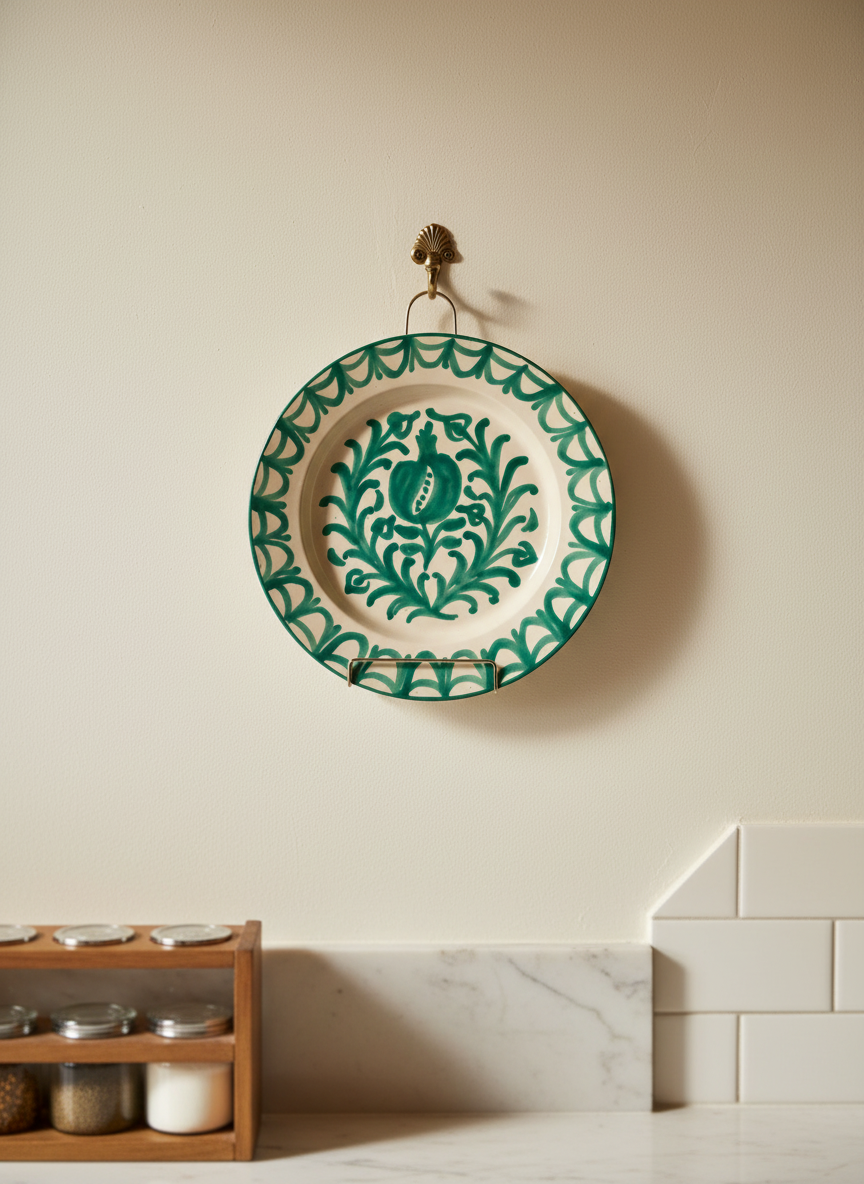
Table of Contents
Fajalauza’s Timeless Charm
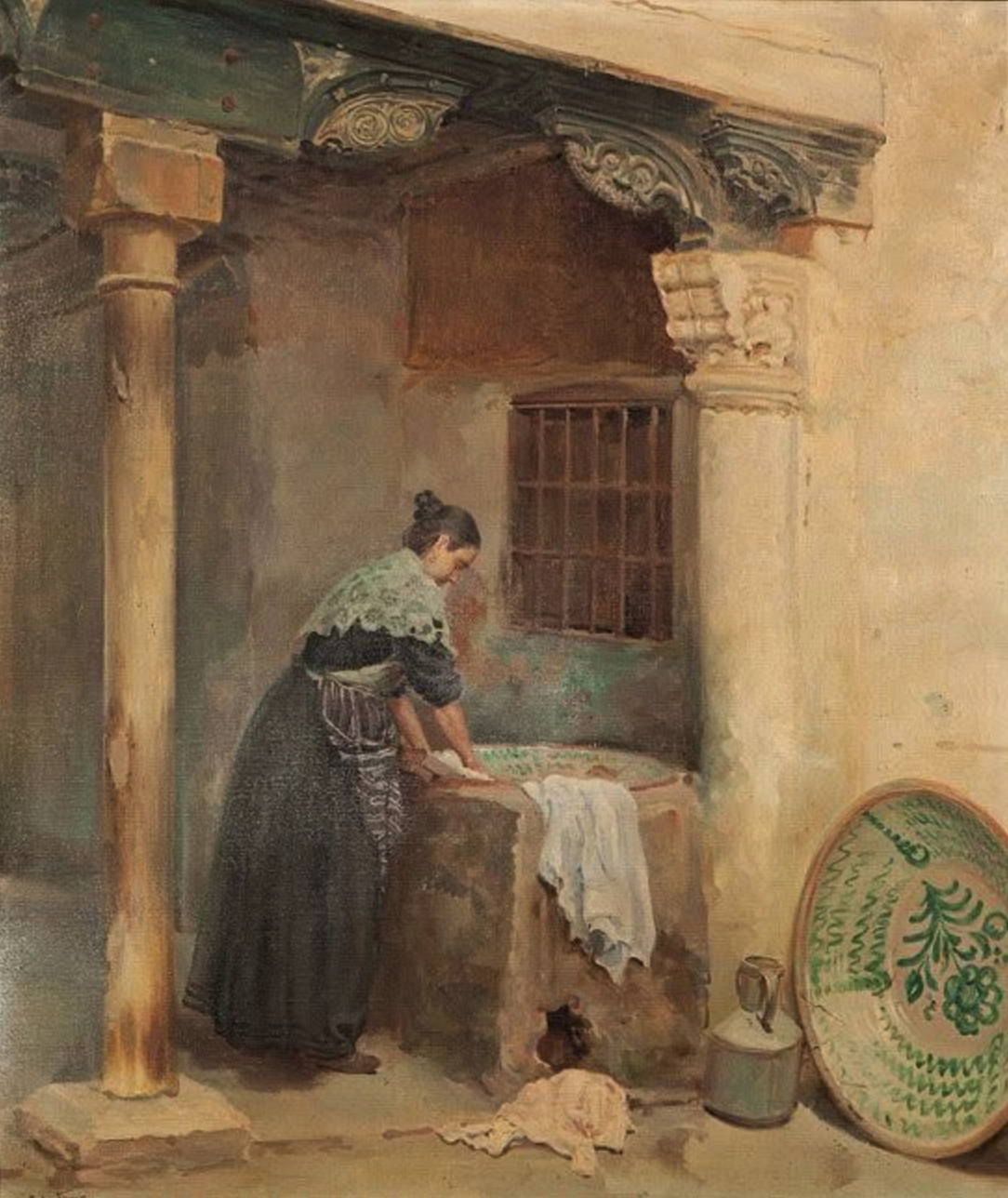
Fajalauza ceramics are the ultimate heritage pieces. Deeply rooted in Andalusia’s Moorish legacy and set against the picturesque hills of Granada, home to the UNESCO Alhambra Palace, these ceramics emerged in the 16th century. Crafted by Mudéjar artisans, Fajalauza became famous for its vibrant hand-painted motifs, from delicate floral vines to Granada’s iconic pomegranate. Today, this symbol of Southern Spanish craft is enjoying a modern revival as design lovers rediscover its timeless charm.
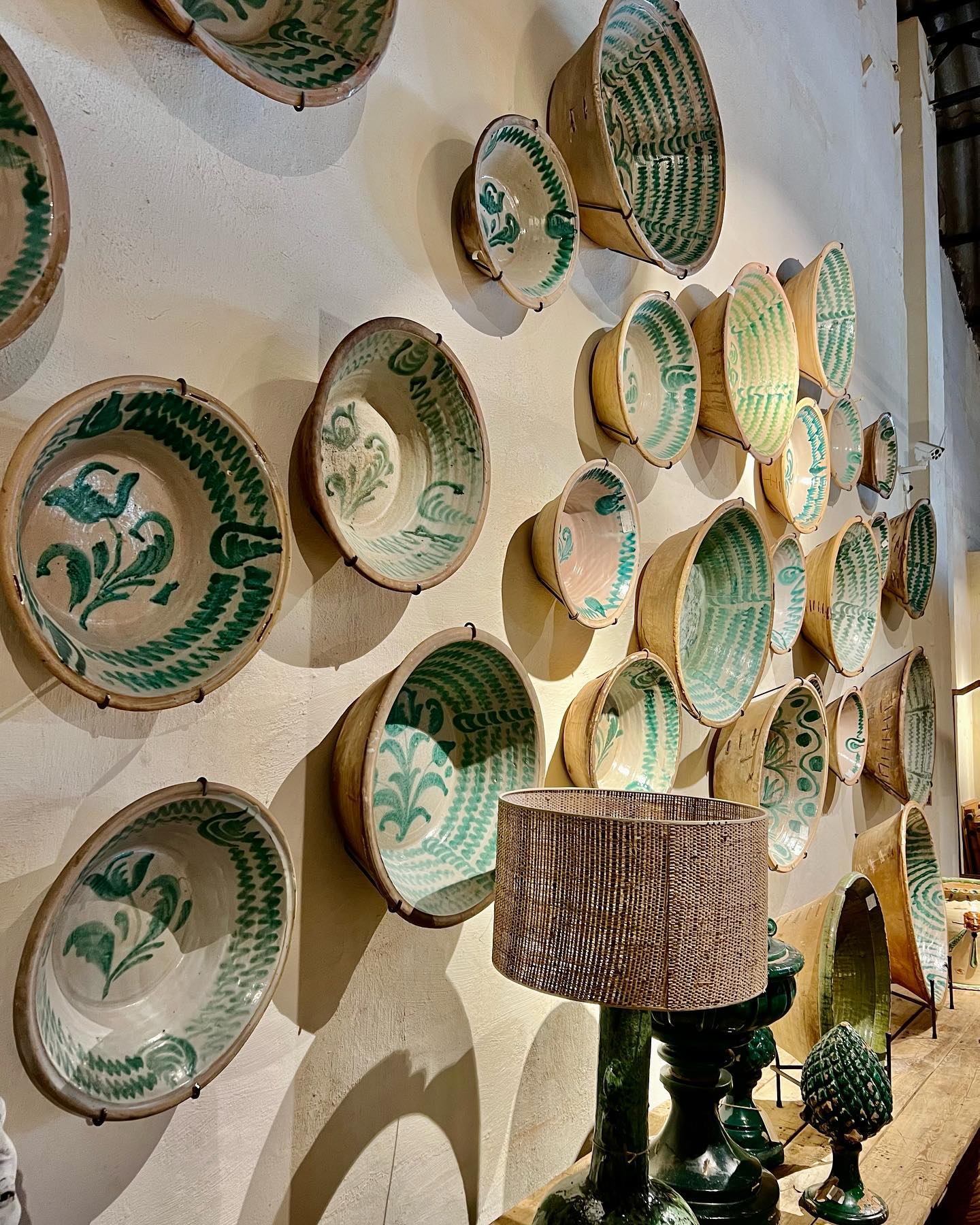
My fascination with these ceramics began with a single Instagram post featuring the ultimate crown jewel of the craft: the lebrillo. I was hunting for personal home inspiration when I stumbled upon a striking image of a colonial-style hallway, complete with intricate Moroccan floor tiles, soaring doors, and five magnificent lebrillos mounted like art along the wall. A period of obsessive research led me directly to the source of those statement pieces: La Fábrica de Hielo in Spain. Traditionally crafted as wide, shallow basins for everyday domestic use, these humble vessels have clearly undergone a serious design glow-up.
Styling Guide: 5 Ways to Style Fajalauza at Home
There are a multitude of ways to incorporate these beautiful treasures into your decor. Whether hung as wall art, styled into a dining tablescape, or layered onto shelves, these beautiful Andalusian ceramics offer endless possibilities. Their rich hues and historical motifs provide a striking accent that elevates both contemporary and classic spaces.
The Statement Wall (Plate Gallery)
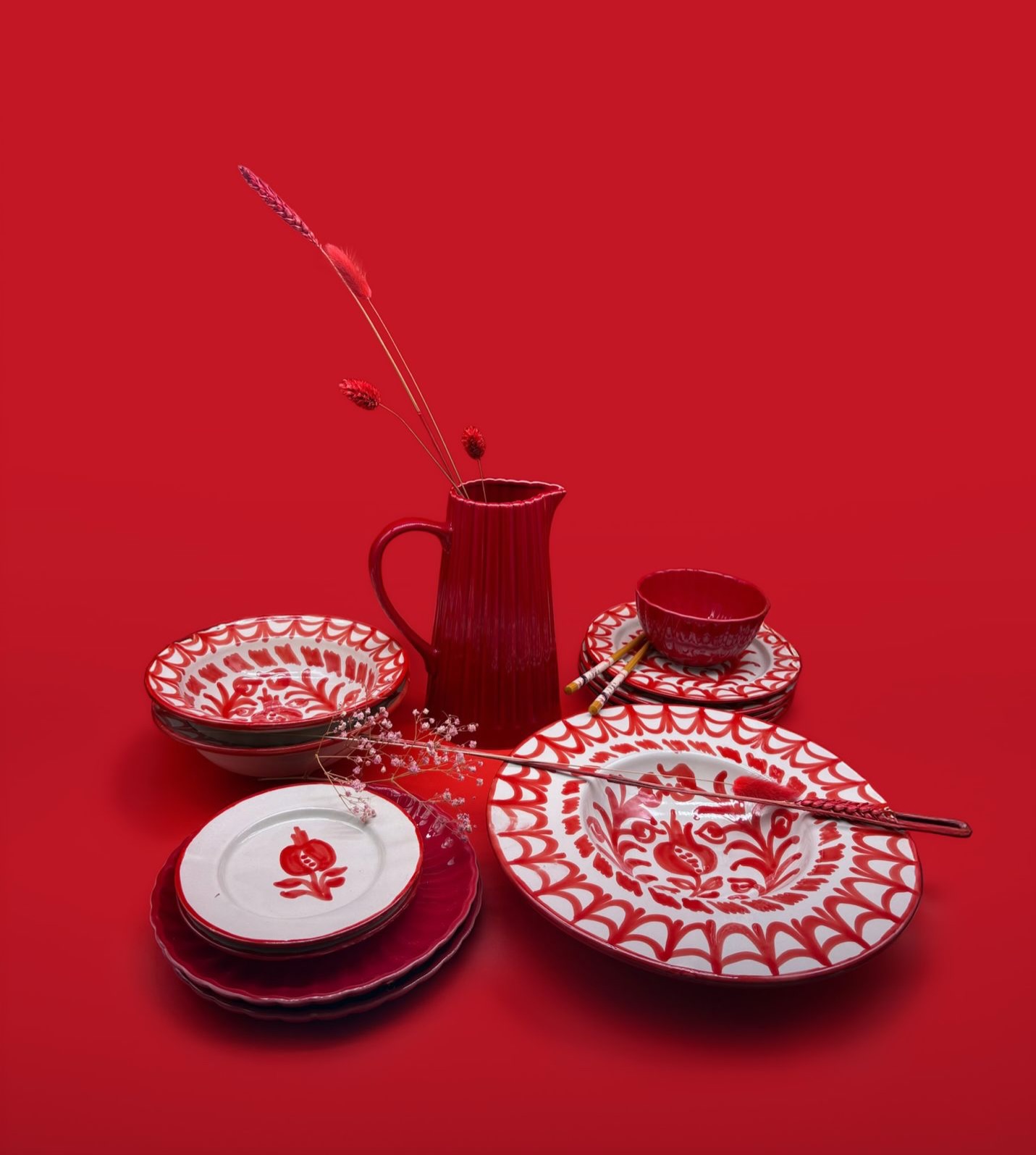
Arranging Fajalauza plates on a colour-blocked wall instantly injects personality, depth, and artisanal texture. A professional designer’s rule of thumb is to display them in odd numbers and mix up the sizes for an organic feel. Play with a sleek monochromatic look, or pair rich cobalt blues with warm pinks for high impact. It’s the ultimate way to refine your granny-chic aesthetic, and don’t hold back on placement. A curated plate gallery looks just as fabulous in a bathroom as it does in a dining room!
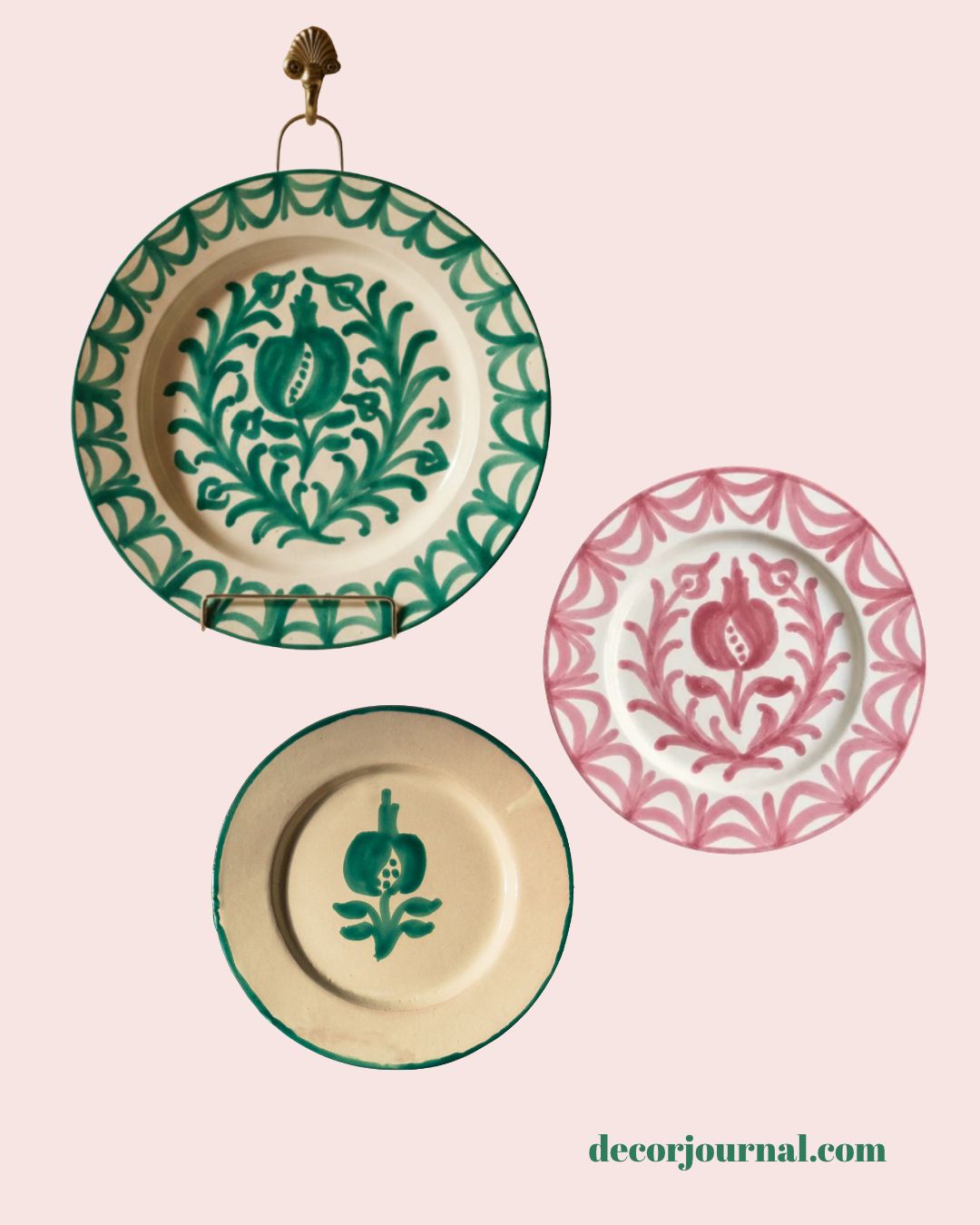
The Kitchen Centerpiece
Bring rustic Andalusian charm right into the heart of the home. Displaying oversized Fajalauza jugs or wide lebrillos on open kitchen shelves or a central island creates an instant focal point, especially when paired with bright citrus and fresh olive sprigs.
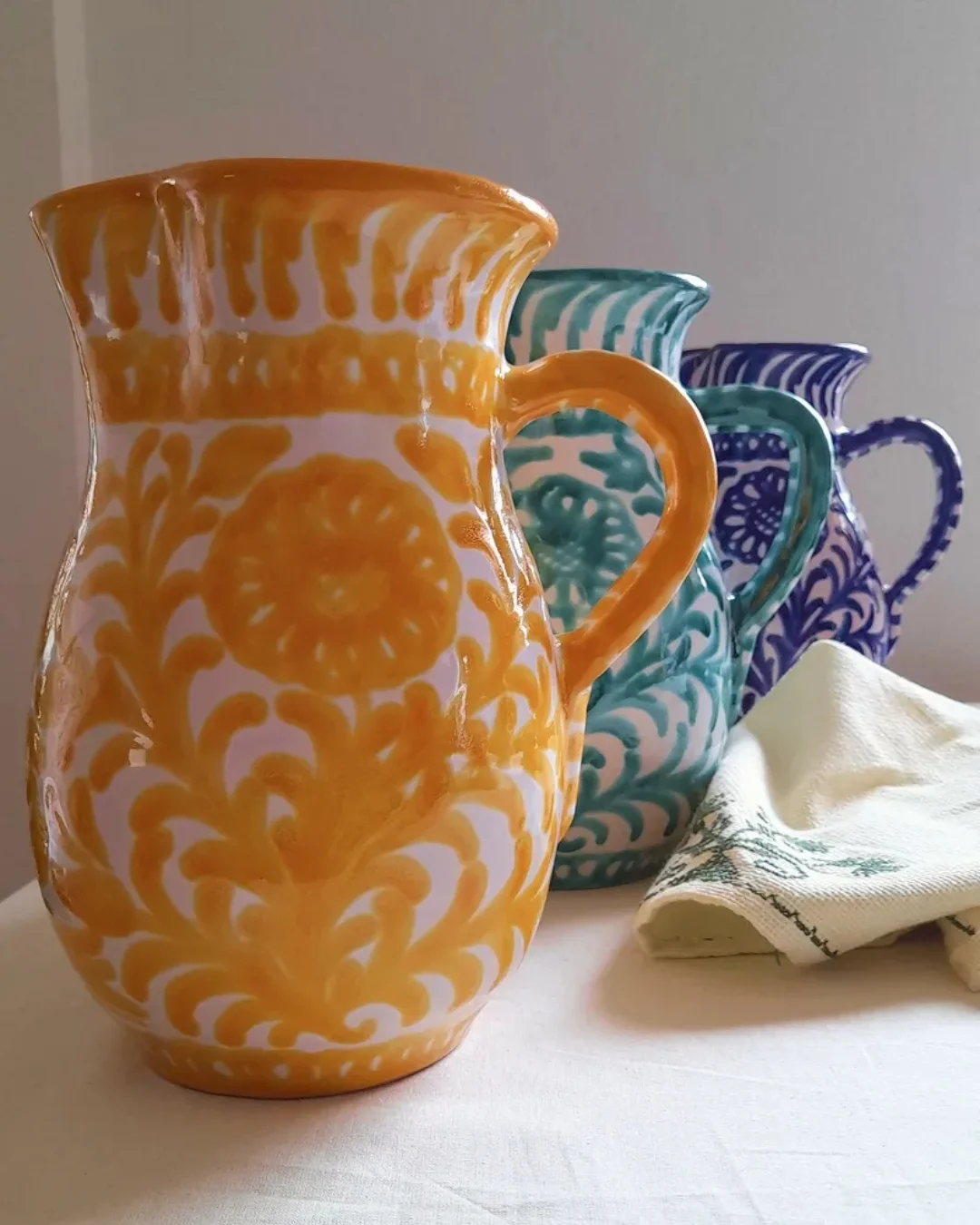
Al Fresco & Patio Decor
Fajalauza’s floral patterns are naturally at home outdoors. Use a large lebrillo on a metal stand to anchor an empty patio corner, or mount one above an outdoor dining area. Their rich palettes offer a gorgeous contrast to greenery and pair beautifully with crisp white table linens for effortless summer hosting.
Whimsical Bathroom Charm
For an unforgettable rustic statement, repurpose a lebrillo as a vessel sink. Pair two side-by-side atop a reclaimed wooden sideboard in a master bath, or drop a single basin into a compact powder room to infuse small spaces with undeniable character.
Minimalist Contrast
You don’t need to live in a full Spanish hacienda to make these ceramics feel right at home. Layering rustic, glossy Fajalauza against sleek modern finishes, like poured concrete countertops, warm natural timber, or matte black hardware, creates a compelling play of textures that instantly elevates a contemporary space.
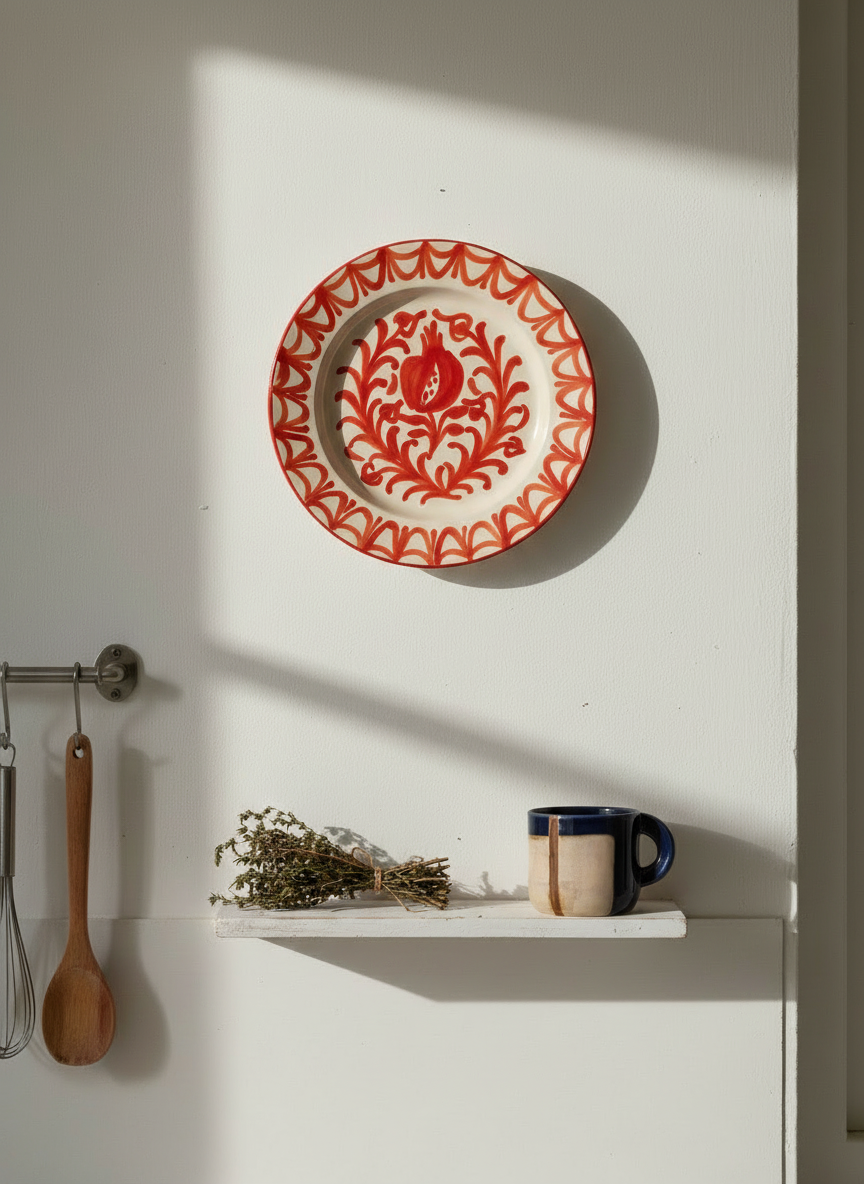
Sourcing & Authenticity Guide
There are Fajalauza pieces for every budget, but if you want to bring real Andalusian soul into your space, I recommend skipping mass-produced factory knockoffs. Investing in authentic, hand-painted ceramics makes all the difference. My go-to source is CUE Cerámica, though you have to keep your eyes peeled because their curated collections sell out fast. I’ve just placed an order for a few plates and have a one-month wait ahead, proof that good things take time! If you’re after antique statement pieces, the vintage lebrillos at La Fábrica de Hielo carry a higher price tag, but their rich patina and storied charm are unbeatable.
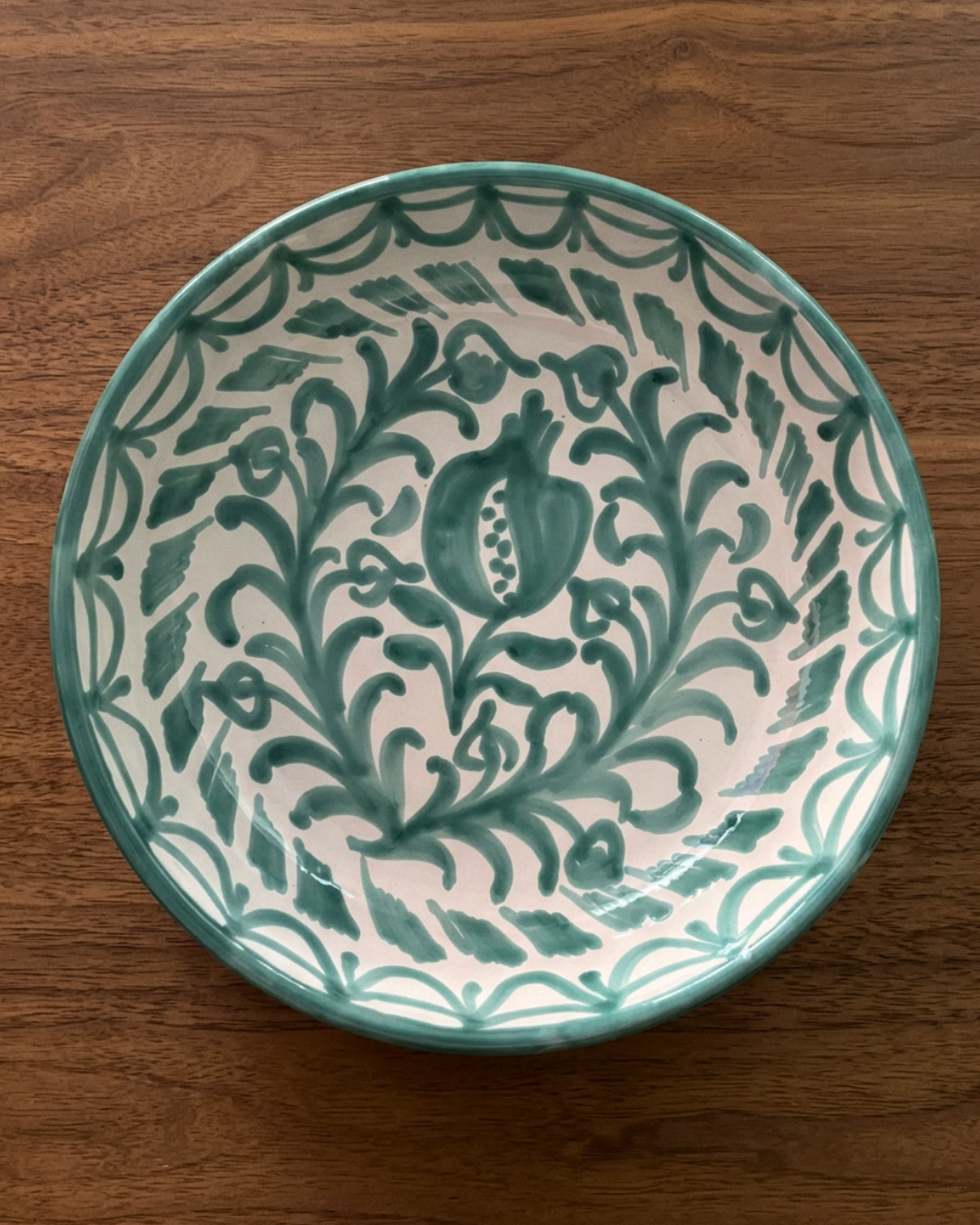
Quick Guide: Authentic Hand-Painted vs. Factory Imitations
- The ‘Hand’ Test: Look closely at the glaze. Real artisanal pieces display tiny brush marks and rich variation in colour density. Machine-printed imitations use flat, pixelated transfer prints.
- Embrace the Asymmetry: Hand-drawn motifs like pomegranates, birds, and floral vines will vary slightly from plate to plate. If a set of six looks 100% identical, it was made on an assembly line.
- Examine the Underside: Turn the vessel over. Authentic pieces often show raw, terracotta-hued Granada clay at the base with authentic artisan marks or slight glaze drips.
The Buyer’s Guide: Sourcing Authentic Pieces
| Cue Cerámica | Contemporary hand-painted pieces | www.cueceramica.com |
| La Fábrica De Hielo | Rare vintage finds | lafabricadehielo.com |
| Casa Pletórica | Curated Andalusian decor | www.casapletorica.com |
| Cerámica los Arrayanes | Traditional Granda artisan workshop | ceramicalosarrayanes.com |
A Legacy in Clay & Glaze
In an age of mass production, few design traditions carry the enduring warmth and character of Southern Spain like Fajalauza. By blending these artisanal treasures into modern interiors, you create spaces that feel both deeply rooted in history and effortlessly current.
Which colour palette do you prefer for ceramics in your home: classic cobalt blue or rustic copper green? Let us know in the comments below!
Leave a Reply