
From sleek, minimalist porcelain to smoky black pottery fired the old Celtic way, Galician ceramic tradition is as varied and vivid as its misty green hills. Tucked away in the far northwest corner of Spain lies one of the country’s best-kept secrets: Galicia, the land of meigas (witches), where ancient magic meets muddy boots and artisan hands.
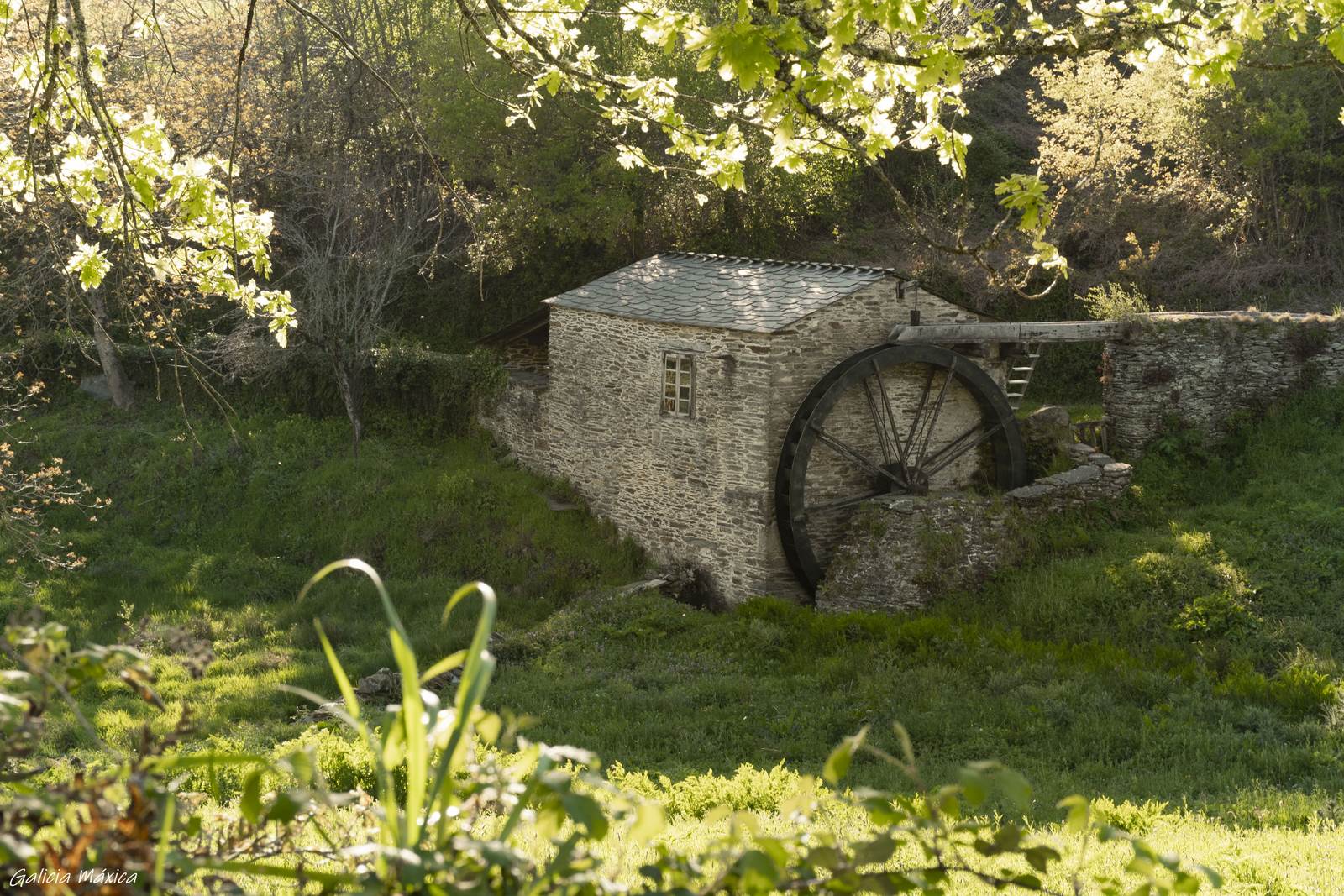
With roots reaching deep into Celtic soil and shaped by Romans, Suebi, Visigoths, and Christian pilgrims, Galicia’s history is layered like the glazes on a Buño pot. The Romans left their roads and aqueducts; the Middle Ages brought waves of worshippers to the shrine of Saint James in Santiago de Compostela. Despite being sidelined by the Spanish mainstream for centuries, Galicia held tight to its language (Galician—the mother of Portuguese!), its folklore, and its fiercely local traditions, including its earthy, enchanting pottery.
Much of this culture flourished in a rugged, rain-soaked terrain carved into minifundios: tiny, scattered plots inherited and re-inherited over generations. These pequeños terratenientes (small landowners) have turned fragmentation into an art of its own, challenging for agriculture, perhaps, but rich soil for storytelling and craft. In this post, we will take a virtual tour of its enchanting ceramics.
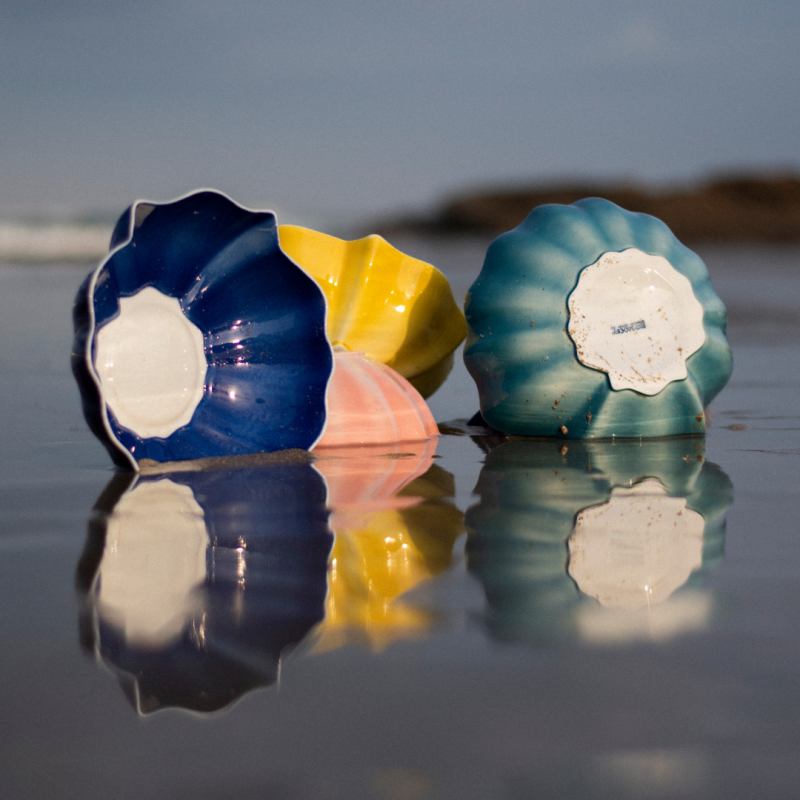
Table of Contents
Shaping the Soul of Galicia Through Its Pottery Traditions
Galicia is home to a rich and distinctive pottery tradition that reflects its Celtic roots, rural way of life, and strong artisanal heritage. Deeply woven into daily routines, religious rituals, and regional identity, this tradition dates back to prehistoric times and bears the imprint of Celtic, Roman, and later Christian influences.
Traditionally crafted by hand in small rural workshops, these pieces were essential to domestic life, used for storing food, cooking, and supporting agricultural tasks. Techniques and styles were passed down through generations, often within families.
Shaping Identity: Pottery Styles Across the Land
Galicia’s pottery tradition is anything but monolithic; it’s a vibrant tapestry of regional diversity, very much like its language, each area boasting its own distinct style, shape, and charm. Far from being a one-size-fits-all craft, the pottery here is as unique as the villages themselves, shaped by the very earth beneath their feet. Every region has cultivated its own identity, channeling the rich, local clays into forms that tell stories of both the land and its people. Let’s dive into some of the most prolific areas where this ceramic artistry truly shines.
Buño Pottery
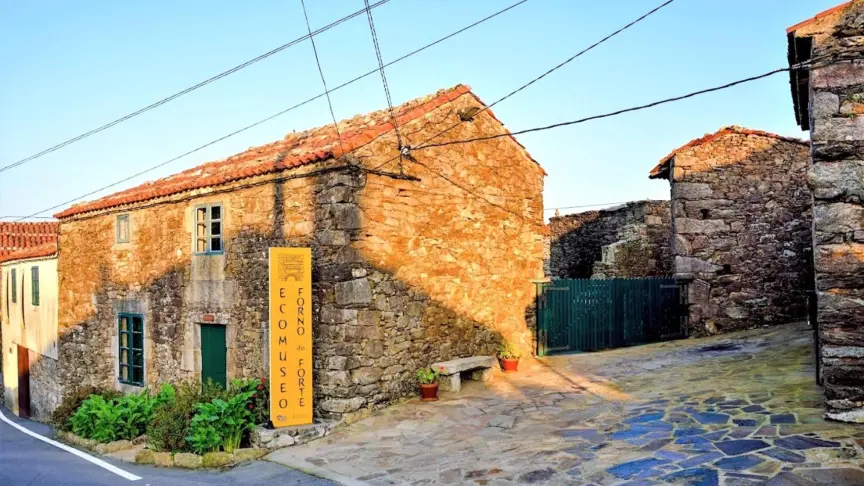
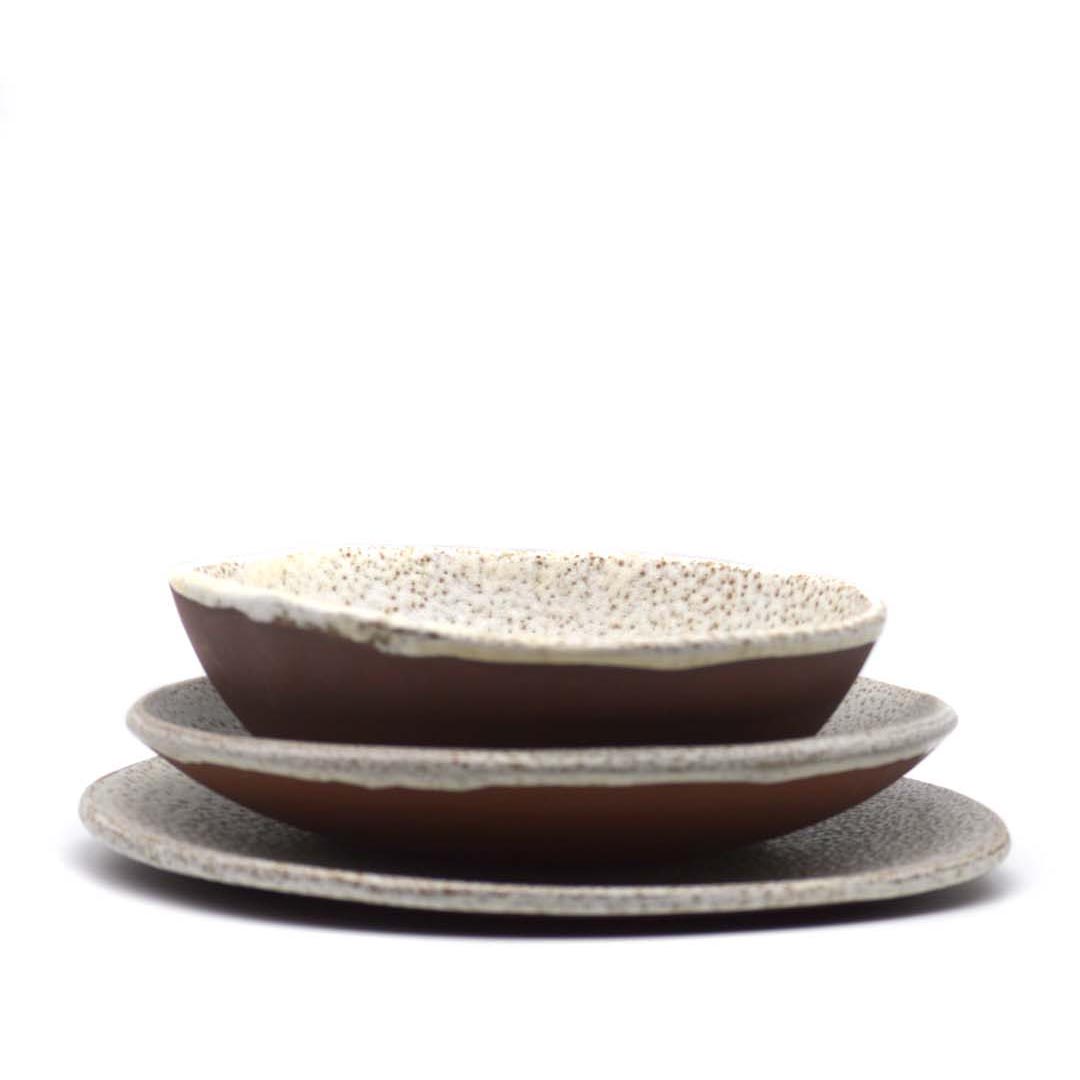
Buño pottery is the very heart and soul of Malpica de Bergantiños, nestled in the beautiful province of Coruña. If rustic charm with a dash of elegance is your vibe, these pieces are an absolute must-have. Renowned as one of Galicia’s pottery hubs, Buño’s signature pieces are crafted from rich, earthy reddish clay. Think of beautifully understated jars, plates, and pots that strike the perfect balance between form and function. Picture them gracing a long trestle table, surrounded by rustic bread, olives, and a bountiful charcuterie spread.
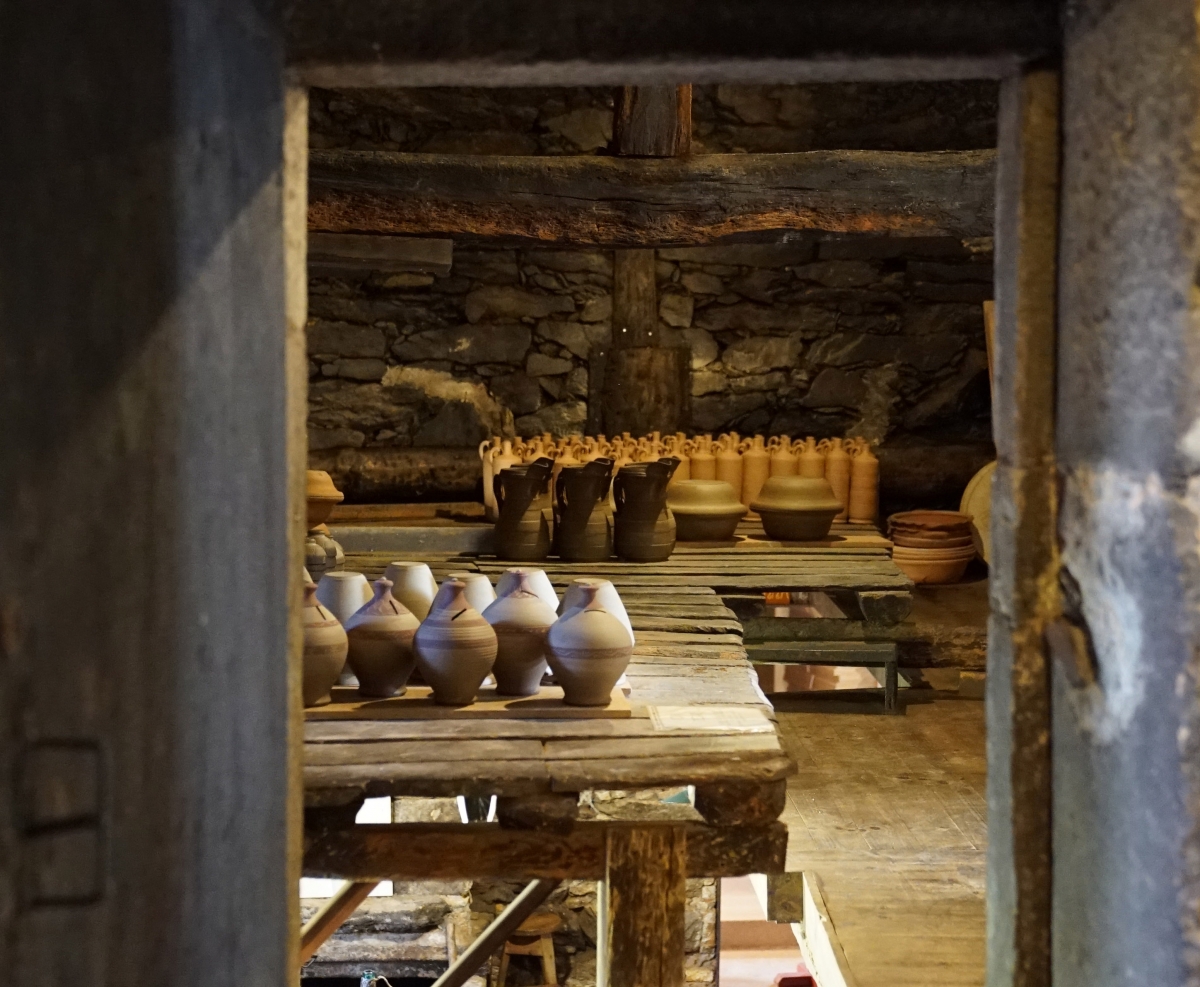
The magic happens on the wheel, with each piece hand-thrown and wood-fired for that authentic, rustic vibe we all crave. If you’re ever in the area during late July or early August, you must check out the Mostra da Olería de Buño pottery fair. It’s a pottery lover’s dream come true, a chance to wander through the charming streets and pick up a piece of history.
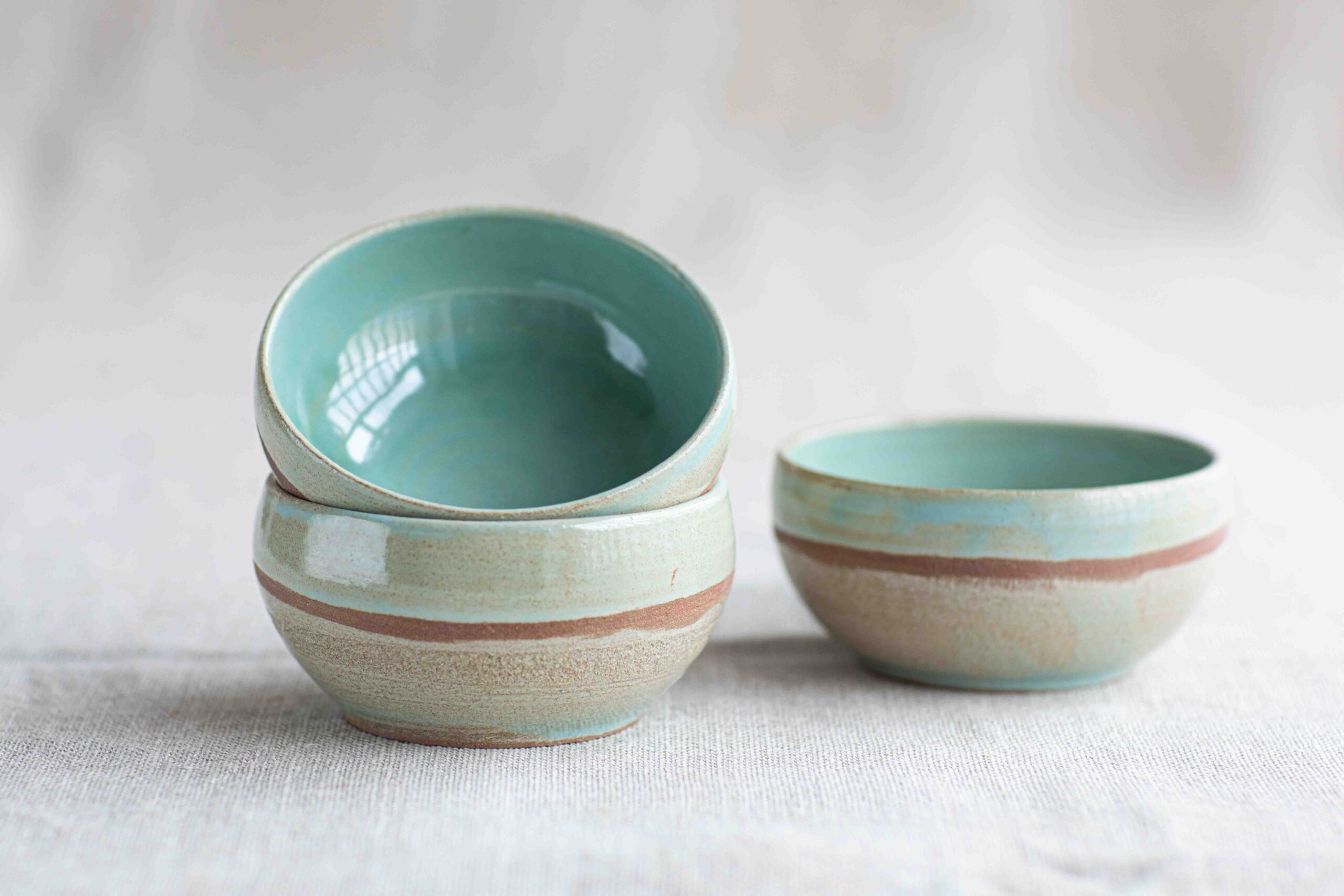
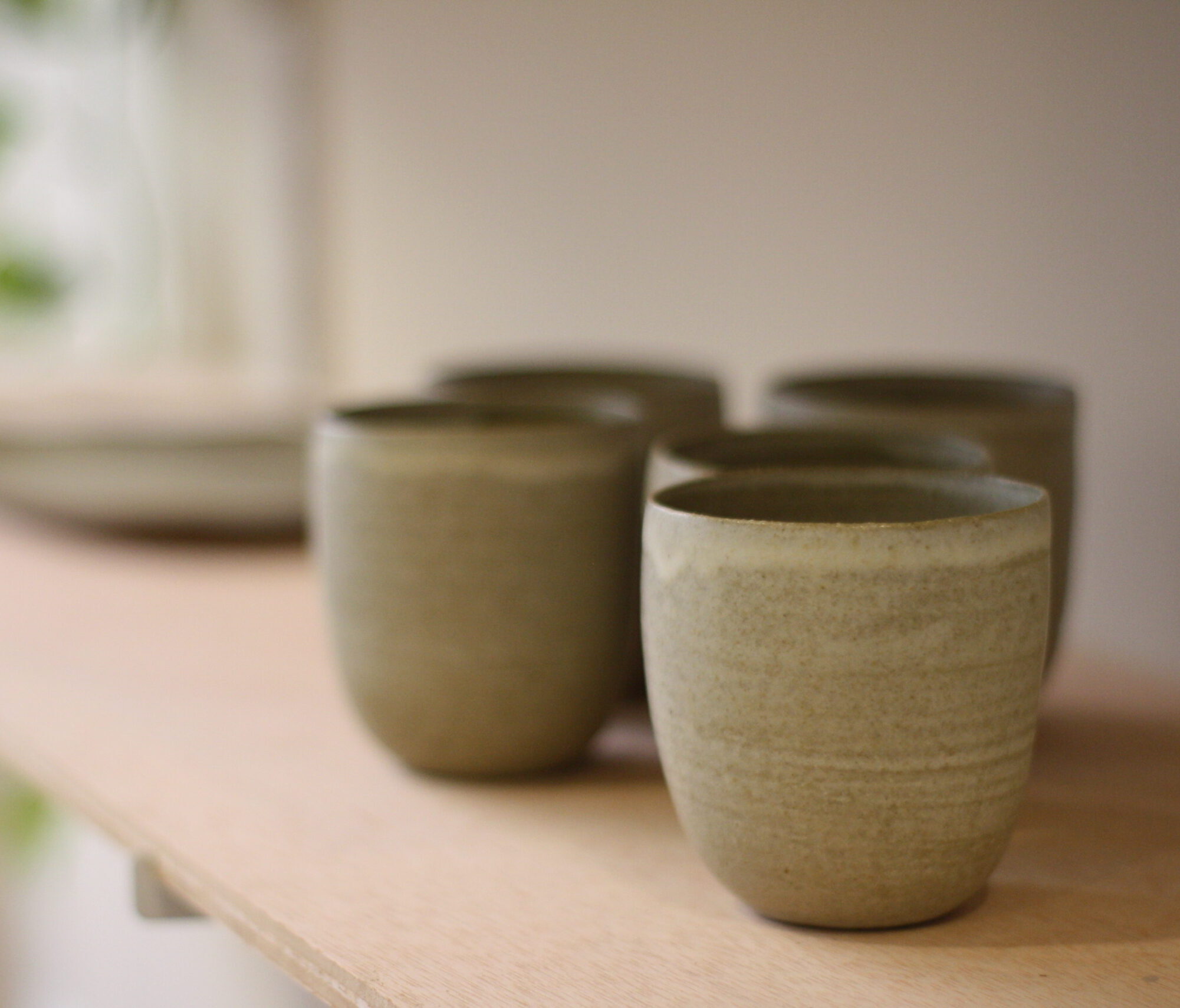
Designer tip:
Buño pottery truly comes into its own when you let it breathe. I like to use it exactly as it was intended, generously and without fuss. Style a few pieces together on a long wooden table or open shelf, mixing sizes but keeping the palette calm so that gorgeous reddish clay can do the talking. It’s the kind of pottery that speaks for itself; paired with natural linen, good bread, and a little candlelight, it brings instant soul and effortless elegance to a space.
Niñodaguia Pottery
Heading southeast from Coruña, you’ll find yourself in the province of Ourense, famed for the breathtaking Ribeira Sacra. While Niñodaguia isn’t technically within its core canyonlands, it’s close enough to sip the same morning mist—and trust me, if you’re a pottery lover like me, it’s well worth the detour.
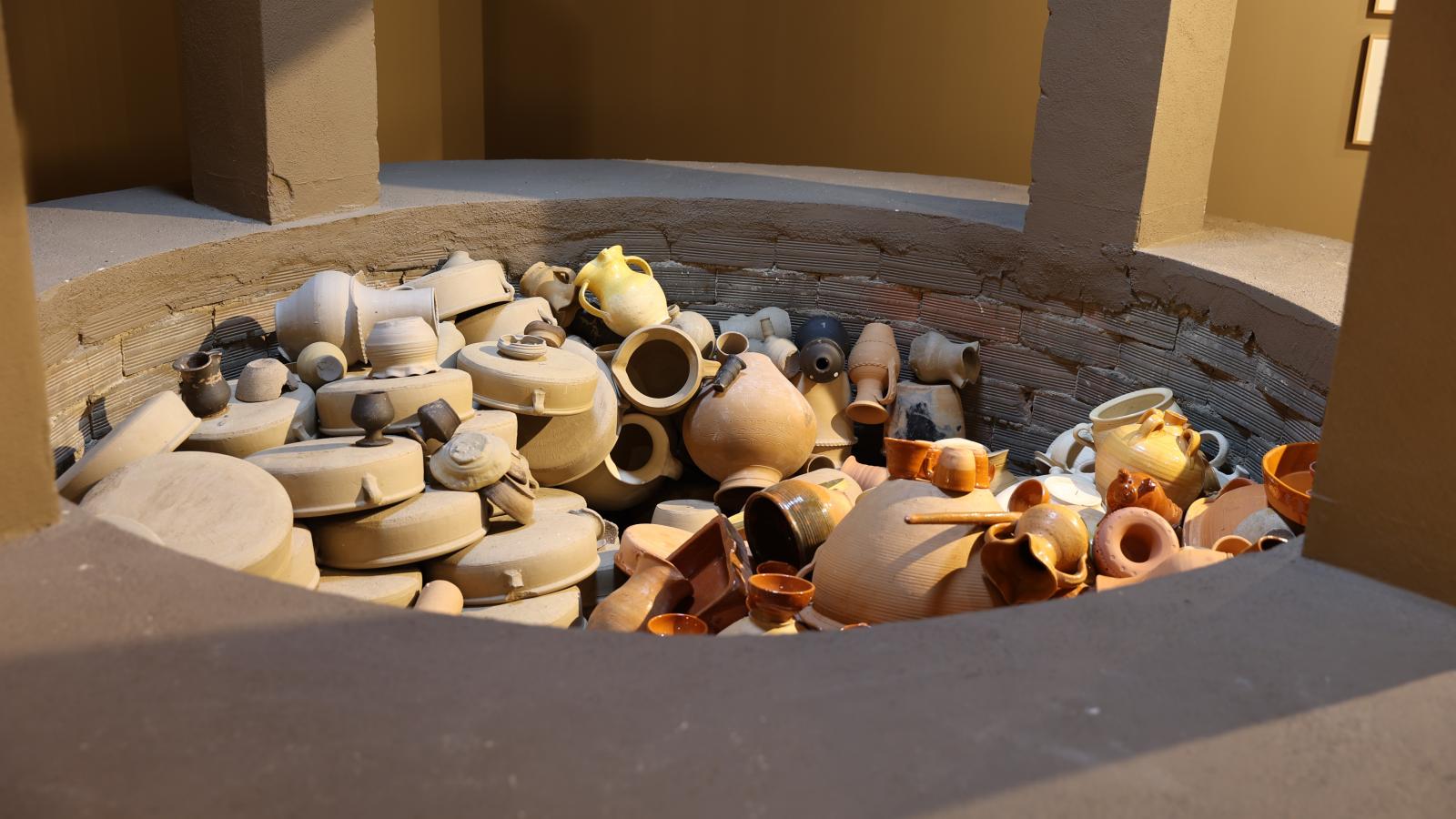
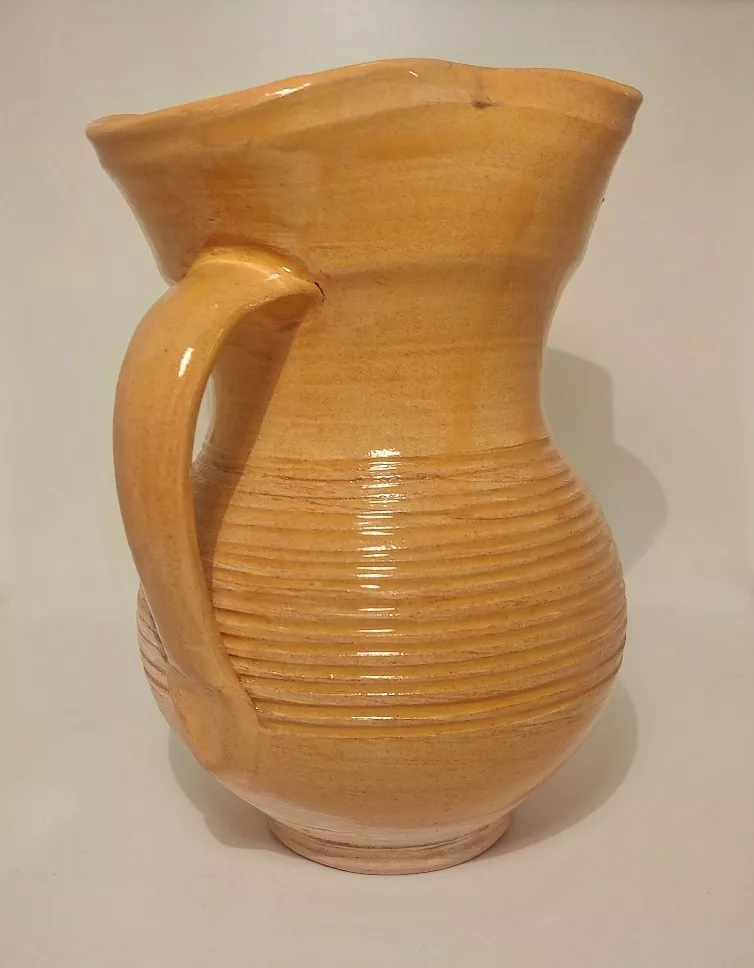
The “cacharreiros” of Niñodaguia, also known as “xarreiros” or “calleiros,” have kept their traditional pottery alive thanks to the abundant, unique clay of Monte do Barro in Veigachá. This fine white clay, rich in kaolin, paired with high firing temperatures, gives Niñodaguia pottery its distinctive color, airy lightness, and melodic resonance, setting it apart from other Galician pottery and nudging it closer to porcelain elegance.
There’s a quiet kind of alchemy at work here: earth, water, fire, and air shaped by the steady hand of the cacharreiro, whose craft has been passed down through generations. In this part of Galicia, pottery is closely tied to monastic traditions and everyday rural life, giving each piece a grounded, almost meditative quality, as if it carries the rhythm of heritage and the landscape itself.
You can experience this firsthand at the Museo Taller Alfarería de Niñodaguia, where you can step into the heart of this craft, wander among the old kilns, explore the uses of their timeless tableware, and uncover the secrets of the fast wheel. It’s the perfect stop to add a touch of quiet Galician soul to your home, one piece at a time.
Designer’s Tip
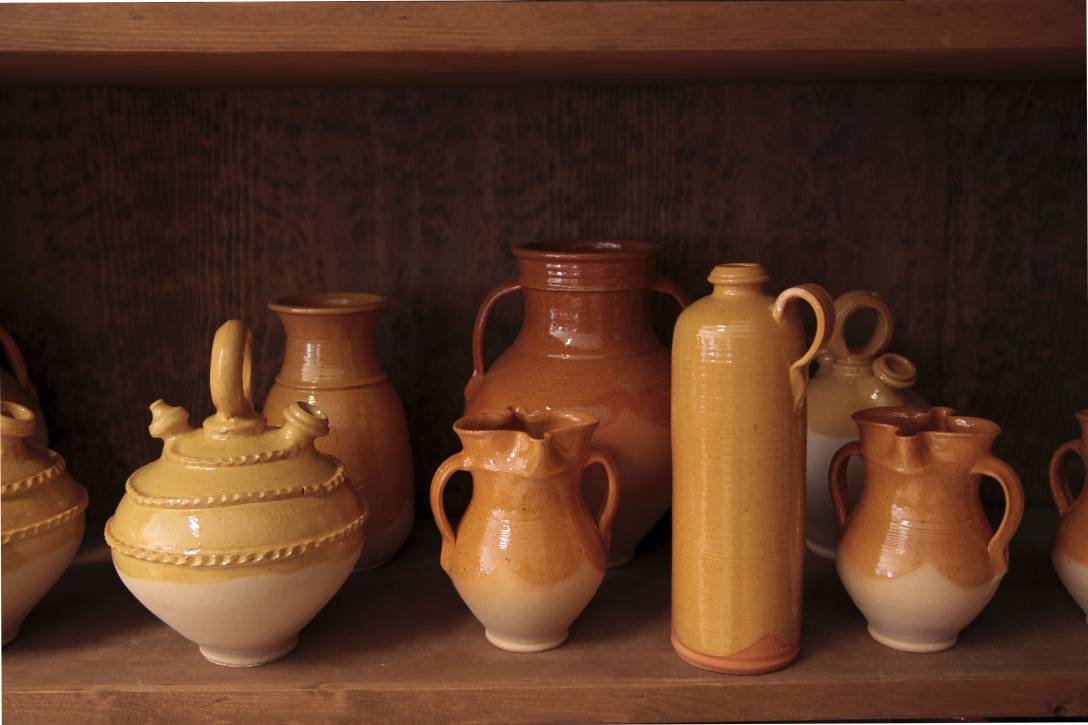
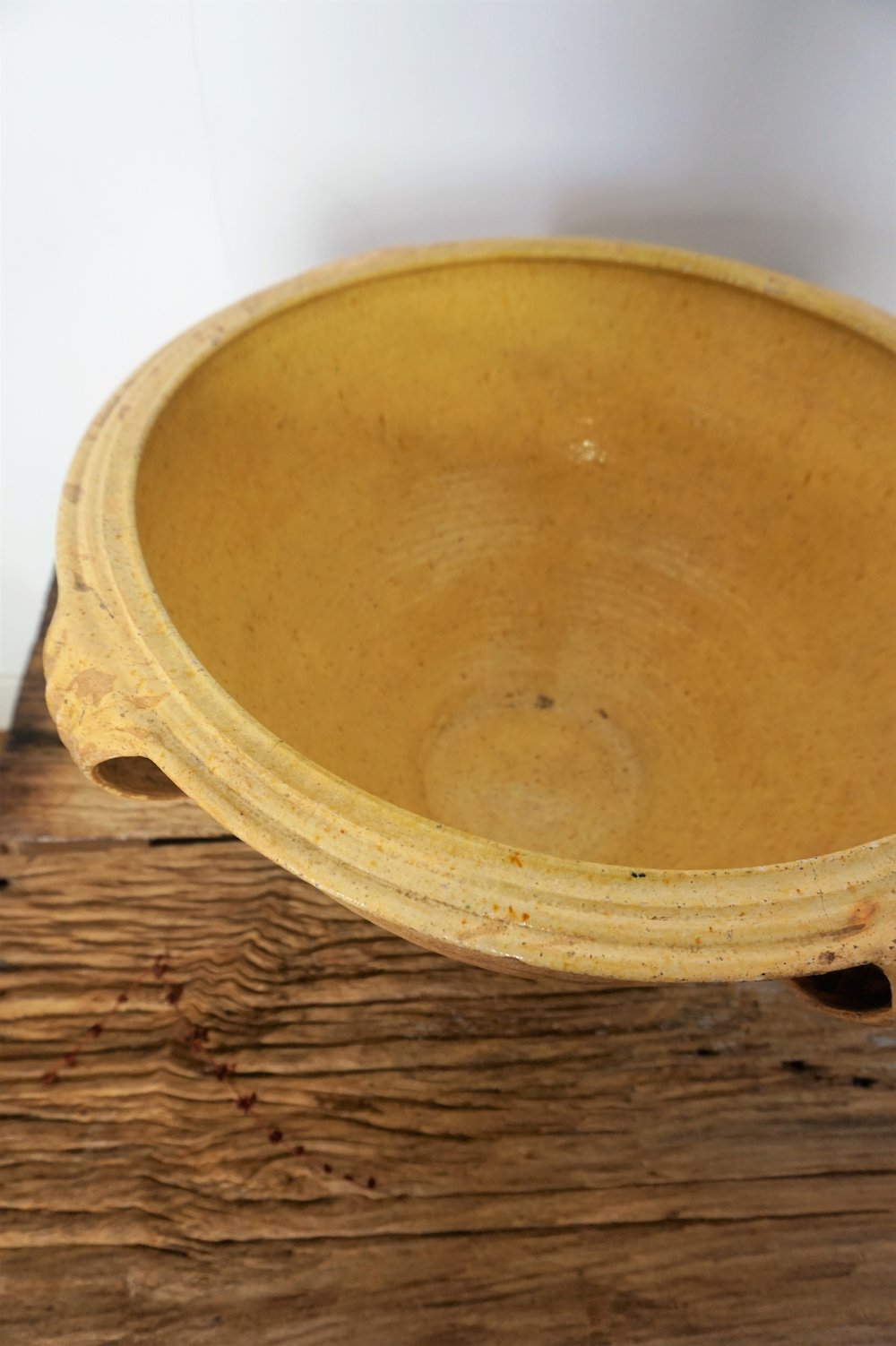
Niñodaguia pottery is best treated like the quiet luxury it is. I love using these lighter, porcelain-like pieces where they can catch the light on open shelving, or styled sparingly on a dining console. Let their pale tone and delicate resonance stand in contrast to heavier materials like aged wood or stone. A little goes a long way here; these are pieces that reward restraint and bring a calm, almost contemplative elegance to an interior.
Gundivós Pottery
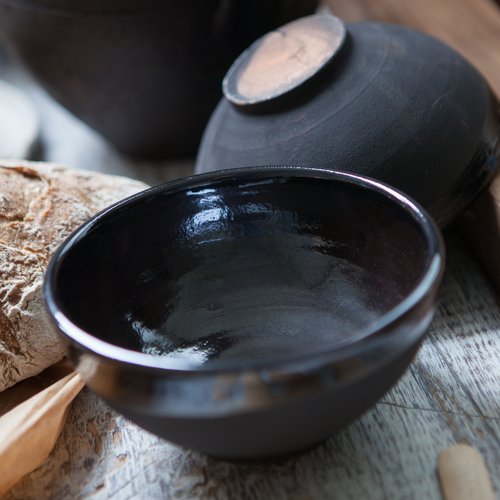
Continuing our Galician ceramic tour, let’s drift back up north to Sober, Lugo, where Gundivós pottery, one of Europe’s oldest and most elegant traditions, has been pairing with Amandi wines since Roman times.
If you’re a wine lover, let me share a delicious secret: the Mencía reds from Ribeira Sacra’s Amandi subzone are fruity, floral, and simply exquisite. Move over, Rioja; this isn’t just about interior design detail; it’s a lifestyle.
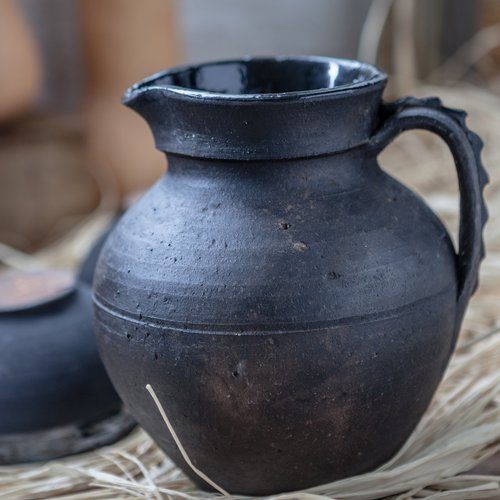
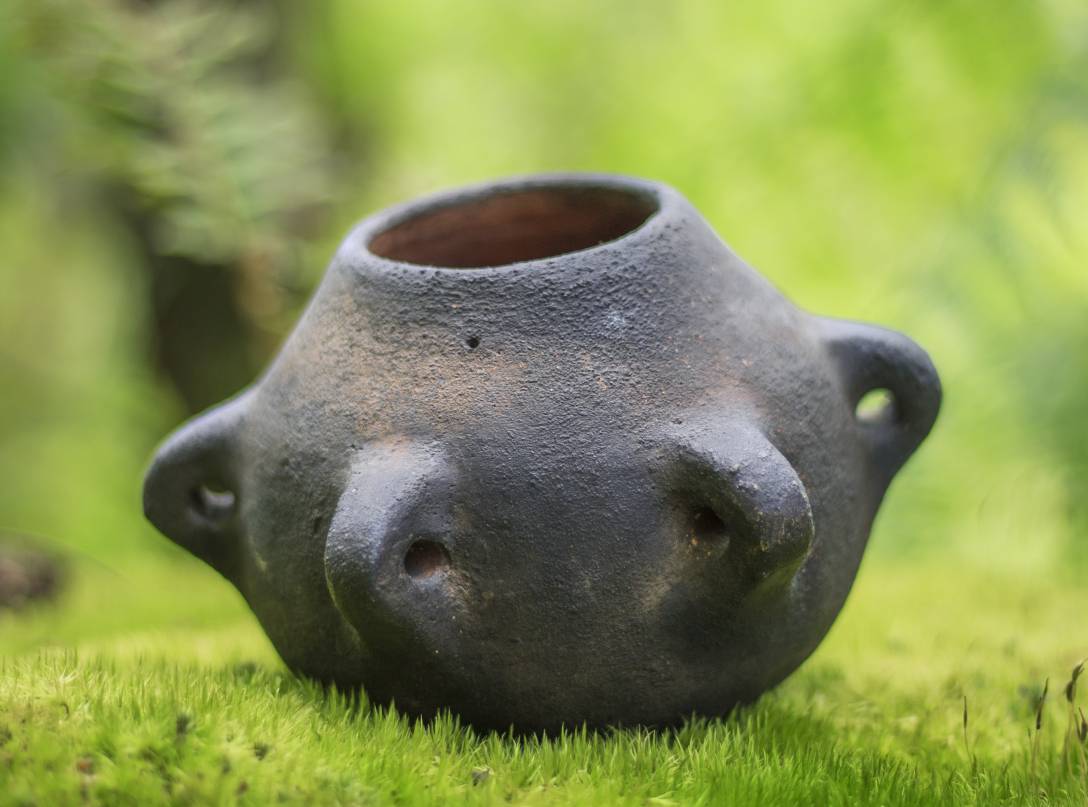
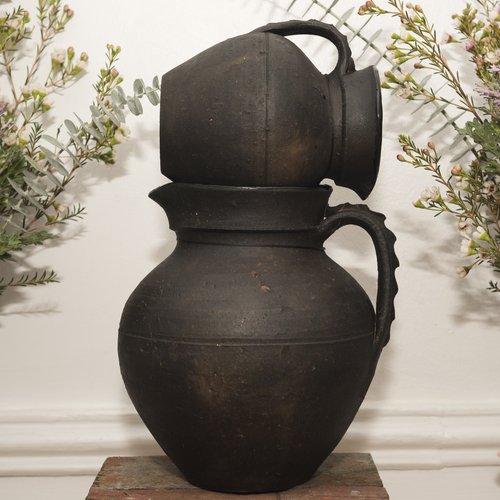
Sadly, Gundivós pottery, a millennia-old Galician craft, nearly vanished in the 20th century as cheaper industrial materials took over. Thankfully, it survived.Traditionally, artisans used this glossy black pottery in kitchens and wineries, waterproofing it with pitch resin to store wine. This pitch, said to enhance wine’s taste, couldn’t handle heat or strong spirits, so it became a quiet secret among wine lovers.
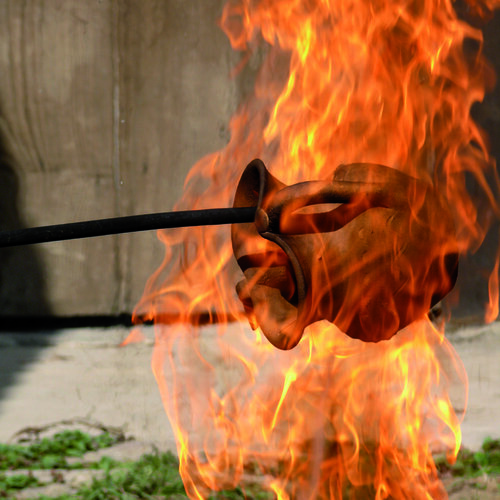
Today, artisans still use the same smoking and pitch coating to create pieces with that unmistakable shiny black finish, while non-waterproof pieces retain a warm blond tone.
Designer Tip:
This striking black pottery makes an exceptional focal point, imagine it as a bold vase with fresh blooms, a sculptural statement holding a lush plant, or letting your Mencía wine breathe in style before dinner, just as it has done for centuries.
If you want to take your design (and wine) passion a step further, why not visit a workshop in Figulus, Proendos, in Sober to see this heritage in action and select a piece that truly tells a story in your space?
Clay and Craft: The Making of Galician Ceramic
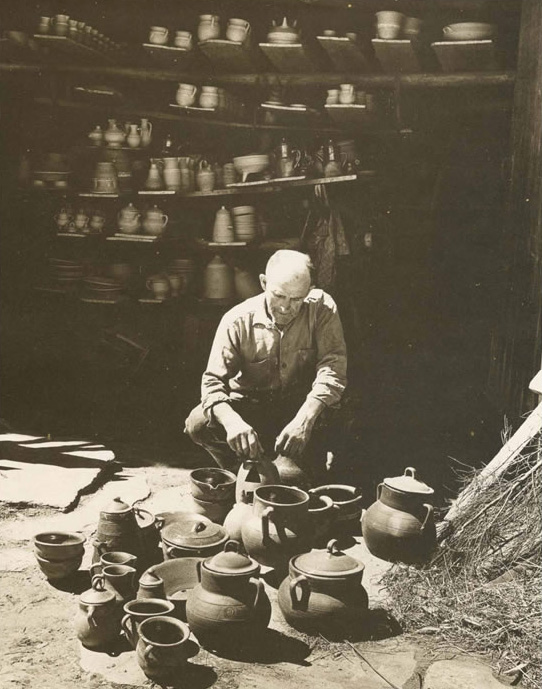
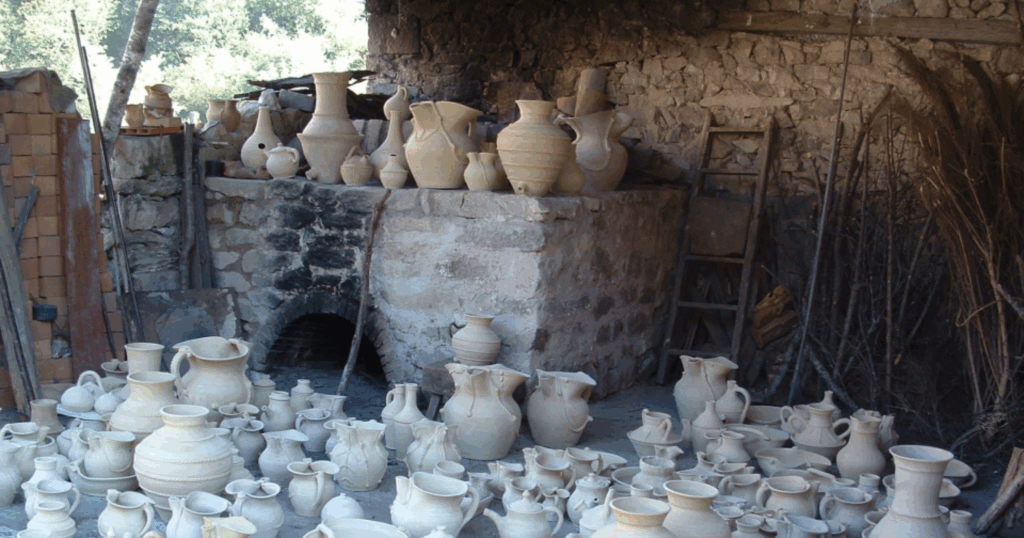
Whether it’s the iron-rich red clay of Buño, the porcelain-like whiteness of Niñodaguia, or one of the many clays drawn from Galicia’s mist-laden landscape, these pieces share a common thread: each is shaped by the hands of artisans who continue a centuries-old craft with care and conviction. Local clay meets skilled palms in a measured dialogue of hand-building and wheel-throwing, creating vessels that feel instinctively alive.
Then comes the fire. Many makers still rely on wood-fired kilns, allowing flame and ash to leave their quiet signature, resulting in surfaces that are never quite the same twice. Unglazed or softly burnished finishes catch the light with an earthy subtlety, while smoke firing and natural glazes introduce tones that echo mossy forests and Atlantic air. In a world increasingly drawn to the uniform, Galician pottery stands apart; soulful, tactile, and beautifully imperfect, bringing depth and authenticity to interiors that value craft over polish.
Function, Form, and Folklore
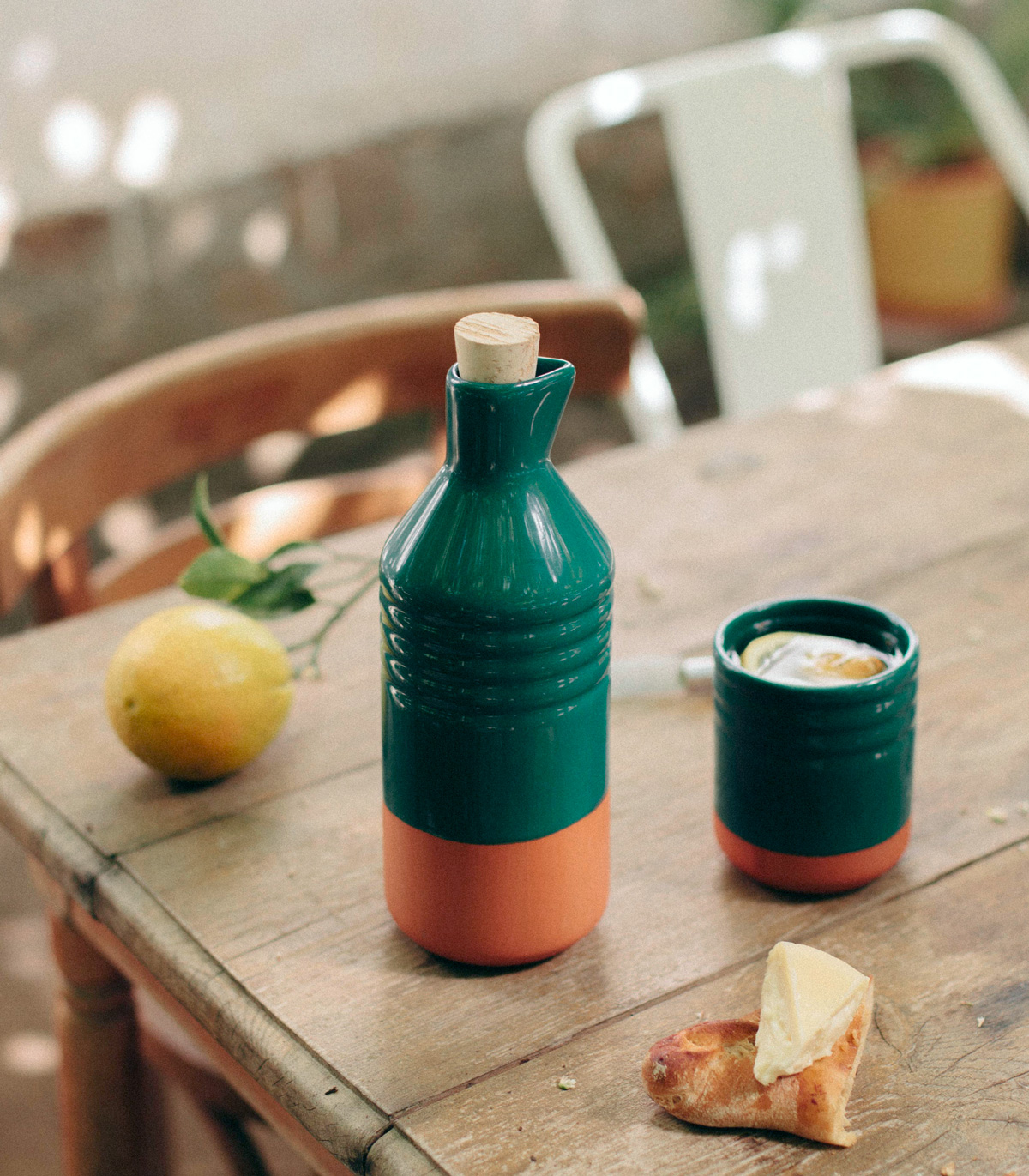
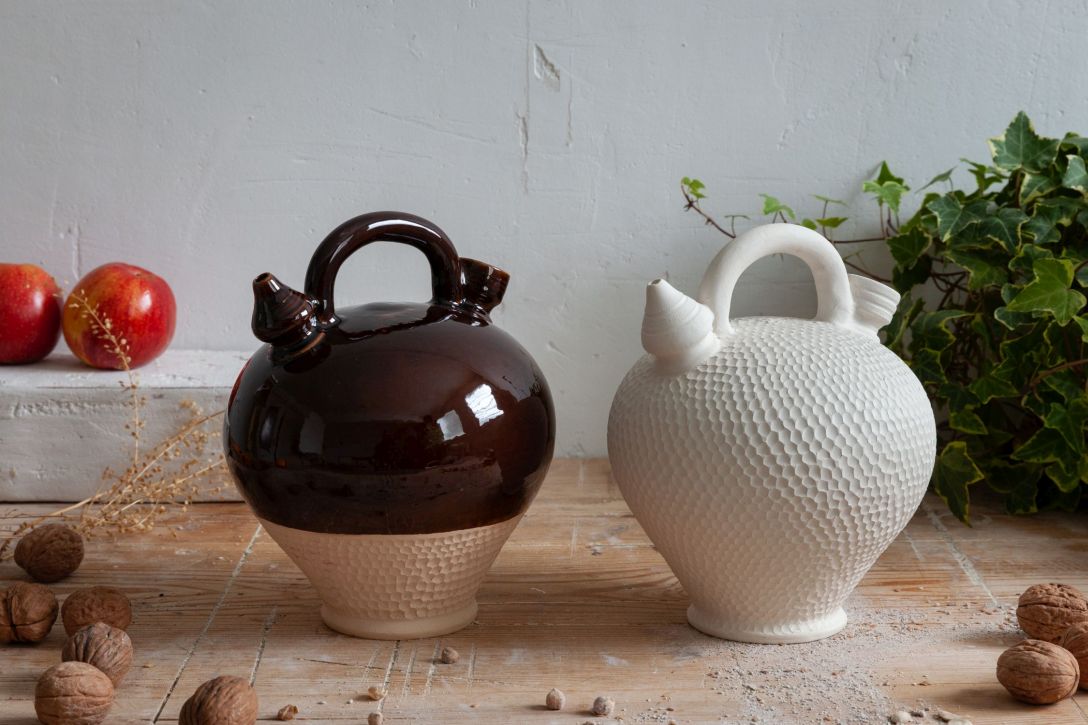
Galician pottery has long served both everyday and ceremonial roles, seamlessly weaving function and meaning into its forms. In daily life, potters crafted ollas for simmering stews, cántaros for storing and pouring water, and wine pitchers ready to cradle local Ribeiro and Mencía wines at the table. Beyond the hearth, pottery stepped into ritual, with queimadores—incense burners—used in spiritual practices and seasonal ceremonies, their smoke rising from clay vessels shaped by generations of hands. Each piece, whether for the kitchen or the altar, reflects a quiet continuity between practical life and tradition, embodying the enduring spirit of Galicia in clay.
Contemporary Galician Ceramic Brands to Follow
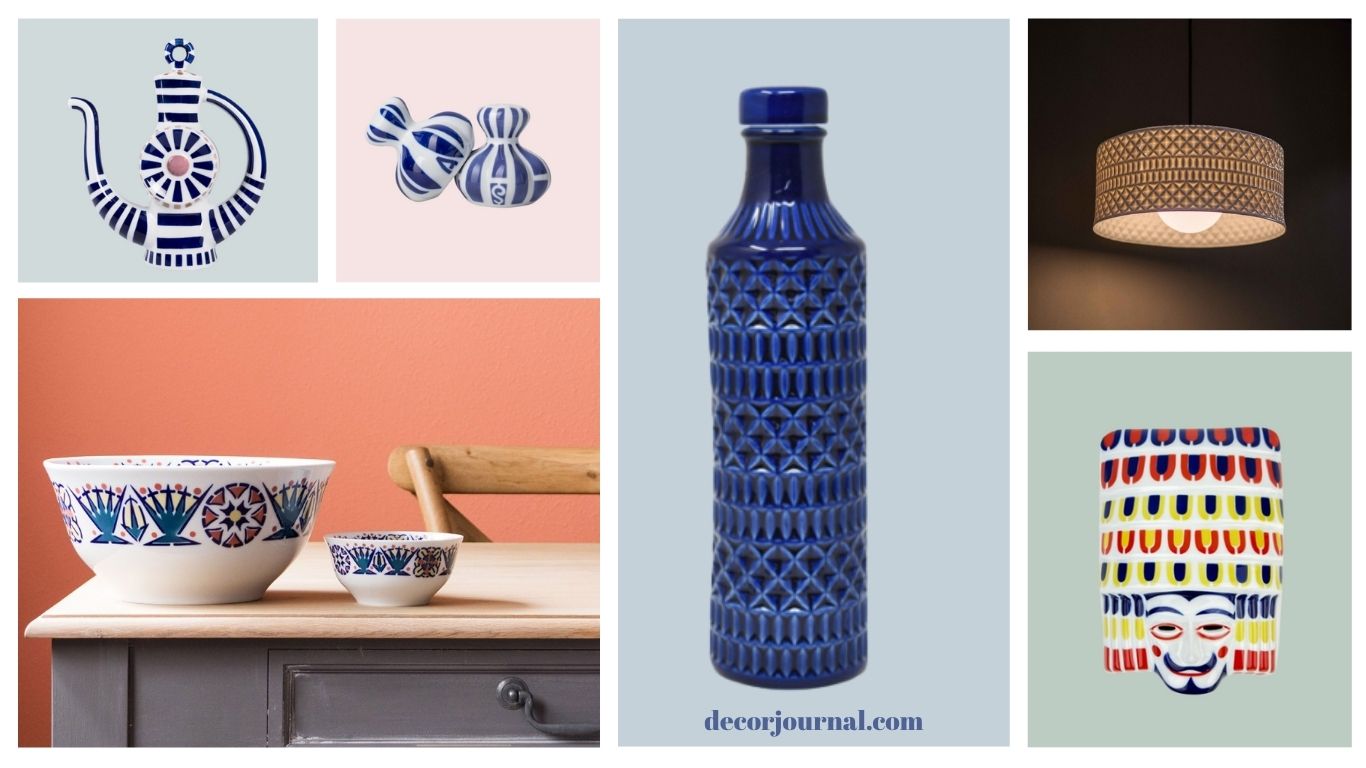
Sargadelos Galician Ceramic
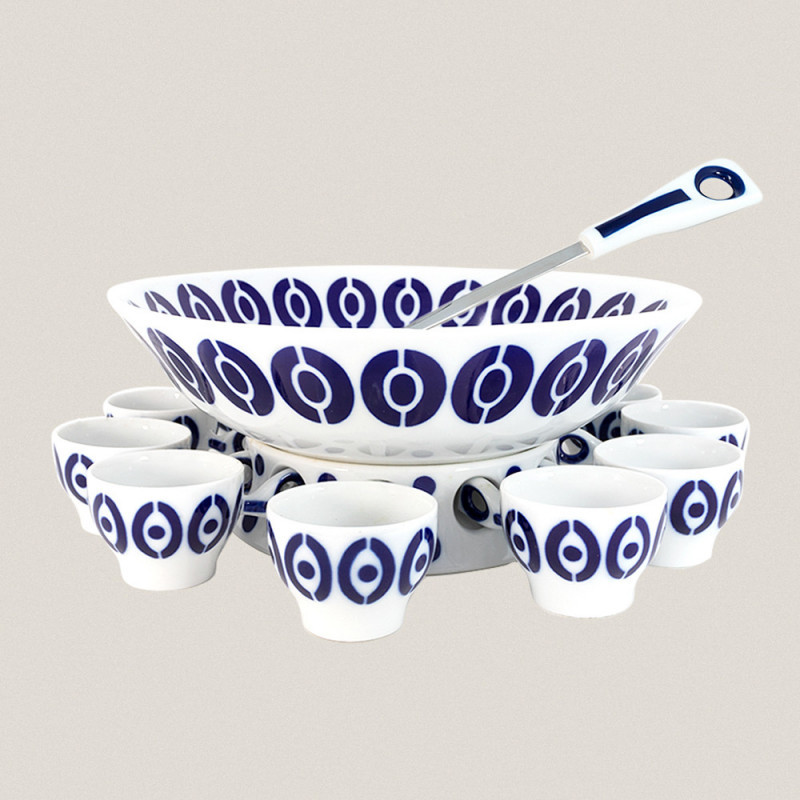
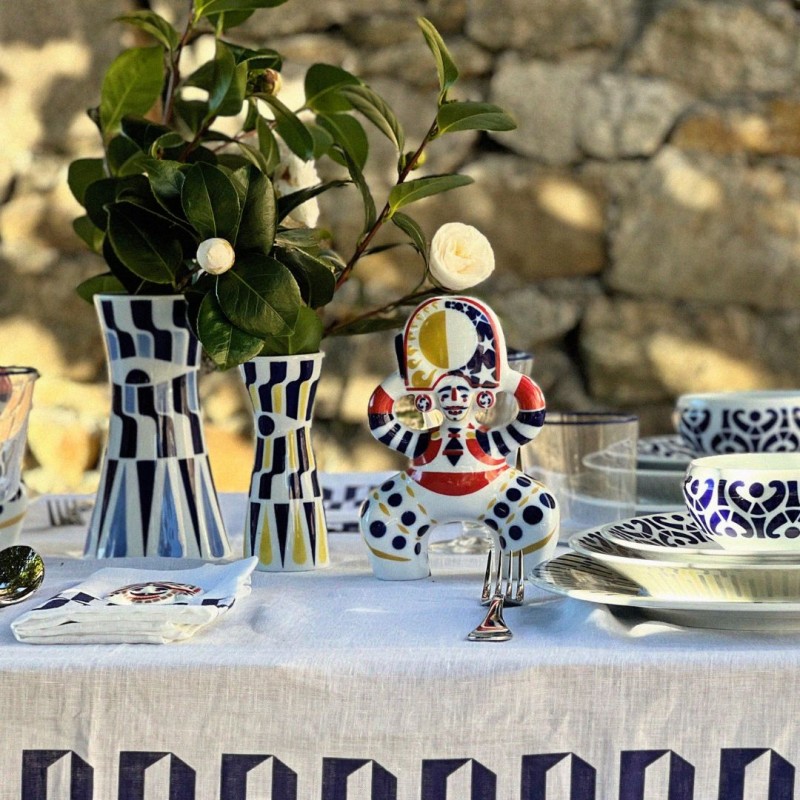
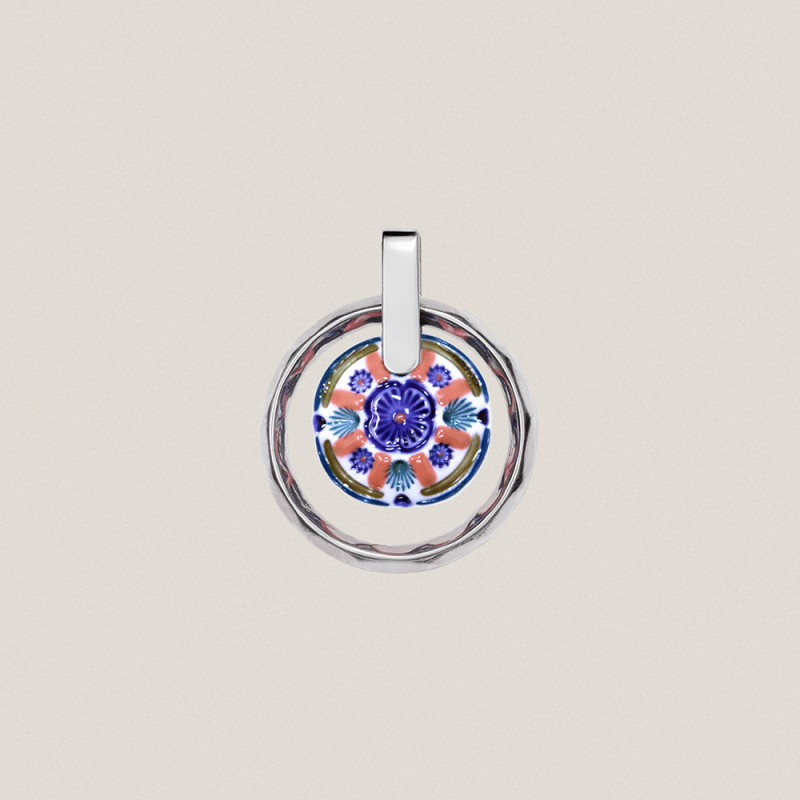
If you’re looking for timeless tradition seamlessly reimagined with a contemporary edge, Sargadelos embodies precisely that balance. Best known for its striking blue-and-white pottery, featuring bold geometric and Celtic-inspired designs. Founded in 1806 by Antonio Raimundo Ibáñez, the Marqués de Sargadelos, the project aimed to transform both industry and art in Galicia. Today, their collection spans from stunning decorative pieces to elegant accessories. If you love their work as much as I do, you don’t have to limit it to your home, Sargadelos’ beautiful jewelry lets you carry a piece of Galicia’s heritage wherever you go, elevating your style and your space simultaneously. And for a truly immersive experience, don’t miss the Museum of the Royal Sargadelos Factory, nestled in the charming small town of Cervo.
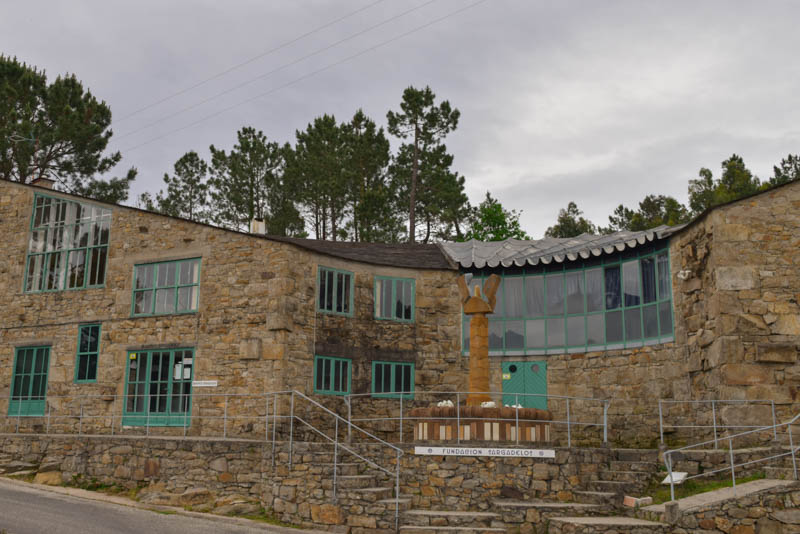
O Castro Galician Ceramic
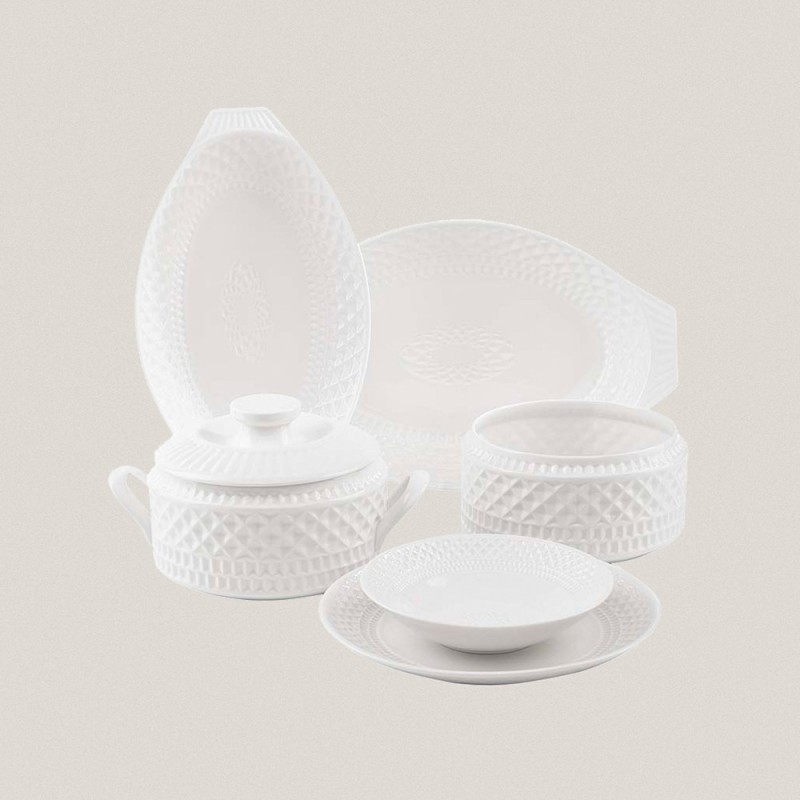
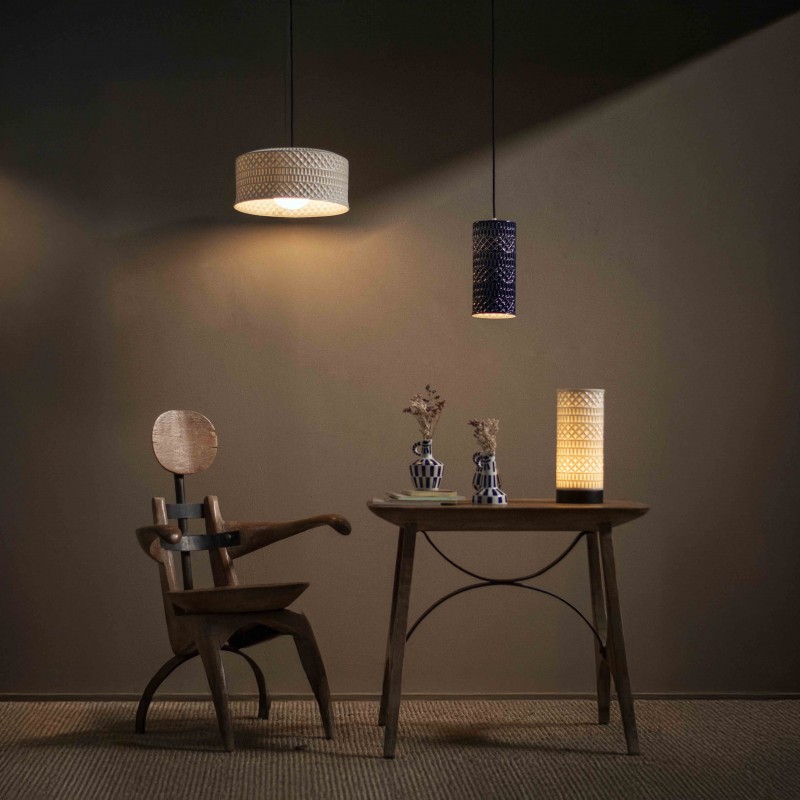
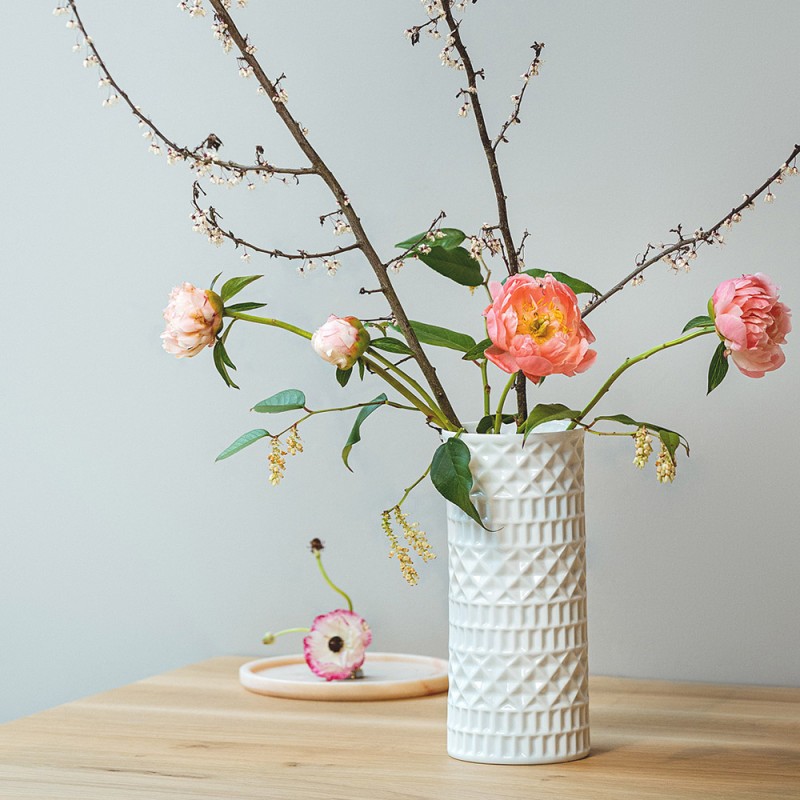
O Castro is, quite simply, the Bauhaus of Galician design, where timeless craft meets fearless experimentation. Nestled in Sada, A Coruña, and now operating in tandem with Sargadelos, these iconic brands have seamlessly integrated while preserving their singular identities. Founded by Isaac Díaz Pardo in the late 1940s, O Castro transformed from a modest workshop into a pioneering porcelain factory, weaving Galician craftsmanship with modern design and forward-thinking production.
By the 1960s, O Castro was boldly carving its story into the very clay it shaped, introducing pieces with sculpted relief motifs inspired by Galician culture and tradition. Designs like “portomarínica,” “cuncha,” “follas,” “castrondóurica,” and “vilar de donas” became instant classics, and many continue to grace homes today, unmistakably O Castro in their elegant forms and quiet confidence. Whether you’re looking to add interest and texture to a special dining table with their timeless porcelain or to softly illuminate a corner with their beautiful pendant lampshades, O Castro pieces bring a layer of artful storytelling to any space.
If you want a more in-depth O Castro experience, you can visit the Carlos Maside Museum, as well as the Sargadelos factory and shop in Sada, A Coruña.
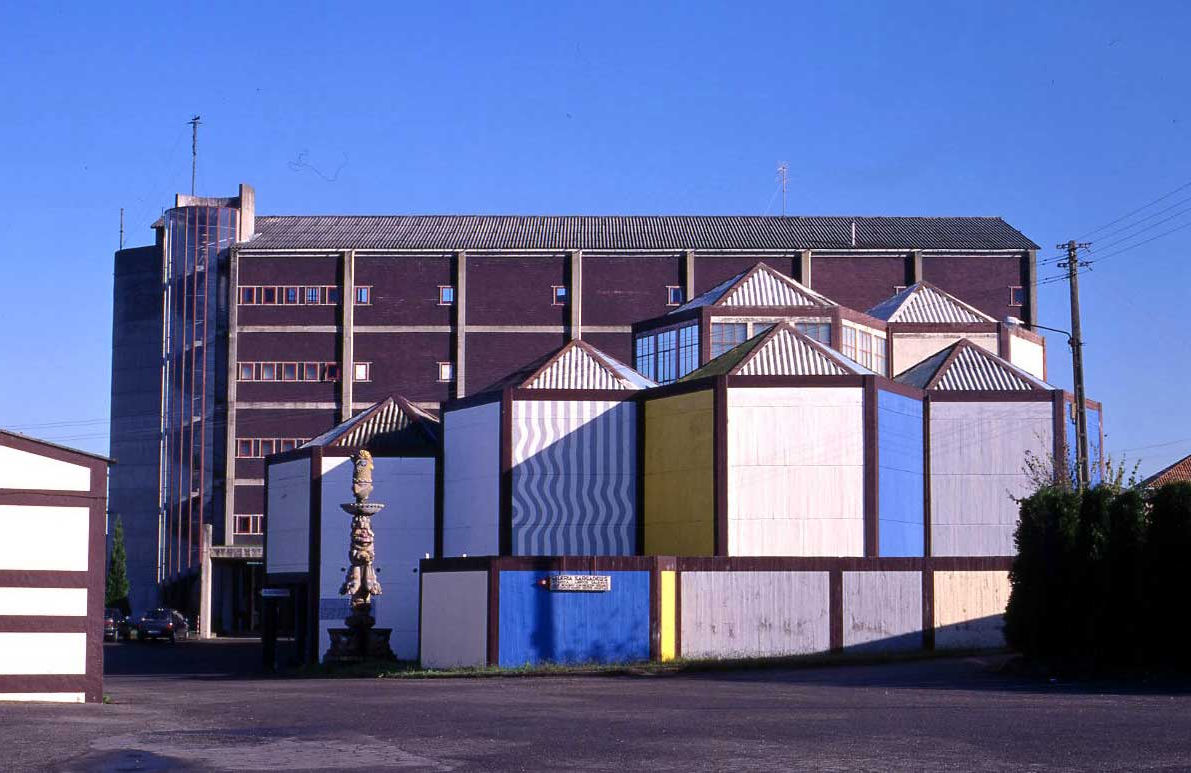
Discover Galicia Through Its Ceramics: A Cultural Journey
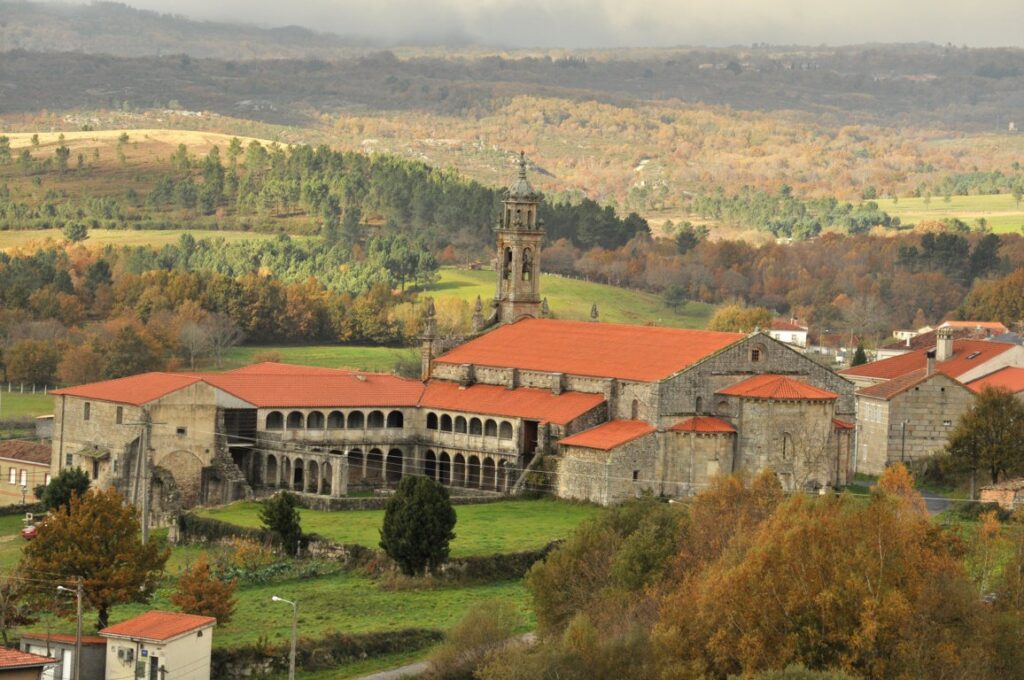
Exploring Galicia’s ceramic heritage is a beautiful way to immerse yourself in the region’s rich culture while enjoying breathtaking sights. Many of these destinations are nestled amid stunning landscapes, offering scenicwalking routes and a gastronomy like no other. Whether you’re wandering coastal trails or savoring fresh seafood, these ceramic stops will add depth and beauty to your journey.
Where to See and Buy Galician Ceramic
Exploring Galician pottery is also a wonderful opportunity to support local artisans and sustainable practices:
- Local Artisan Shops & Cooperative Stores
Across Galicia, you’ll find small workshops and cooperatives where you can watch potters at work and purchase unique, handmade pieces directly from the makers. - Galician Craft Fairs & Pottery Festivals
Annual fairs such as the Feira da Olería de Buño and craft markets in Santiago and Lugo are excellent for finding traditional and contemporary ceramics while meeting the artisans who keep these techniques alive. - Museum Shops (e.g., Museo de Sargadelos)
Many museum gift shops offer curated selections of locally made ceramics, letting you take home a piece of Galician culture while supporting cultural institutions. - Tips for Responsible Artisan Tourism
• Choose authentic, locally made ceramics over mass-produced imitations.
• Visit workshops to see the making process and appreciate the craftsmanship.
• Share your experience to help support the visibility of small Galician potters.
Must-Visit Ceramic Destinations in Galicia
Sargadelos Factory and Shop (Sada, A Coruña)
Experience the iconic Galician porcelain brand, watch artisans at work, and browse their stunning collections.
Cerámicas de O Castro (Sada, A Coruña)
Dive into the legacy of Isaac Díaz Pardo and admire ceramics that blend tradition with modern design.
Carlos Maside Museum (Sada, A Coruña)
Discover the artistic roots of Galician ceramics in this intimate museum dedicated to local art and culture.
Museo do Castro de Viladonga (Lugo)
Explore archaeological finds alongside traditional ceramic pieces in a rural landscape perfect for walking.
Museo Provincial de Lugo
Home to exhibitions showcasing Galician pottery history alongside broader cultural artifacts.
Cerámicas de Buño (Buño, Ferrolterra)
Visit this village famous for hand-painted ceramics still crafted using ancient family techniques.
Museo de Cerámica y Artesanía (Buño, Ferrolterra)
Learn about Buño’s ceramic tradition through interactive exhibits and workshops.
Exploring these Galician ceramic destinations is a rewarding way to immerse yourself in Galicia’s culture, discover hidden towns, and bring home ceramics with a story—while enjoying some of the region’s most stunning natural and culinary delights along the way.
Galician Ceramic as a Living Tradition
Galician Ceramic isn’t just a relic of the past—it’s a living, evolving tradition that continues to shape the region’s cultural identity today.
New Generations Reinterpreting Old Techniques
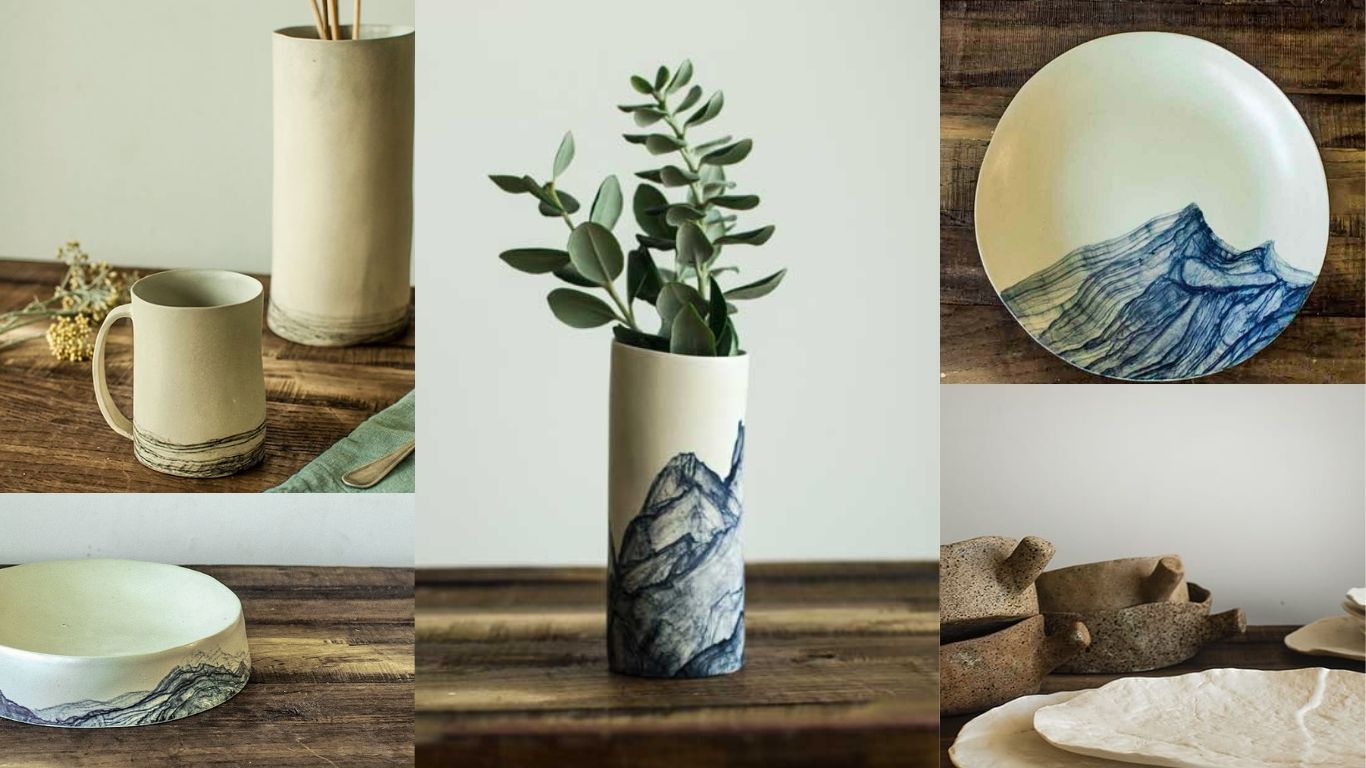
Across Galicia, a new generation of artisans are breathing fresh life into ancestral pottery techniques, blending traditional forms with contemporary design to keep the craft relevant in today’s homes. Among them is Vigo-based Ana Tenorio, the creative force behind Witchneeds. From her studio, she reimagines ceramics as a dialogue between art and nature, using local clays and primitive methods to craft pieces that capture the magic of the handmade. Her work has found a place not only in homes but also in high-end dining, through collaborations with renowned restaurants such as Aponiente, Casa Solla, and Eirado da Leña.
Where Tradition Meets Innovation
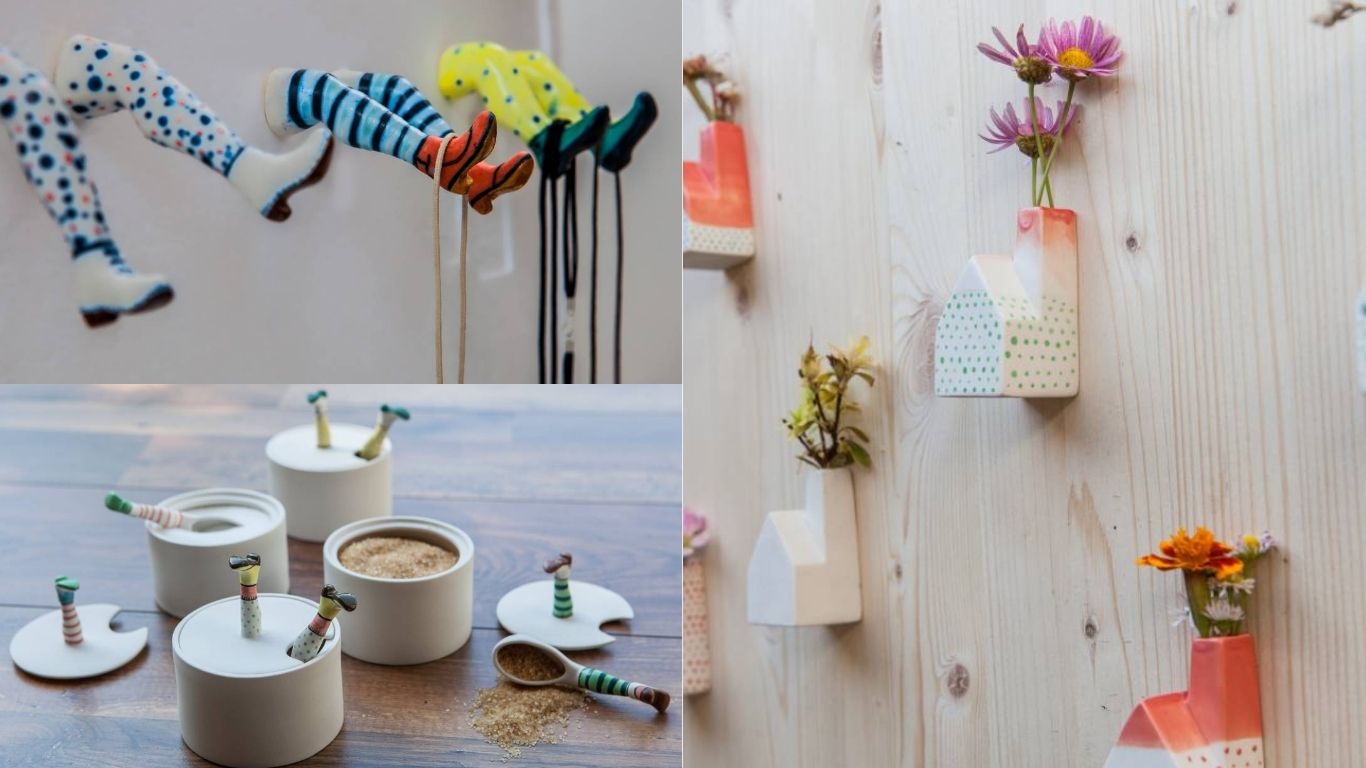
From bold glazes and experimental shapes to refined interpretations of traditional relief motifs, Galician ceramics today embody a vibrant fusion of heritage and innovation. Artists like Esther Quintas, based on Calle Lugo in Vigo, bring a playful edge to the craft with her quirky, distinctive designs, ensuring this age-old tradition continues to evolve with character and creativity.
Pottery Schools and Workshops for Visitors
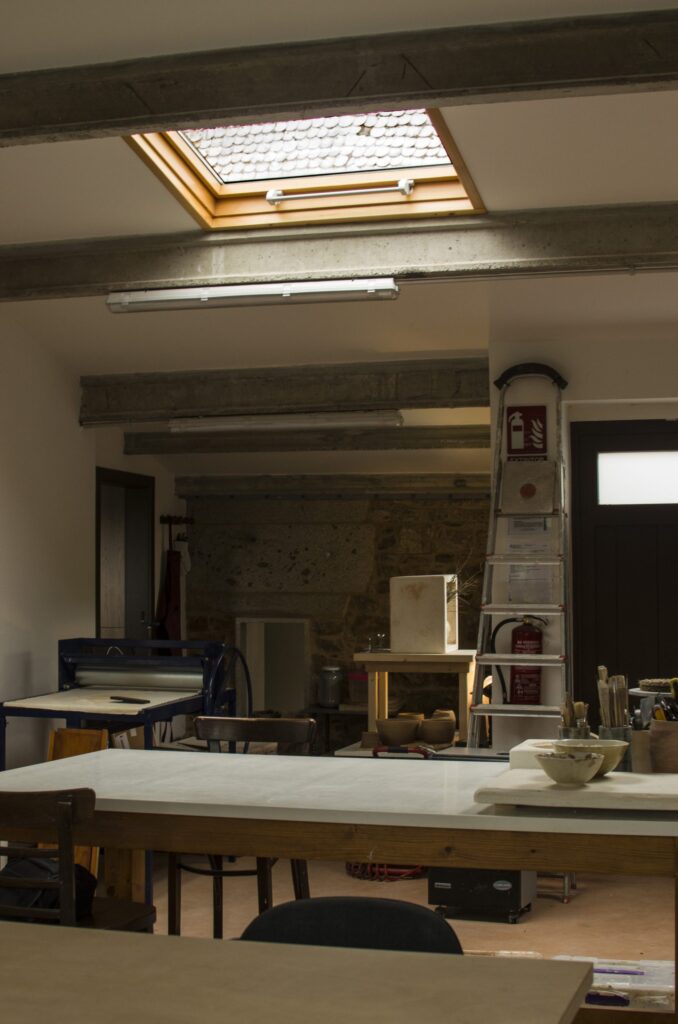
Take your artistic spirit one step further and get your hands delightfully dirty at a pottery atelier like Raposinhos, Coruña. These charming workshops often offer short, hands-on sessions where you can spin the wheel, shape the clay, and craft a keepsake that’s uniquely yours. It’s not just a souvenir; it’s a little piece of your journey, moulded by hand and heart.
Exploring Galicia’s living pottery tradition offers a rare chance toconnect with the region’s past while witnessing its creative future unfold.
Galicia’s pottery heritage is a unique contribution to the ceramic arts, weaving together centuries of tradition with fearless innovation. From thebold, sculpted motifs of Sargadelos andO Castro to the hand-thrown clay of Buño, each piece tells a story of place, people, and pride.
On your next visit to Spain, we encourage you to explore Galicia’s local crafts, walk the coastal trails, and discover the vibrant communities that keep these traditions alive.
Discover a piece of Galicia you can take home, made from earth, fire, andcenturies of tradition.