
I have to confess, I’m guilty of a rather charming (probably really annoying) cohesive home design quirk. I can’t resist diving into endless home décor articles and pointing out how the stylish, the chic, and the effortlessly elegant manage to carry colour and character through every corner of their homes. And, as if that weren’t enough, I’ve developed the slightly exasperating (yet endearing, I hope) habit of narrating 60-30-10 colour schemes out loud whenever I set foot in an IKEA. Consider it my version of reading the room, literally.
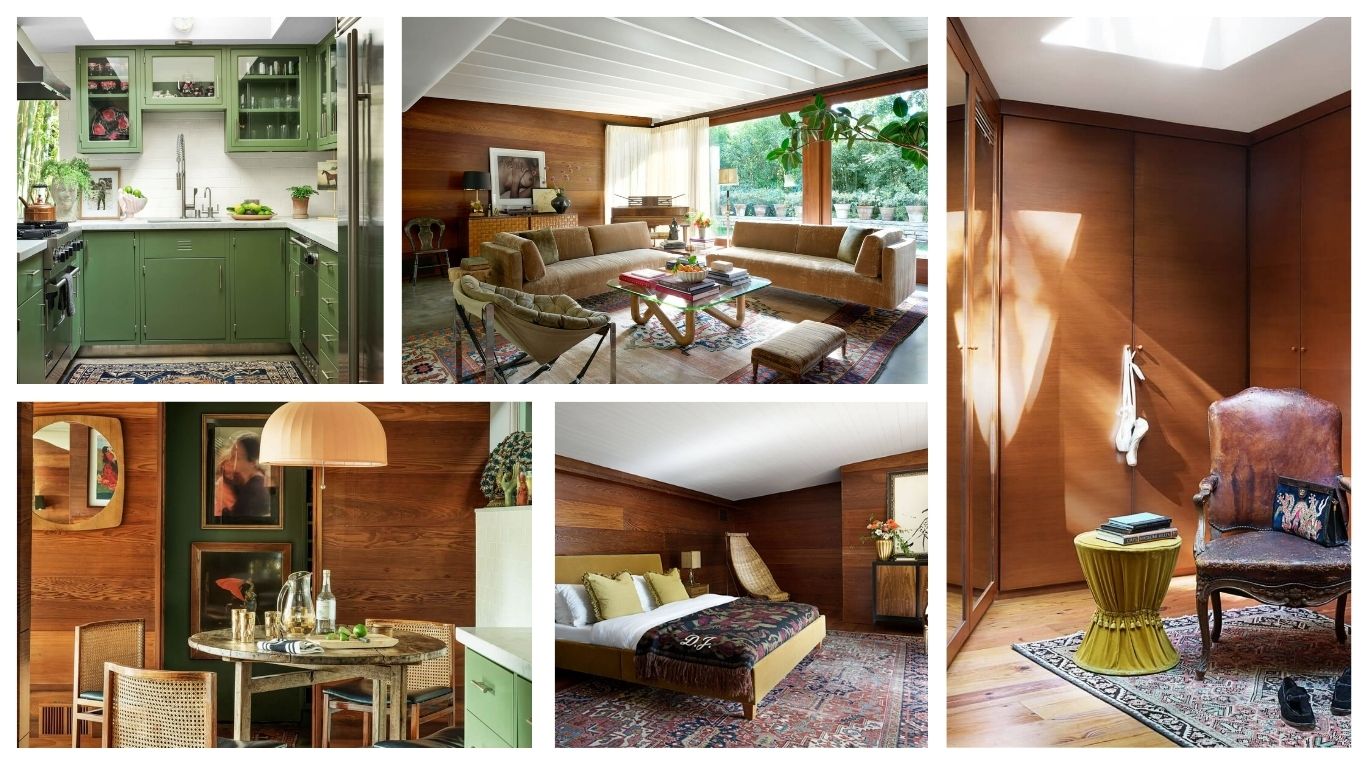
Now, when I say cohesive, I don’t mean coordinated. A harmonious home isn’t about perfect symmetry; it’s about flow, feeling, and those subtle echoes that connect one space to the next. I’ve always believed a home should feel gathered, not assembled in a single afternoon. There’s a quiet magic in a room that tells its story through layers, pieces collected, not prescribed; lived with, not simply placed.
Table of Contents
Begin with Feeling, Not Furniture
I don’t want to sound too cliché, but your home really is your sanctuary, a refuge from the outside world. That’s why it’s worth being mindful when you think about creating a cohesive home design. Before diving into colour schemes and wallpaper samples, take a step back and ask yourself how you want your home to feel. Warm and grounding? Airy and light-filled? Perhaps gently nostalgic? It’s a step that’s far too easy to skip, but it’s the foundation of everything that follows.
Of course, that’s easier said than done. So where do you begin? Think about the places and moments that have brought you joy: a favourite café, a summer holiday, a friend’s kitchen you never wanted to leave. What textures, tones, or light lived there? Start gathering those feelings visually: create a mood board with snippets of nature, art, and travel, not just products. The goal is to capture emotion, not match paint swatches.
Create a Subtle Thread
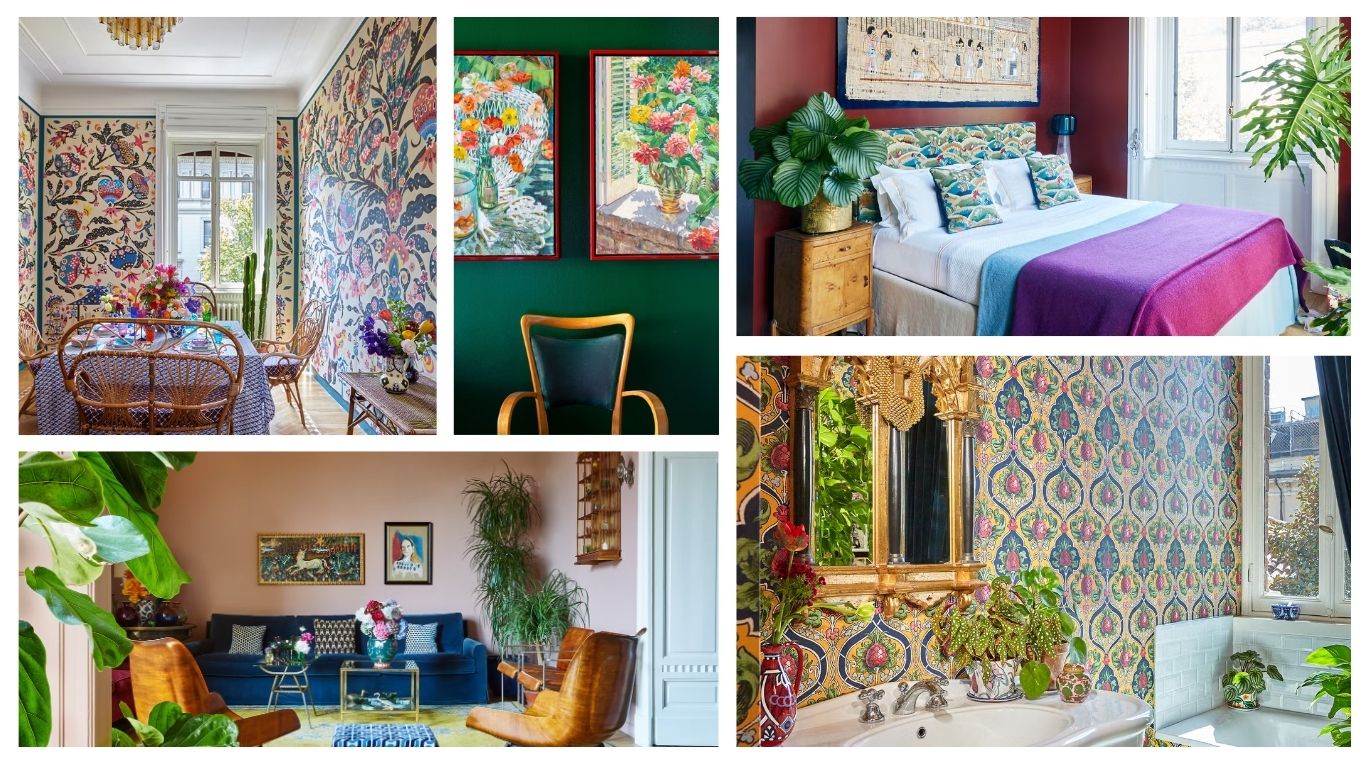
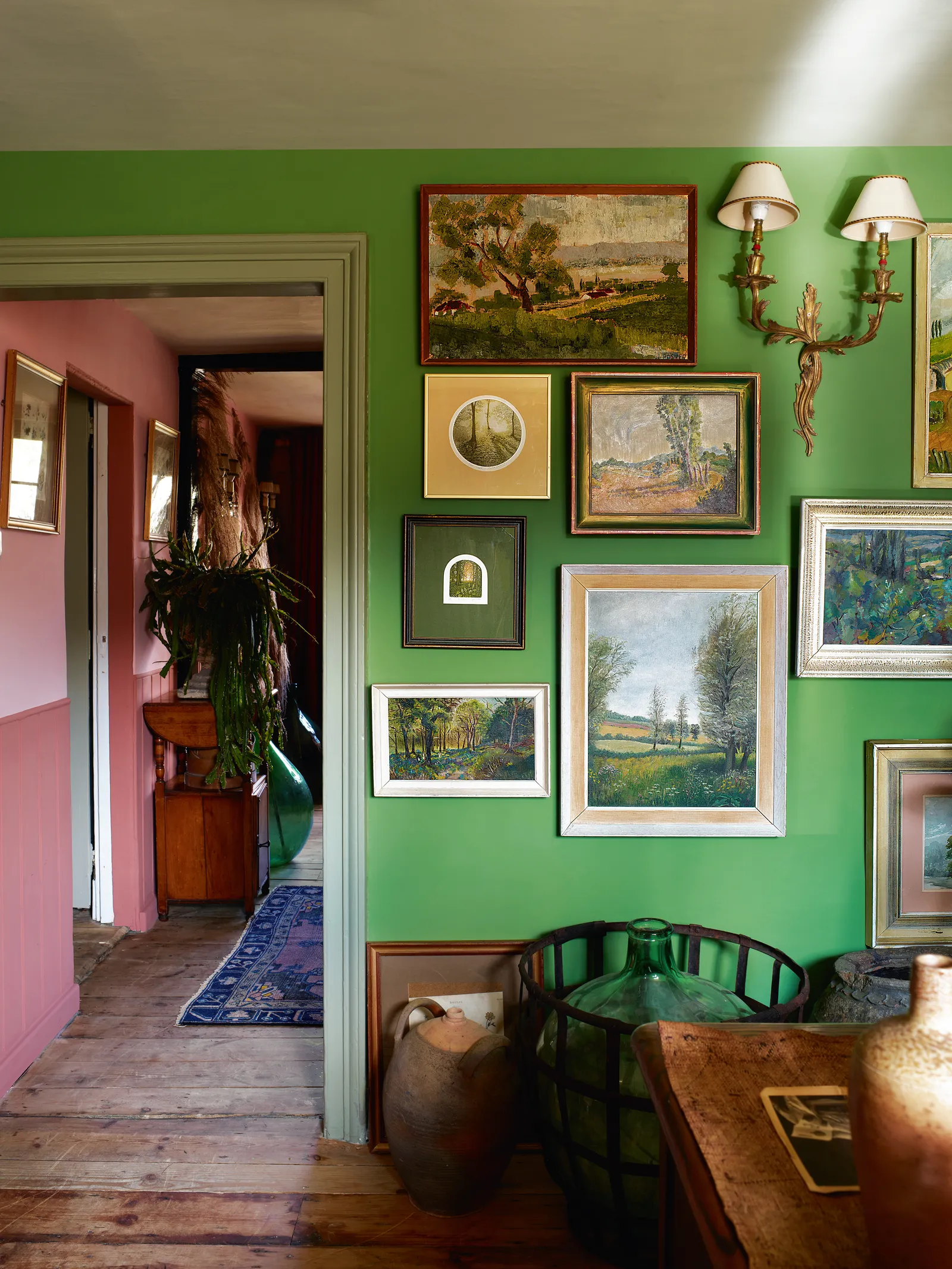
Cohesive home design often has a quiet through-line. It’s not about repeating the same colour, motif, or material in every room; it’s about rhythm, not repetition. Think of it as a gentle conversation between spaces. You might have green kitchen cabinets, for instance, and let that same tone whisper through elsewhere, perhaps in a velvet sofa or a set of cushions in a similar shade, offset by a touch of rusty red. In another room, that colour could reappear more subtly on a picture frame, a painted chair, or even a piece of pottery. By carrying a thread of colour, texture, or material from one space to another, you create a sense of flow that feels natural and unforced.
Mix, Don’t Match
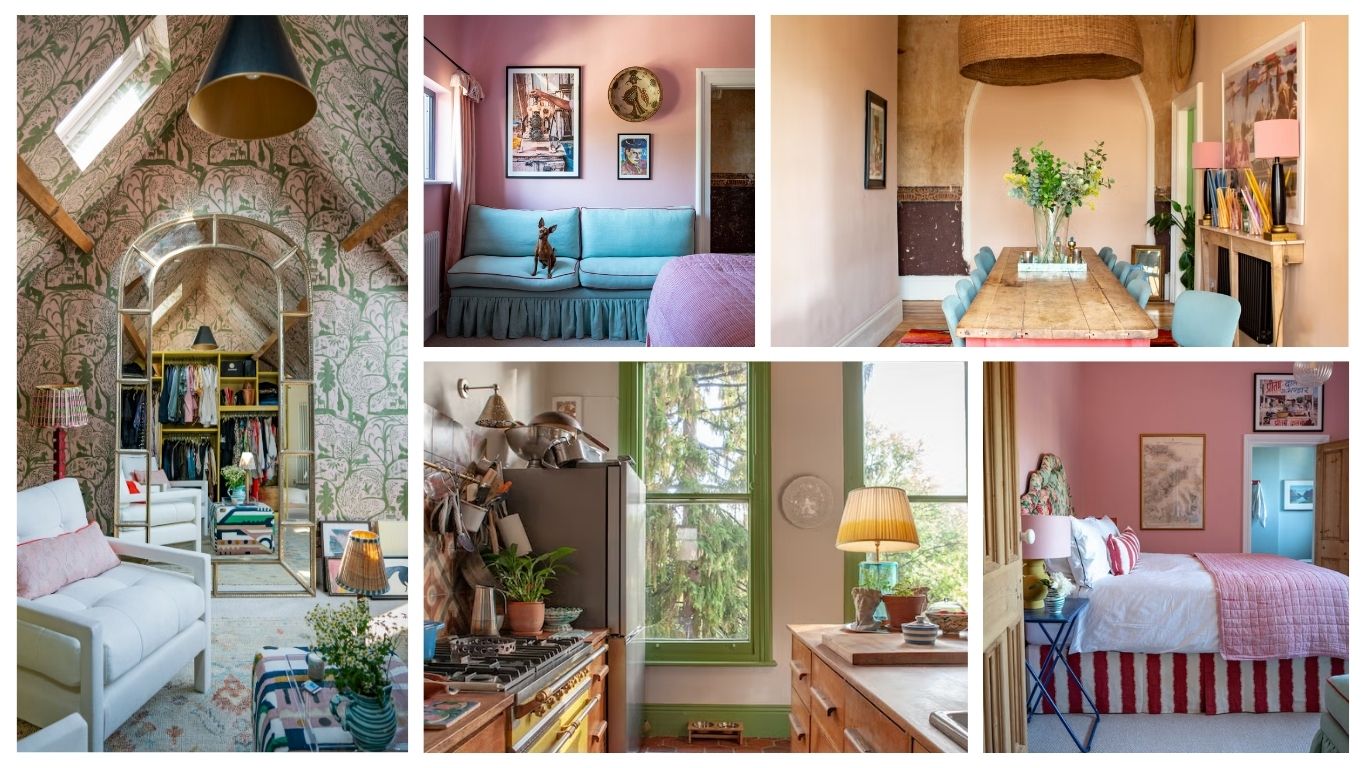
Just as colour creates rhythm, contrast brings depth. A home that feels alive always has a certain chemistry: a quiet dialogue between old and new, rough and refined. Don’t be afraid to mix a vintage table with modern lighting or to pair a time-worn cabinet with crisp linen curtains. The beauty lies in the understated balance between pieces, not their sameness.
Think of it like music: every note is different, but together they create harmony. The same applies to interiors; when styles and eras mingle, a space starts to feel layered and real. That balance between contrast and continuity is where the magic happens; it keeps a home from feeling too “done”.
Anchor Each Room with Something Familiar
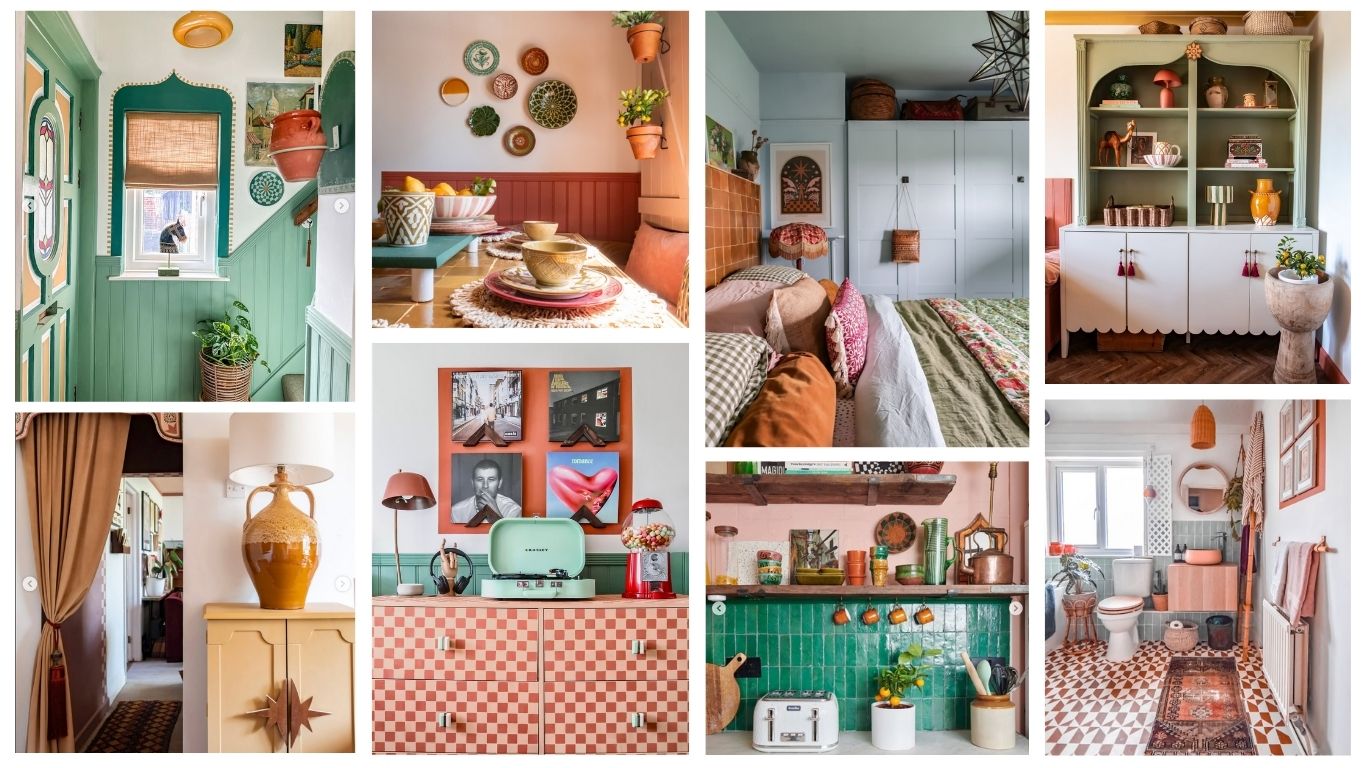
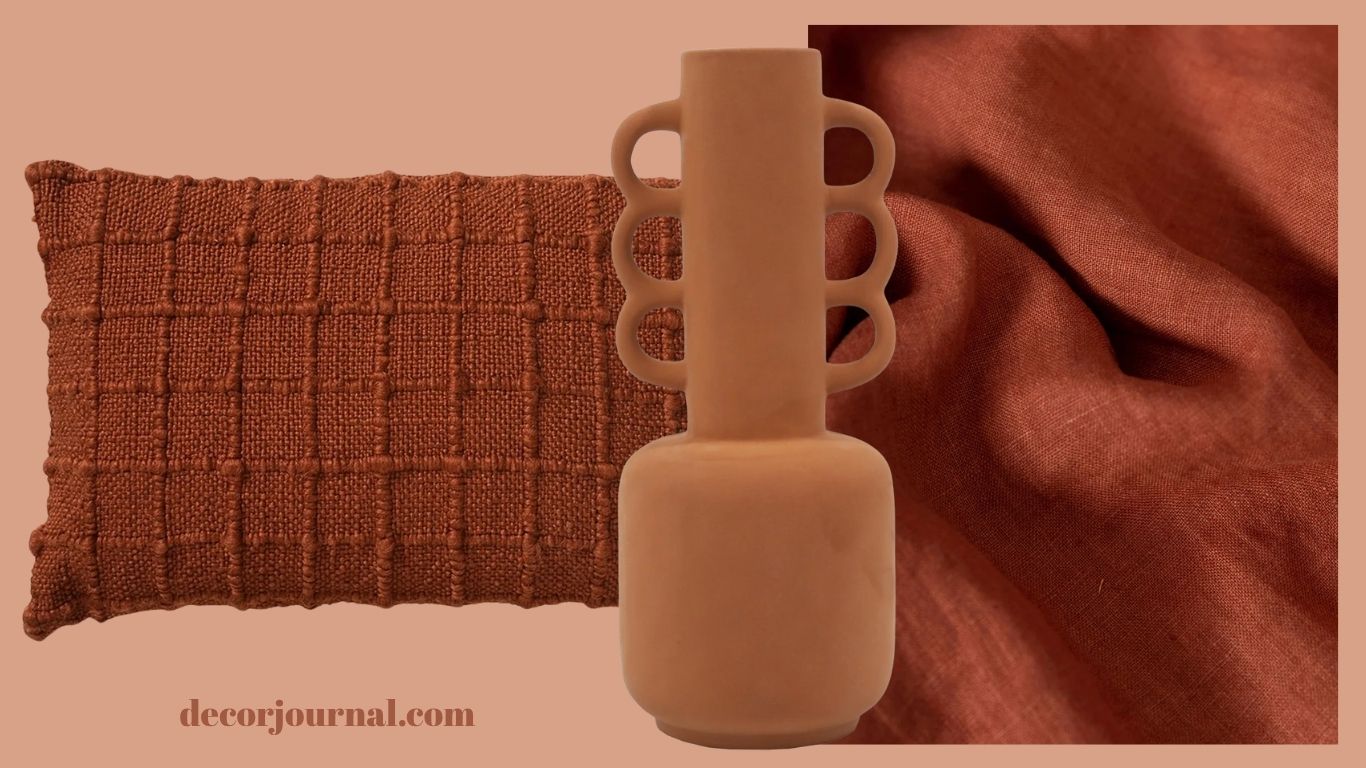
Now, all this might sound a little overwhelming, but it’s really quite simple, and you can start today, using what you already have at home. The trick is to carry one familiar element — a material, colour, or texture — from room to room, but let it play a slightly different role each time. Perhaps that earthy terracotta that appears as a cushion in the living room reappears in the kitchen as a bowl for fruit or a pot for utensils. It’s these quiet threads that make a home feel connected without looking too considered.
Embrace Negative Space
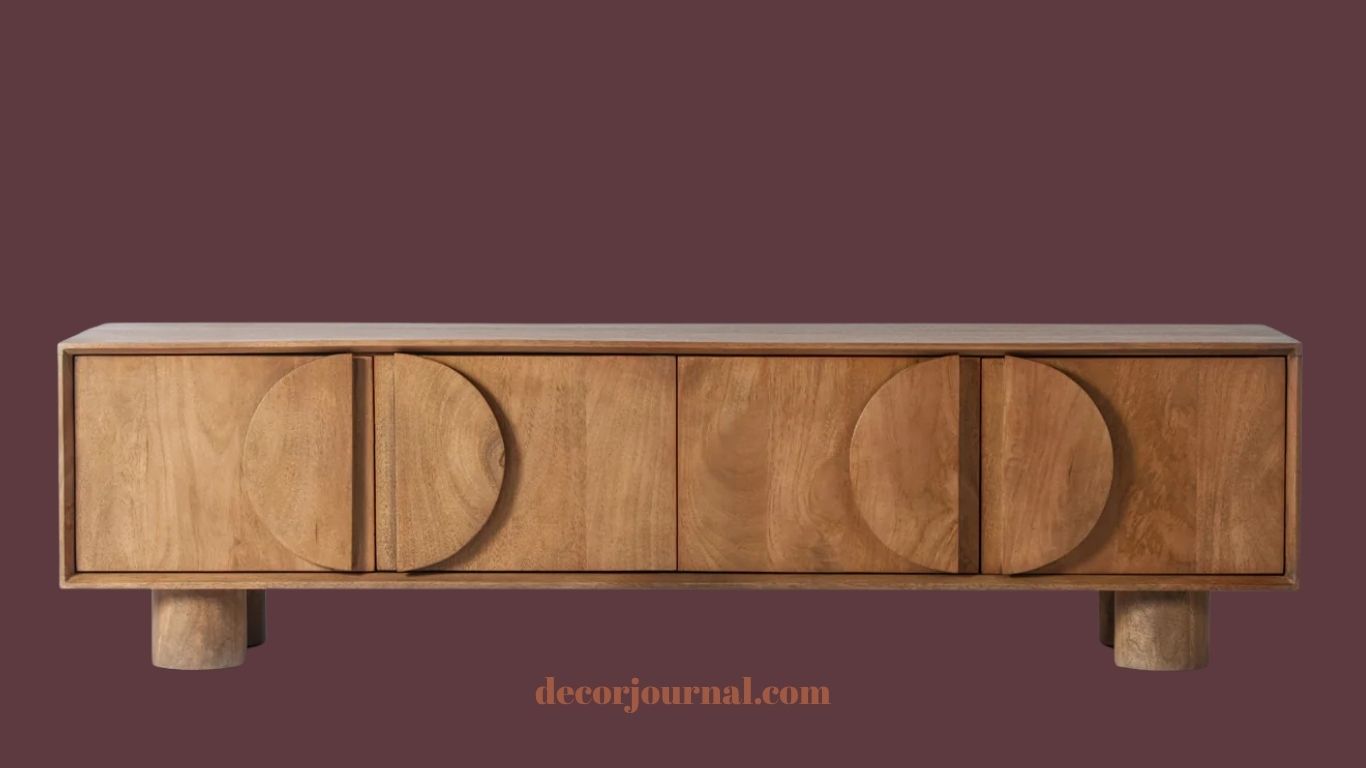
Don’t let an empty surface taunt you; not everything needs styling. A little visual breathing room is a good thing. In fact, it’s essential. Creating a cohesive home design is really about embracing the slow décor approach: allowing your space to gather layers and grow richer over time. Homes, like people, evolve. They reflect growth, change, and adaptability. So take your time; there’s absolutely no rush for anything to be perfect. I’ve lived in my home for 18 years, and it is by no means perfectly finished; it reflects the different stages of my children’s growth and how my husband and I have changed over the years.
Let Your Story Be the Glue
The most cohesive home design is the one that tell a single story: your own. They’re not built from catalogues or mood boards alone, but from the layers of a life well-lived. A pebble picked up on a walk, your grandmother’s jug, a painting from a market abroad – these are the quiet threads that tie a home together far more beautifully than any colour scheme ever could. When you weave in pieces that hold memory or meaning, something shifts. The space feels authentic, grounded, and unmistakably yours. After all, when each object has meaning, the home holds together naturally.
Closing: The Art of the Unfinished
In the end, a home isn’t cohesive because it’s coordinated; it’s cohesive because it feels lived in, layered, and loved. The best interiors aren’t rushed; they evolve gently, shaped by time and the lives lived within them. So take it slowly. Choose pieces that speak to you, let your rooms breathe, and allow your home to unfold naturally. Design with meaning, live with intention, and let time be your best decorator.