
Japandi style is a beautiful hybrid love affair between a Scandinavian cabin and a Japanese tea house, all carefully curated by Marie Kondo, with Ikea cheering from the sidelines. Think clean lines that don’t feel cold and warm woods that don’t feel cluttered. Add a plant or two that somehow always thrive (unlike your last Ikea fern, bless its soul).
It’s like your home is whispering, “Shhh, let’s slow down,” while handing you a linen throw and a matcha latte. It’s minimalist, but not the “I live in a white box with a single sad chair” kind—more the “I can finally breathe, and my slippers are really soft”.
Japandi decor lets you KonMari your chaos while still having a cosy corner to sip tea, read Murakami, or ponder why your cat insists on sleeping only on your nicest linen cushion.
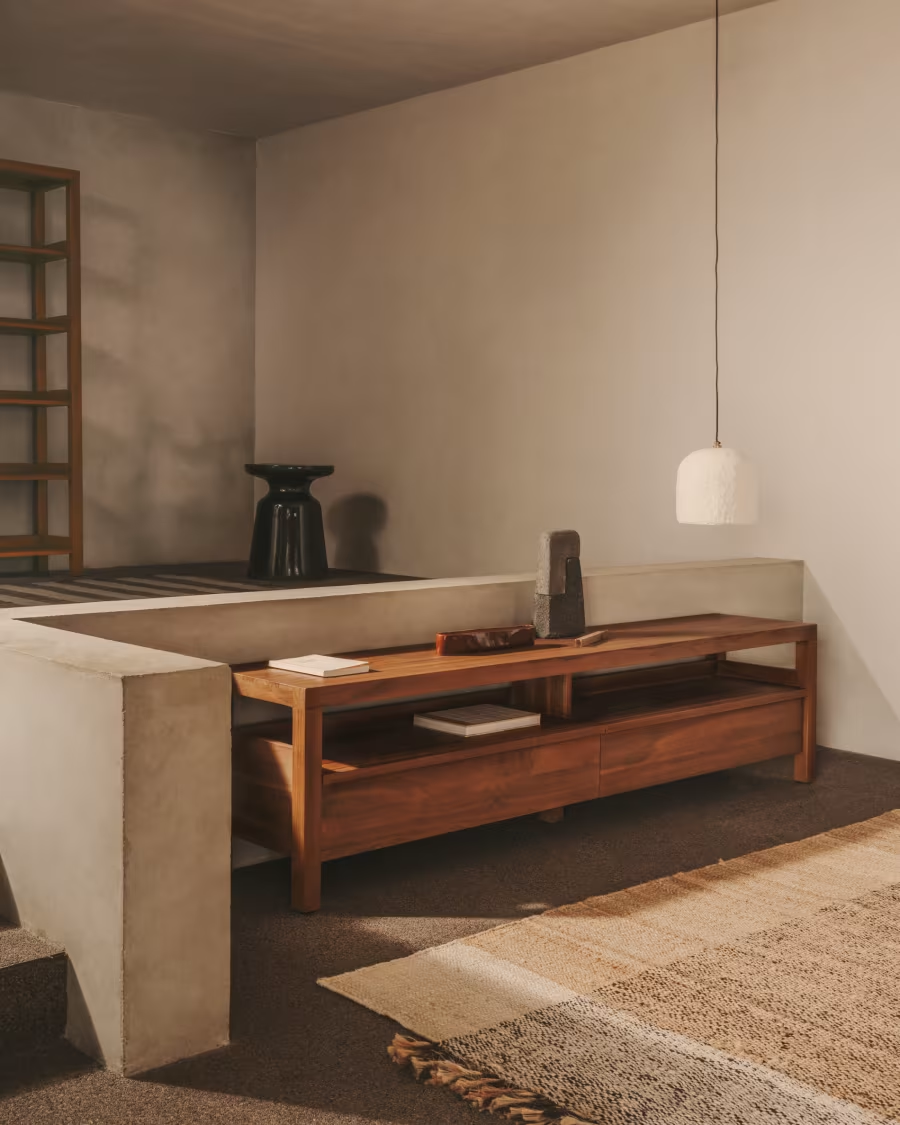
Table of Contents
Japandi Style Interiors: Calm Vibes, Warm Materials, Effortless Function
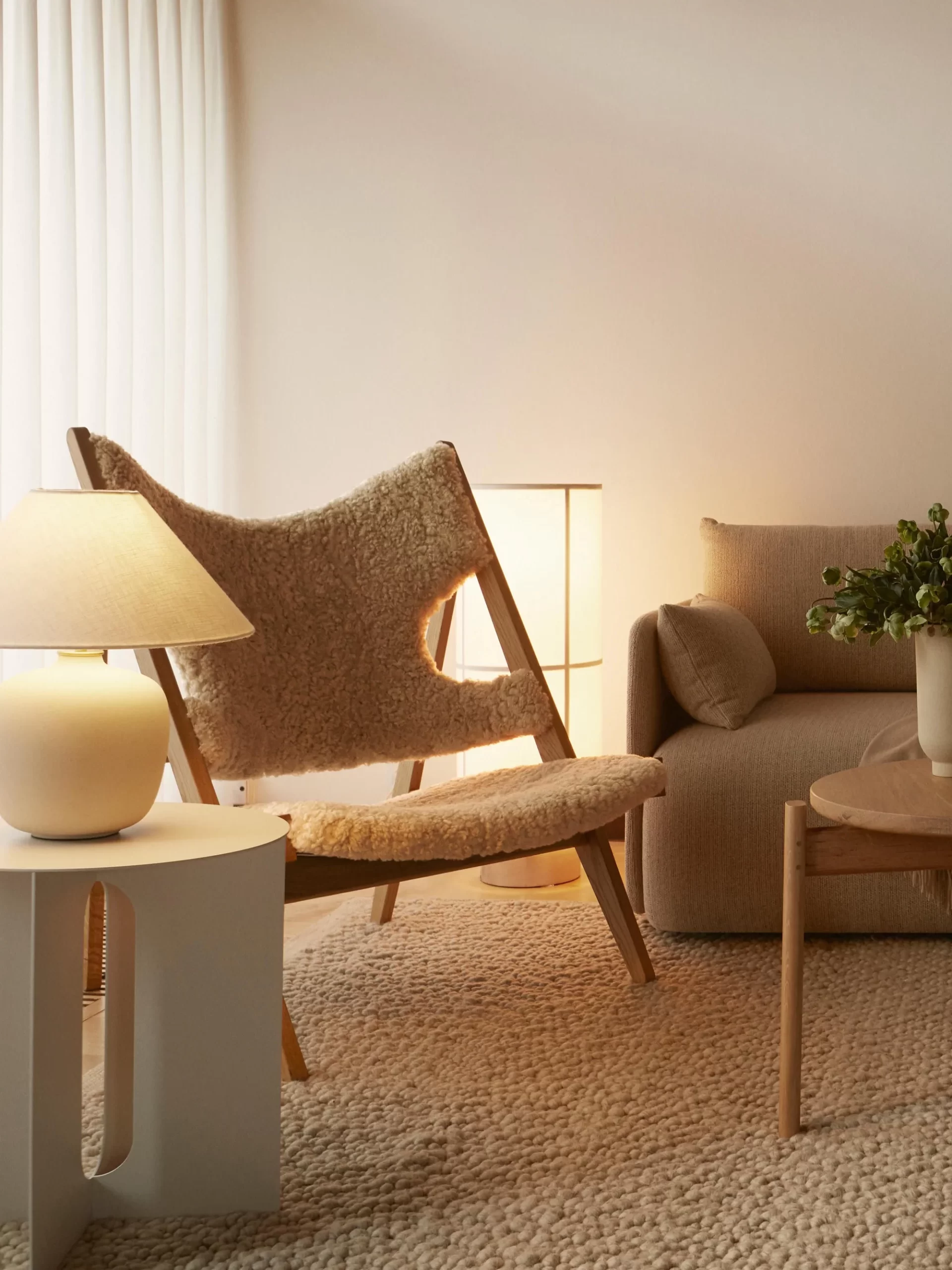
When it comes to “less is more” in interior design, it doesn’t mean living with nothing. It’s about surrounding yourself with pieces you truly need and love—things that matter and make your space feel like yours. And honestly, if something isn’t serving you, there’s a good chance it’s just waiting to live its best life in someone else’s home anyway.
I like to think there are two kinds of minimalism: cold and warm. Both have their charm. Cold minimalism leans into that crisp, gallery-like vibe—white on white, sharp lines, and the barest of essentials. Meanwhile, warm minimalism plays with cosy woods, soft textiles, and light-filled spaces that actually invite you in. It’s decor that feels homely and calming, not the kind of room that makes you afraid to exhale.
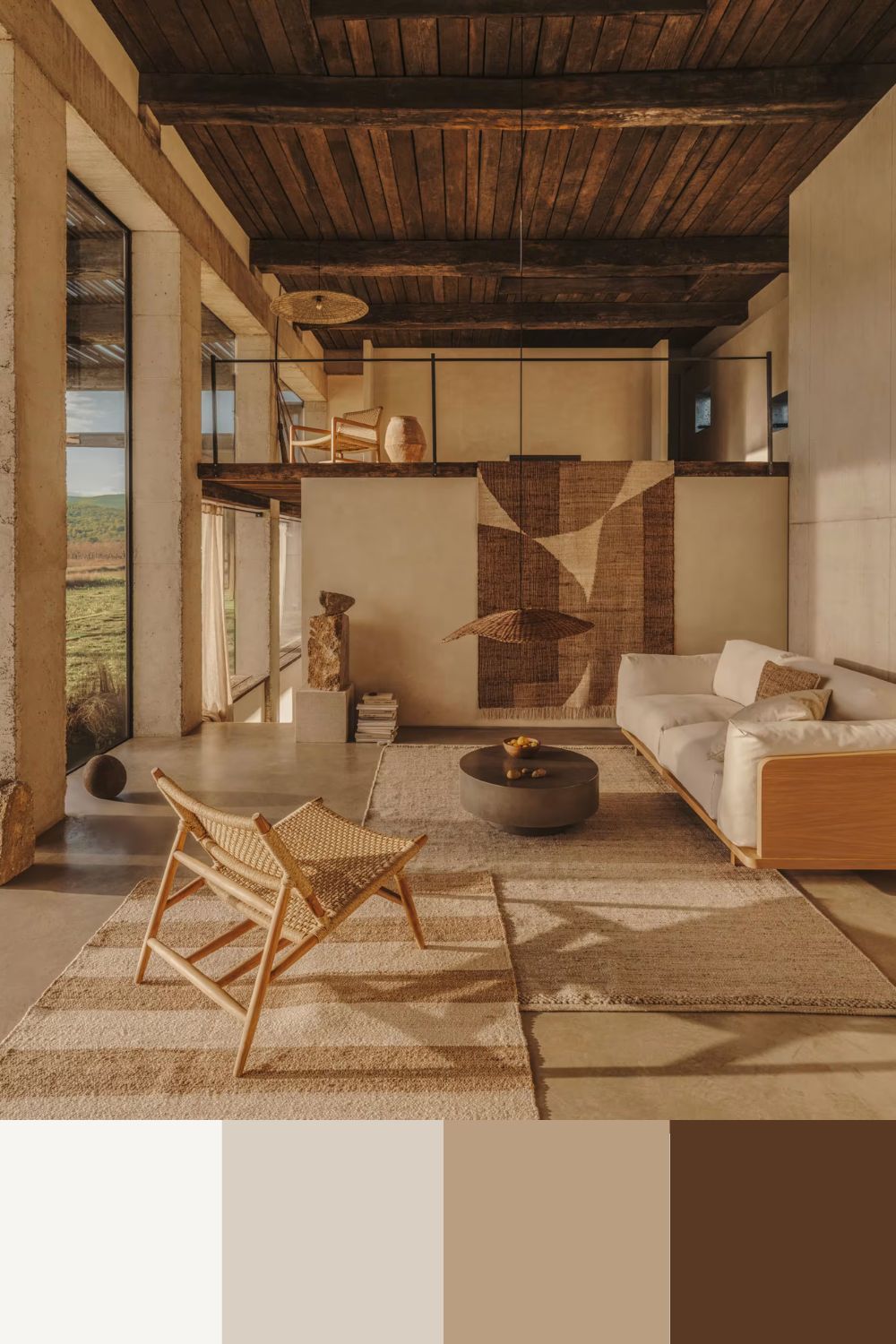
Japandi style is all about letting materials shine in your space. Think honest craftsmanship, natural textures, and plenty of breathing room so each piece can do its thing, creating a calm, effortless flow throughout your home. It’s an aesthetic that won’t date, so don’t be afraid to splash out on that beautiful TV console you’ve been eyeing—you’ll love it just as much in ten years as you do today.
A Color Palette That Reflects Nature’s Soft Side
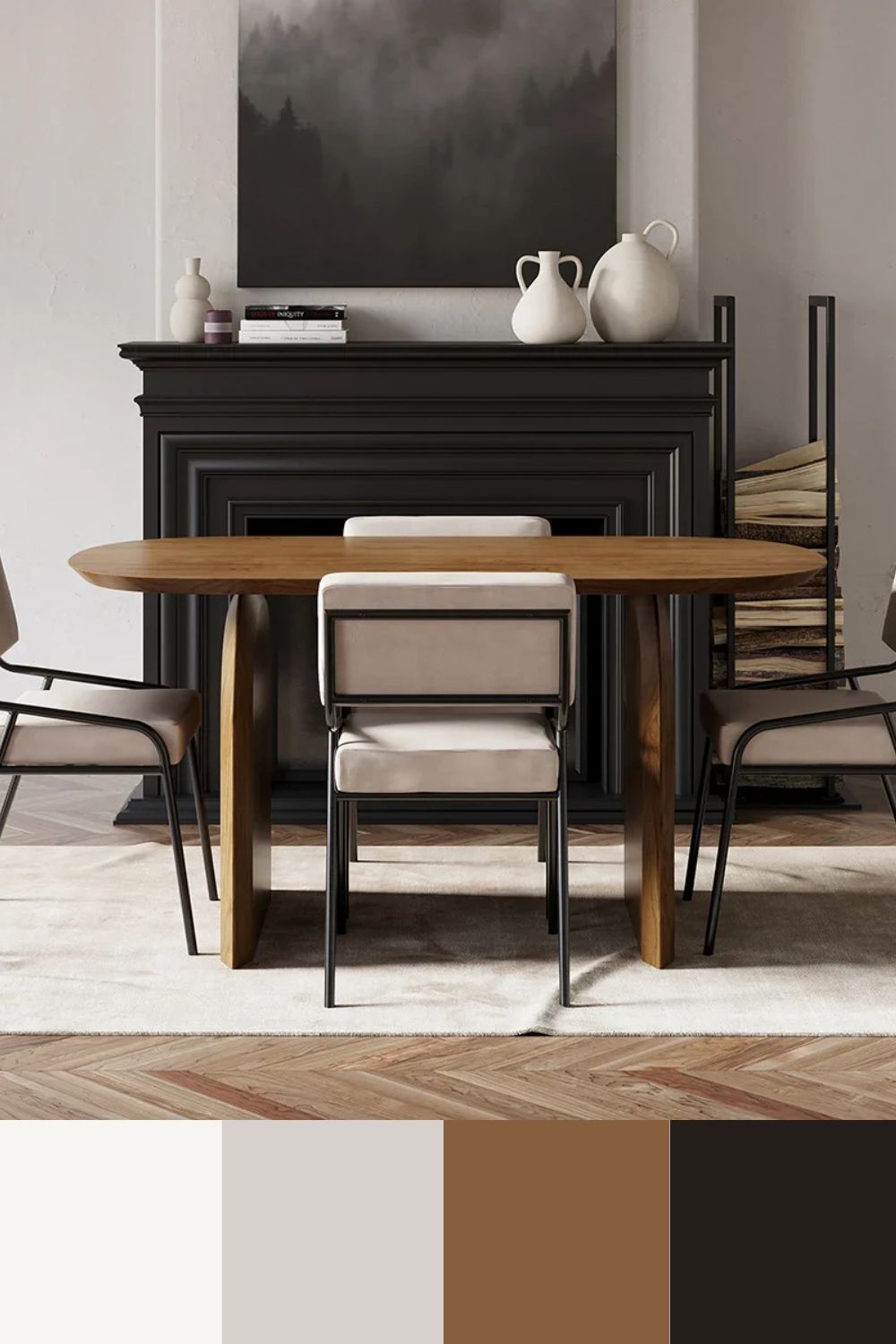
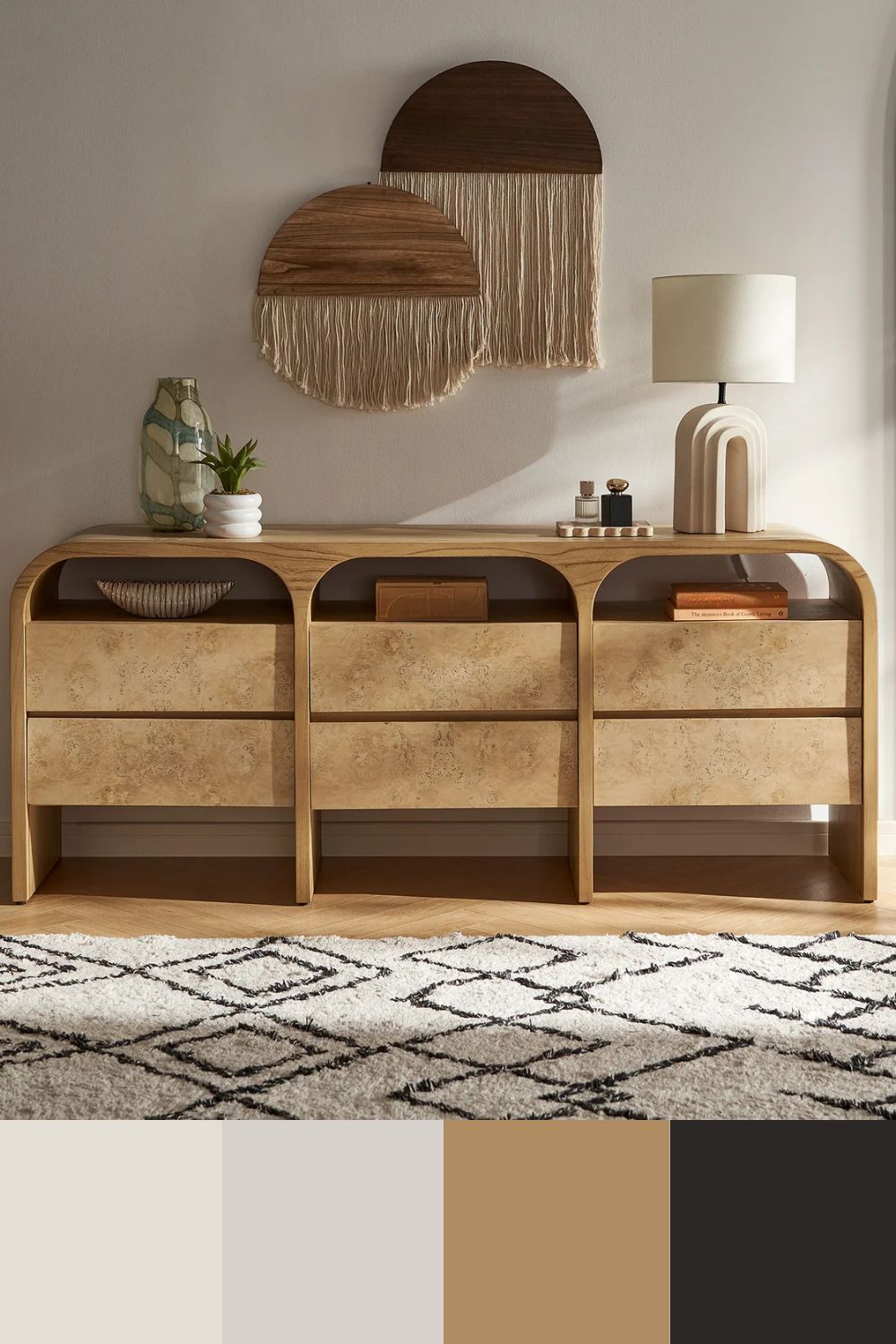
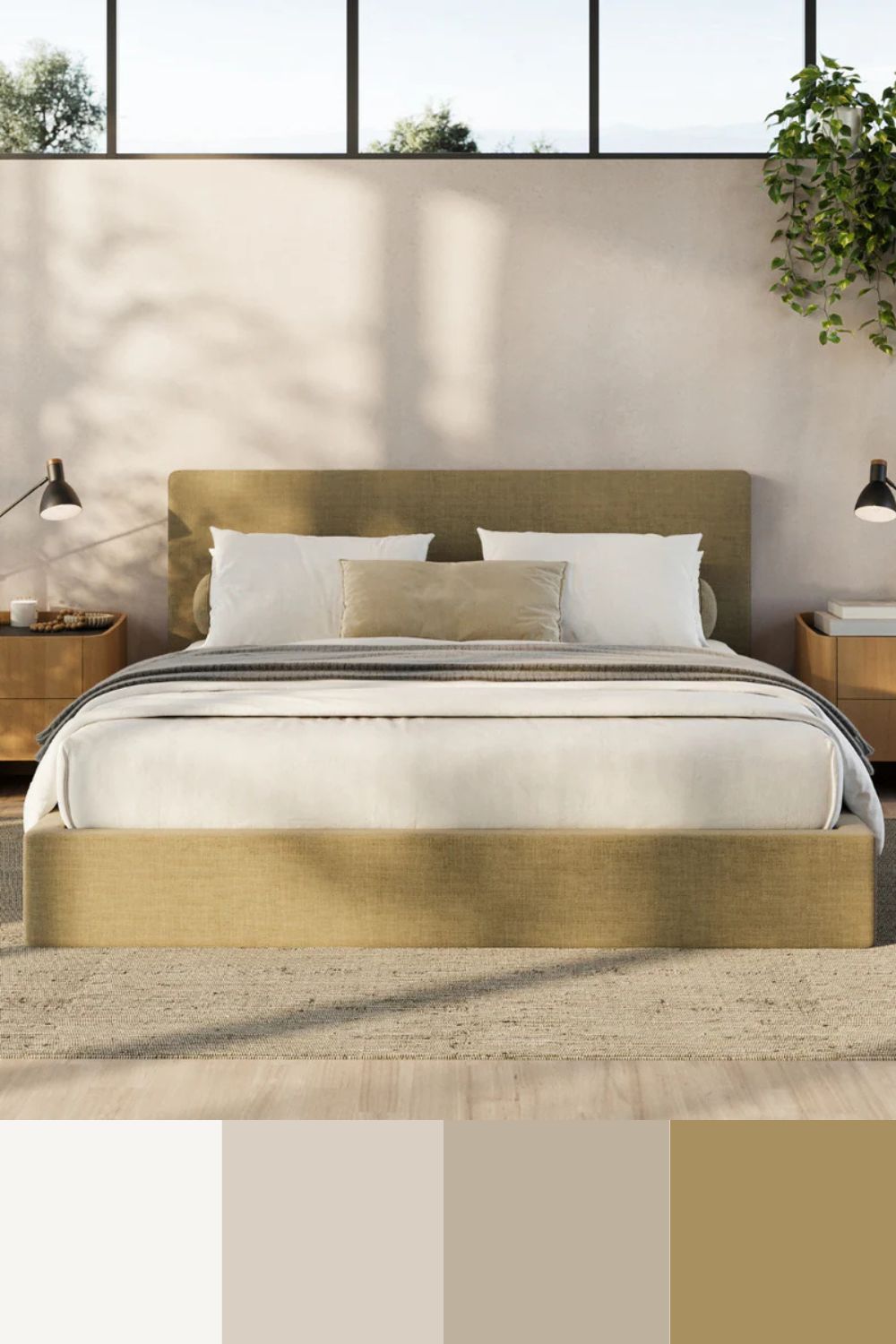
Japandi style is all about muted tones that feel like a spa day for your nervous system—because honestly, who doesn’t need a little parasympathetic reset now and then? Think soft neutrals: beiges, warm whites, charcoal, and sage, creating a calm backdrop that lets your space breathe. But it doesn’t have to be all zen and hush; you can absolutely play with colour. Try adding a playful pop, like a deep forest green, to ground the room while keeping things serene.
The Feel of a Space: Why Textures Matter
Raw Woods
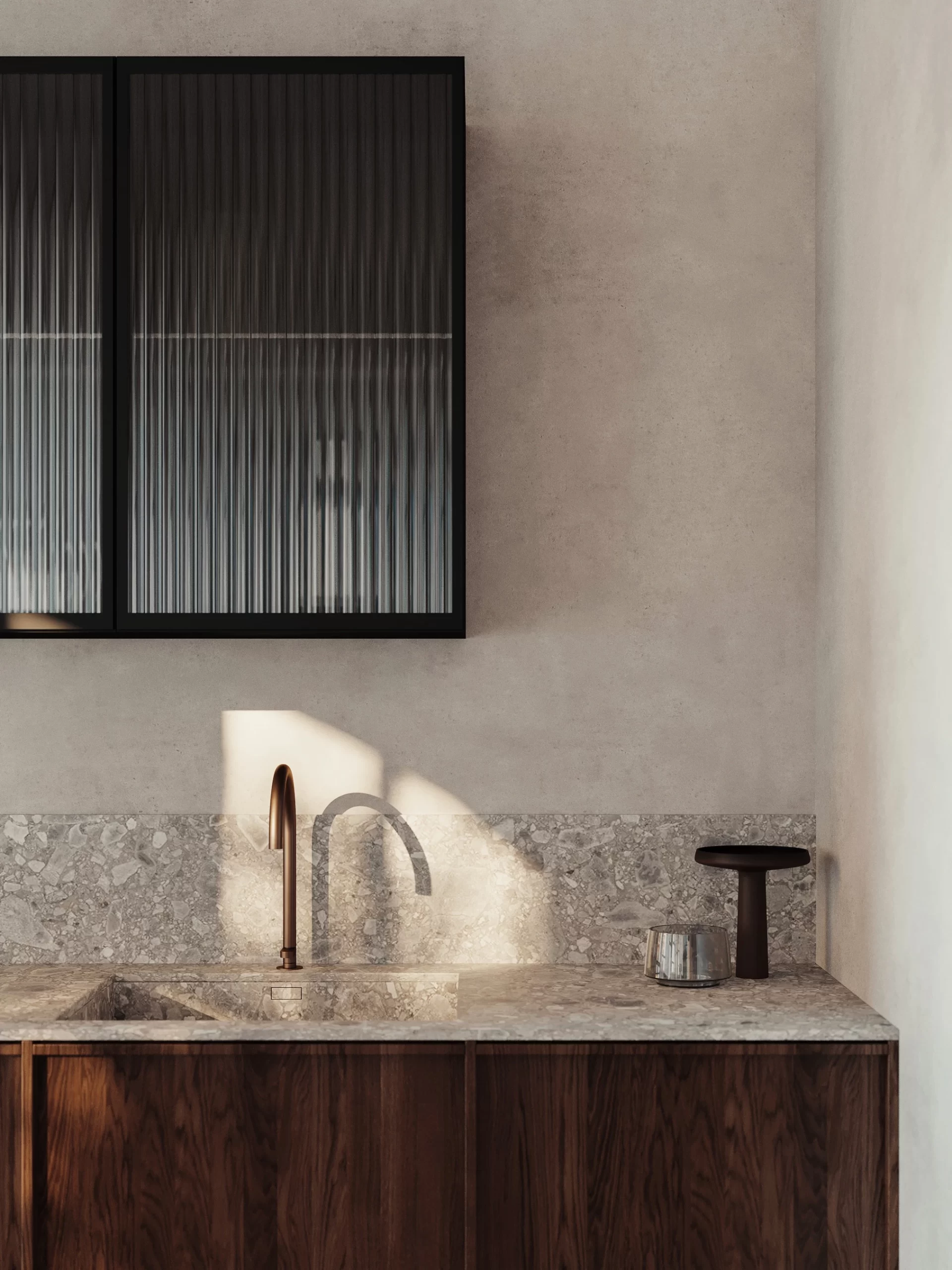
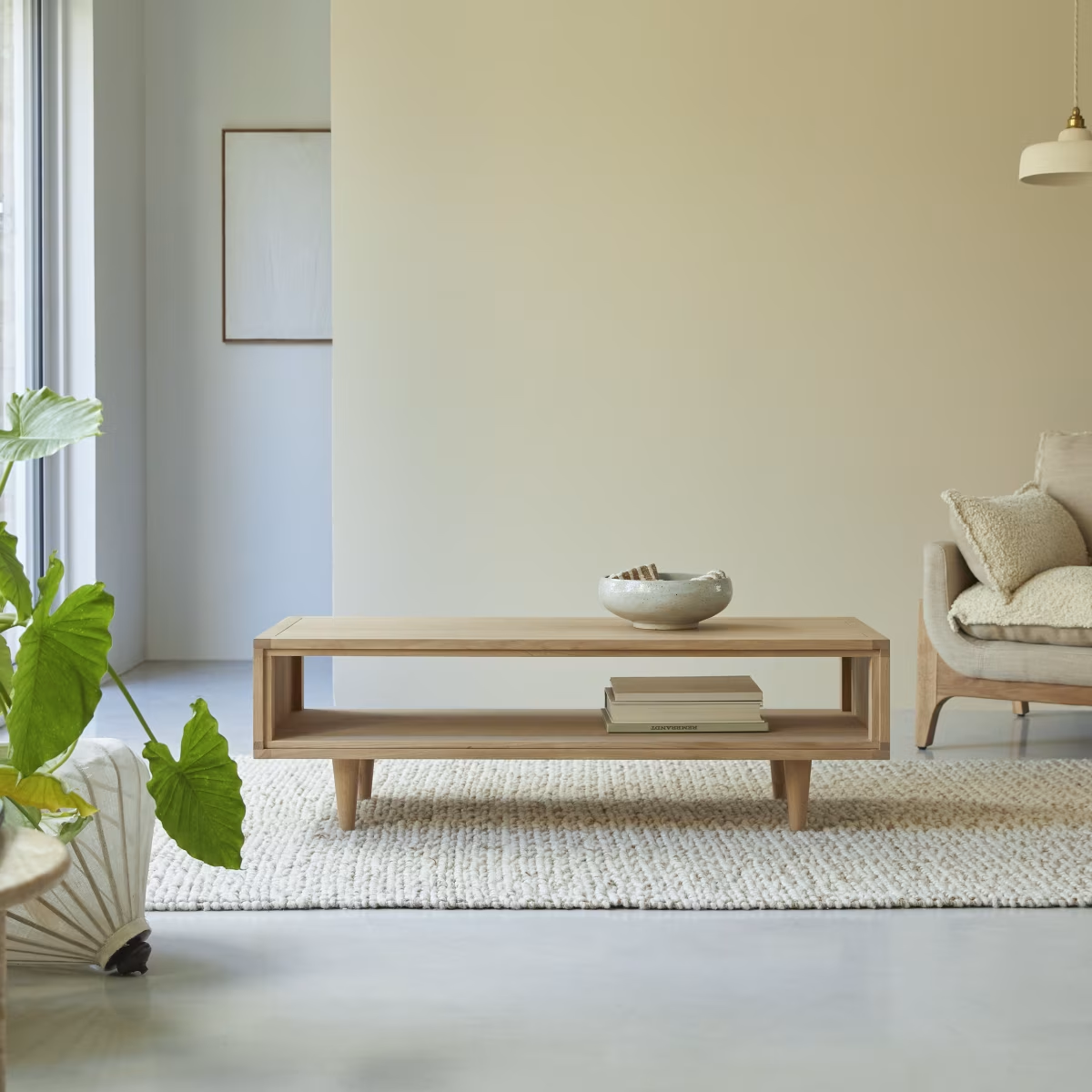
There’s something wonderfully calming about wood grains sealed with a soft matte finish. They radiate a sense of grounded warmth into your space, letting you see and feel the knots, textures, and beautiful imperfections that tell the tree’s story. And let’s be honest, they hide fingerprints far better than a high-gloss surface ever could.
In Japandi interiors, raw woods are the quiet heroes: oak, ash, or reclaimed timber left in their natural hues or lightly oiled to enhance their grain while keeping that soft, earthy look. They pair effortlessly with linen and ceramics, creating a layered, tactile space that feels calm but never cold.
From a solid raw wood coffee table that ages gracefully over years of tea mugs and books to exposed timber beams that add architectural soul, using raw woods is a gentle reminder to slow down and embrace materials that breathe with your home.
Pro tip: Mixing different tones of raw woods can add depth while still keeping things cohesive.
Linen
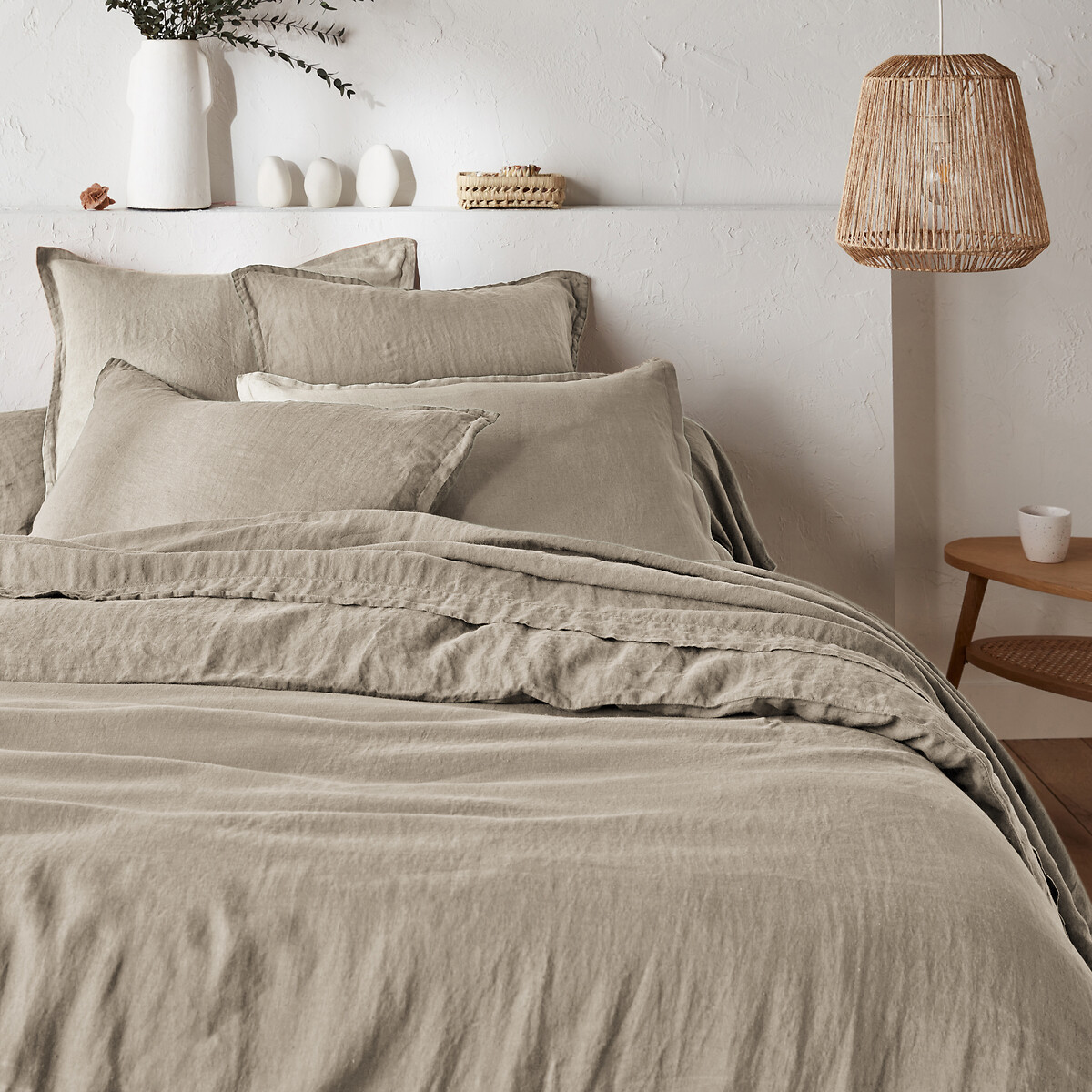
Linen and Japandi are a match made in calm, breezy heaven. This natural, breathable, and sustainable fabric brings just the right amount of texture to a space—warm enough to feel inviting, minimal enough not to shout for attention. It quietly calms the visual noise in a room, giving your eyes and mind permission to let out a much-needed sigh of relief. And the best part? Linen only gets better with age, embracing those Wabi-Sabi wrinkles like a well-earned laugh line. It’s proof that a little imperfection can be downright beautiful, making your space feel relaxed, lived-in, and effortlessly chic.
Linen Curtains for Soft Light
Swap heavy drapes for airy linen curtains that filter light beautifully, creating that calm, diffused glow Japandi spaces love.
Linen Cushion Covers
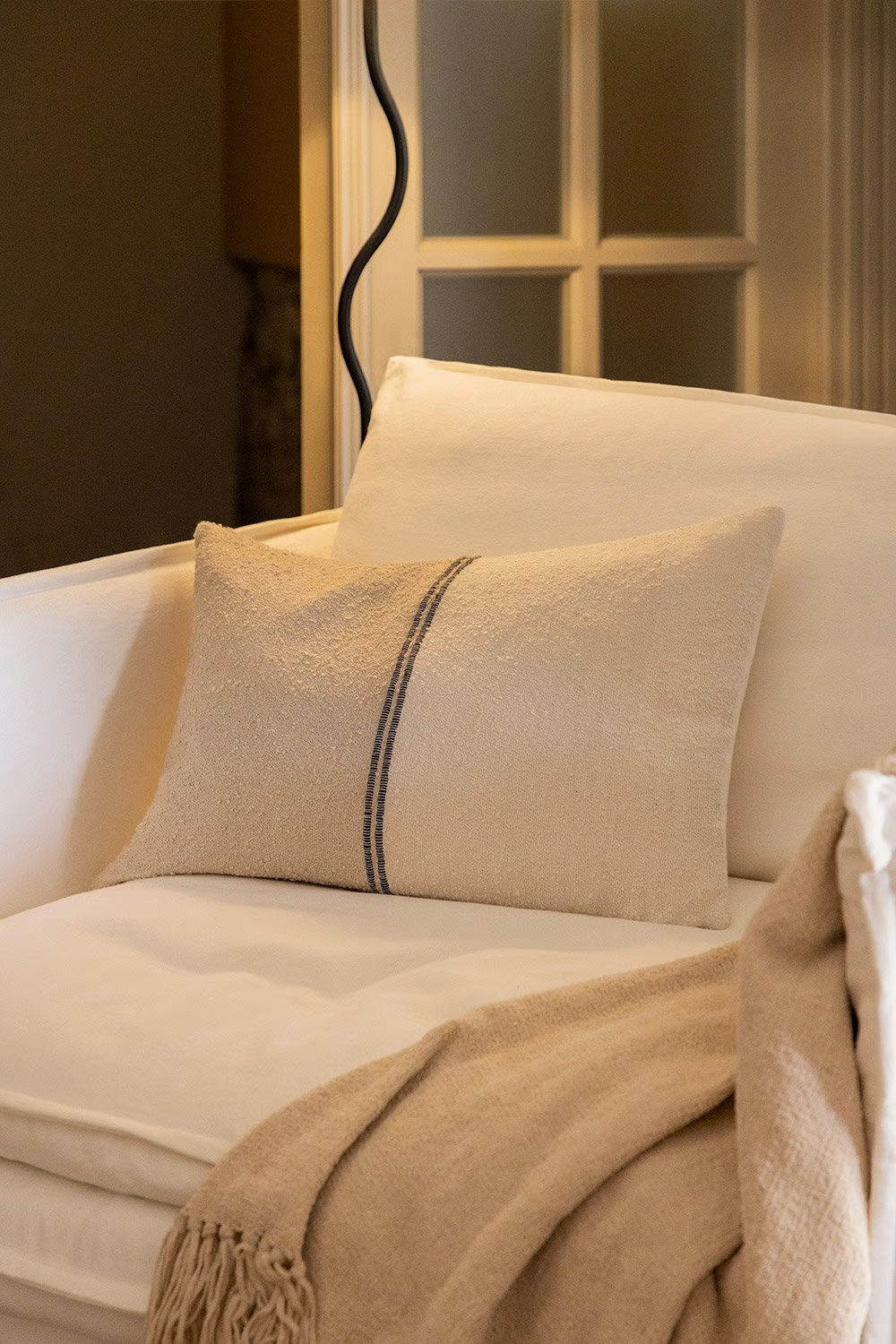
Layer linen cushions in muted tones (sage, warm white, and charcoal) on your sofa or reading nook for soft texture without visual clutter.
Linen Throws
A crinkled linen throw draped over a timber bench or armchair instantly adds tactile warmth while staying true to the “less but better” ethos.
Go for neutral-toned linen bedding for a relaxed, breathable, lived-in look that invites slow mornings with matcha in hand.
Linen Table Runners or Napkins
Use a natural linen table runner over a wooden dining table to highlight craftsmanship while keeping it unfussy.
Linen Lampshades
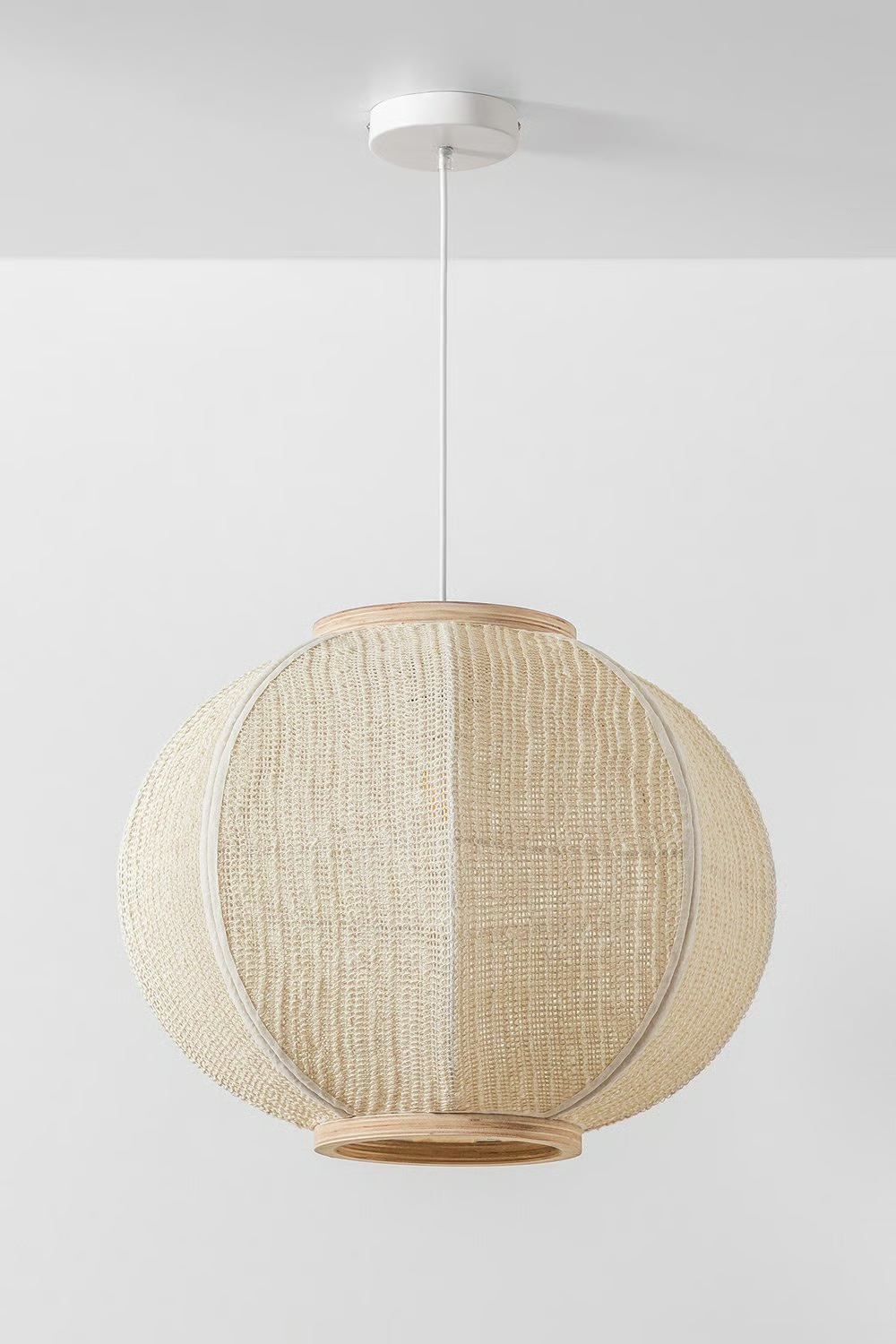
A simple linen lampshade diffuses light softly, adding to the warm minimalism of a Japandi palette.
Linen Wall Hangings
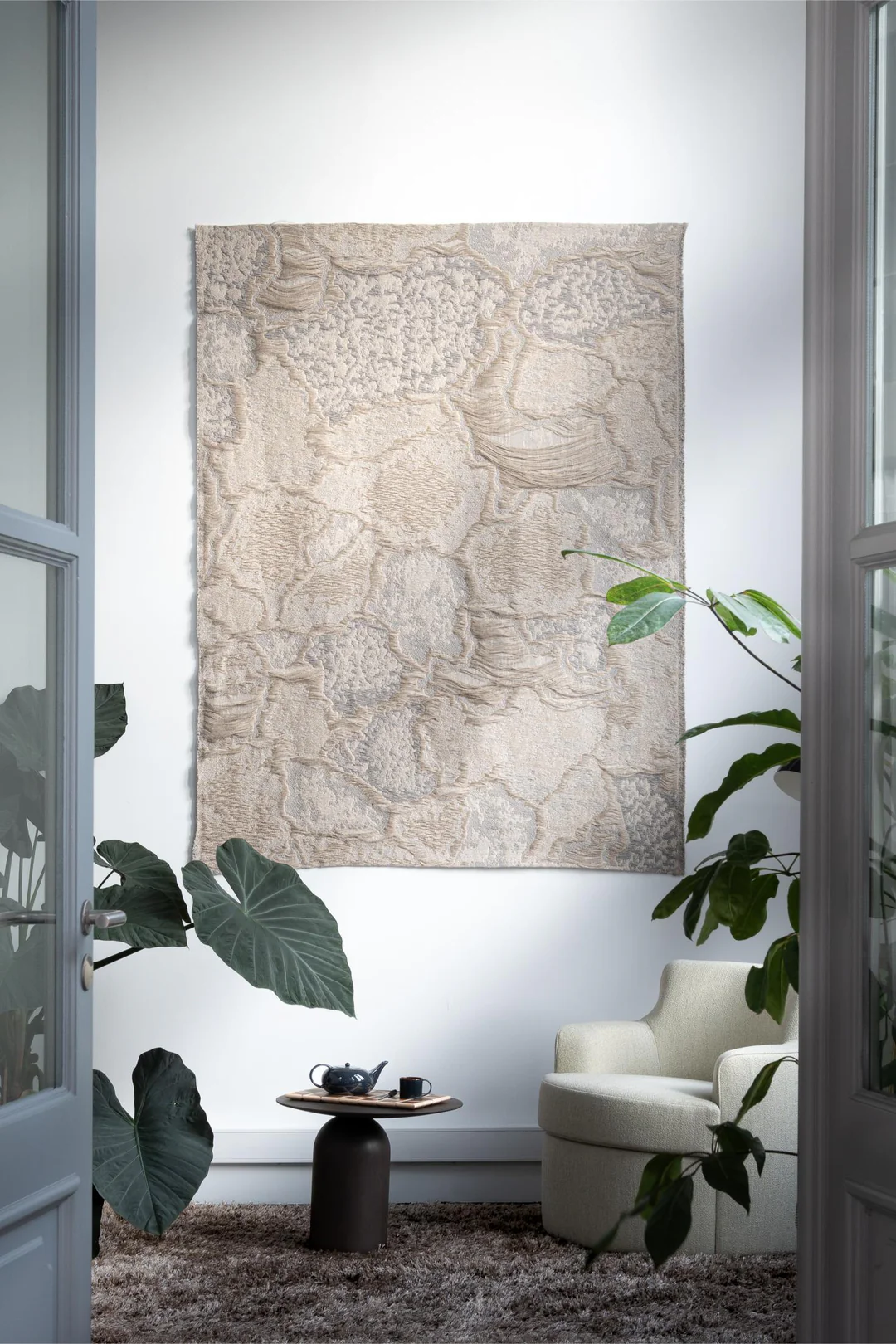
Consider a linen textile wall hanging in earthy hues to add interest without overpowering the space. It won’t just add a touch of organic beauty to your space—it’ll also help soften acoustics, making your home feel even more calm and inviting.
Linen Storage Baskets
Soft linen baskets can keep clutter hidden while adding texture to open shelving.
Ceramic
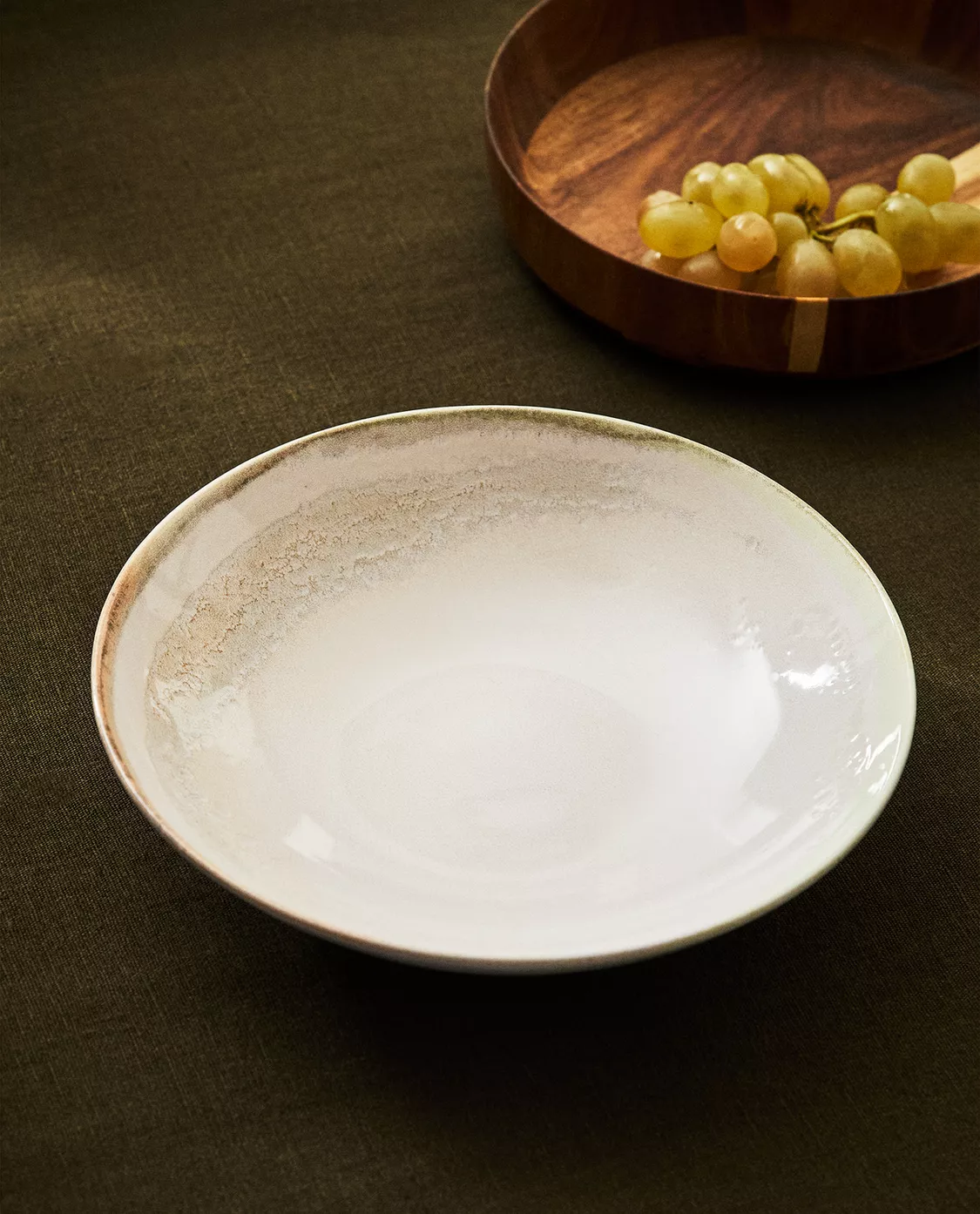
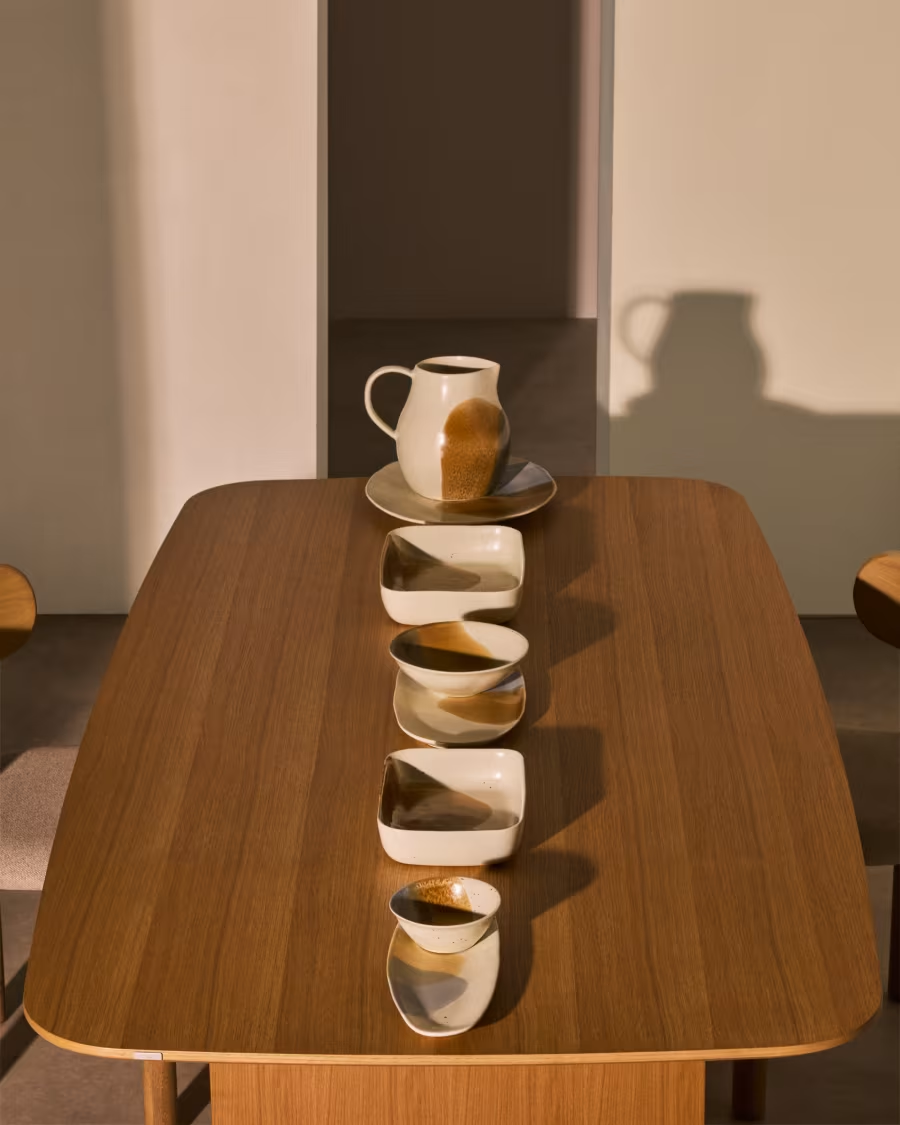
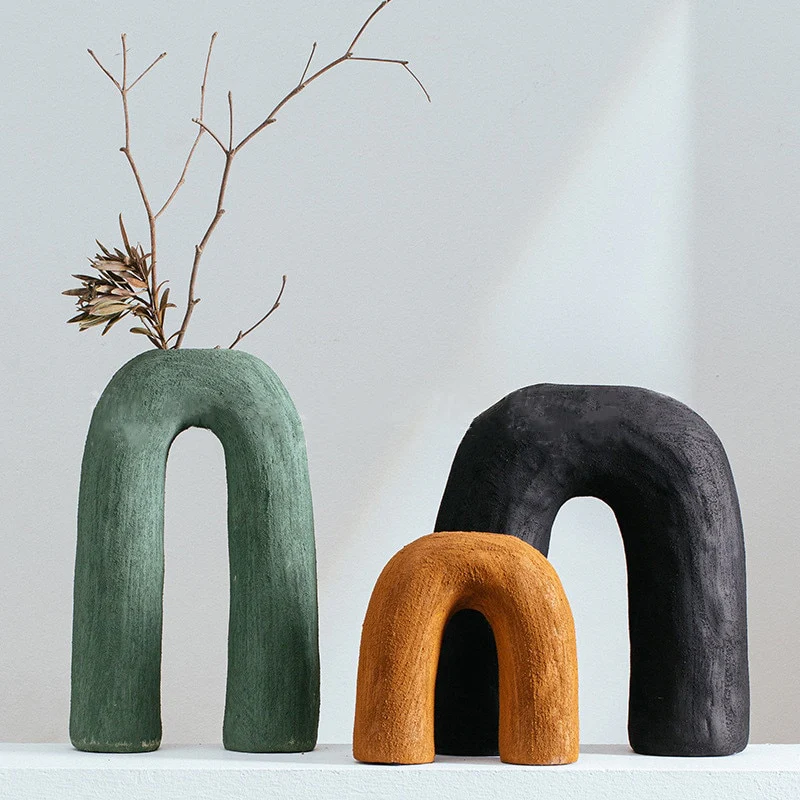
Japandi-style ceramics are the quiet heroes of a calm, intentional home. With their earthy textures, soft muted glazes, and perfectly imperfect forms, these pieces bring a sense of warmth and quiet ritual to your everyday moments—whether it’s your morning matcha or a simple bowl of soup. Rooted in Japanese wabi-sabi and Scandinavian functionality, Japandi ceramics celebrate honest craftsmanship without unnecessary fuss, letting the clay’s natural beauty shine through. Each cup, plate, or vase adds a tactile layer to your space, softening the clean lines of minimalism while keeping that serene, uncluttered feel. Think of them as small reminders to slow down and savour the moment, one beautifully imperfect sip at a time.
Bamboo
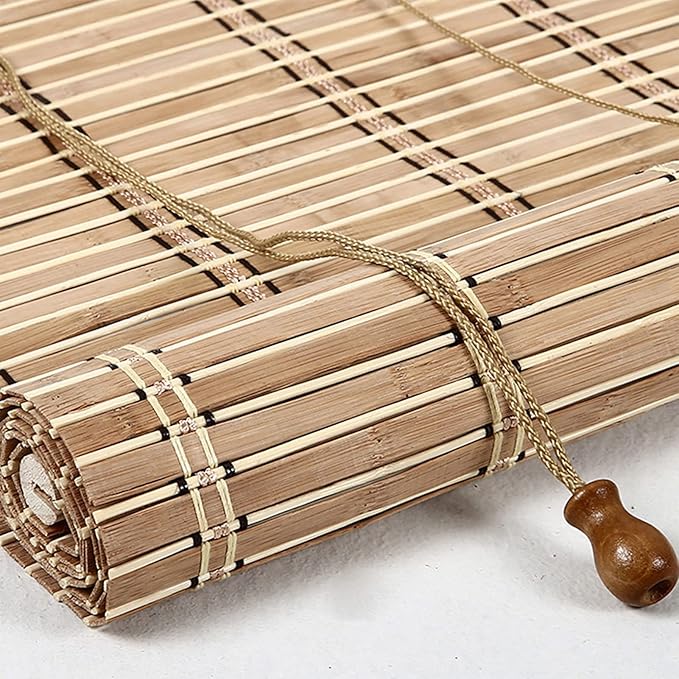
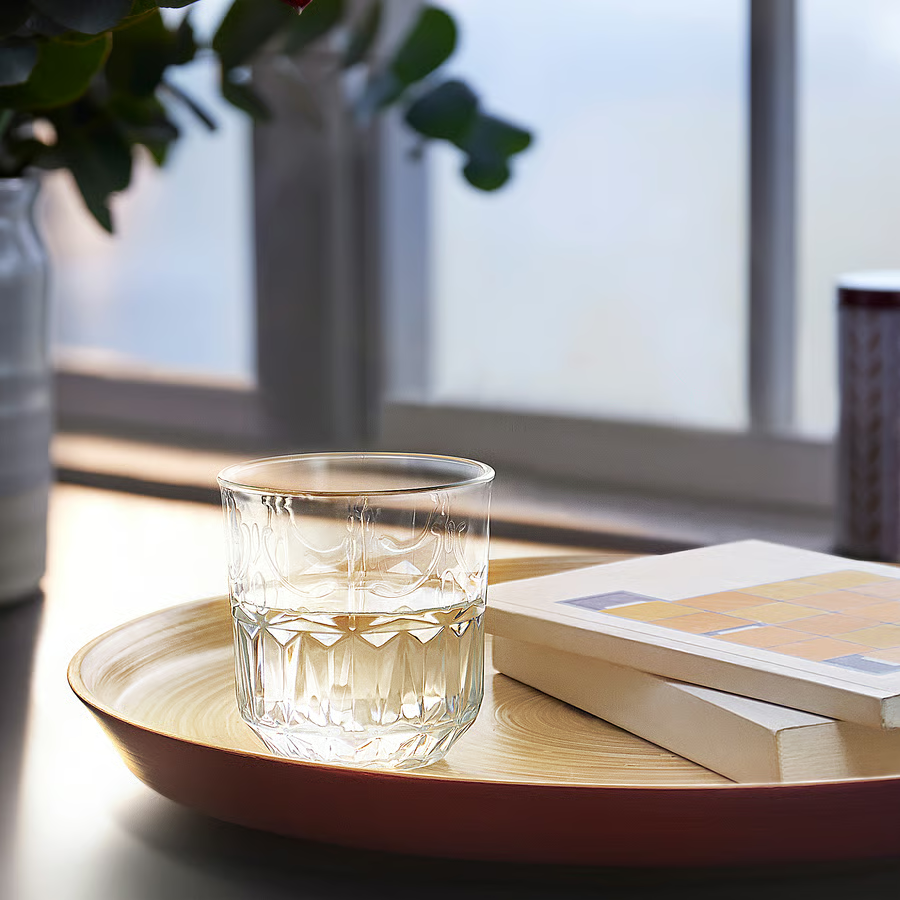
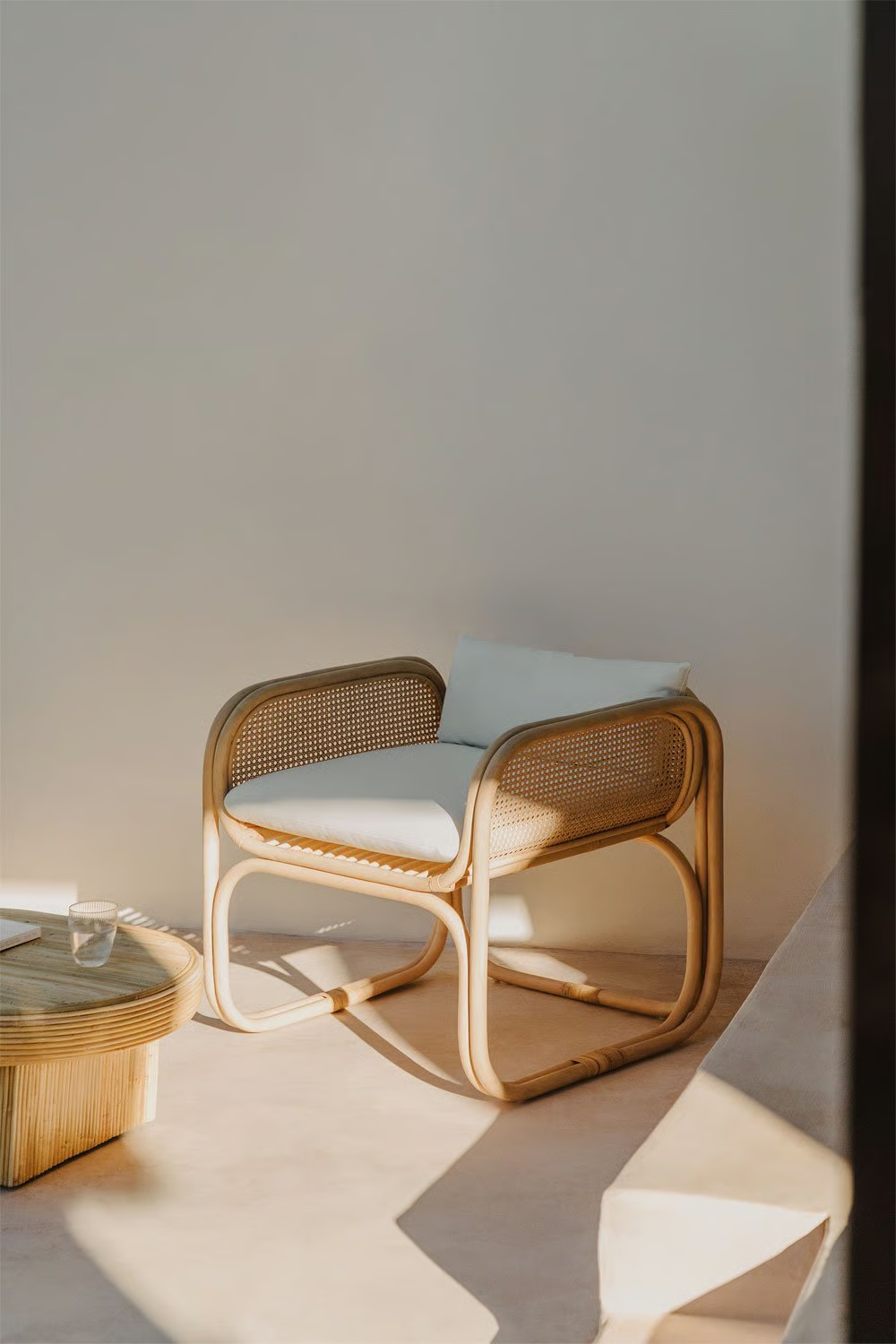
I know this sounds a little cliche, but bamboo is a Japandi essential, bringing in that perfect blend of lightness, warmth, and sustainability while keeping your space feeling calm and airy. Its soft golden tones add subtle warmth without overpowering, making it an ideal material for window blinds, pendant lights, lightweight shelving, or even a statement chair that quietly anchors your room. You can also use bamboo trays for your tea ritual or as catch-alls to keep surfaces clutter-free yet beautiful. The beauty of bamboo lies in its clean lines and natural texture, letting you layer warmth into your Japandi space while staying true to its minimalist ethos. Plus, it’s one of the most eco-friendly materials you can bring into your home—proving you can have a calming, beautiful space while treading lightly on the planet.
Functional Beauty: Sculptural Furniture for Real Life
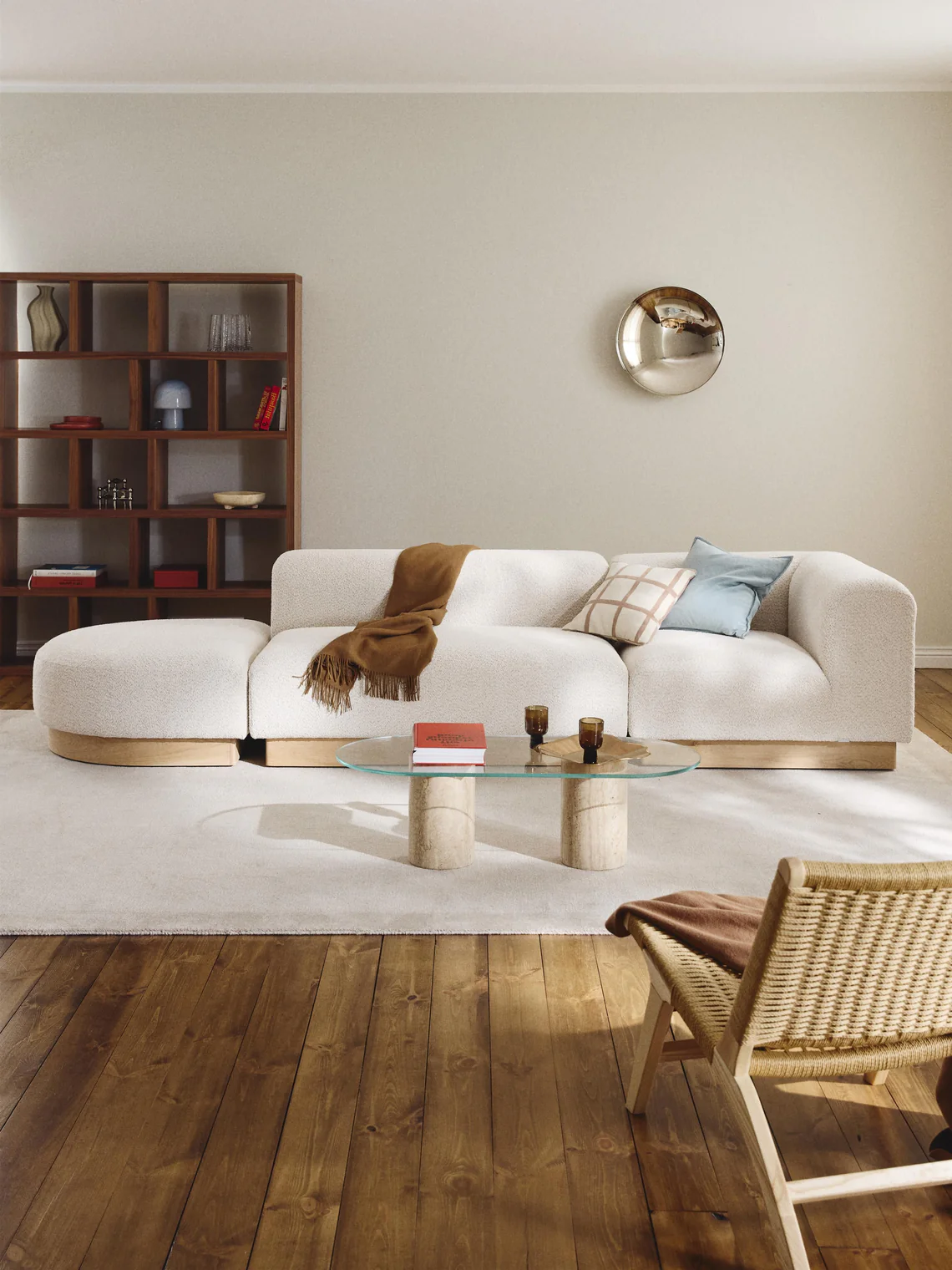
Japandi-style furniture is the kind that makes you want to slow down, sip your tea, and actually look around your living room with a satisfied nod.
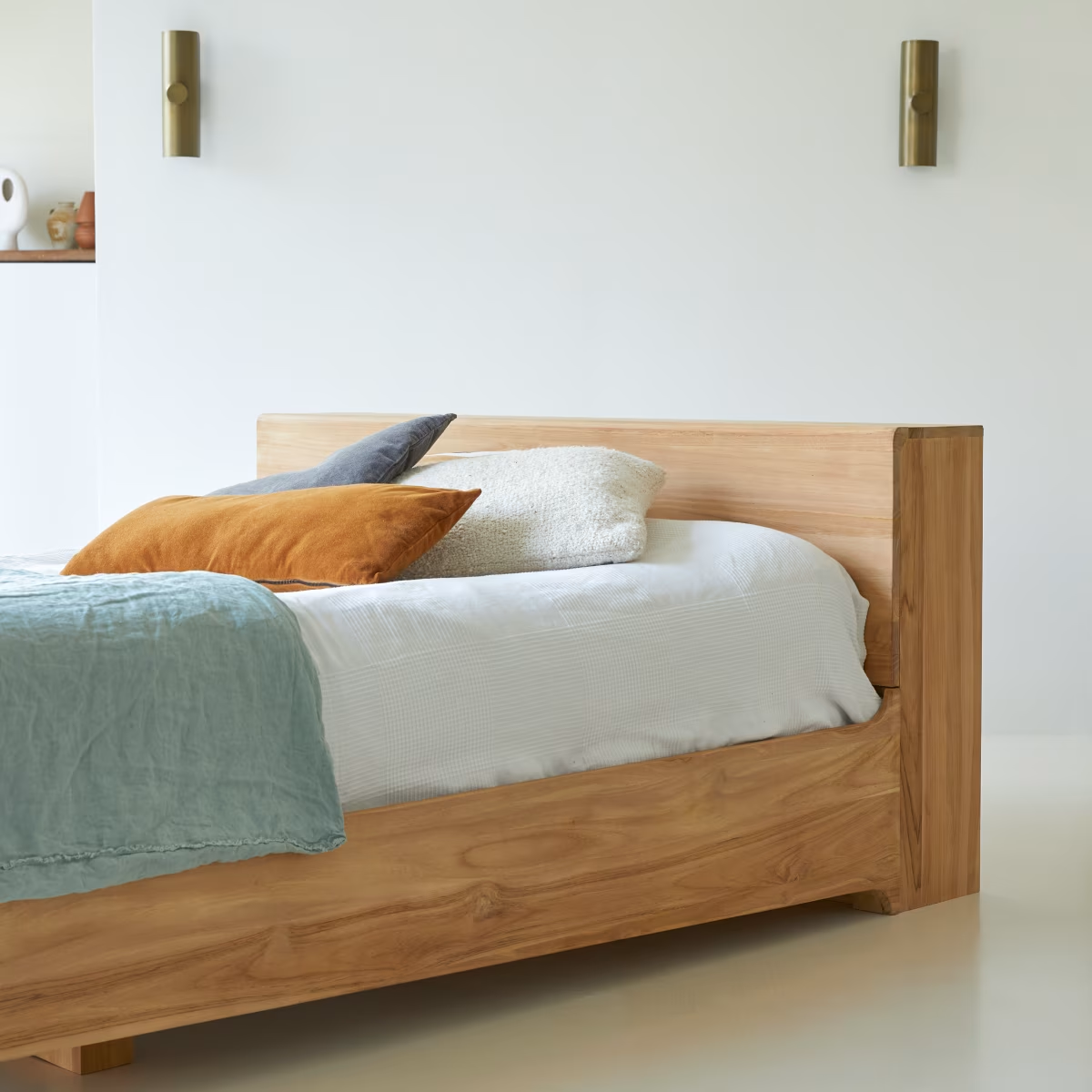
Low-profile sofas and beds are the heart of Japandi spaces. They keep your sightlines open and your room feeling airy while still being ridiculously comfy. There’s something calming about being closer to the floor, like your furniture is giving you a gentle nudge to ground yourself (and maybe finally start that meditation habit). Or, at the very least, it might help you strengthen your calf muscles as you gracefully pop up and down—consider it a stylish form of functional fitness.
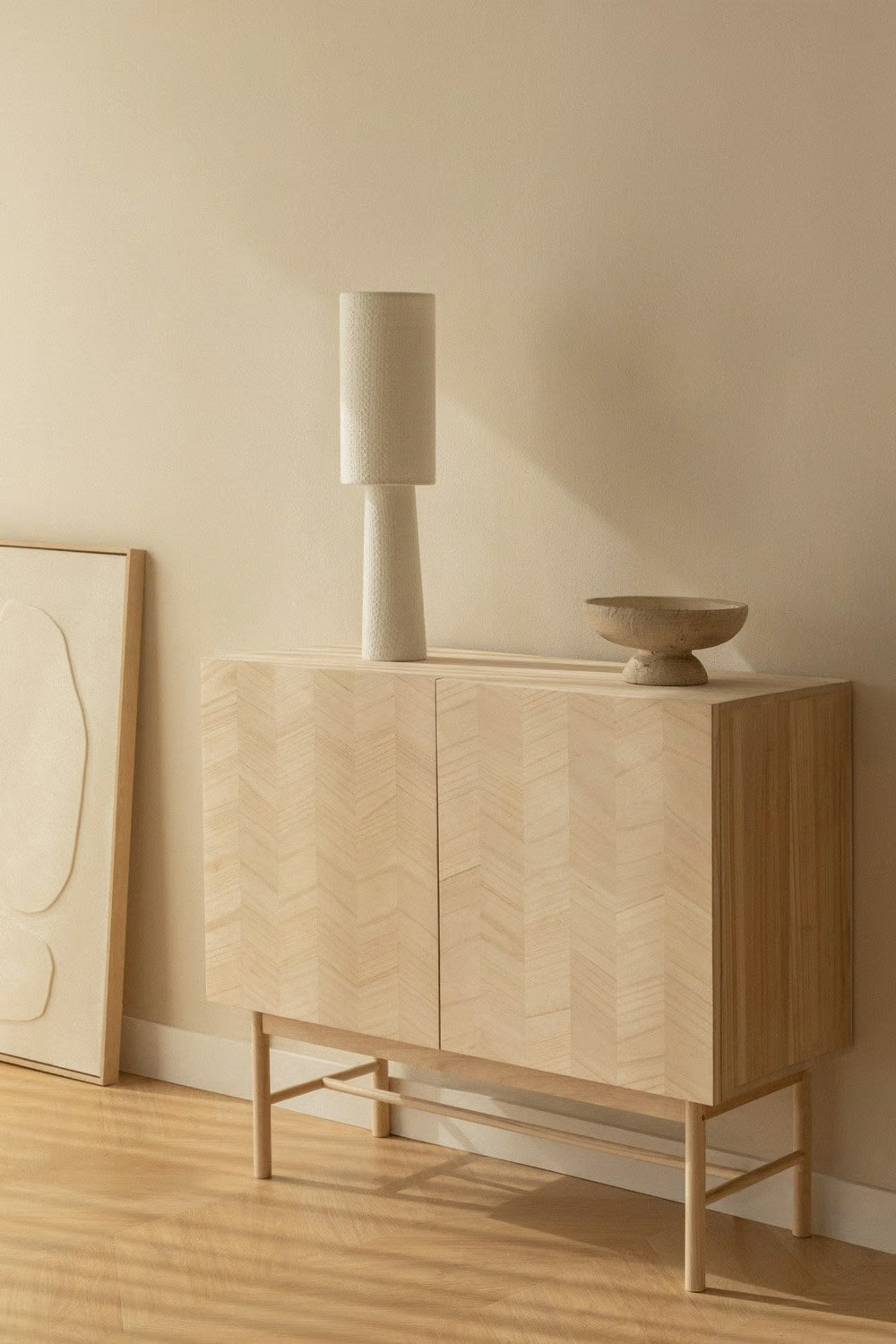
Clean-lined wood furniture with handcrafted touches adds warmth without the clutter. Think of a sleek oak dining table with just enough grain showing, or a handcrafted bench with smooth joinery that feels like a quiet celebration of skilled hands. Each piece has purpose, beauty, and the kind of quiet confidence that never goes out of style.
And then there’s the art of negative space—a design principle that might feel scary at first, like, “Wait, you want me to leave empty space around my furniture?” Yes. Yes, I do. Leaving room around your furniture allows each piece to breathe, creating flow and calm throughout your space. It’s like letting your home take a deep, contented sigh (and letting you do the same).
In Japandi design, your furniture isn’t just something to sit on or eat at; it’s sculpture that serves you daily, quietly elevating your life while making your home feel like a serene, intentional haven. And honestly, isn’t that what we all need?
Accessorizing Without Cluttering
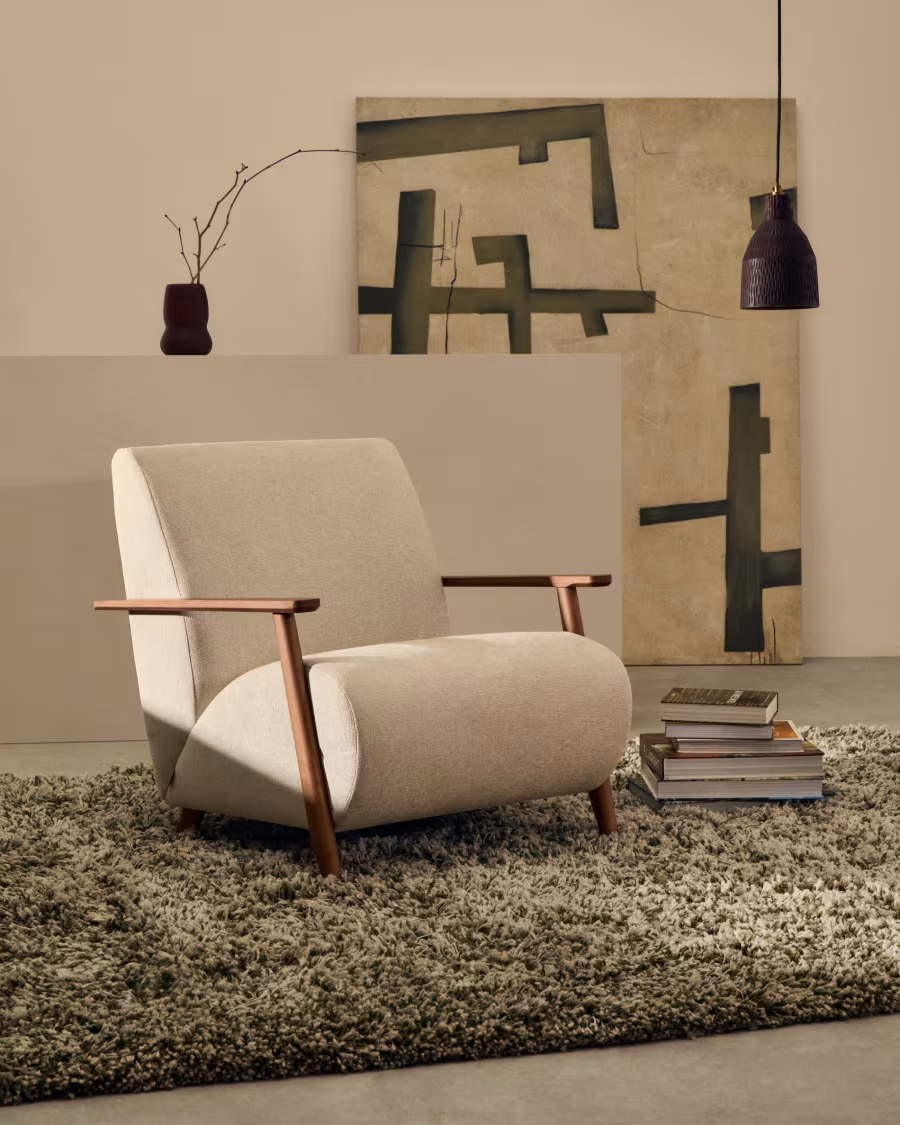
Japandi style is all about honouring the quiet beauty of raw materials: wood, linen, clay, and stone in all their unpolished, honest glory. It’s about embracing the patina: the crack in a handmade vase, the gentle creases in your favourite linen throw, and the perfectly imperfect moments that make your space feel warm, lived-in, and loved.
To keep the serenity, resist the urge to over-clutter. A single sculptural branch in a ceramic vase can say more than a dozen bouquets. Layer cosy textiles thoughtfully—enough to feel inviting without tipping into overstuffed chaos. Task lighting and dimmable lights will set the mood, while low-hung pendant lights keep surfaces clear and the visual calm flowing.
At its heart, Japandi invites you to find peace in the imperfect and the fleeting. It gently reminds us that nothing lasts, nothing is finished, and nothing is perfect—yet somehow, everything can still be quietly, breathtakingly beautiful.
The Art of Bringing the Outdoors In
Japandi Style Plants
Try to resist the urge to create a jungle in your living room. Instead, opt for lone, sculptural plants that are perfectly content to be chic wallflowers in the corner, quietly elevating the space without demanding all the attention.
Here’s a thoughtful list of the kinds of spaces I recommend for showcasing these green beauties—because even your plants deserve a spot where they can shine without competing for the spotlight.
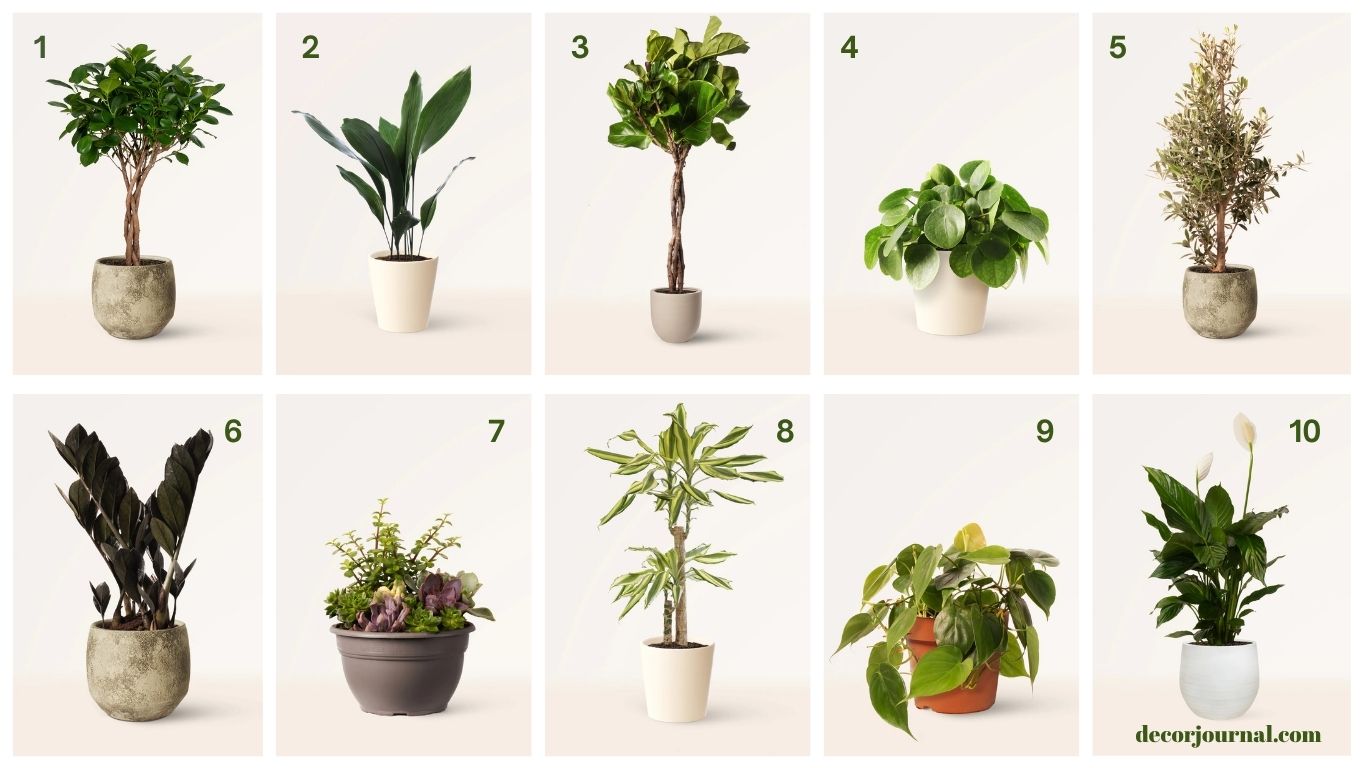
- Ficus Benjamina (Weeping Fig)
- Cast Iron Plant (Aspidistra elatior)
- Fiddle Leaf Fig (Ficus lyrata)
- Chinese Money Plant (Pilea peperomioides)
- Olive Tree (Olea europaea)
- ZZ Plant (Zamioculcas zamiifolia)
- Succulents (various sculptural types)
- Cornstalk Dracaena (Dracaena fragrans)
- Heartleaf Philodendron (Philodendron scandens)
- Peace Lily (Spathiphyllum)
Japandi style Stone Accents
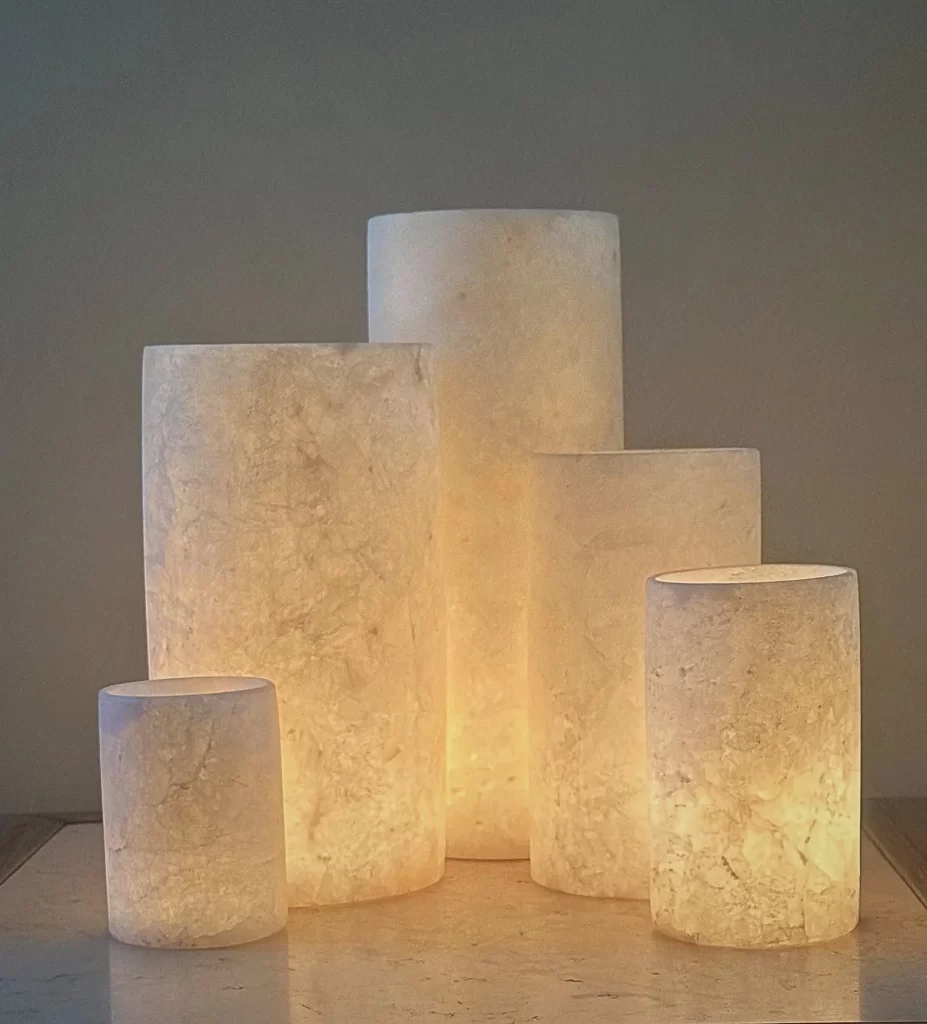
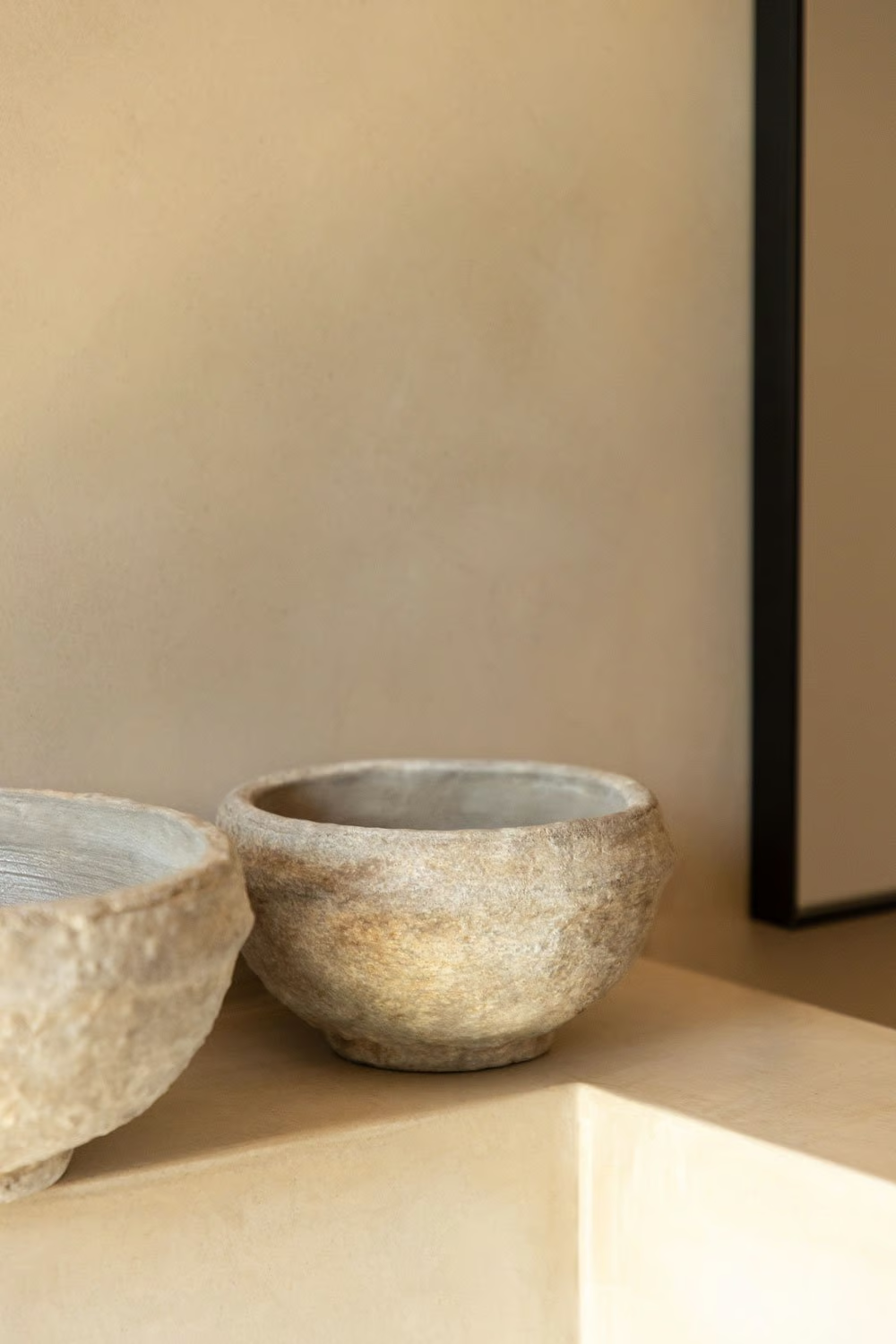
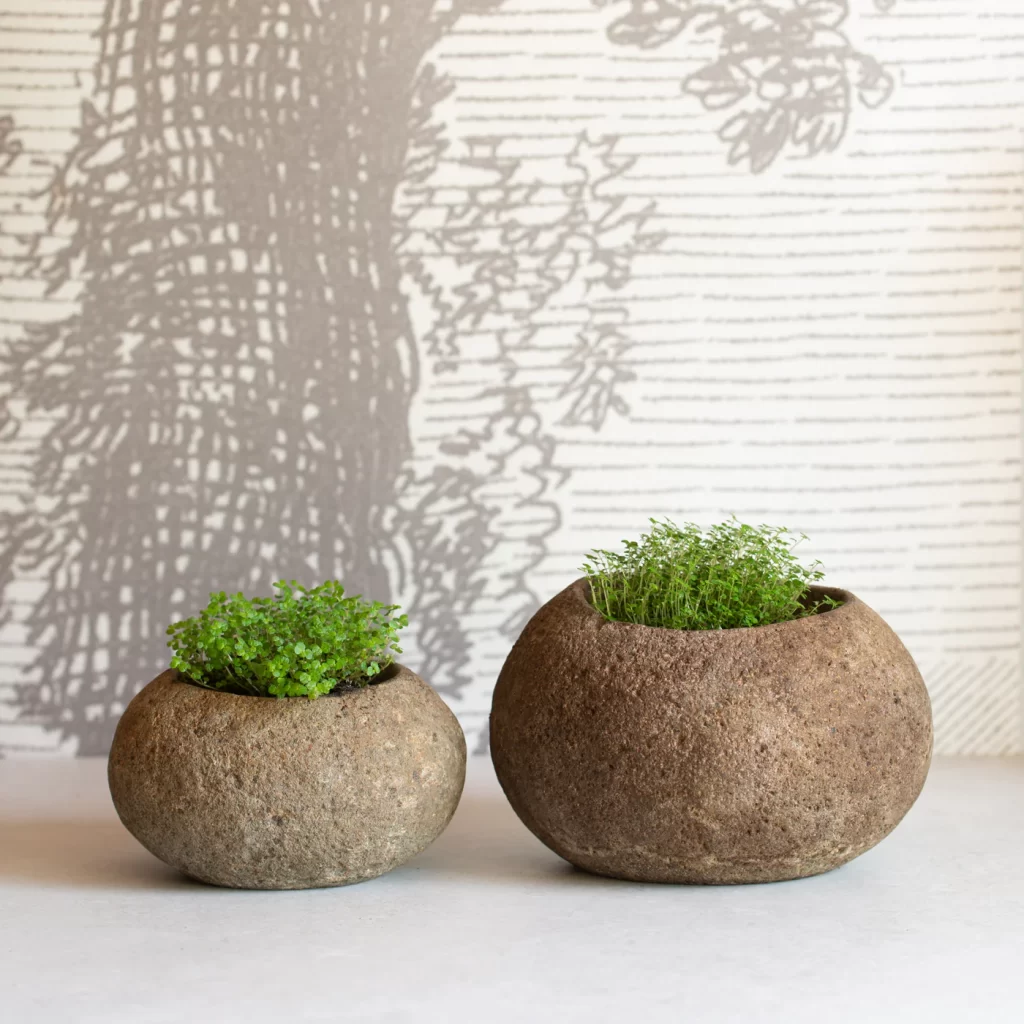
Stones and pebbles scattered around can feel a bit predictable. But stone plant pots, candle holders, and bowls have more of a sculptural vibe. These pieces bring in the grounding energy of stone while adding sculptural beauty and texture to your space—without looking like you raided the garden centre’s pebble bin.
Bonsais
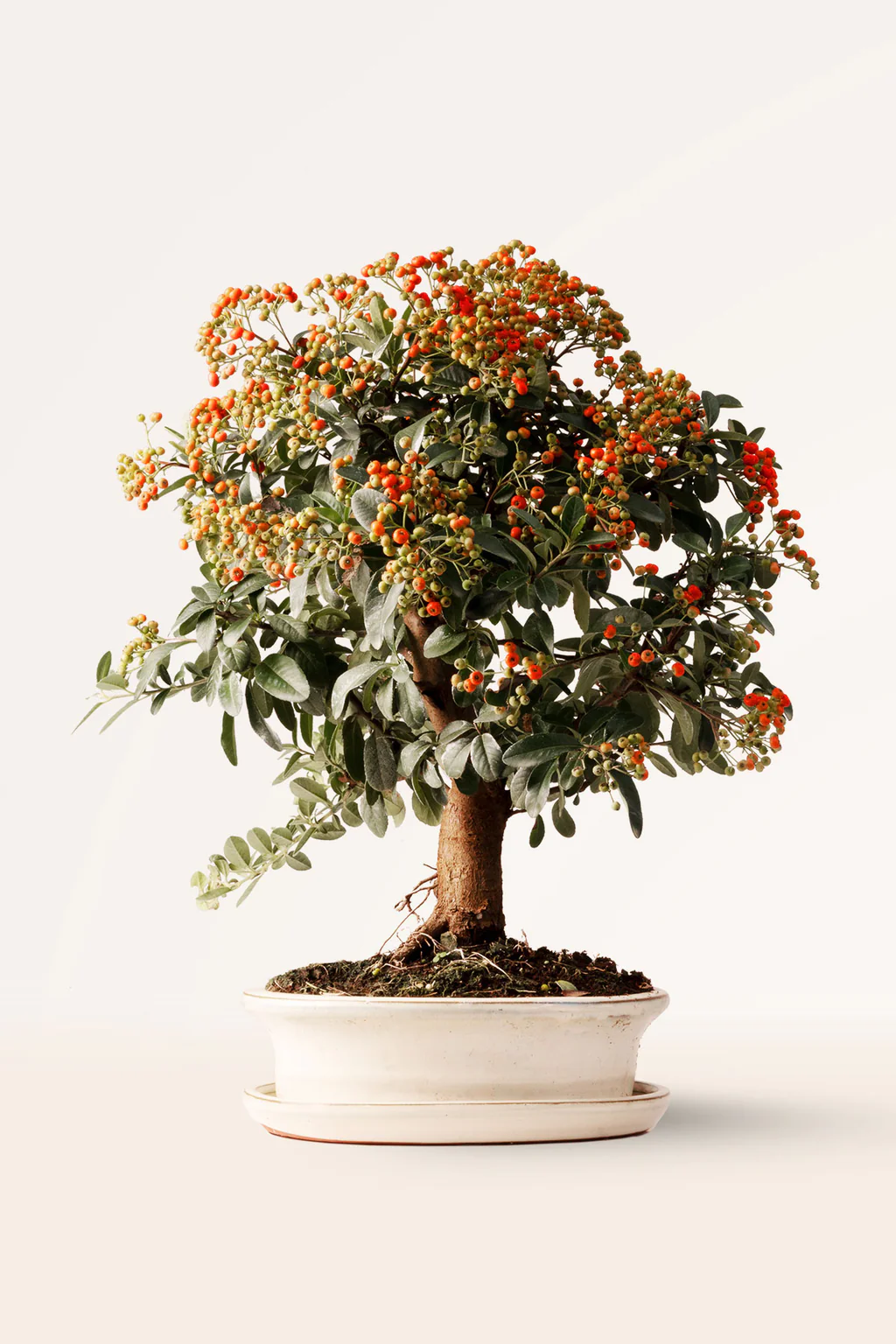
Bonsais might sound a little cliché, but hear me out—they come in all shapes and sizes, and their sculptural forms bring a quiet elegance to any room. It’s like having a living piece of art that just so happens to remind you to slow down every time you walk past.
Japandi Style for Small Spaces
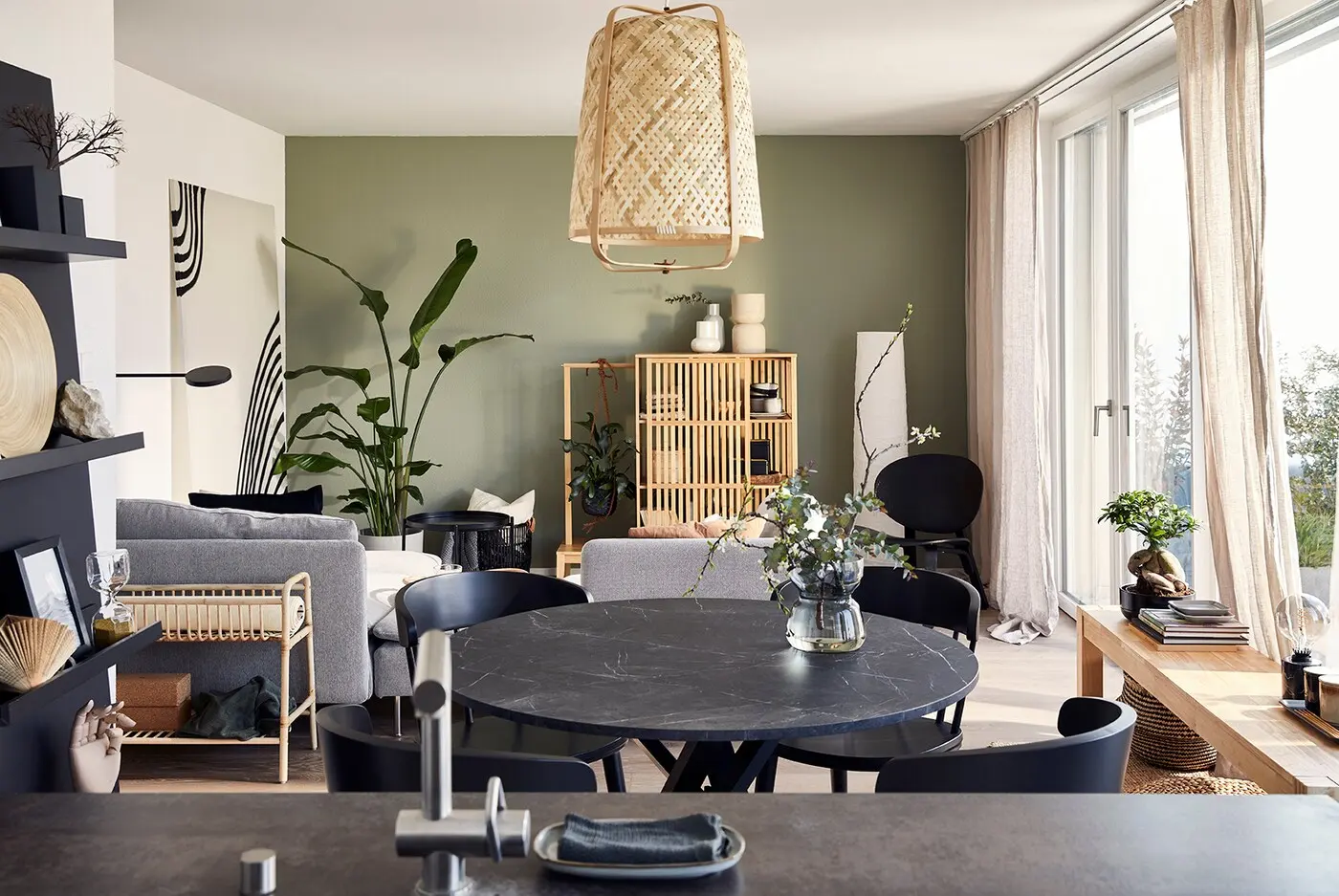
Japandi style and small spaces are the ultimate calm-and-quiet power couple. Its serene, uncluttered aesthetic creates breathing room even when your floor plan doesn’t, letting your home feel airy, intentional, and oh-so-serene.
Clever Storage That Doesn’t Kill the Vibe
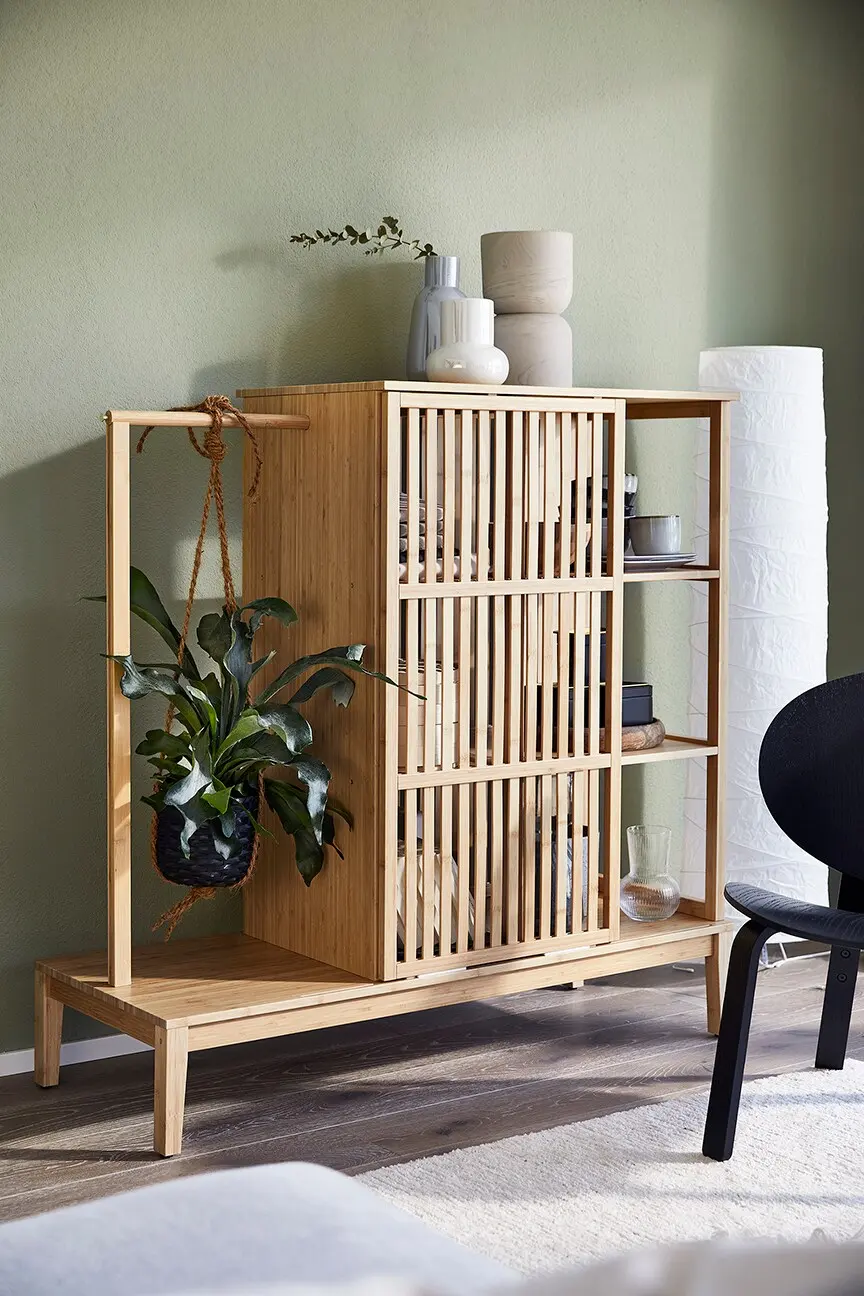
You don’t have to sacrifice style for storage—promise. Japandi style leans into built-in cabinetry with clean lines that keep your space feeling open and intentional. Keep that sleek energy going with floating shelves, which help avoid crowding your sightlines while offering a place for your most-loved objects to breathe. And don’t underestimate the humble storage basket in natural materials: they’re perfect for hiding away life’s inevitable clutter while doubling as decor. Think of it as elegantly disguising your chaos, one beautiful basket at a time.
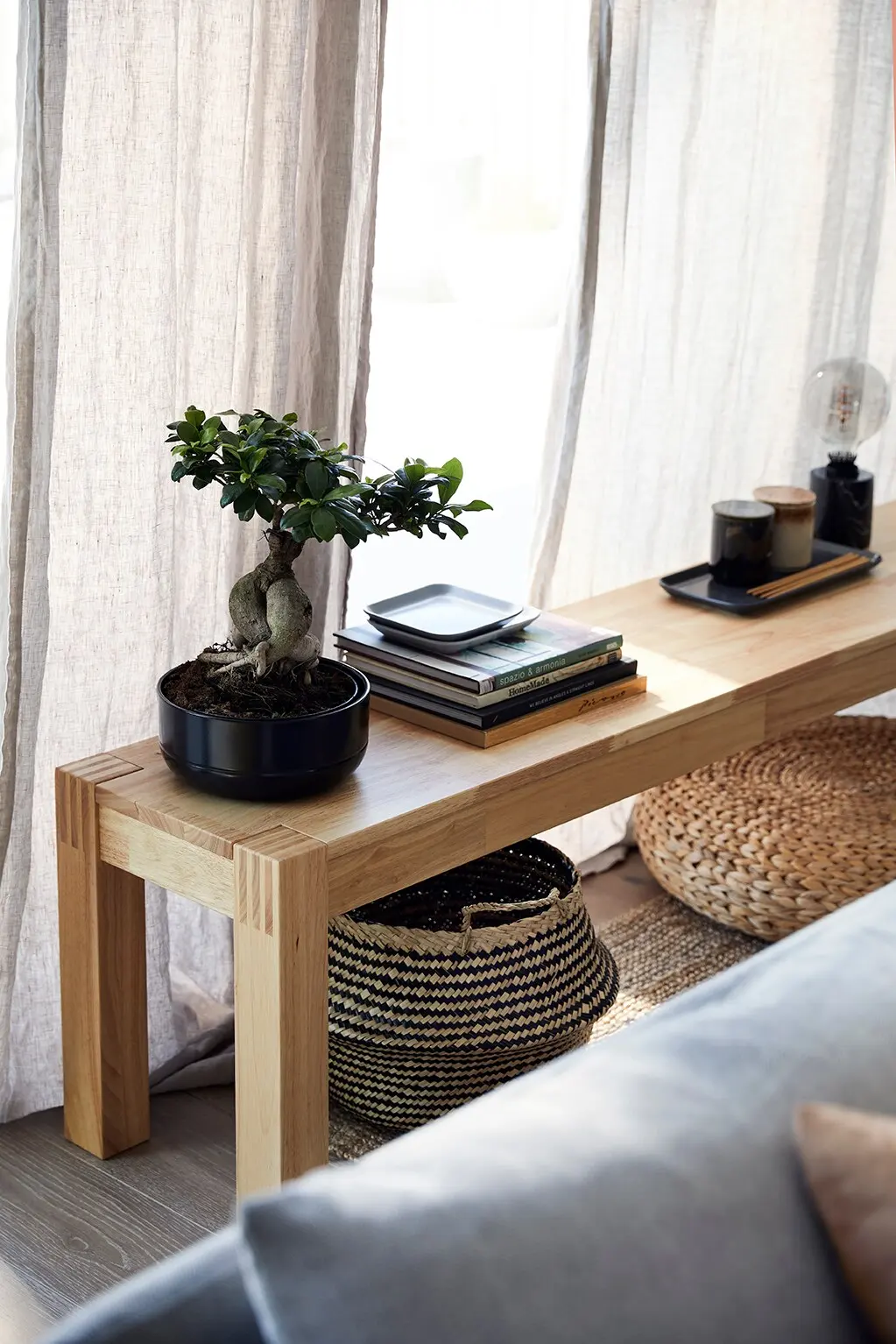
Multi-Functional Furniture That Looks Good While Working Hard
When every square meter counts, Japandi’s low-profile, multifunctional pieces step in like quiet heroes. A bench with hidden storage, a coffee table that moonlights as a desk, or a futon that actually looks chic—these are the workhorses that keep your space beautiful and practical without cramping your calm.
Conclusion: Your Japandi Journey Starts Small
You don’t need to redo your entire home to embrace Japandi style—try starting with a single corner. A calm, airy entry space designed with simplicity and restraint, clean lines, minimal furniture, and only essentials like a slim console table, a mirror, and a small bench. Let it be a gentle reminder that beauty often lives in simplicity and that imperfection is part of the charm. Consider this your permission slip to slow down, declutter, and let your home feel like a deep, restorative breath, one corner at a time.