
In today’s design world, natural materials aren’t just a trend—they’re a necessity. As our homes become sanctuaries from a world saturated with synthetic, petroleum-based products, more and more people are making the conscious (and chic!) shift toward sustainable, nature-friendly alternatives. It’s not just about aesthetics—though let’s be honest, nothing beats the warmth of real wood or the earthy elegance of stone. It’s about creating spaces that feel good and do good, free from harsh chemicals and endocrine disruptors. Think of it as designing with both heart and health in mind.
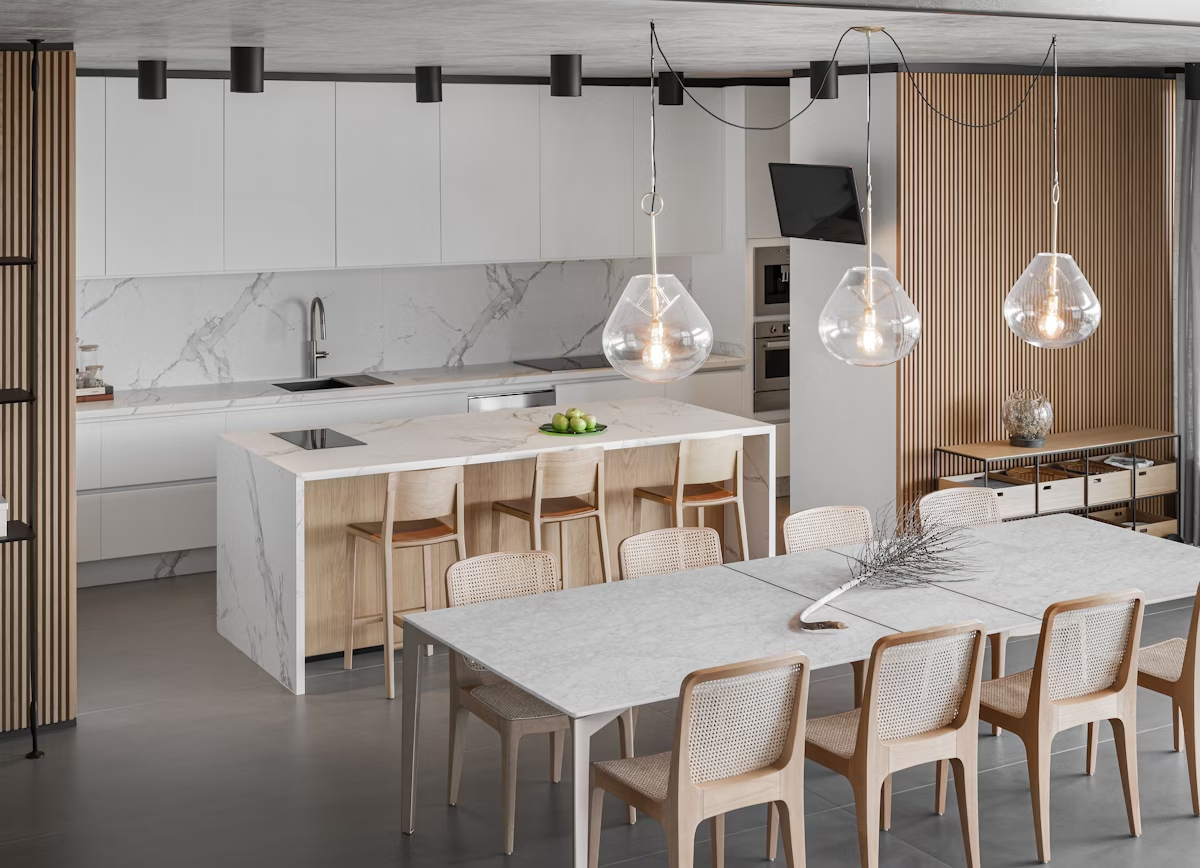
The word biophilic seems to be everywhere lately, and for good reason! I like to think of it not as a fleeting trend but as a gentle pivot back to what grounds us: nature. It’s less about chasing the next big design moment and more about reconnecting with the textures, tones, and tranquillity the natural world has to offer.
So go ahead—channel your inner hygge, light that beeswax candle, and cosy up under a chunky wool throw. This post is for those of you who just want to dip your toes into the world of natural materials. It’s about starting small, maybe with a woven basket here, a linen curtain there—but trust me, you’re planting the seed for something much bigger: a lifestyle rooted in calm, conscious, earthy beauty.
Let’s take a deep dive into the wonderful world of natural materials—one tactile, soul-soothing layer at a time.
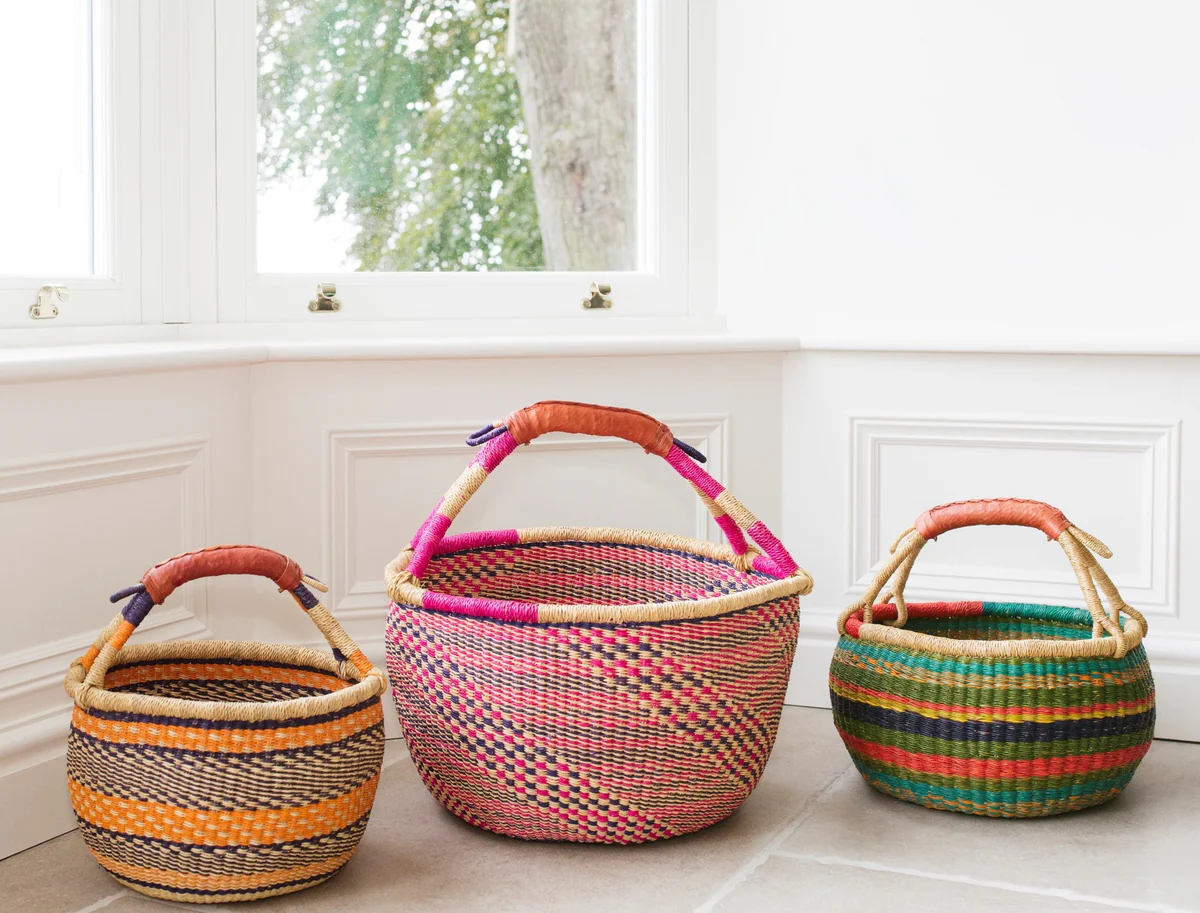
Table of Contents
Grain and Grace: The Allure of Raw Wood
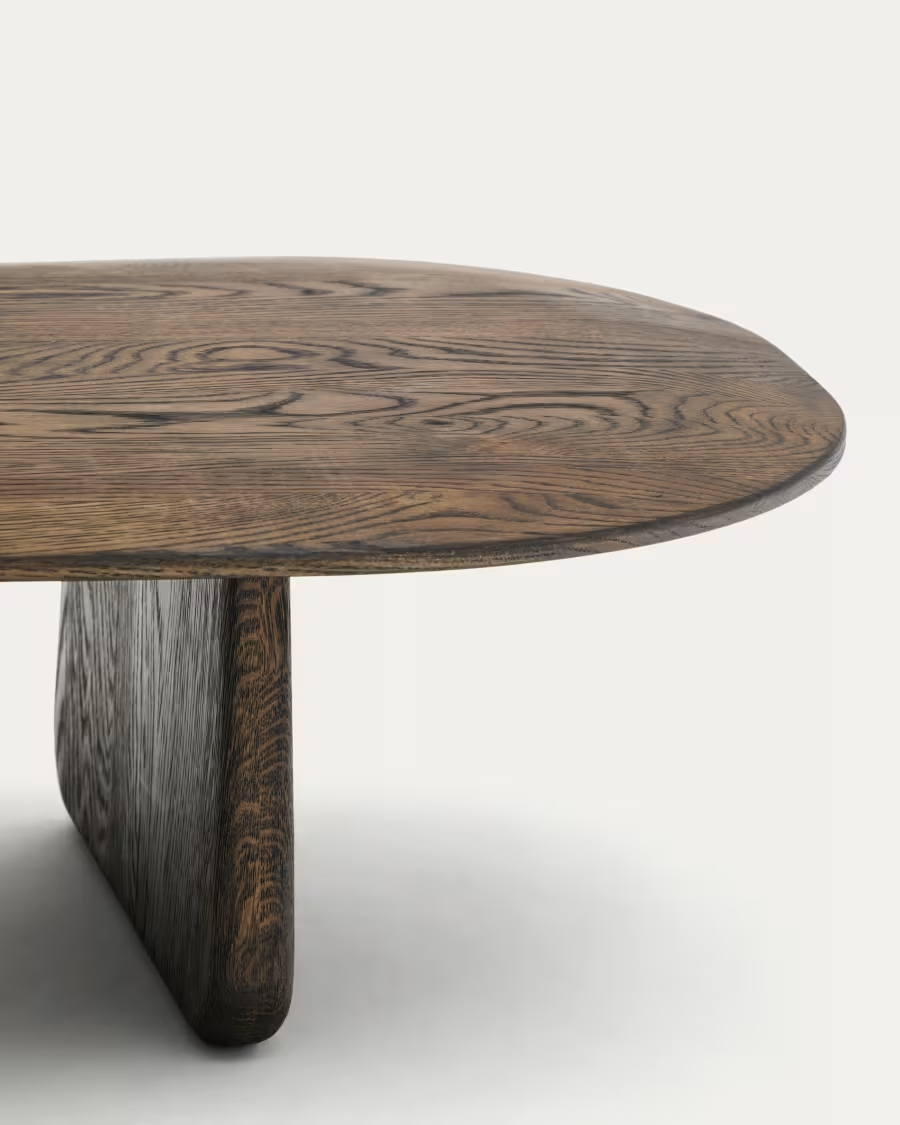
When we talk about raw wood in design, we’re not just referring to lumber from the hardware store—we’re talking about the real deal: reclaimed timber, untreated oak, walnut, pine, or whatever wood sings to your soul. Left in its natural state (with just a whisper of oil or wax for protection), raw wood invites you to admire its knots, grain, and perfectly imperfect textures. It’s nature’s fingerprint, and no two pieces are ever quite the same.
Whether it’s a chunky coffee table, open shelving, or a rustic beam, raw wood brings warmth, character, and a grounding presence to your space. It’s one of those elements that doesn’t shout, but it definitely speaks.
Tip: Mix wood tones for depth without overwhelming a space.
Earthy Elegance: The Linen Look
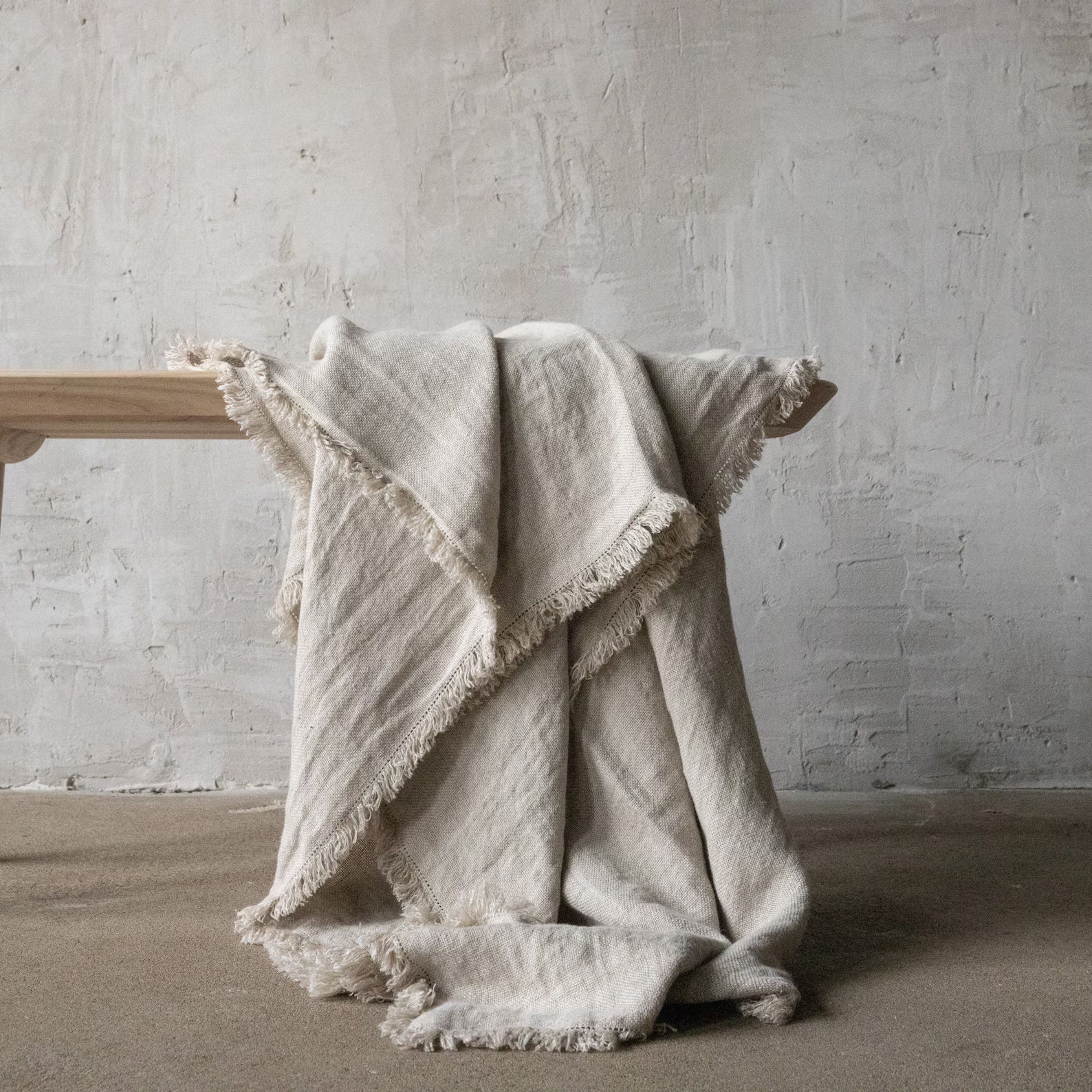
Embrace a little wabi-sabi and let linen work its quiet magic. Spun from humble flax, this timeless material is the definition of laid-back luxury—breathable, beautifully textured, and with a drape that’s effortlessly relaxed. It softens light like a dream and brings a gentle, organic vibe to any space.
Whether it’s billowy curtains that dance in the breeze, textured throw pillows that beg to be touched, or a crinkled bedspread that whispers farmhouse chic, linen adds depth without ever trying too hard. As for those wrinkles, they’re not flaws; they’re part of the charm.
Tip: Linen wears its age well, getting softer and lovelier over time. It’s lived-in elegance at its finest.
Grounded in Beauty: The Charm of Clay
All natural materials have grounding beauty, but clay is by far one of the best. She’s the earthy queen of the bunch. Whether you’re creating a tactile, rustic accent wall, adding a statement (or sweetly subtle) pendant light, or keeping it simple with a handmade vase from your favourite local artisan, clay brings soul to any space.
But the magic doesn’t stop at form—clay also shines in function. Clay-based paints are a gorgeous, eco-friendly alternative to conventional paints. Made from natural materials, they’re toxin-free, breathable, and brilliant at regulating humidity, perfect for those with chemical sensitivities or anyone craving a healthier home. With their rich matte finish and soft, earthy tones, these paints add a warm, organic depth to your walls, helping create spaces that feel calm, cosy, and totally in tune with well-being.
Tip: Begin with a beautiful, hand-thrown clay vase or planter. It’s an easy, elegant way to bring that earthy, tactile charm into your space—no renovations required!
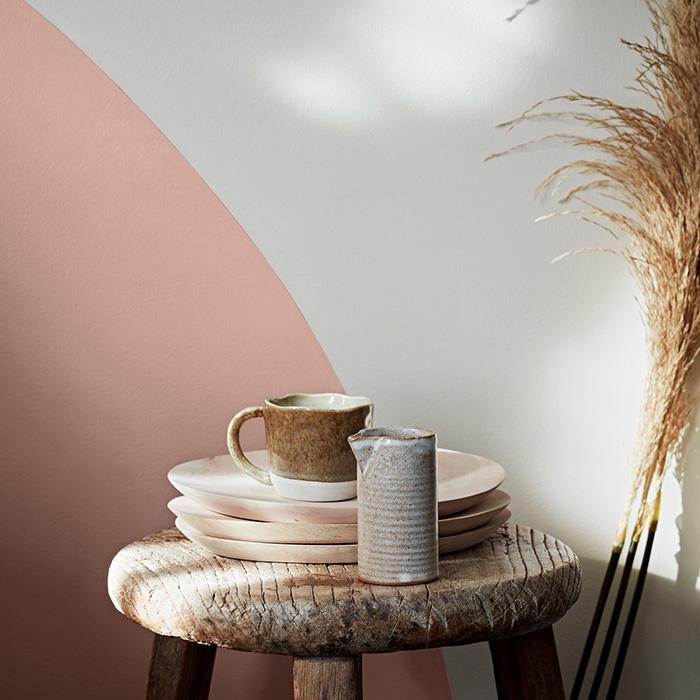
The Quiet Power of Bamboo
You don’t need to commit to a full Japandi makeover to bring a little bamboo beauty into your home. This fast-growing, sustainable treasure is lightweight, versatile, and effortlessly stylish, adding a touch of tropical warmth wherever it lands.
Start small: bamboo window shades instantly add texture and soften light in the most flattering way. A bamboo room divider is an excellent way to carve out cosy corners or sprinkle in a few accent pieces like a sleek side table or a sculptural chair. Pair it with lush, leafy plants, and voilà—you’ve got a space that breathes, with subtle biophilic charm (and yes, a whisper of Japandi flair).
Thinking bigger? Bamboo flooring is a fabulous option. Not only is it eco-friendly and renewable, but it’s also impressively durable—perfect for busy, high-traffic areas. Naturally hypoallergenic, easy to maintain, and more moisture-resistant than many hardwoods, it’s a practical choice that doesn’t skimp on style. With its clean lines and warm, golden tones, bamboo flooring brings modern elegance to your home—without blowing the budget.
Tip: Start with bamboo accessories. Think trays, picture frames, or a simple bamboo mirror. These small, budget-friendly pieces are an easy way to introduce bamboo’s warm, natural vibe into your space without a big commitment.
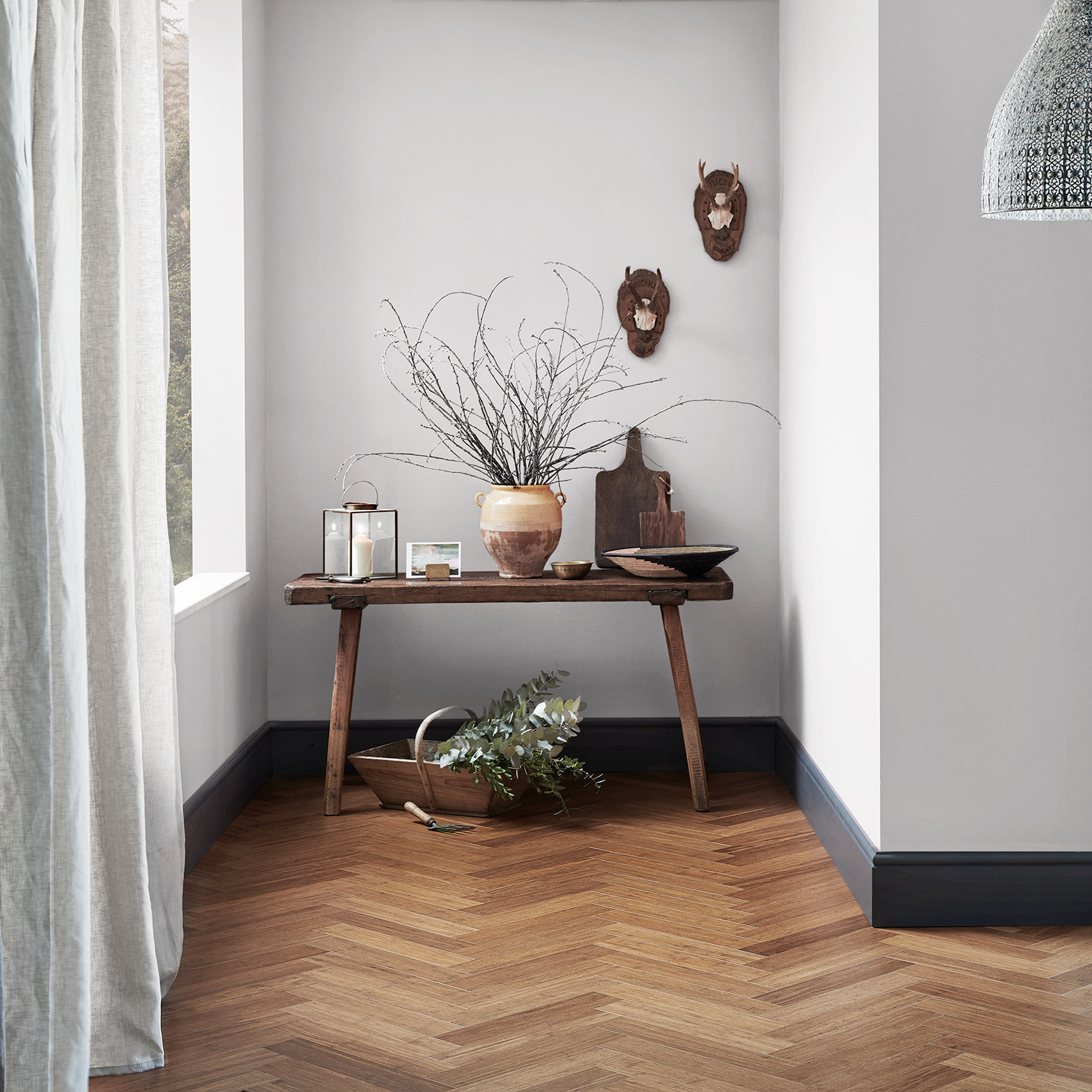
Natural Materials, Perfectly Paired
Add a sense of layered warmth to your space by artfully mixing natural materials like wood, linen, and clay. If you’re not leaning towards a rustic style, just balance those earthy textures with clean, modern lines for a look that feels both grounded and refined. Keep your palette neutral and let the materials do the talking—think grainy wood, crinkled linen, and matte clay. When texture takes the spotlight, you don’t need bold color to make a statement. It’s all about quiet luxury, the kind that feels as good as it looks.
Tip: Start with one natural material as your anchor, then layer in others through accents. For example, choose a wooden coffee table as your base, then add linen cushions and a small clay vase or lamp. Stick to a soft, neutral palette—think creams, beiges, and warm woods—and focus on mixing textures instead of colours. To avoid a rustic overload, pair these with clean-lined furniture or modern lighting to keep the look fresh and balanced. It’s all about subtle contrasts and tactile charm.
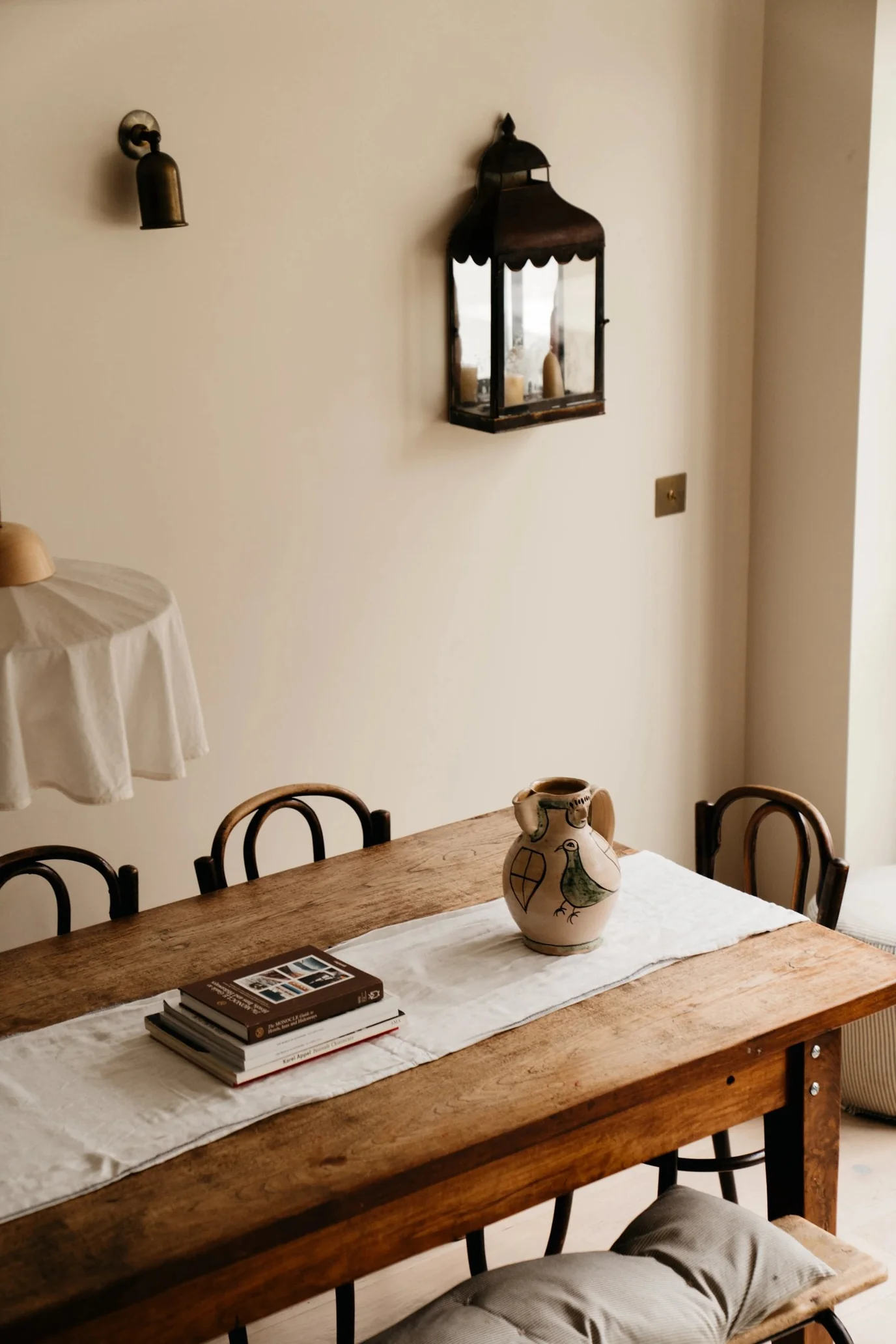
Where to Source Natural Materials on a Budget
Incorporating natural materials into your home doesn’t have to mean big-box shopping or big budgets. Some of the most beautiful, character-filled pieces can be found in the most unexpected places. A reclaimed wood bench sourced at a thrift store, a hand-thrown clay vase from your local pottery studio, or dreamy linen pillow covers from a small Etsy shop. Even bamboo—lightweight, durable, and oh-so-chic—can be sourced from sustainable online retailers that prioritise both style and the planet. Not only are you adding natural charm to your space, but you’re also supporting makers, reusing materials, and creating a home that feels soulful and intentional.
- Thrift stores & Facebook Marketplace for affordable reclaimed wood finds
- Local pottery studios for one-of-a-kind clay pieces with artisan flair
- Small Etsy shops for handmade linen textiles and soft goods
- Sustainable bamboo retailers for eco-friendly, stylish home essentials
Tip: Always shop with a mix of heart and eye—look for texture, character, and a story. A little wear on a wooden stool or the thumbprint on a handmade vase? That’s charm you can’t buy mass-produced.
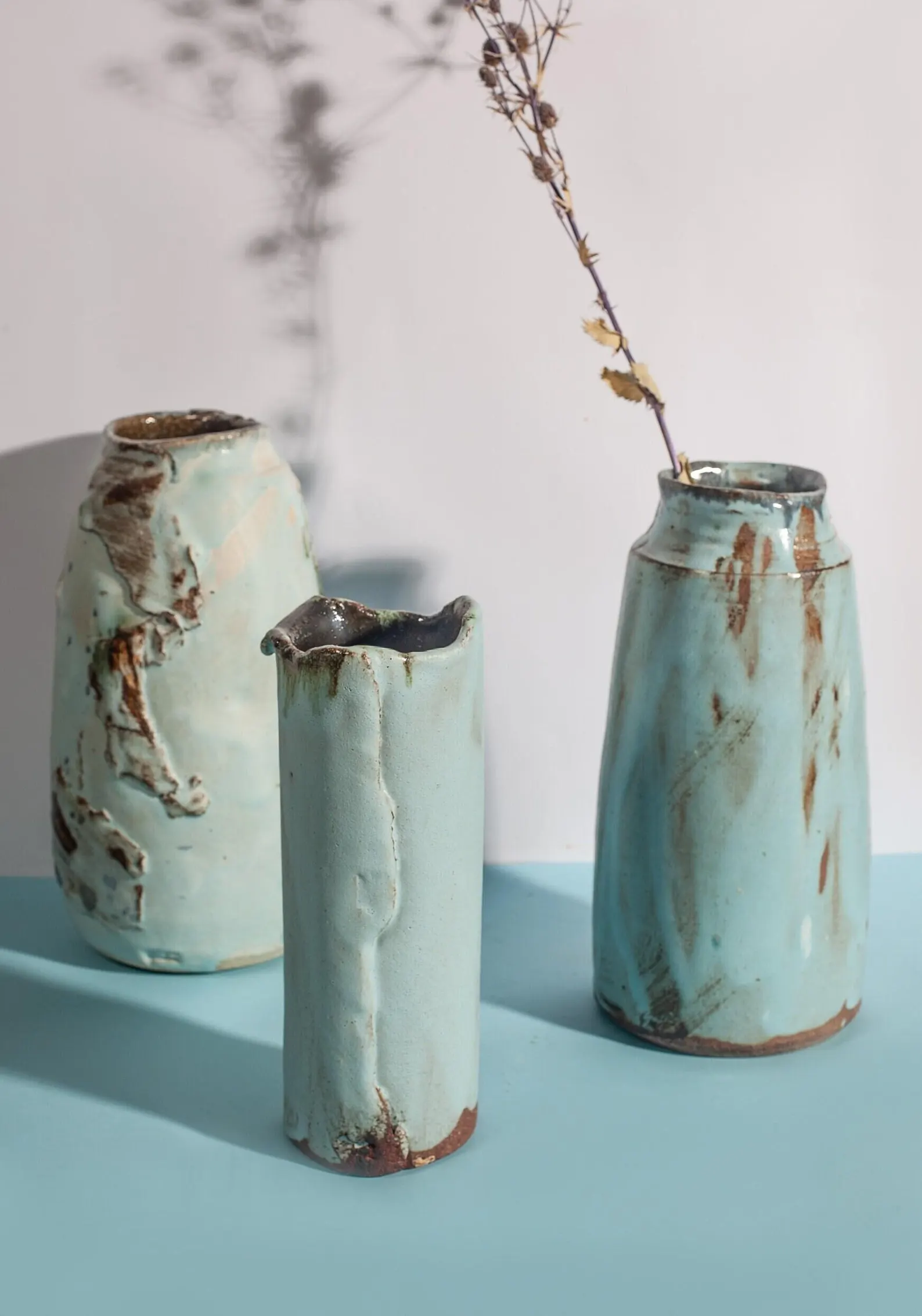
Natural Matirials Maintenance Tips
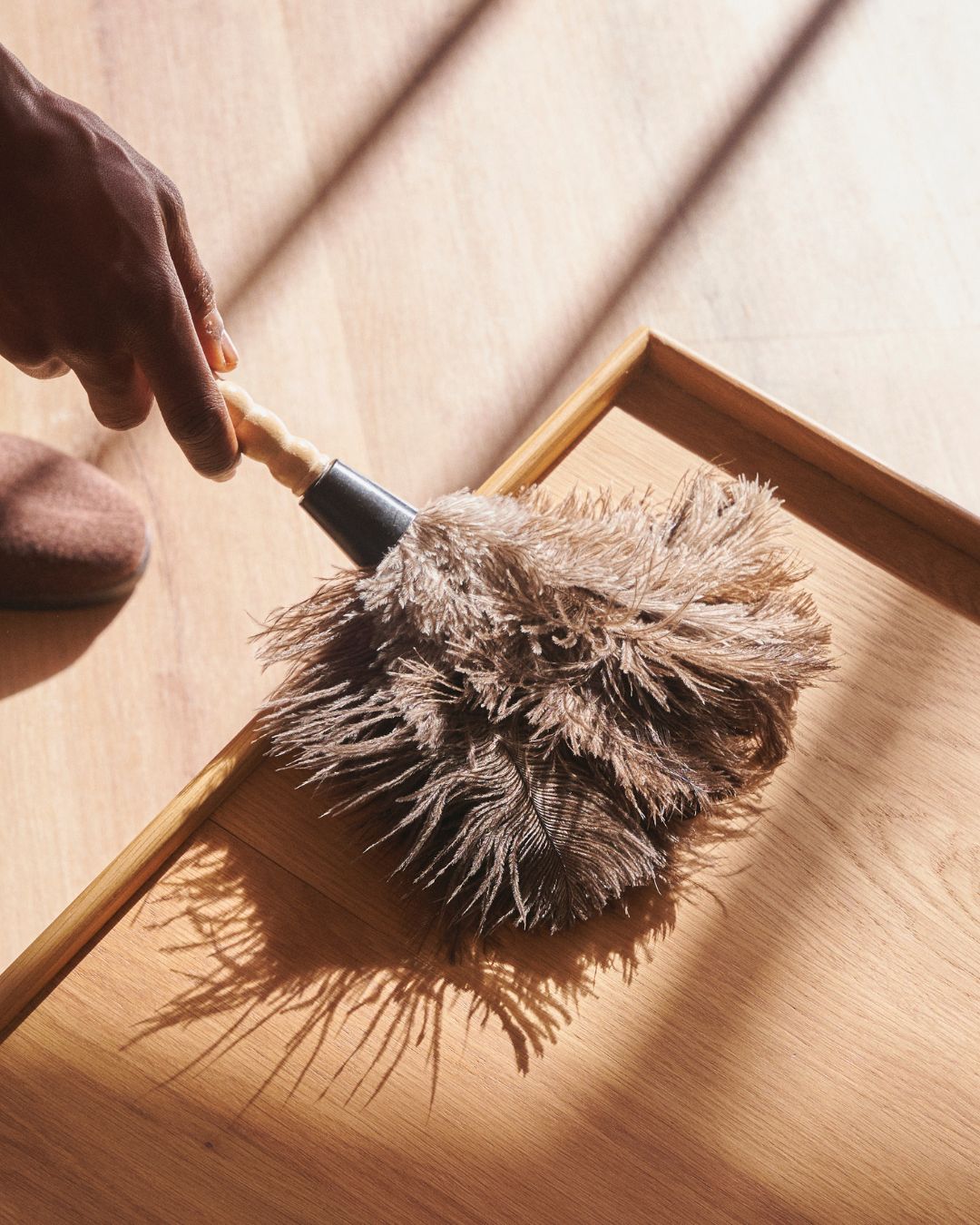
To keep your natural materials looking effortlessly fabulous, just follow a few simple care tips. A little maintenance goes a long way when it comes to preserving their beauty and charm.
- Wood: occasional oiling, avoid excess water
- Linen: gentle wash, air dry
- Clay: dust gently, avoid dropping
- Bamboo: wipe with a damp cloth, avoid high humidity exposure.
Naturally at Home
Incorporating natural materials is like giving your home a deep, contented exhale—it naturally shifts the energy toward something calmer, warmer, and more grounded. There’s no need to rush. Start slowly, savour the process, and let your space evolve organically, one beautiful texture at a time. After all, good design grows just like nature does, with patience and purpose.