
Thanks to the ever-mysterious algorithm gods, I’ve recently found myself deep in conversation (with myself, naturally) about over-door shelves. That slim slice of wall above a doorway, quietly perched and full of potential, is prime real estate hiding in plain sight. It overlooks each room like an architectural afterthought, yet it deserves a starring role. Whether you treat it as cleverly disguised storage or a purely decorative design moment, it’s a detail well worth your consideration. Read on, and I promise I’ll make you a believer.
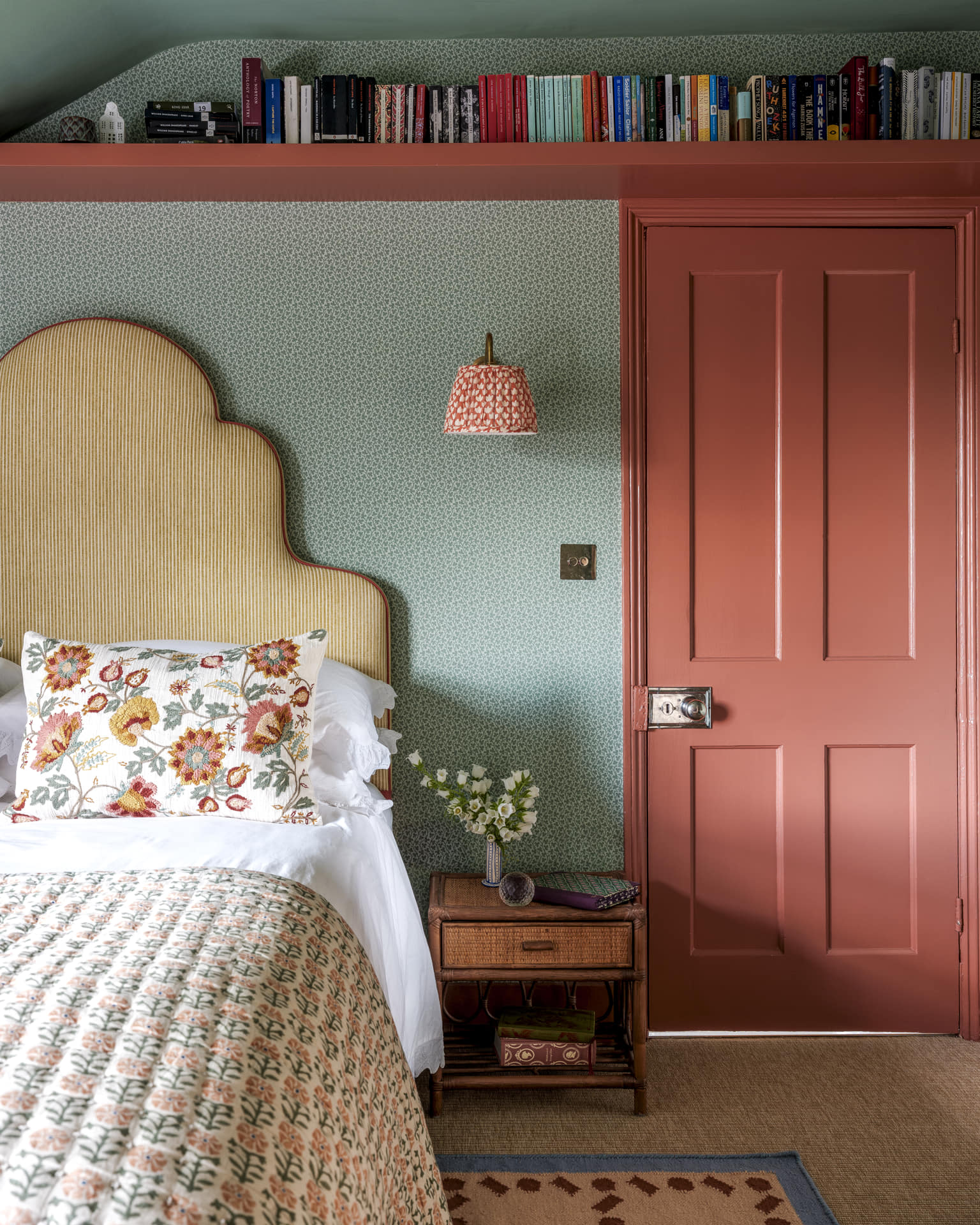
Table of Contents
Why Over-Door Shelves Work So Well
Over-door shelves are truly a no-brainer for anyone short on space, and let’s be honest, there’s no such thing as too much storage. Whether you rent or own, it’s a clever way to add both function and flair. When done with a designer’s touch, it introduces vertical rhythm, visual interest, and a whisper of charm to any doorway. Think of it as your doorway’s little crown: subtle, elevated, and surprisingly transformative.
The Perfect Balance of Practicality and Personality
The average home hides around four to five square metres of unused wall space just above its doors, a surprisingly generous amount when you start thinking vertically.
That’s roughly the equivalent of a small walk-in closet’s worth of surface area, or about two dozen floating shelves waiting to happen.
It’s an elegantly economical alternative to adding new furniture, a simple, clever way to reimagine your space without expanding it.
Choosing the Right Shelf for Your Space
Material Matters
The material you choose should always echo your home’s personality. Wood brings a timeless warmth that never feels out of place, while metal or glass creates a sleeker, more minimalist effect, perfect for contemporary spaces.
Depth & Scale
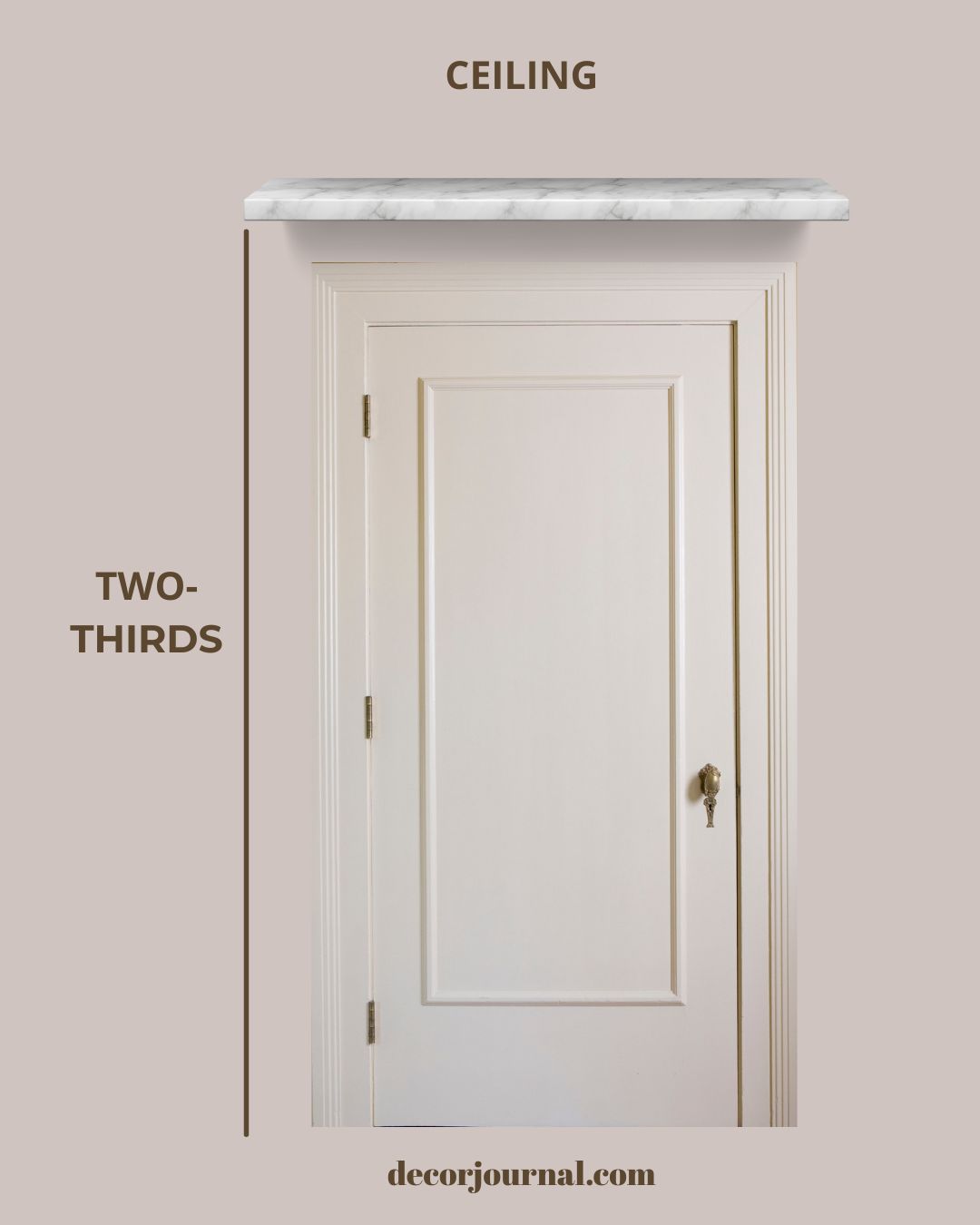
When it comes to over-door shelves, scale is everything. Most standard doors sit just over two metres high, leaving a modest strip of wall space between the top of the frame and the ceiling. The trick is to use that space thoughtfully; aim for your shelf to fill no more than two-thirds of it. Any higher, and it risks looking squeezed; any lower, and it starts to feel heavy.
Keep the depth in proportion to the door width; roughly 15–20 cm is ideal for most rooms. Anything deeper can feel top-heavy or throw off the balance.
If your home has architectural lines like picture rails or window headers, try to align your shelf height with those elements. It creates a subtle rhythm that feels cohesive without shouting for attention.
In rooms with lower ceilings, choose a slimmer profile or floating shelf to maintain a sense of lightness. And remember, proportion isn’t only about the shelf itself; it’s about what you place on it. A few curated books, a trailing plant, or small ceramics will do more for the eye than a cluttered collection.
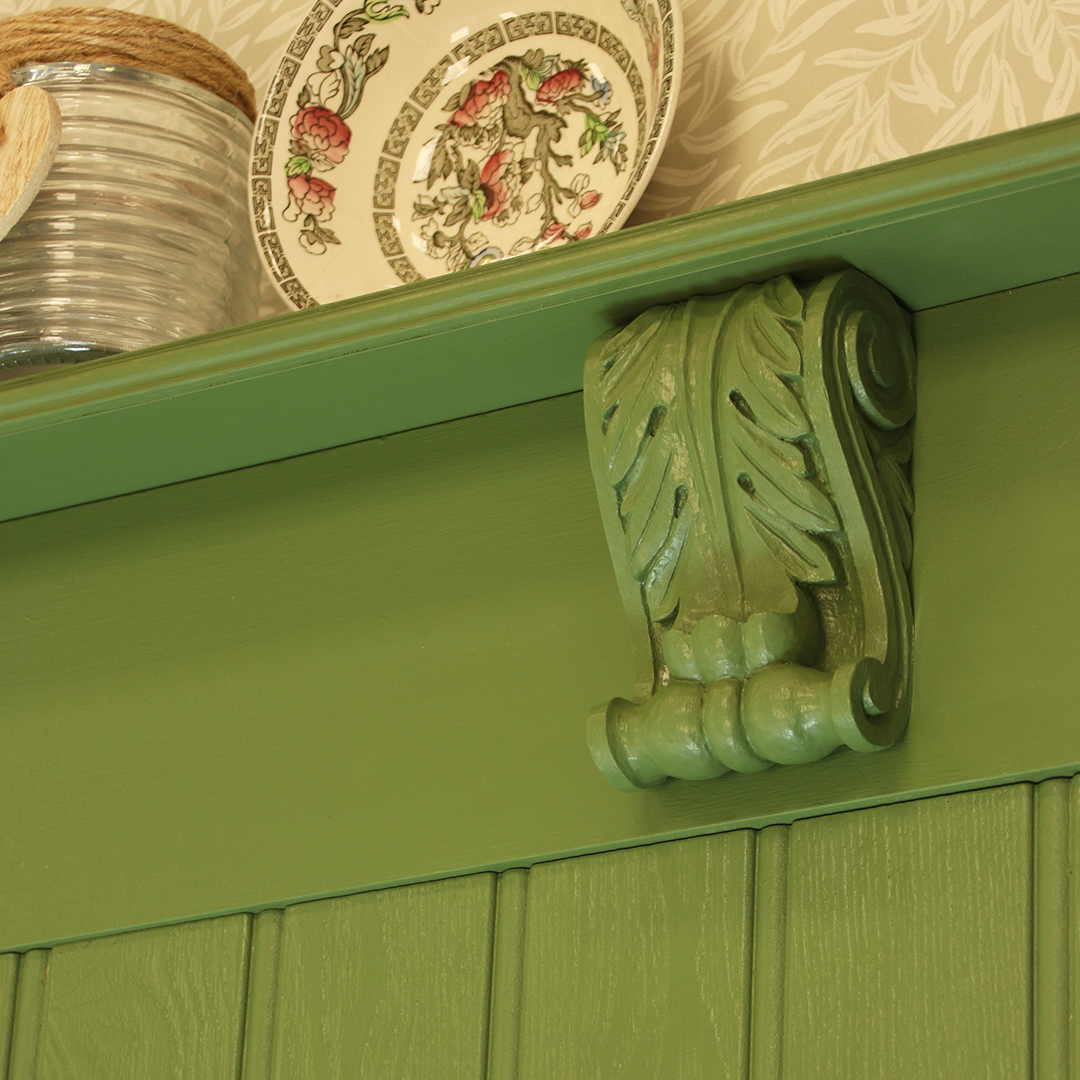
Finally, leave a little breathing room between your display and the ceiling. Negative space is as important as the shelf itself; it’s what makes the design feel intentional rather than improvised.
Colour & Finish
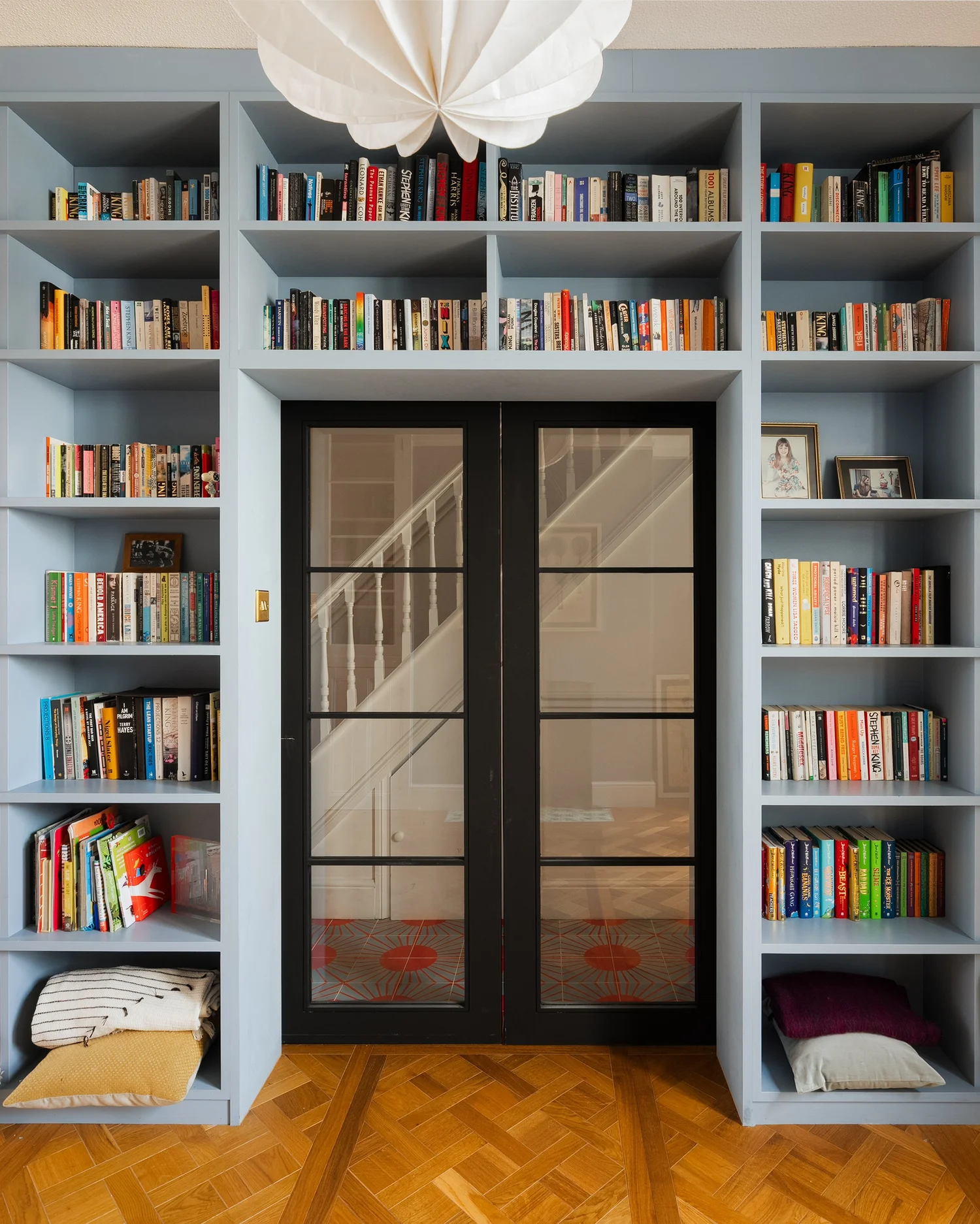
Matching your over-door shelf to the surrounding woodwork creates a beautifully seamless, cohesive look; it feels integrated, almost architectural. For something a little bolder, try a contrasting finish or tone to make the shelf a subtle focal point. Both approaches work; it simply depends on whether you want your shelf to blend quietly into the space or add a whisper of drama above the doorway.
Installation Tips
A beautifully styled shelf won’t mean much if it’s not securely in place, so let’s talk about the practical side. Installation may not sound glamorous, but it’s what ensures your over-door shelf looks intentional rather than improvised.
1. Know your wall type.
Before you even think about drilling, find out what you’re working with: plaster, drywall, or masonry. Each needs its own kind of anchor or fixing. If you’re unsure, a quick chat with your local hardware store (or a handy friend) can save a lot of future frustration.
2. Consider ceiling height.
If you have lower ceilings, choose a slimmer shelf or mount it slightly higher to avoid a cramped look. For taller ceilings, you can afford a deeper or chunkier design; it will help visually “ground” the space between the door and the ceiling.
3. Use the right supports.
For most shelves, L-brackets or hidden floating mounts work beautifully. Hidden mounts give a sleek, modern finish, while visible brackets can add a bit of architectural charm if chosen thoughtfully.
4. Don’t overload it.
Even the best-installed shelf has limits. Keep heavier items (like stacks of books) closer to the wall for stability, and balance the display with lighter pieces toward the front.
5. Always check the clearance.
Before installing, open the door fully to make sure your shelf (and what you plan to display) doesn’t get in the way or, worse, take a hit from the door frame.
A few careful steps now mean you’ll end up with a shelf that feels perfectly proportioned, rock solid, and effortlessly chic, just as every design detail should.
Styling Over-Door Shelves: Function Meets Aesthetic
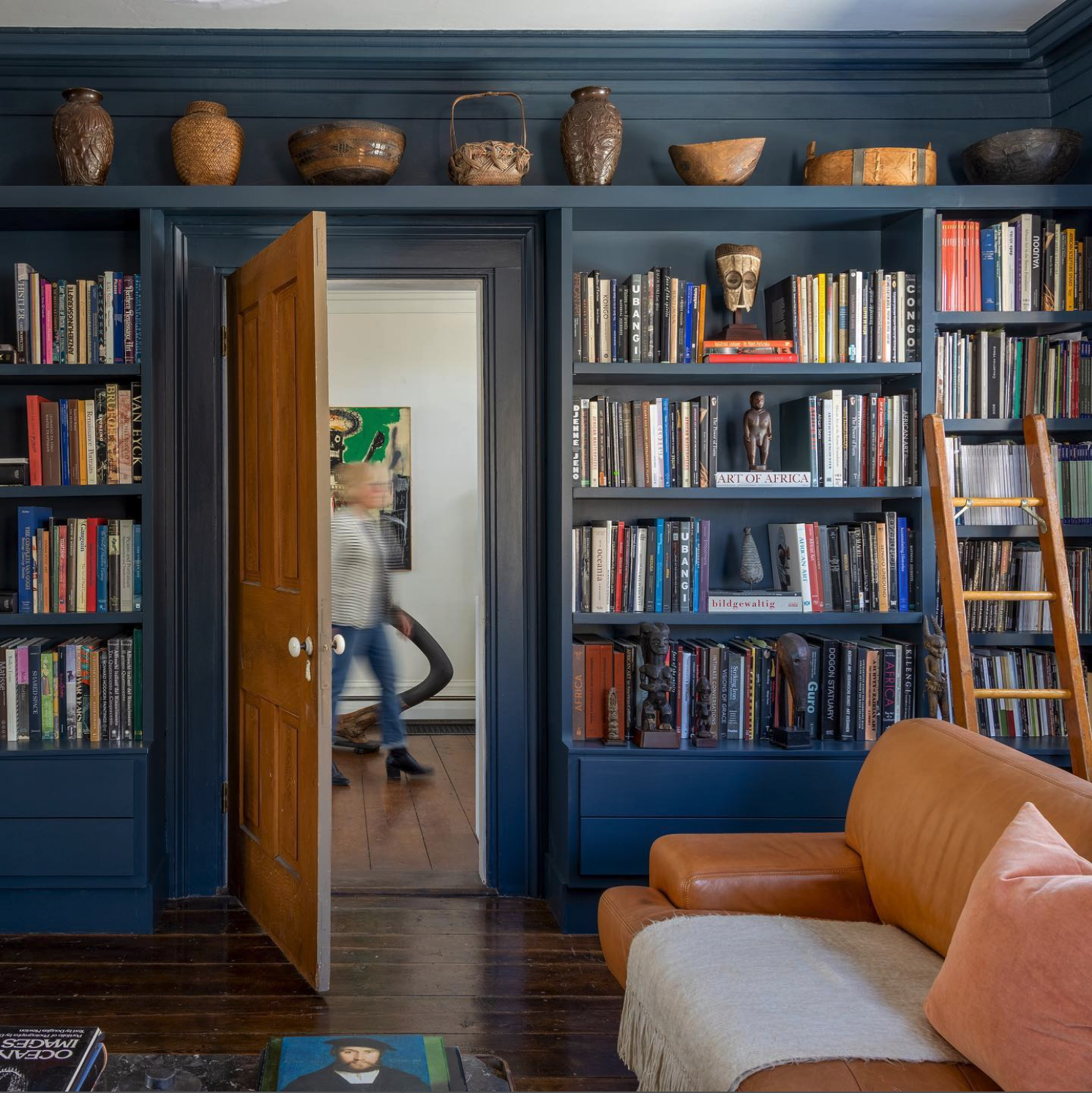
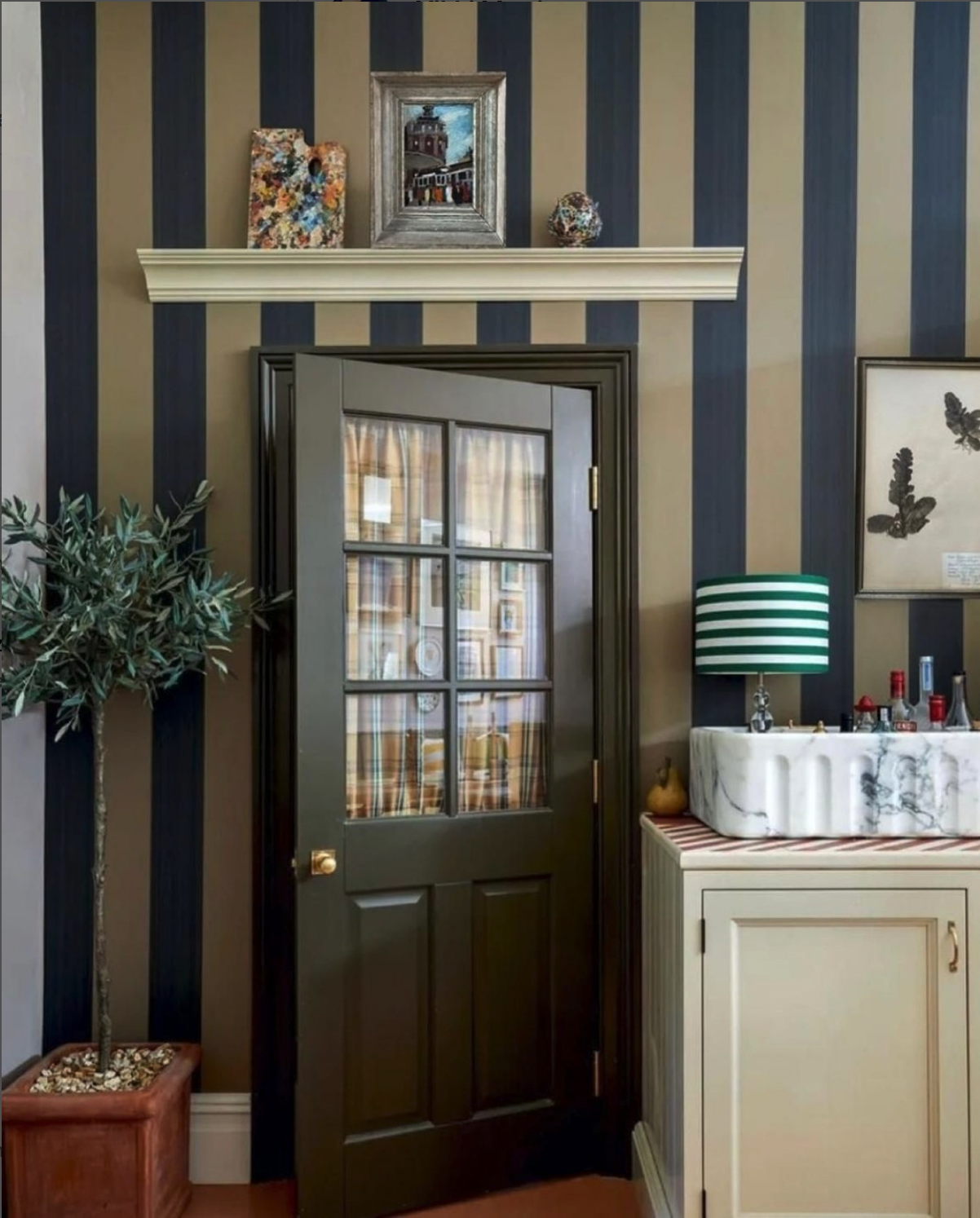
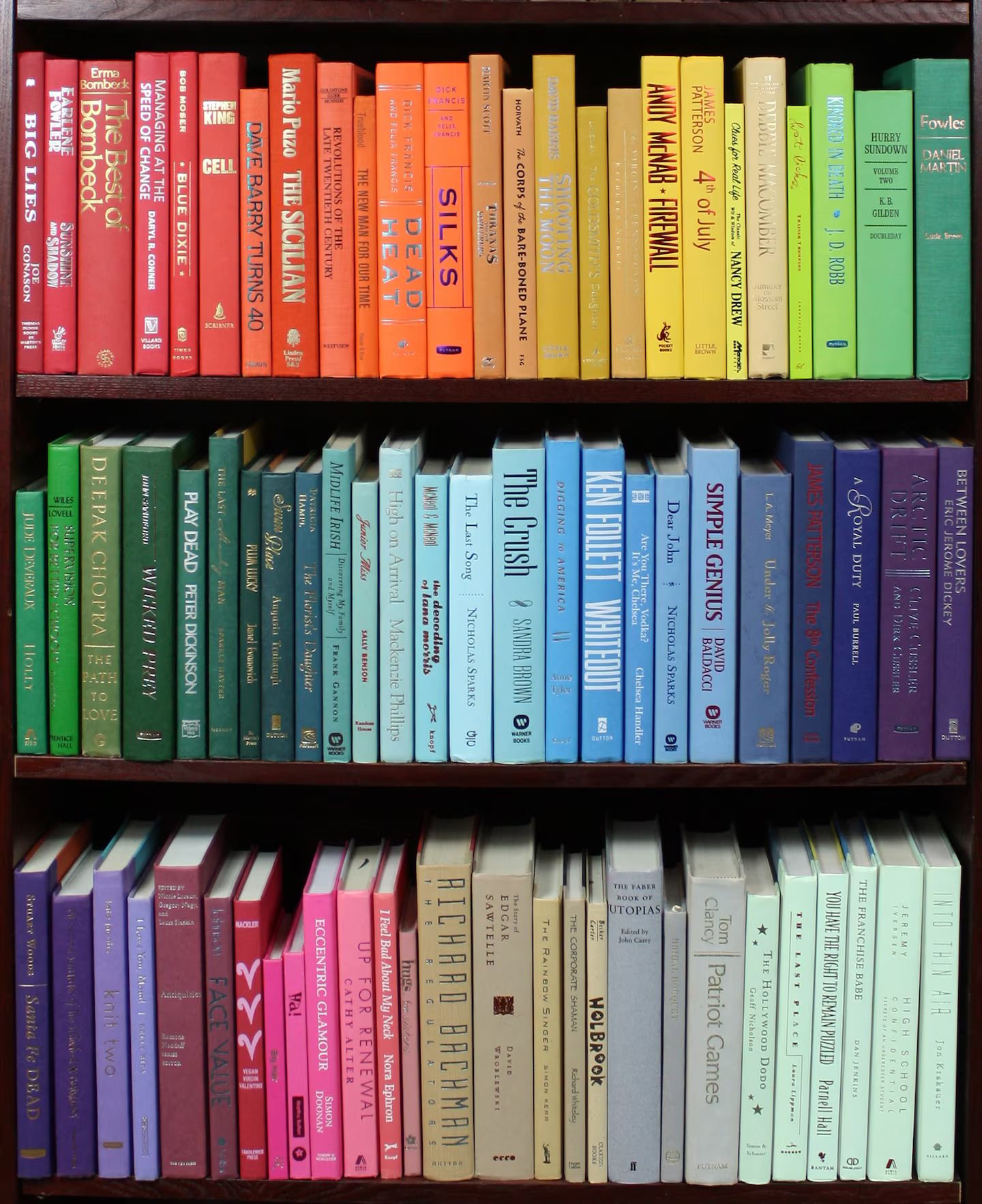
Over-door shelves are a quietly genius solution for storing books, especially when styled with intention. Arrange them by colour or tone to create a subtle, curated statement that feels both organised and artful.
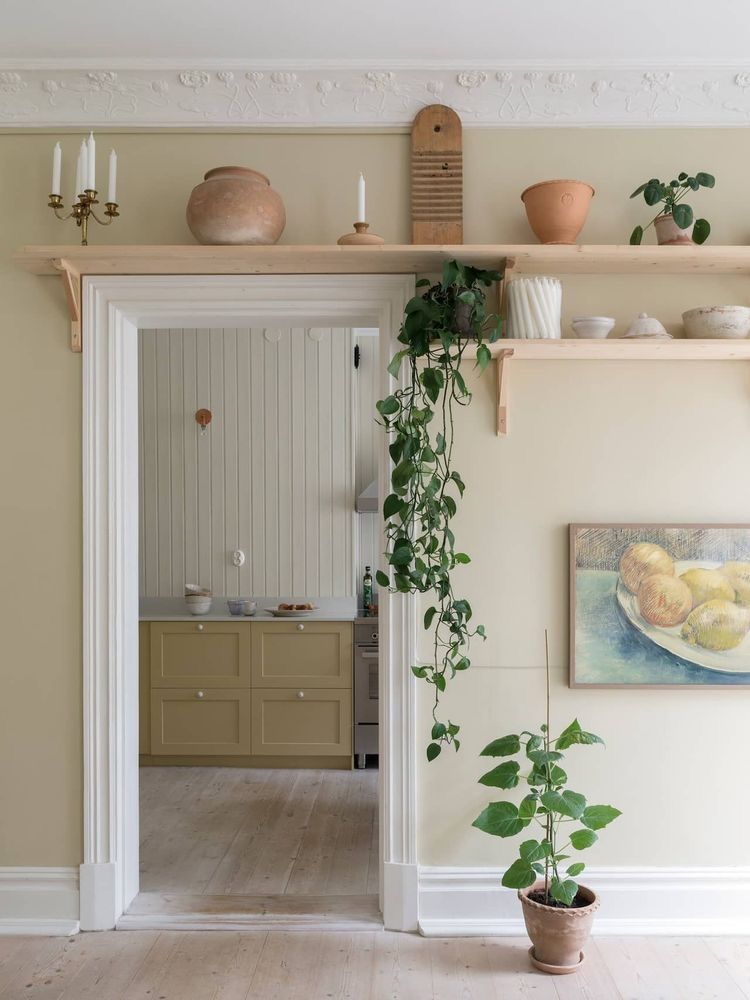
Introduce a touch of biophilic charm by letting trailing plants, like pothos, spill gracefully over the edges. They’re wonderfully low-maintenance; a little water every ten days or so, and they’ll reward you with lush, cascading greenery that softens the architecture of the shelf.
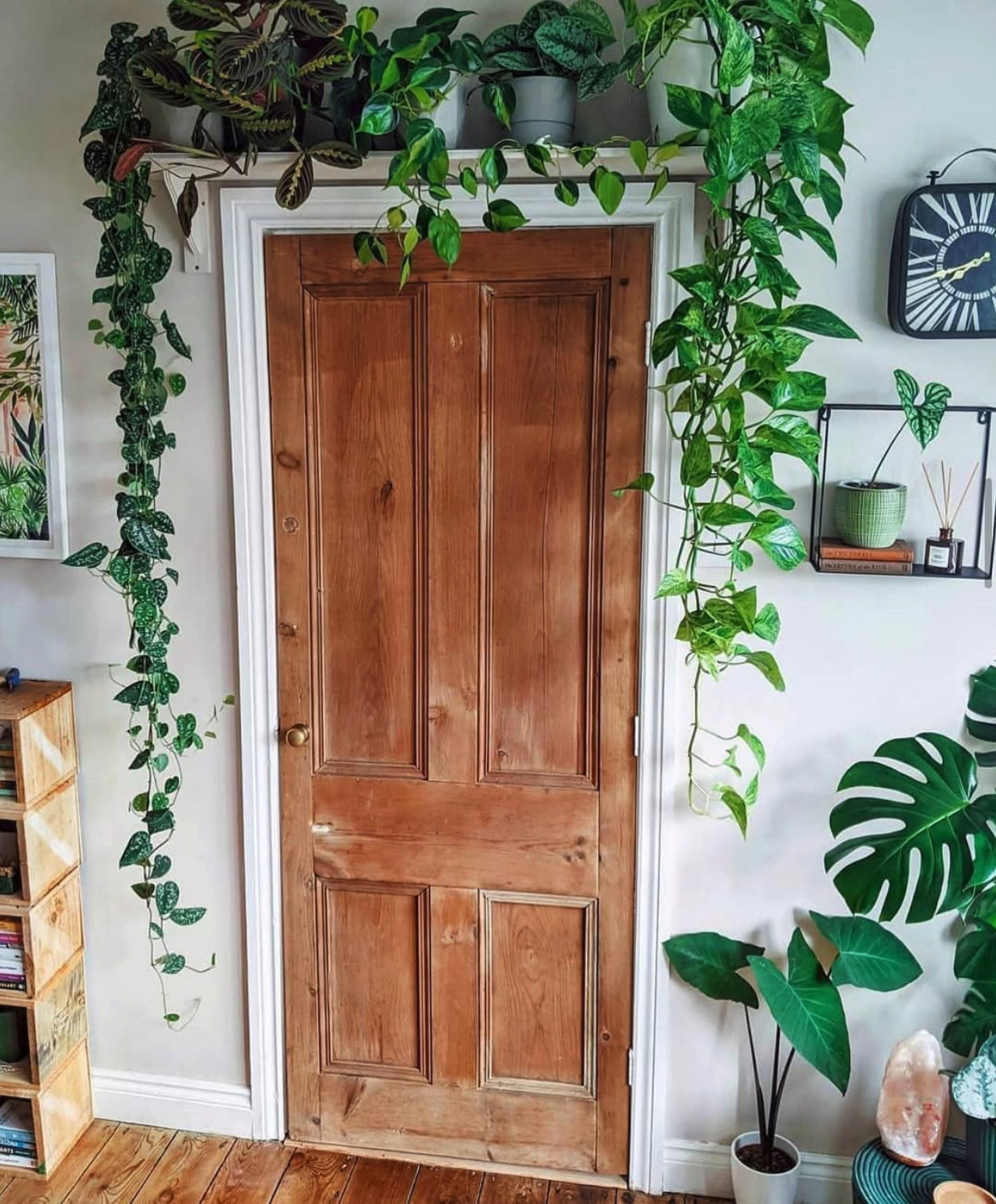
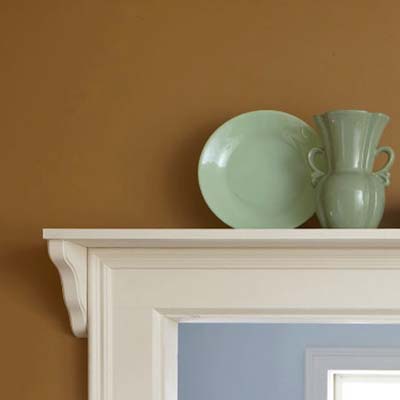
If books and plants aren’t your thing, try displaying art, ceramics, or sculptural objects to draw the eye upward and add an element of surprise. Or, for something more practical, use woven baskets or decorative boxes to conceal seldom-used items while still adding texture and warmth.
Pro design trick: create visual harmony through repetition or colour cohesion; echo a tone from your rug, artwork, or soft furnishings to make the shelf feel like it truly belongs to the room.
Over-Door Shelves by Room
The way you style your over-door shelves will naturally vary from room to room, depending on the space’s purpose and whether the shelf serves as a purely decorative feature or a little extra storage. Each room tells its own story, and your shelving can echo that beautifully with just a touch of thought and intention.
Entryway
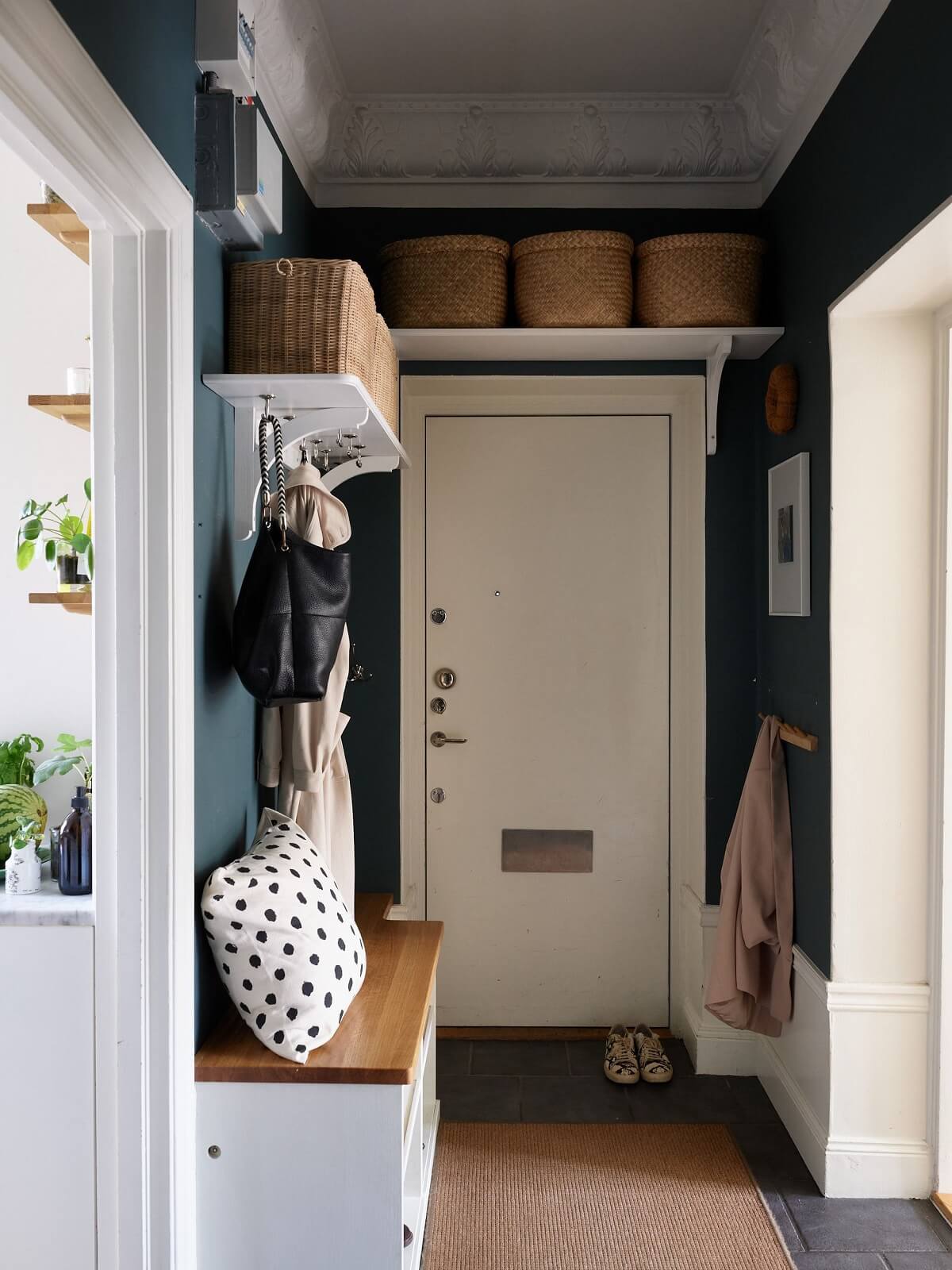
It’s the perfect spot to display those beautiful hats you rarely wear or the ones you dream of owning. Woven baskets, styled thoughtfully, offer extra storage while keeping things chic. They’re ideal for hiding away winter accessories like scarves and gloves, or even your pet’s most fashionable ensembles. For added texture and personality, mix baskets with ceramics; the contrast between natural fibres and glossy finishes adds instant visual interest and depth.
Bathroom
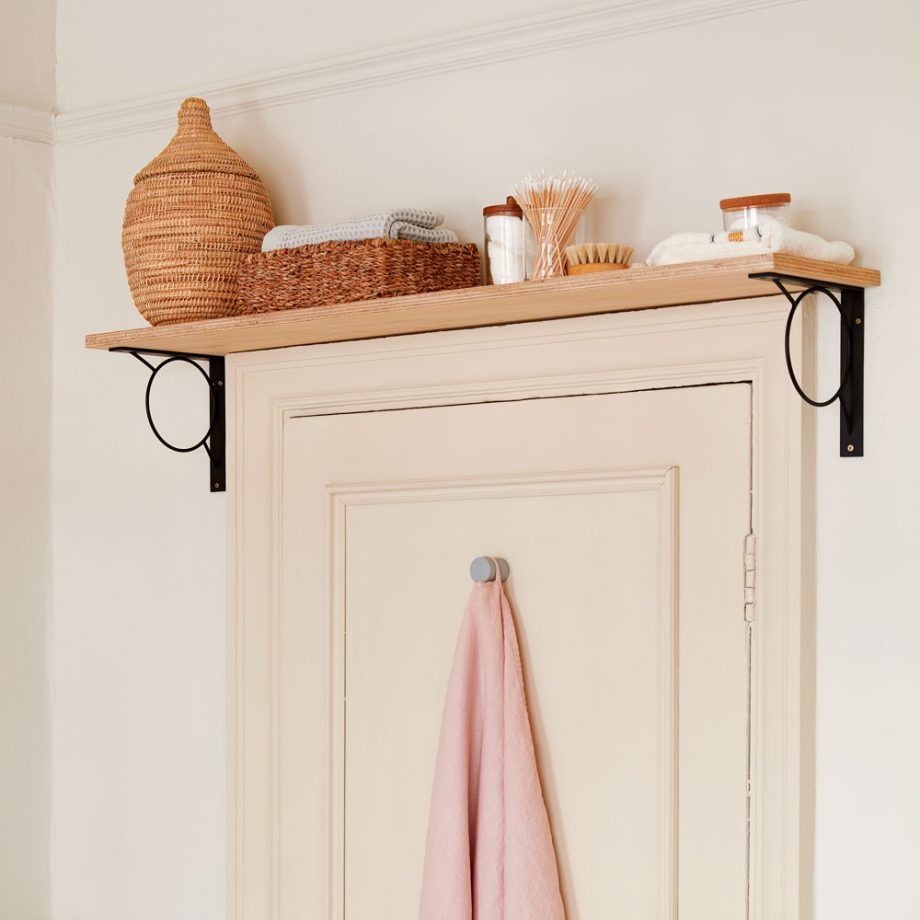
Come on, admit it, you too have those pristine white towels worthy of a washing detergent commercial. The ones reserved for special guests who never quite materialise, while you stay loyal to your trusty, slightly threadbare favourites. Well, this is their moment to shine. Display them in all their fluffy glory on your over-door shelf and give them the elevated attention they deserve.
If crisp and bouncy isn’t quite your vibe, apothecary jars or a few lush green plants will add depth, charm, and just the right touch of personality to the space.
Bedroom
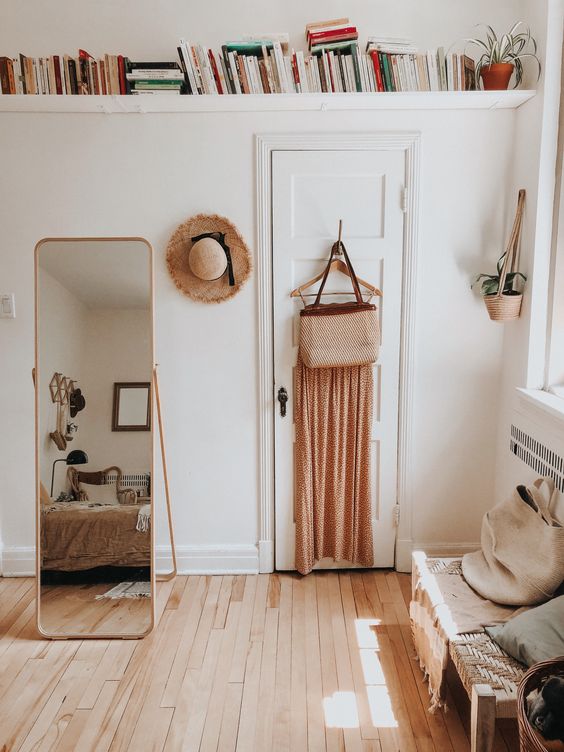
The bedroom might not be the first place you think of for an over-door shelf, but it’s secretly one of the best. That little pocket of space above the door is perfect for storing beautiful things you don’t necessarily need every day or for simply adding a touch of personality to the room.
Think linen storage with flair: neatly folded throws or those crisp pillowcases that make you feel like you live in a boutique hotel. Or perhaps books, the ones you keep meaning to read but love having nearby, quietly whispering sophistication from their perch above.
For a softer, more decorative look, consider a row of framed photos, art prints, or a single trailing plant to bring life and a gentle vertical flow to the space. If your style leans more minimal, a few ceramics or sculptural pieces will do the trick. They add visual rhythm without clutter.
Designer tip: Keep the palette calm and cohesive. In bedrooms, over-door shelves work best when they blend into the architecture rather than shout for attention. A tone-on-tone colour scheme, matching your shelf to the wall or trim, keeps things restful, refined, and effortlessly pulled together.
Office / Studio
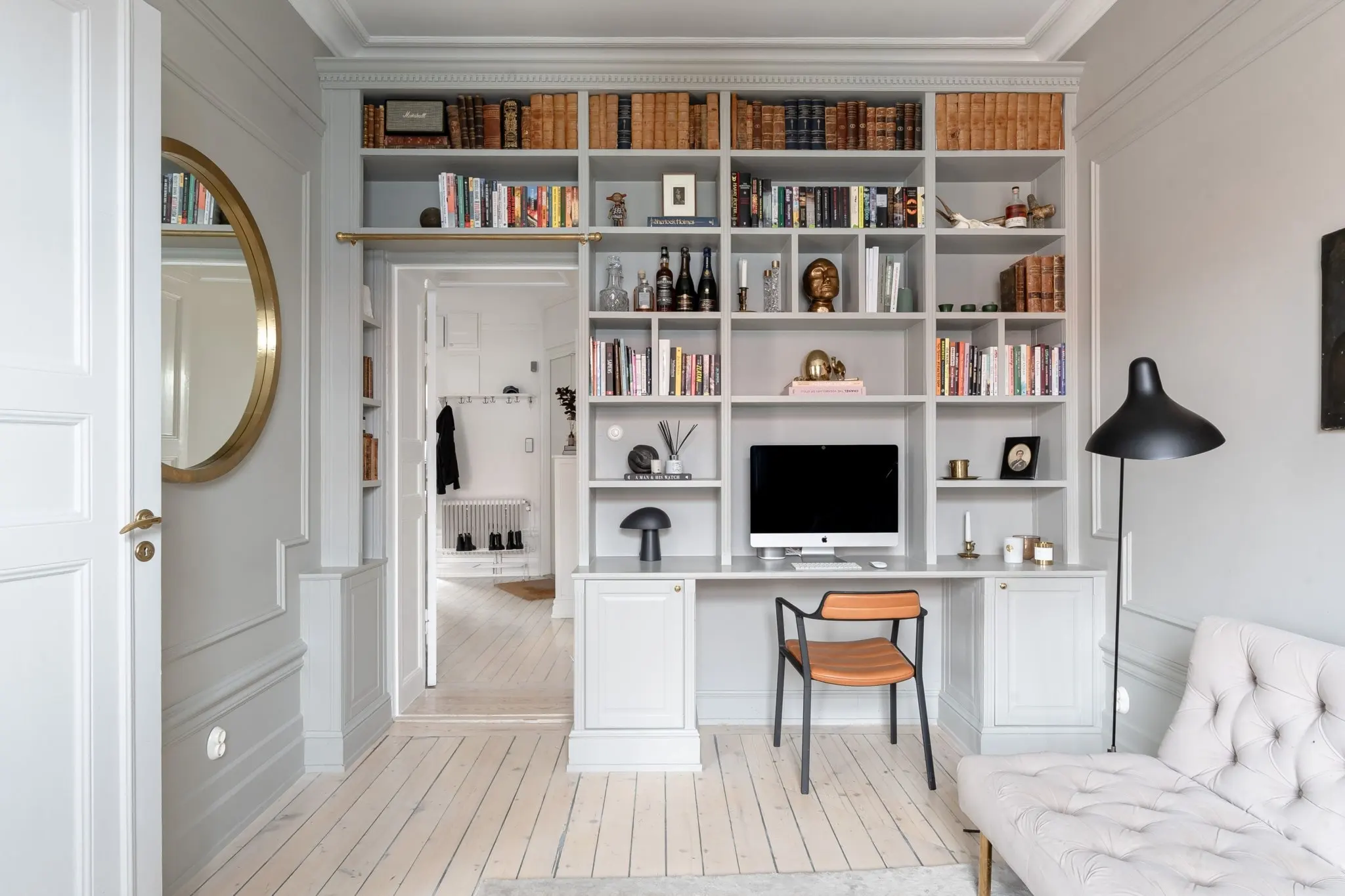
In an office or studio, the over-door shelf earns its keep; it’s that magical mix of practical storage and personality on display. It’s the perfect place to keep things you want nearby but not necessarily on your desk (because let’s be honest, clutter looks better when it’s curated).
Woven boxes or archival storage bins keep supplies tidy while still looking intentional; think of them as the chic upper cabinets your office never had. If you’re more of a visual creative, line the shelf with jars of art materials, paintbrushes, or colourful sketchbooks; it instantly adds warmth, texture, and a touch of your craft to the space.
Don’t forget a few personal touches, framed artwork, a favourite object, or even a trailing plant to soften the edges and make the room feel alive. It’s these small, thoughtful additions that transform a workspace from functional to inspiring.
Final Thoughts
In the world of interiors, it’s often the smallest spaces that make the biggest impression. Over-door shelves are a perfect reminder that good design isn’t just about what we see; it’s about how cleverly we use every inch.
That little strip of space above a doorway can hold books, art, plants, baskets, or simply a touch of imagination. It’s the kind of detail that quietly elevates a room from practical to personal, proving that style lives just as much in the unexpected corners as it does in the show-stopping ones.
So next time you walk through a doorway, look up; your next favourite design feature might be right there, waiting to happen.
If you’ve styled an over-door shelf in your own home, I’d love to see it! Share your ideas or tag me on Instagram; let’s keep celebrating the clever, beautiful details that make a space feel truly lived-in and loved.