
Slow living home decor is far more than a passing trend; it’s a mindset, a beautifully deliberate shift in how we live, create, and consume. It all began in Italy back in the mid-1980s, as a small (and rather charming) rebellion against the rise of fast food. From there, the philosophy gently, and appropriately slowly (pun intended), made its way into fashion, travel, and, of course, the world of interiors.
Today, we’re seeing more and more brands embrace the principles of the slow movement. Smaller, more thoughtful collections, mindful packaging, and limited stock are becoming the new luxury. Some of this may be nudged along by regulations and industry pressures, but let’s stay optimistic; with a bit of luck, the future of design will be guided not by red tape, but by a genuine desire to craft spaces and objects with heart, integrity, and intention.
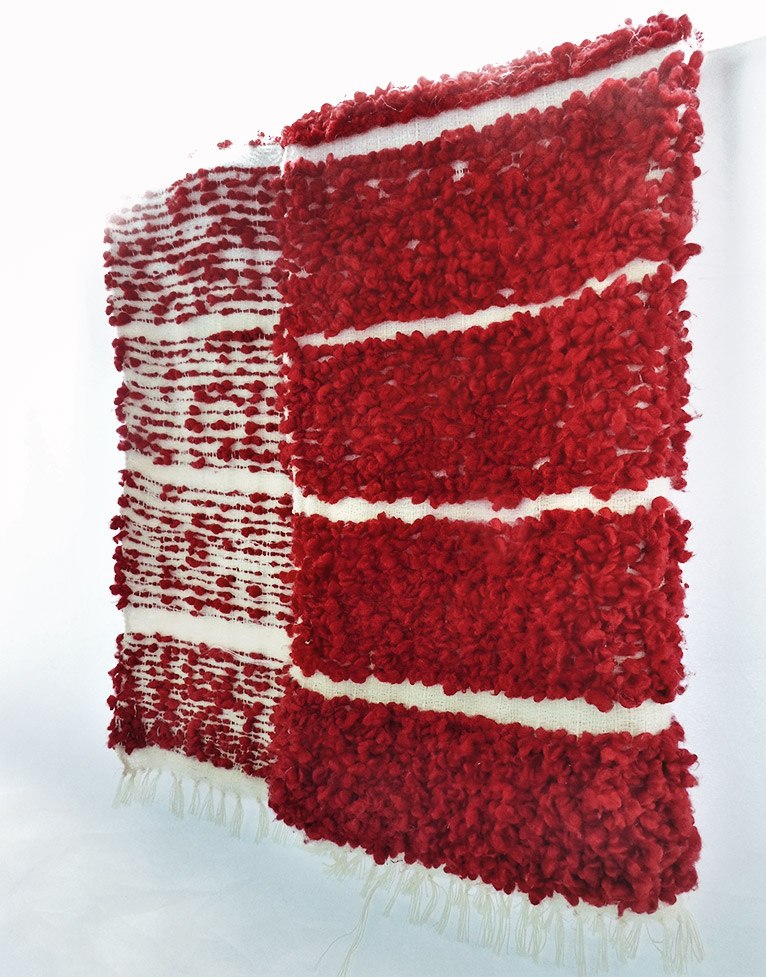
Table of Contents
The Rise Of Slow Living Home Décor: Why Thoughtful Design Matters
I’ll admit it, I’m a little biased when it comes to slow-living home décor. My entire living room was designed around one rather fabulous Italian sofa; I still adore the palette I chose sixteen years later. Yes, it’s long overdue for a refresh (life has a way of rearranging priorities), but truthfully, that’s part of its charm. The room’s a little scuffed, a little worn, but it’s also full of memories, a space that’s seen me through so much.
And really, isn’t that what slow living is all about? Creating a home that tells your story, with pieces you love, that age gracefully, and that you never tire of. It’s not about chasing trends or perfection; it’s about quality, authenticity, and embracing the beauty of “less is more”.
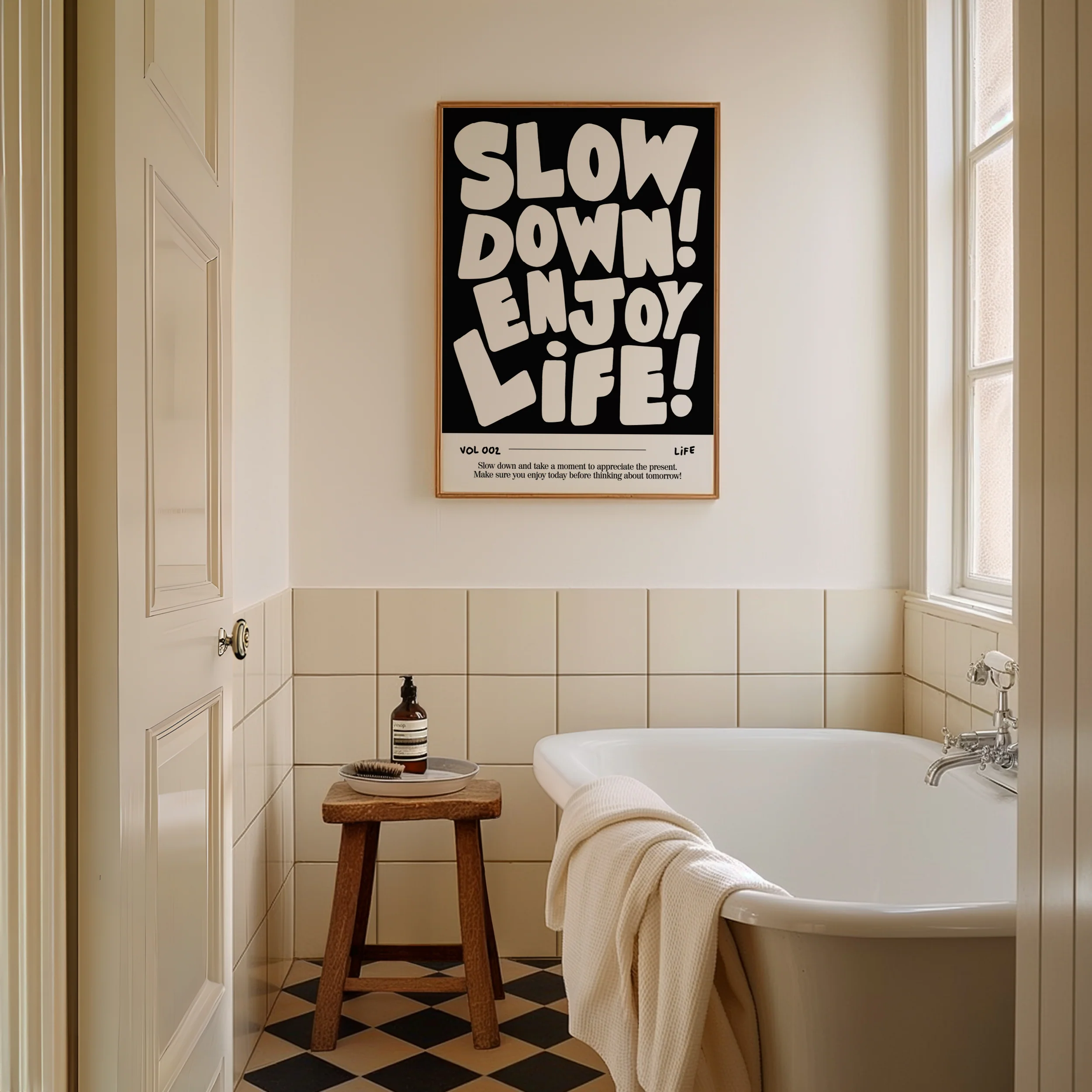
Many of us feel a little overwhelmed by cluttered corners and busy home spaces. You glance around the room, hoping for calm, but instead you’re met with piles of stuff, things you don’t use, need, or even like anymore.
Enter slow living home decor : the gentle antidote to all that noise. It’s not about empty rooms or rigid minimalism; it’s about thoughtful choices, beautiful materials, and surrounding yourself with less, but better. Slow decor invites you to create a home that feels calm, intentional, and deeply personal, a space that helps you breathe a little easier and reconnect with what truly matters.
In this post, I’ll show you how embracing slow living home decor can bring serenity, purpose, and even a touch of sustainability to your home. Because when you design with care, you don’t just transform your space; you transform the way you live.
What is Slow Living Home Decor?
Slow décor means choosing each item for your home with care. It promotes mindful consumption and authentic, sustainable design choices. People now focus on objects that are local, ecofriendly, and made with quality craftsmanship.
“Slow Décor lets you slow down and fill your space only with things that matter.”
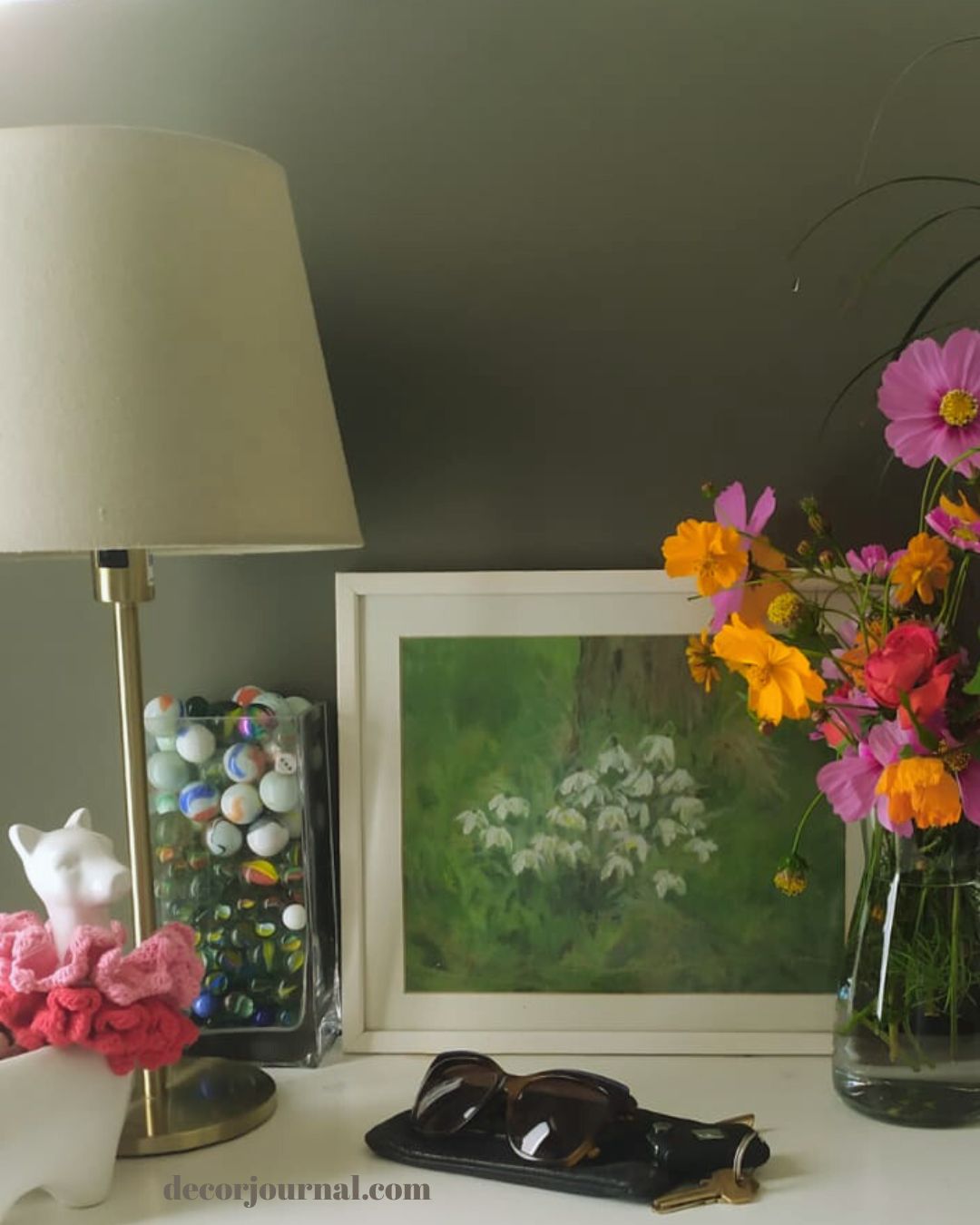
This approach is not just about looks or following trends. It values environment-friendly materials, health, comfort, wellbeing, and true connection to your space. My own living room has art painted by my grandmother on reused shop-sign cardboard, simple yet timeless, and it gives me joy every day because it feels real and personal.
Key Principles of Slow Living Home Decor
Slow decor is all about care and intention. It focuses on using natural materials, valuing quality over quantity, and shining a much-needed light on local craftsmanship, those thoughtful touches that make a space feel genuinely one of a kind.
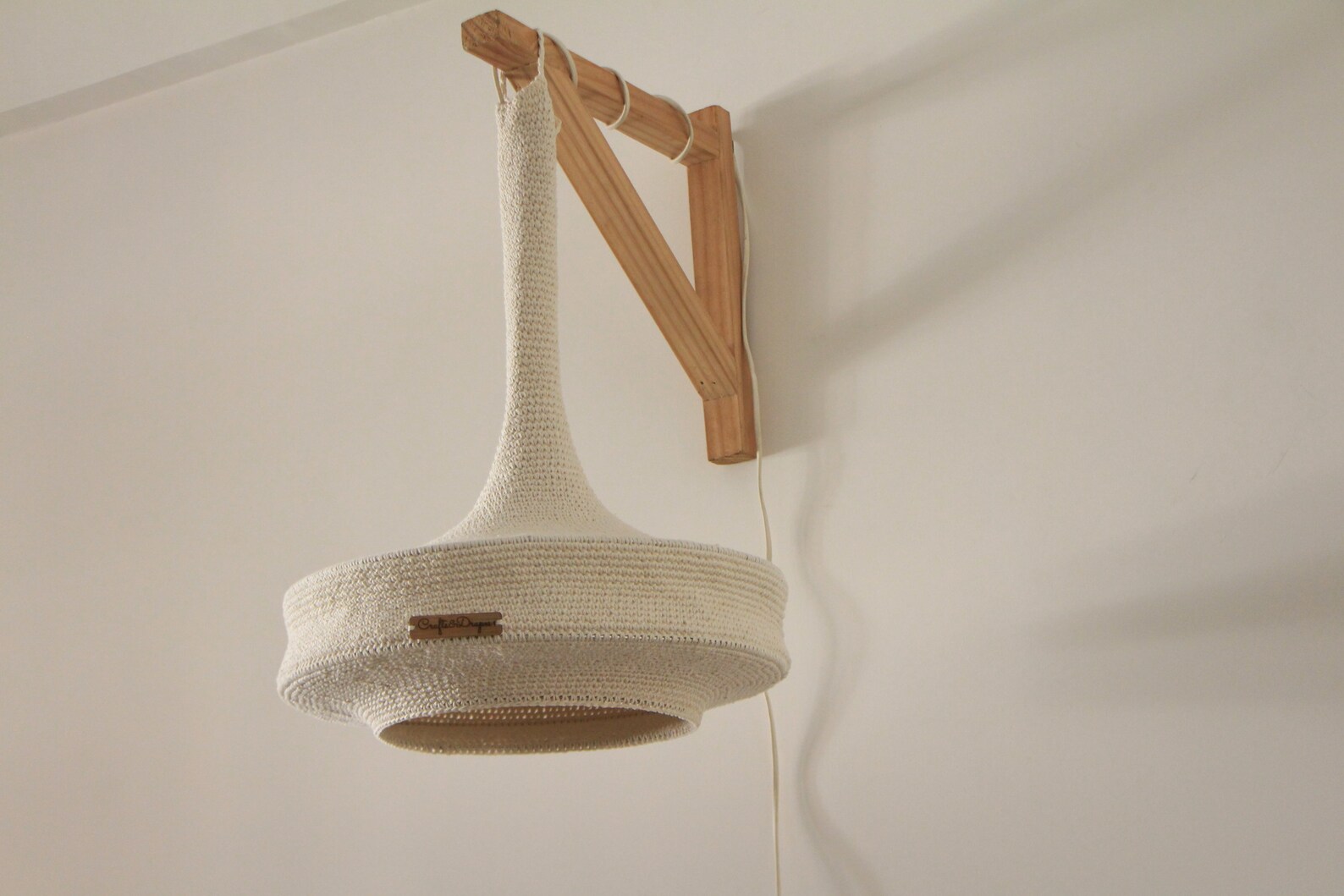
Sustainability and eco-friendliness
Sustainability and eco-friendliness mean using natural, safe materials like wood, ceramic, terracotta, stone, rattan, linen, wool, cotton, paper, cardboard, and metals that are sourced in responsible ways.
Many people choose products made with green materials that have low or no VOCs and endocrine disruptors. These items help create a healthy home environment. Zero-waste goals matter too; packaging should be minimal or easy to recycle or reuse.
Choosing local goods also cuts down on carbon emissions. Items made by local craftsmen or in nearby countries use less fuel for transport; bikes and trains work better than trucks or planes for deliveries if possible.
Reusing old items from second-hand shops or flea markets supports the circular economy by reducing waste even more. Thrift shopping allows you to find durable pieces built to last for many years, so you save money while protecting the planet.
Products crafted with care from organic raw ingredients keep both your home and Earth greener for everyone’s future.
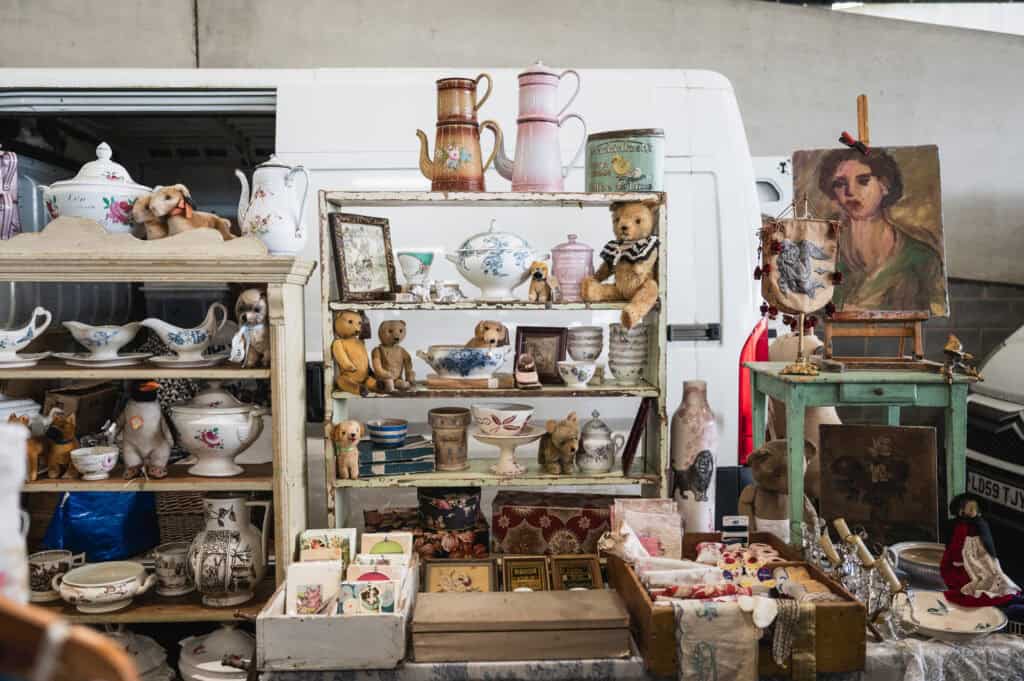
Prioritizing quality over quantity
Supporting the planet means making smart choices about what we bring into our homes. Choosing quality over quantity is key in slow décor. The idea is simple: “Less but better.” Keep only objects that serve a purpose or spark joy, and say goodbye to things you don’t need.
This approach helps reconnect with materials, colours, and textures that matter most.
People invest more upfront for furniture and decorations that last longer. Timeless items stand strong against trends. Items like vintage chairs or solid wood tables add character through their unique imperfections.
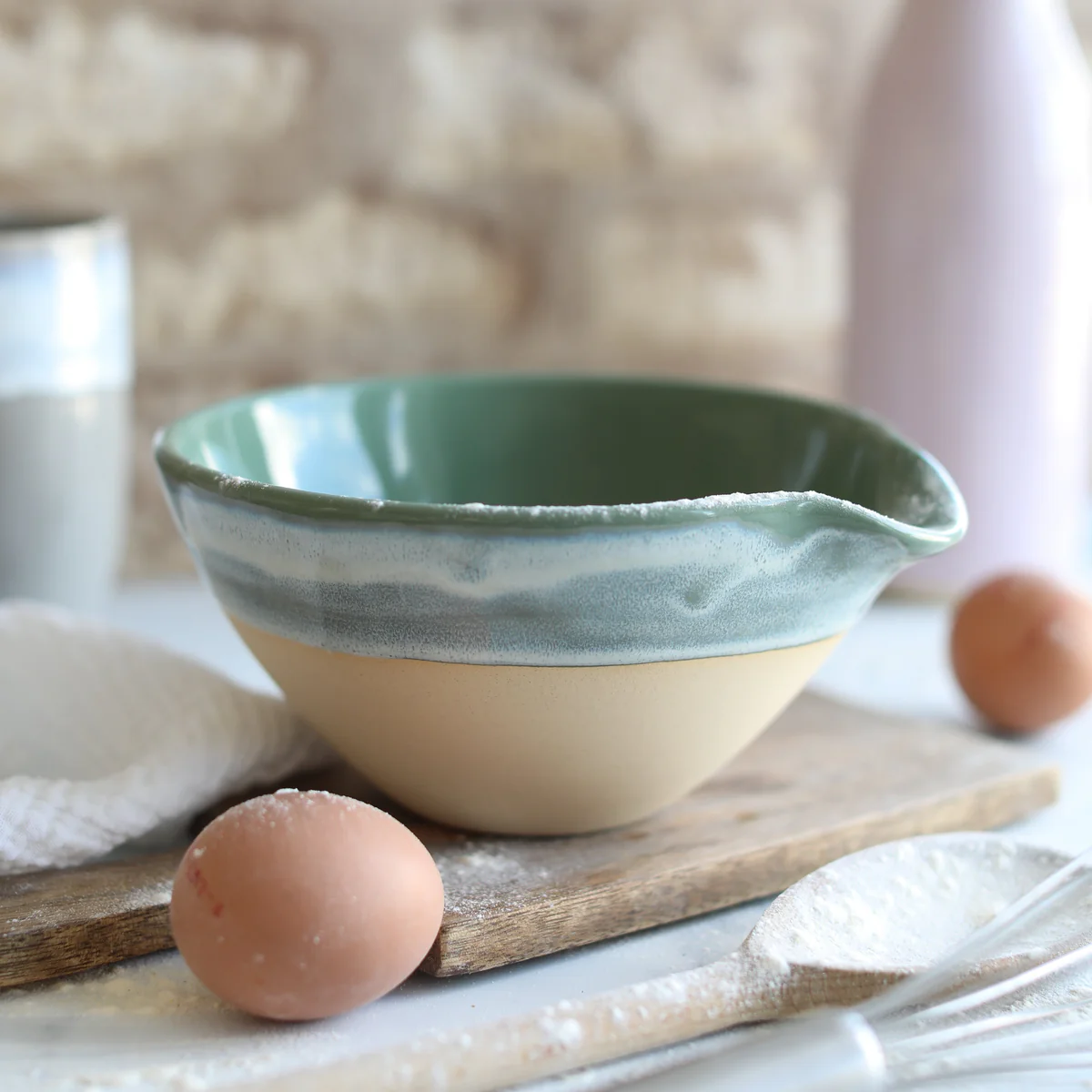
Focus on comfort, practicality, and beauty—like soft linen blankets or ceramic bowls shaped by hand. Thoughtful design always wins over buying lots of things just because they are new or popular.
Supporting local craftsmanship
In recent years, I’ve taken up crochet and now make many of my own clothes. There’s something so rewarding about wearing something you’ve created stitch by stitch; you appreciate every detail so much more. Not only do I end up with a high-quality piece I could never justify buying off the rack, but it’s entirely bespoke, made by me, for me, and truly one of a kind.
Many moons ago, back in my teaching days, I taught corporate English. That often meant diving into my students’ worlds, learning about mechanical manufacturing so I could help them describe processes and solve communication hurdles. I saw all sorts of things being made, from car door panels and luxury yachts to toilet rolls. And the one thing that really stayed with me was this: once you’ve seen how something is mass-produced, even the most luxurious item loses a bit of its magic.
That’s why I feel so strongly about supporting local craftsmanship. These artisans — potters, weavers, and woodturners — are the true custodians of beauty and skill. Their work has soul, texture, and story. Mass production, for all its efficiency, often sands down the charm, leaving us with things that feel uniform, a little too perfect, and somehow… less alive.
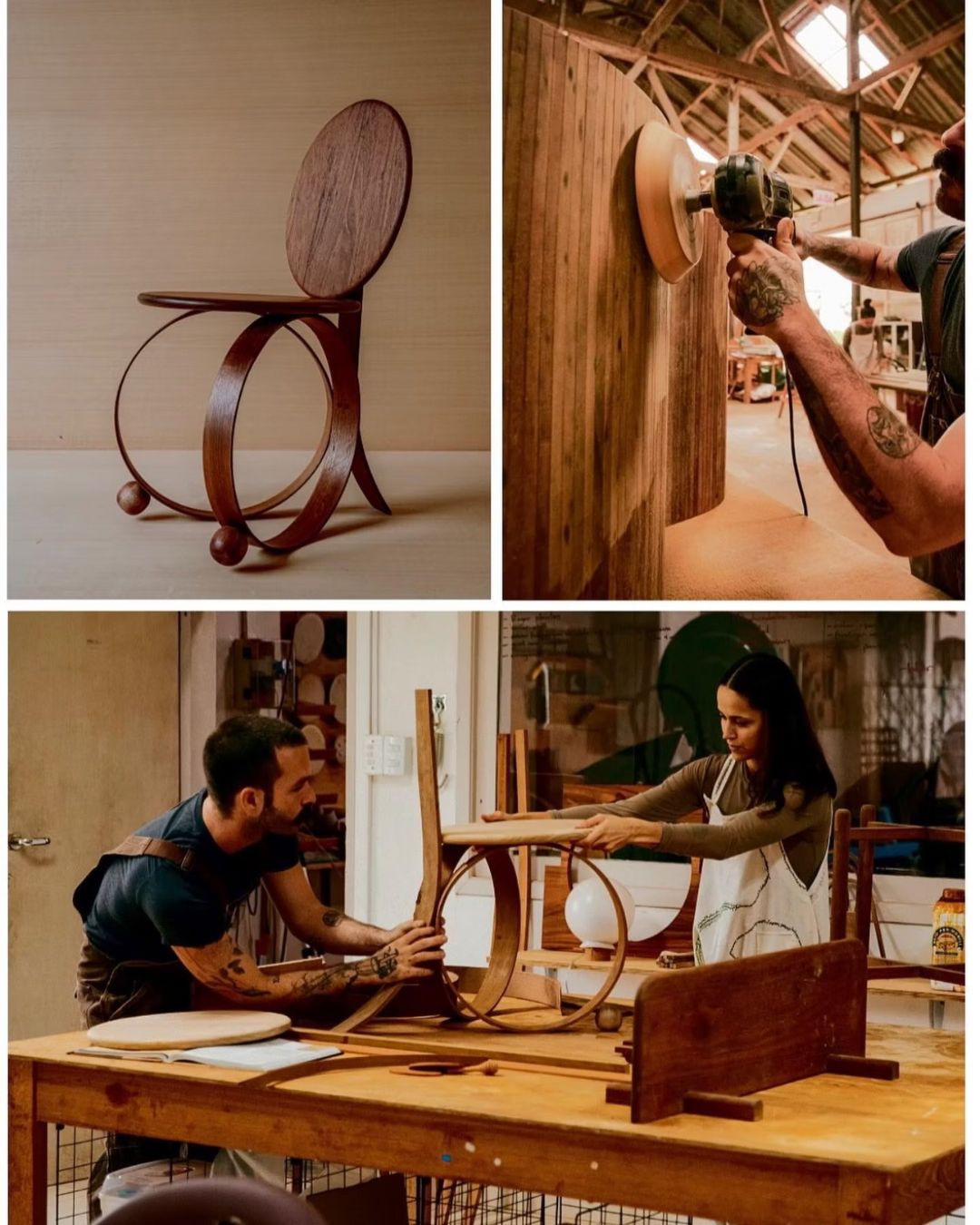
By supporting local craftsmanship, you help keep unique skills alive. It honours artisans and creators who make everyday items. These makers often work in small shops, producing handmade goods like pottery or turned wood. They deserve fair pay and respect for their hard work.
Buying from local artisans means you choose quality over mass-produced items. You support ethical production, which focuses on fairness and sustainability. This way, you get unique designs that add character to your home while helping communities thrive.
Benefits of Slow Living Home Decor
Slow décor is all about creating calm, grounded spaces that make you feel truly at ease. It’s kinder on the planet, too – less waste, more intention. The best part is that it helps you build a real connection with your home, the kind of space that feels good to live in, not just to look at.
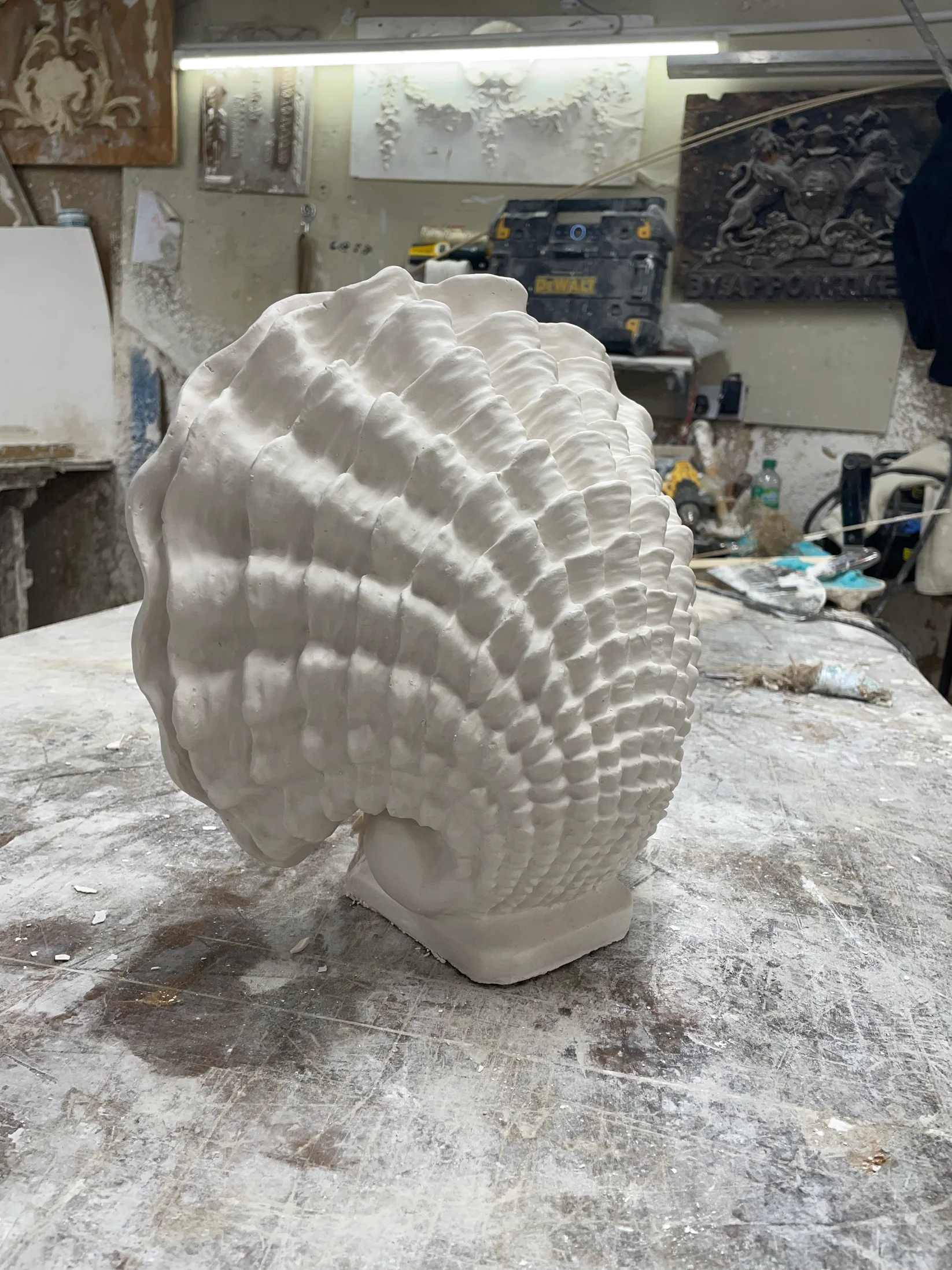
Creating a serene and mindful space
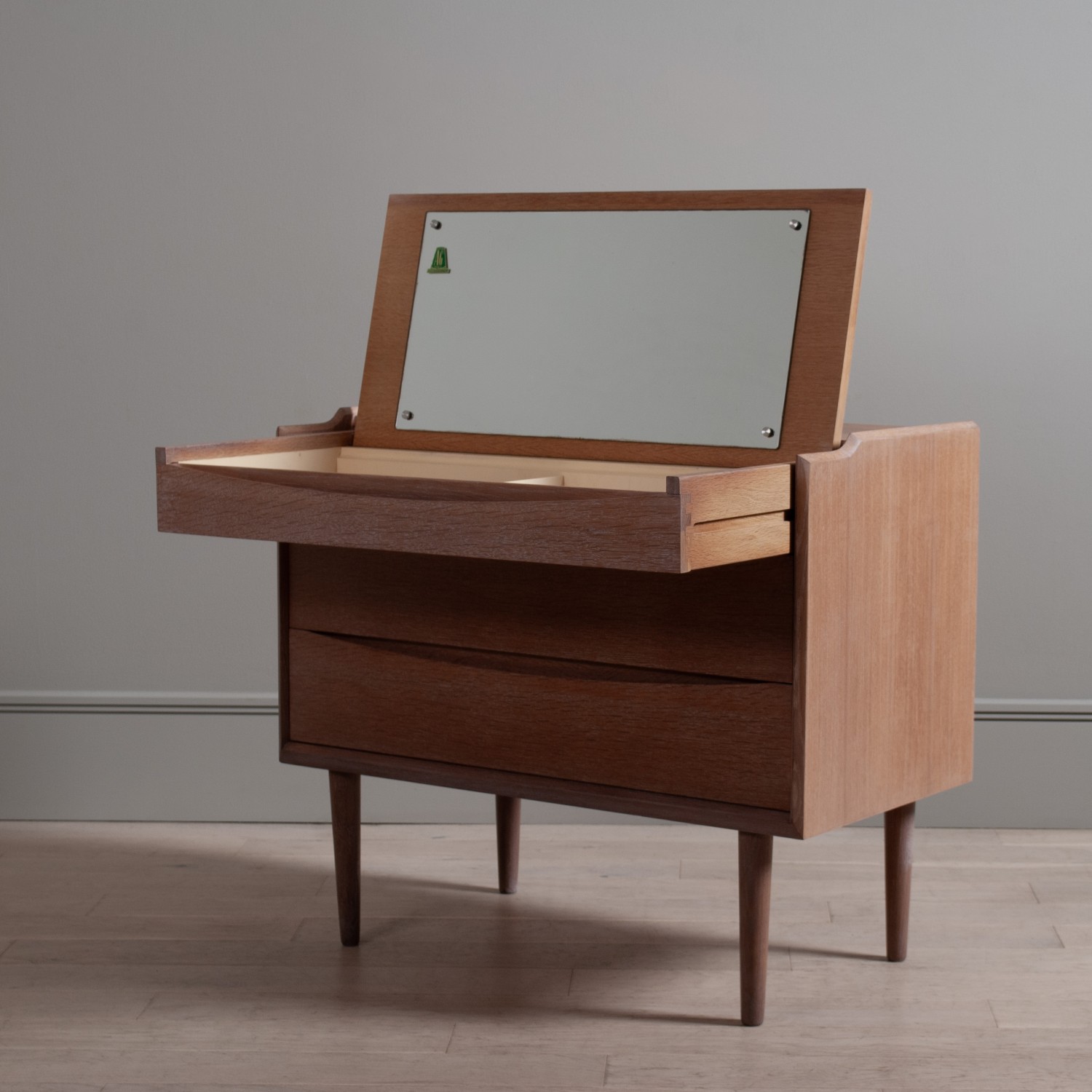
Creating a serene and mindful space helps shape a healthy home. This kind of design supports personal growth and daily joy. Slow Décor promotes warm minimalism with natural materials, gentle colours, and simple lines.
Soft greens like sage and olive can bring peace to any room. Use muted tones such as sandy beige or light taupe for a calming effect.
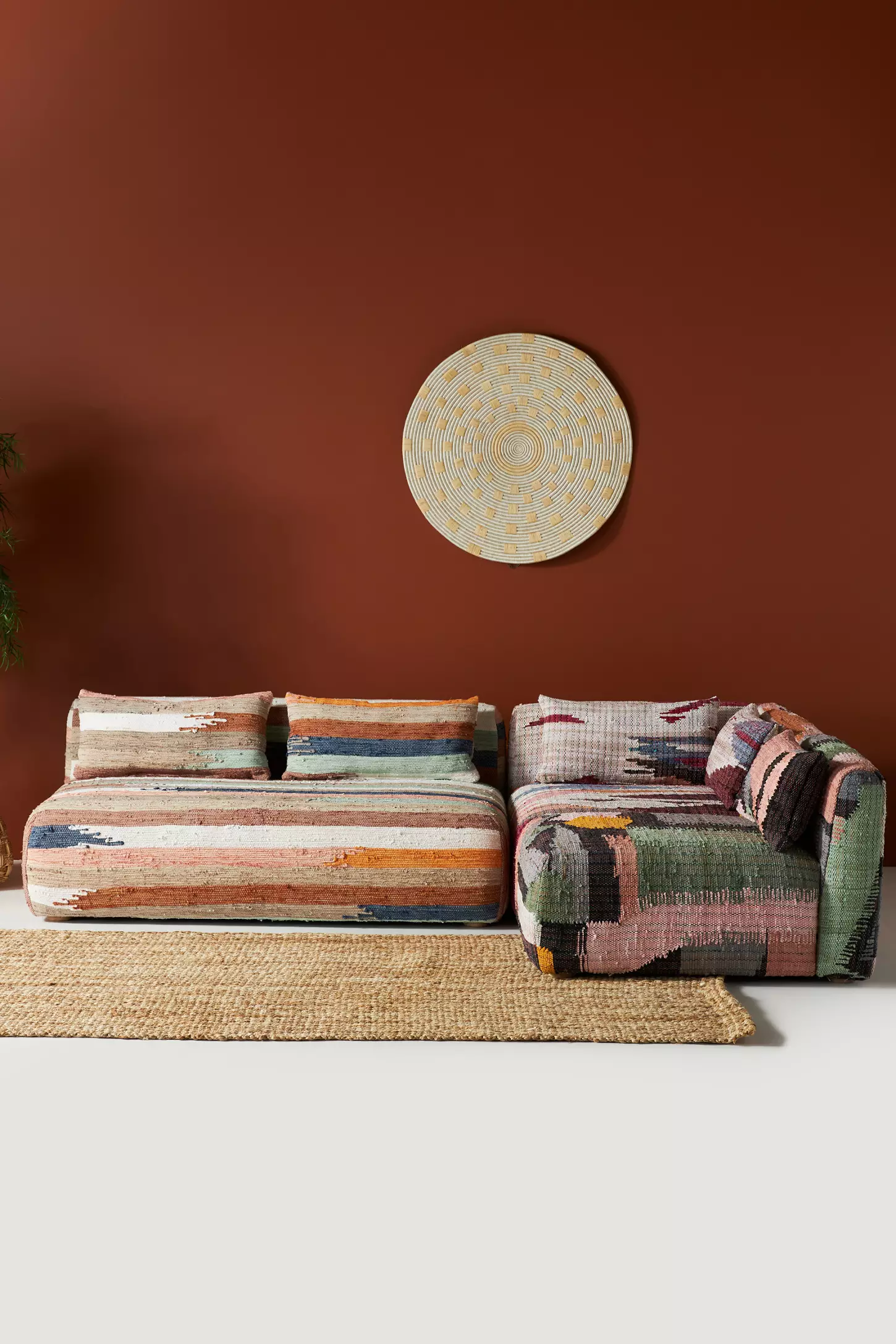
Choosing functional furniture is key in this approach. Less decoration means more room for relaxation. Small details matter too; think about irregular textures, soothing rugs made from jute or wool, and cosy pouffes.
All these elements contribute to the tranquillity you seek at home. Embrace these ideas to foster your connection with your living space while creating harmony around you.
Reducing environmental impact
A serene and mindful space leads to a better home. It also helps the planet. Slow décor aims to reduce environmental impact by promoting secondhand and vintage items. This choice avoids new production, which cuts down on carbon footprints.
Investing in natural materials like linen, raw wood, ceramics, brass, and crystal is key. Mixing old pieces with modern ones adds warmth while being kind to the planet too. Using eco-friendly transport for your décor items is smart; bikes and trains leave smaller footprints than cars or planes do.
Choosing non-toxic materials keeps indoor air clean and safe for everyone—especially kids! Each item you select fights against fast consumption culture’s grip on society.
Fostering a connection to your home
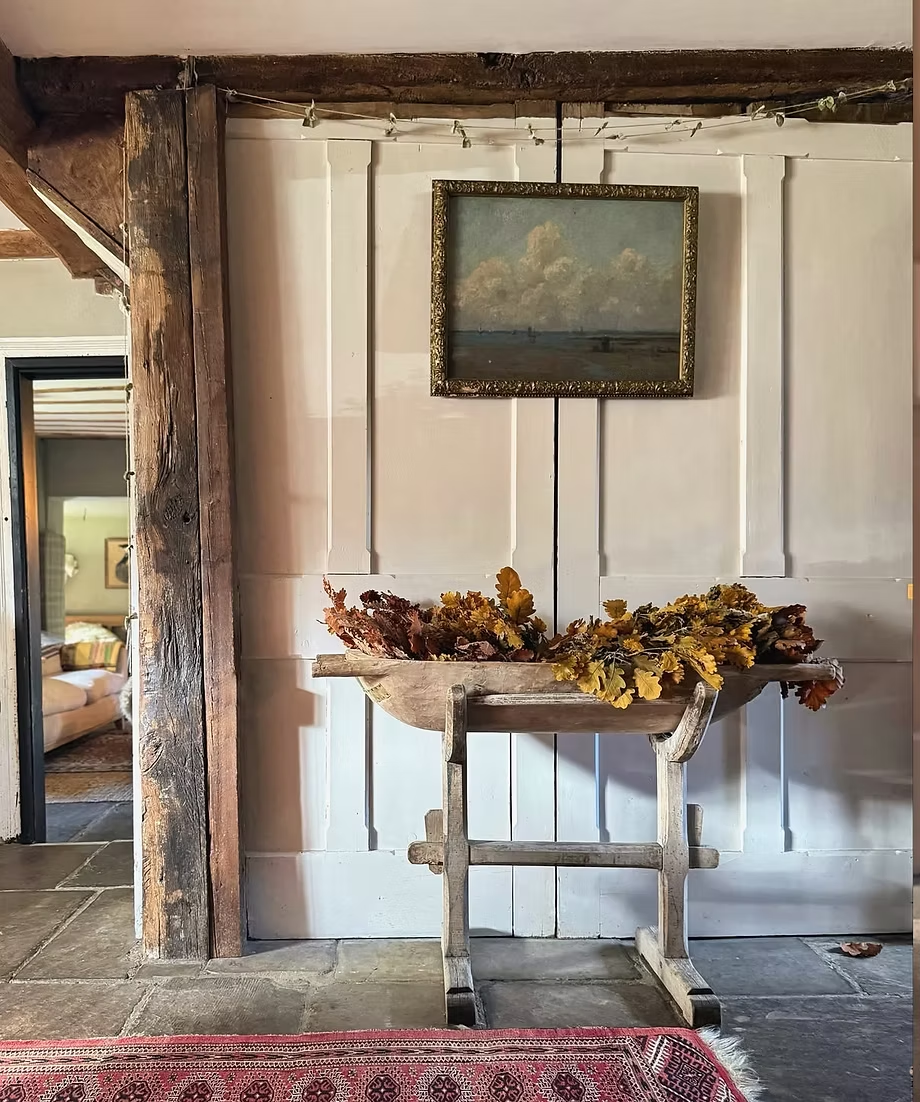
Vintage pieces add such charm to a home. Each one carries its own history and craftsmanship – those little imperfections and details that make a space feel deeply personal. They tell stories, not just about where they’ve been, but about you and what you love to surround yourself with.
Handcrafted objects do the same. They bring soul and authenticity to a room, often reflecting the beauty of local craftsmanship. When you mix textures, styles, and eras, something magical happens; the space comes alive, layered with warmth and personality.
This connection to your home, to the things that truly mean something, creates a lovely sense of belonging. It turns your space into more than just somewhere you live; it becomes a reflection of who you are and a place you genuinely enjoy every day.
How to Incorporate Slow Décor into Your Space
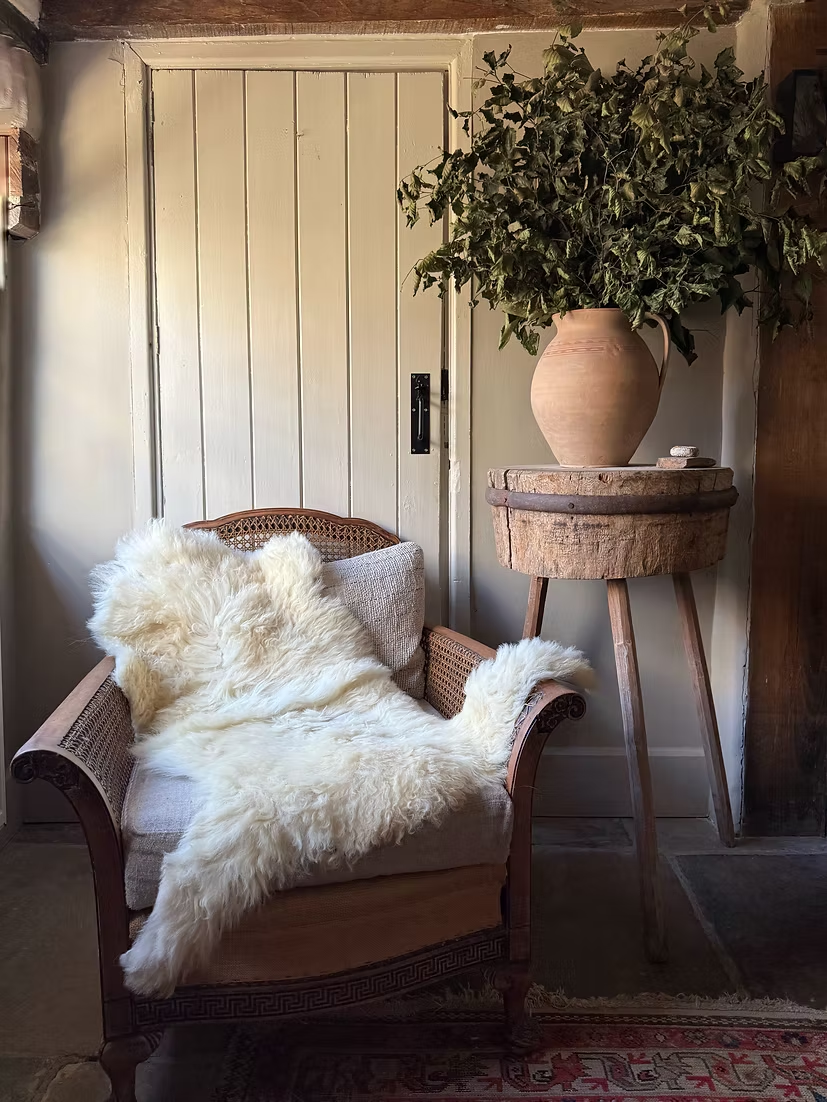
To bring Slow Décor into your home, start by choosing natural, durable materials, the kind that get better with age. Go for designs that aren’t just beautiful to look at but genuinely useful too. Pieces with purpose, quality, and longevity – that’s where the real magic happens.
Choose natural and durable materials
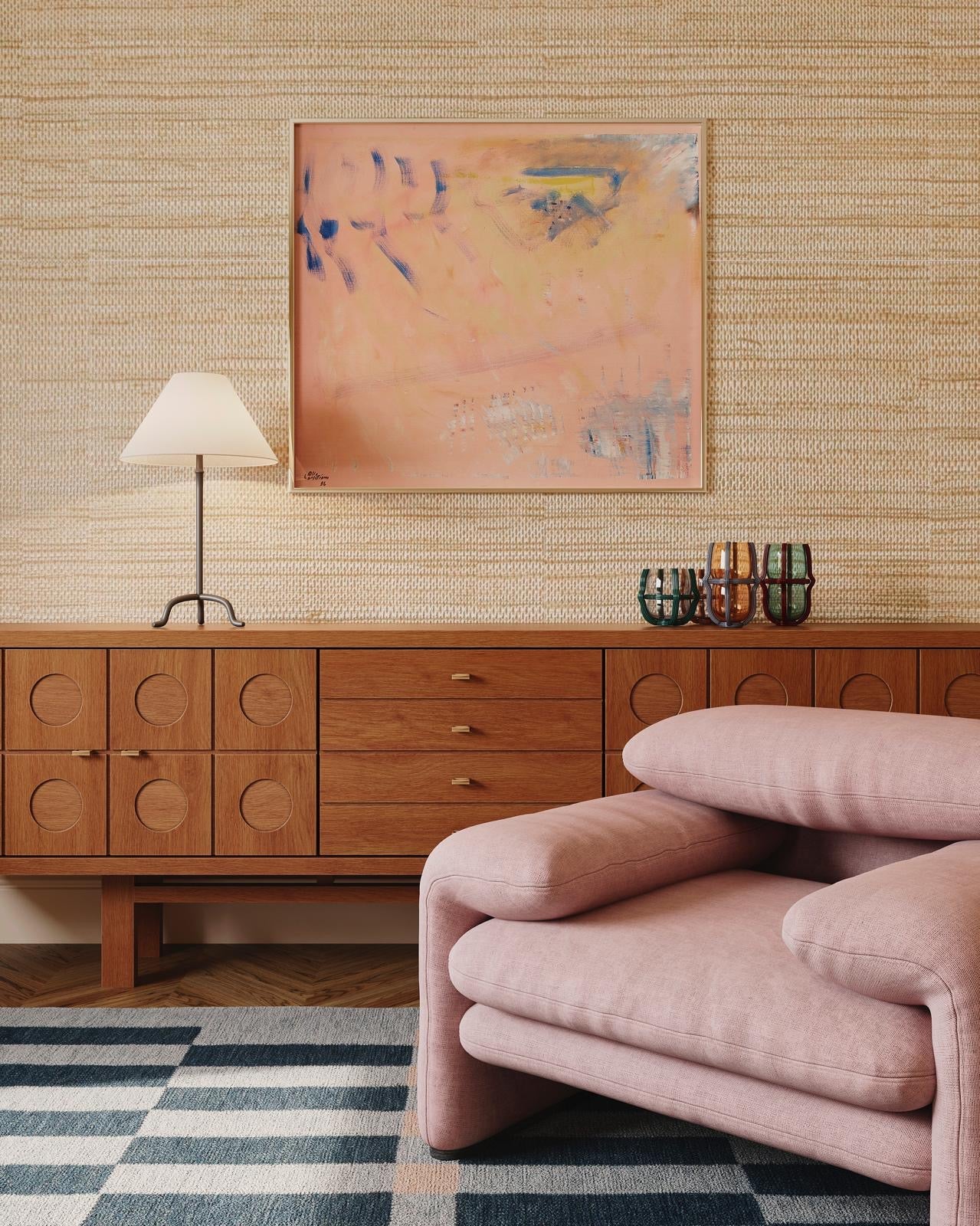
Natural materials add charm and warmth to your space. Wood is a great choice. Look for types like oak, walnut, or bleached pine. They are strong and long-lasting. Natural stone also works well; it gives an authentic feel with unique textures.
Artisanal ceramics can enhance your decor beautifully. Polished concrete and terracotta offer sturdiness too. For textiles, choose durable options like wool or cotton; they provide comfort and style.
Vegetable fibres such as jute or hemp make excellent rugs, while rattan adds touchable texture in light fixtures and baskets.
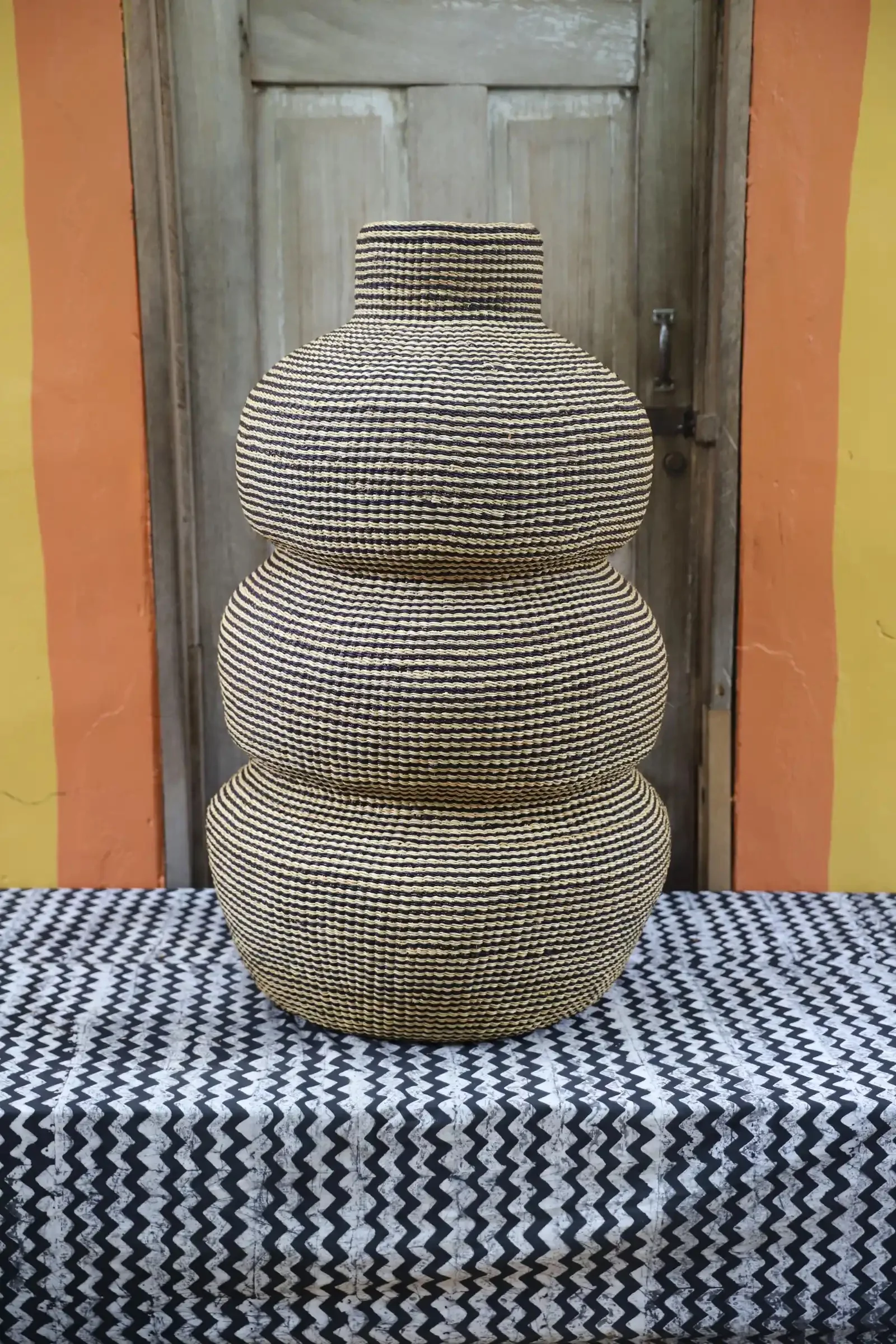
These materials not only look good but also promote eco-friendliness. Recycled wood is sustainable and brings rustic appeal to any room. Aim for non-toxic products that minimise harmful chemicals; this helps create a healthy environment for you and your family over time.
Opt for timeless, functional designs
Timeless designs keep their charm for years. They don’t follow trends that quickly fade away. Look for furniture like organic coffee tables and natural ash benches. These pieces have lasting appeal.
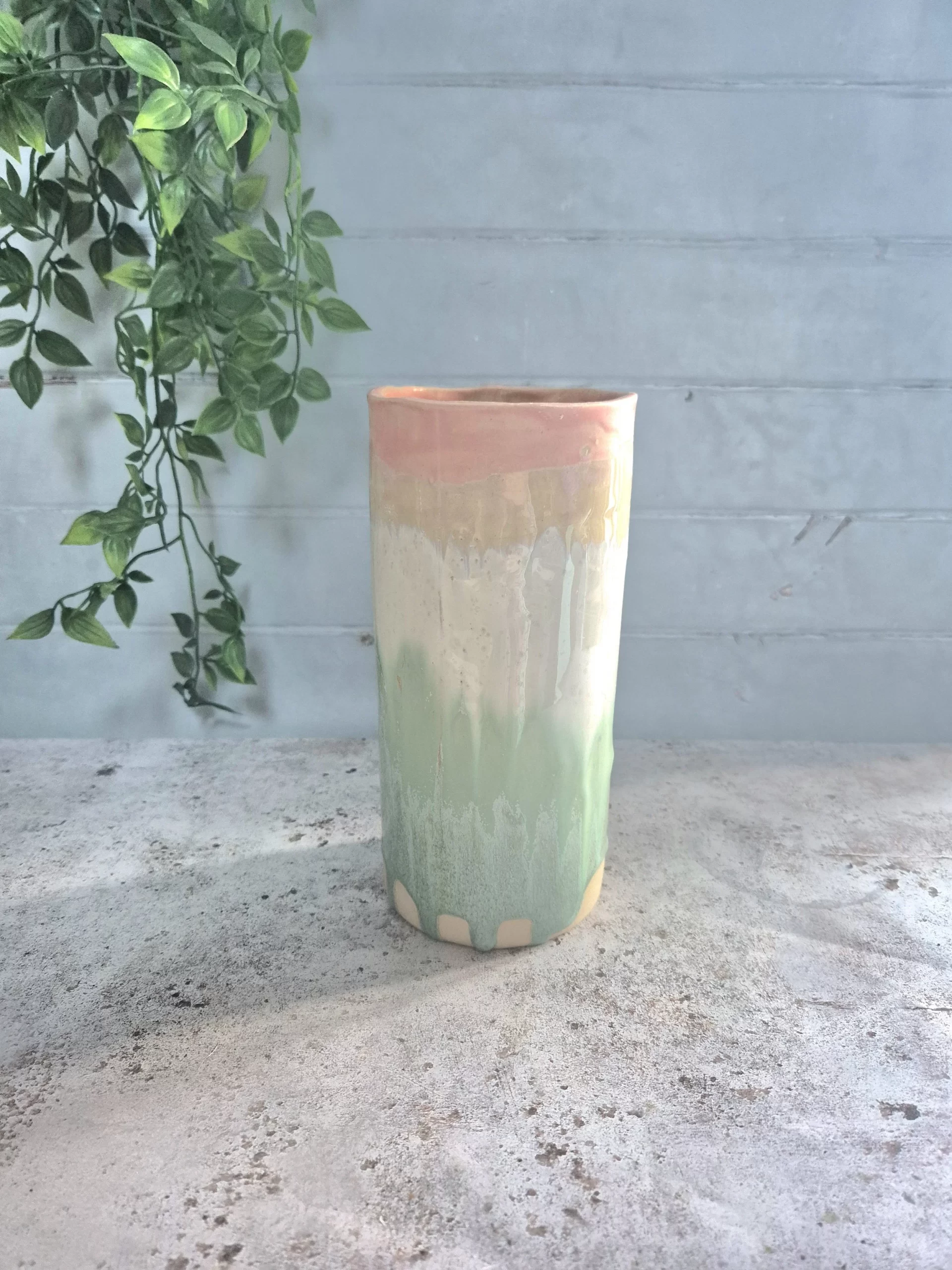
Accent tables made from natural stone or travertine also add style. Accessories like earthenware vases and matte ceramic lamps are both stylish and durable.
Functional furniture is key to a minimalist look. Choose multipurpose pieces that can do more than one job while staying elegant. Simple accessories help create balance in your space; they should enhance, not clutter it.
Lightweight structures, such as slatted wood screens and open shelves, maximise light flow while adding function to the room too.
Embrace minimalism and decluttering
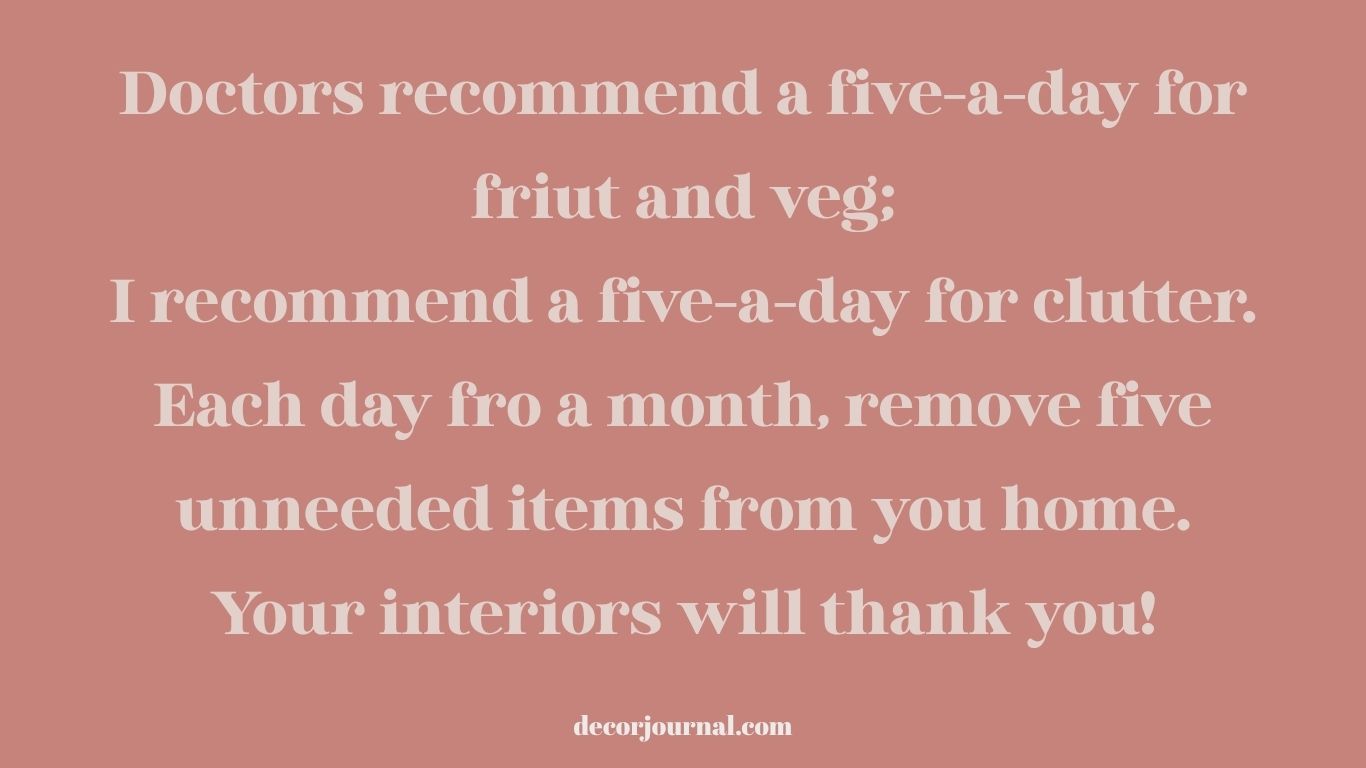
Now, let’s be honest, we could all do with a good declutter. Call it a Marie Kondo moment, a Swedish death clean, or just a long-overdue clear-out – whatever works! Start by going through what you own and ask yourself what you truly need and love. The rest is easy: donate, gift, or sell it on to someone who’ll give it a second life. Simplifying your space instantly creates calm and makes it so much easier to actually breathe (and find your keys).
Choose only the pieces that bring you joy and serve a purpose. A few meaningful objects can make a far greater impact than shelves full of “just fine” things. Keep your home organised and let it evolve slowly over time, a reflection of you and the life you’re living. And of course, stay curious. The next flea market or car boot sale might just hold your next favourite treasure.
Slow Decor as a Lifestyle Choice
Slow Décor is part of the Slow Living movement. This movement promotes a mindful and sustainable way of life. Choosing slow décor means you value quality over quantity and support local artisans. Everyone benefits from this choice: local workers earn fair wages while you get authentic decor for your home.
Living spaces should be enjoyed and truly inhabited. With Slow Decor, your home evolves gradually. Each piece tells a story and adds character to your space. Investing more upfront leads to items that age beautifully over time.
You make choices based on ethical sourcing and sustainability. This conscious consumerism creates well-being environments that foster self-connection and authenticity in our lives.
Final Thoughts
Thoughtful design makes your home calm and personal. Taking things slow with décor helps you feel relaxed, happy, and more “at home”.
Slow Décor works because it focuses on quality materials and smart choices for every space. Using natural fabrics or recycled wood creates rooms that last longer and look good without wasteful trends taking over every year; this approach fosters peace while protecting nature too.
Safety comes first with certified non-toxic paints or finishes; honest labels tell you what’s really inside each product so you can trust what goes into your home.
Ethical sourcing matters as much as style or comfort; fair trade practices keep local makers paid right while reducing harm to people or our planet.
For daily life: pick one room to clear clutter from shelves or surfaces before moving forward with new items only if they are useful or beautiful to you specifically; use calming colours like beige, taupe, stone grey, and soft greens instead of harsh shades everywhere else; this keeps things peaceful all day long at home.
There are strong upsides here: less mess means more time for family activities, timeless furniture saves money as trends don’t force yearly changes, and warmer color palettes make everyone feel welcome.
There could be downsides, though it may take longer to hunt down high-quality thrifted pieces locally than buying ready-made fast furnishings online; being picky sometimes feels hard when stores push sales nonstop.
Consider patience versus speed whenever shopping for pieces meant to last decades, not just months.
This thoughtful style works best for those who value health, calm spaces, real meaning behind everyday objects, lower bills over time—and want their homes safe for both kids now and future generations later.
Thoughtfulness never goes out of fashion.