
We are witnessing a beautiful shift back to the heart of the home: the unfitted kitchen. Whether driven by a love for sustainable, economic design or a craving for the lived-in patina of old-world character, homeowners are trading ‘cookie-cutter’ cabinets for something far more personal, a far cry from the rigid conventions of the modern fitted kitchen. In this post, we’ll look at the seven soulful pieces to look out for and exactly how to weave them into your unique space.
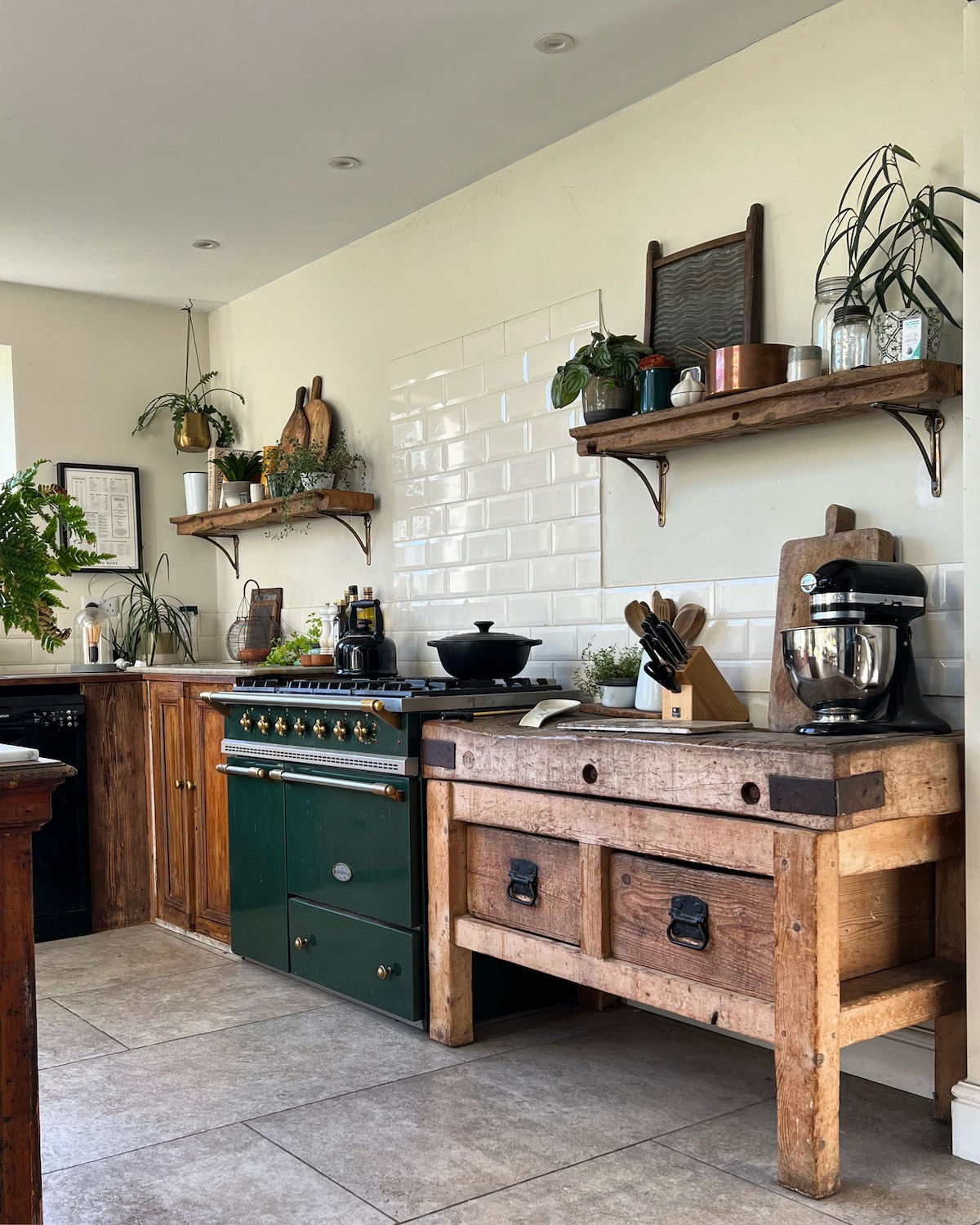
Table of Contents
1. The Anchoring Piece: The Antique Housekeepers Cupboard
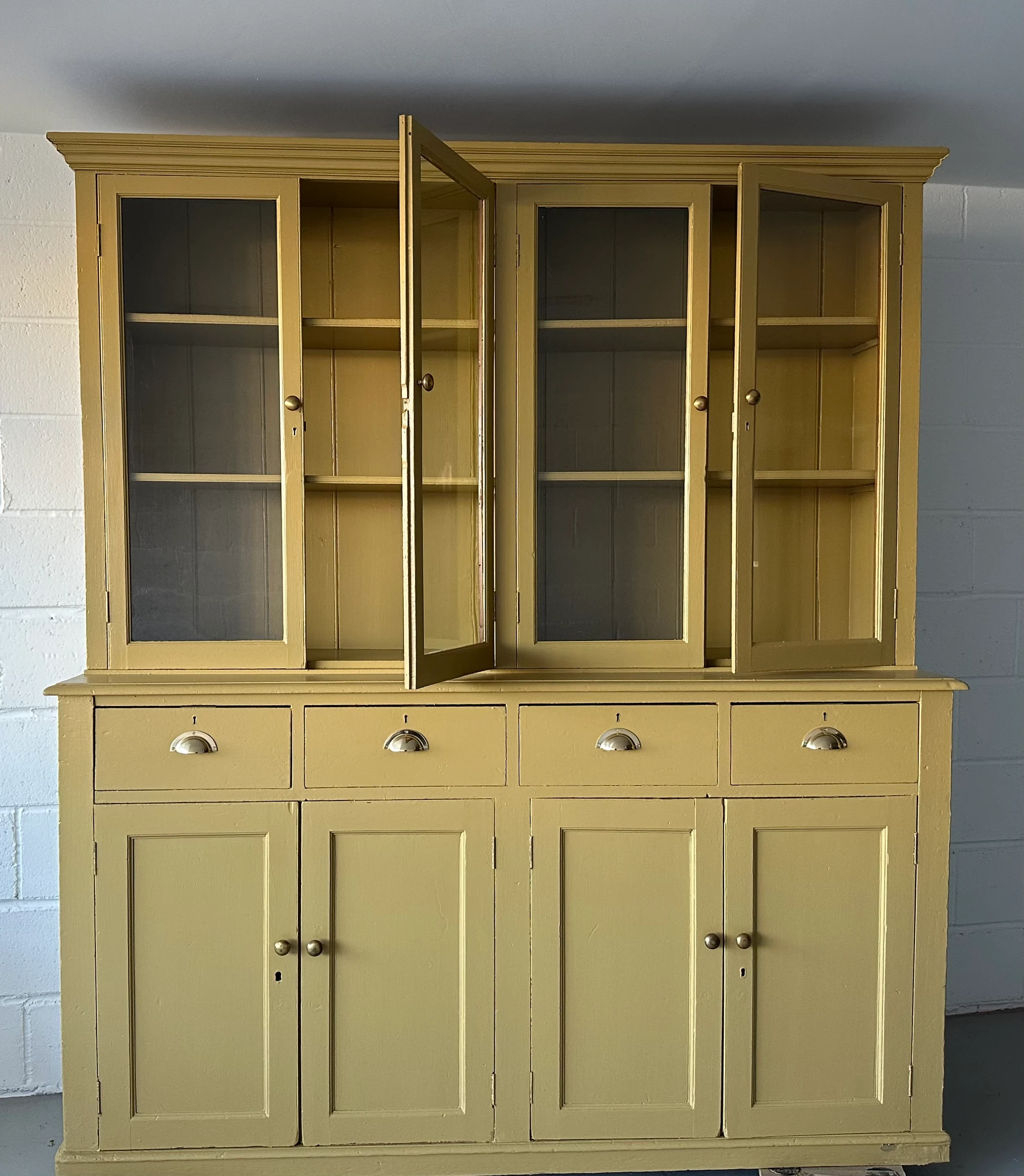
It’s a universal truth: kitchens accumulate more ‘stuff’ than any other room, and much of it isn’t exactly small. Because storage is non-negotiable, many people sadly shy away from the unfitted look. Enter the Housekeeper’s Cupboard, the robust, all-in-one answer to your storage prayers. These pieces offer vast space for crockery, often featuring glass-fronted tops to turn your everyday wares into a display. The lower cabinets are deep enough for heavy pots or even that impulse-buy ice cream maker hiding in the back. And if you’re lucky enough to have the wall space? Why stop at one when a pair can double your storage and your style?
2. The Heart of the Room: The Farmhouse Work Table
While the kitchen island is a staple many of us dream about, we almost always find ourselves gravitating toward the warmth of a farmhouse table. Whether it’s crafted from salvaged oak or rugged pine, this piece is the true workhorse of the room, serving as a prep station, a home office, and the site of every family meal. To give yours extra ‘style flexibility,’ consider adding beautiful brass casters to the legs; it allows the table to move with the flow of your life while adding a touch of vintage charm.

3. The Functional Statement: The Vintage Butcher Block
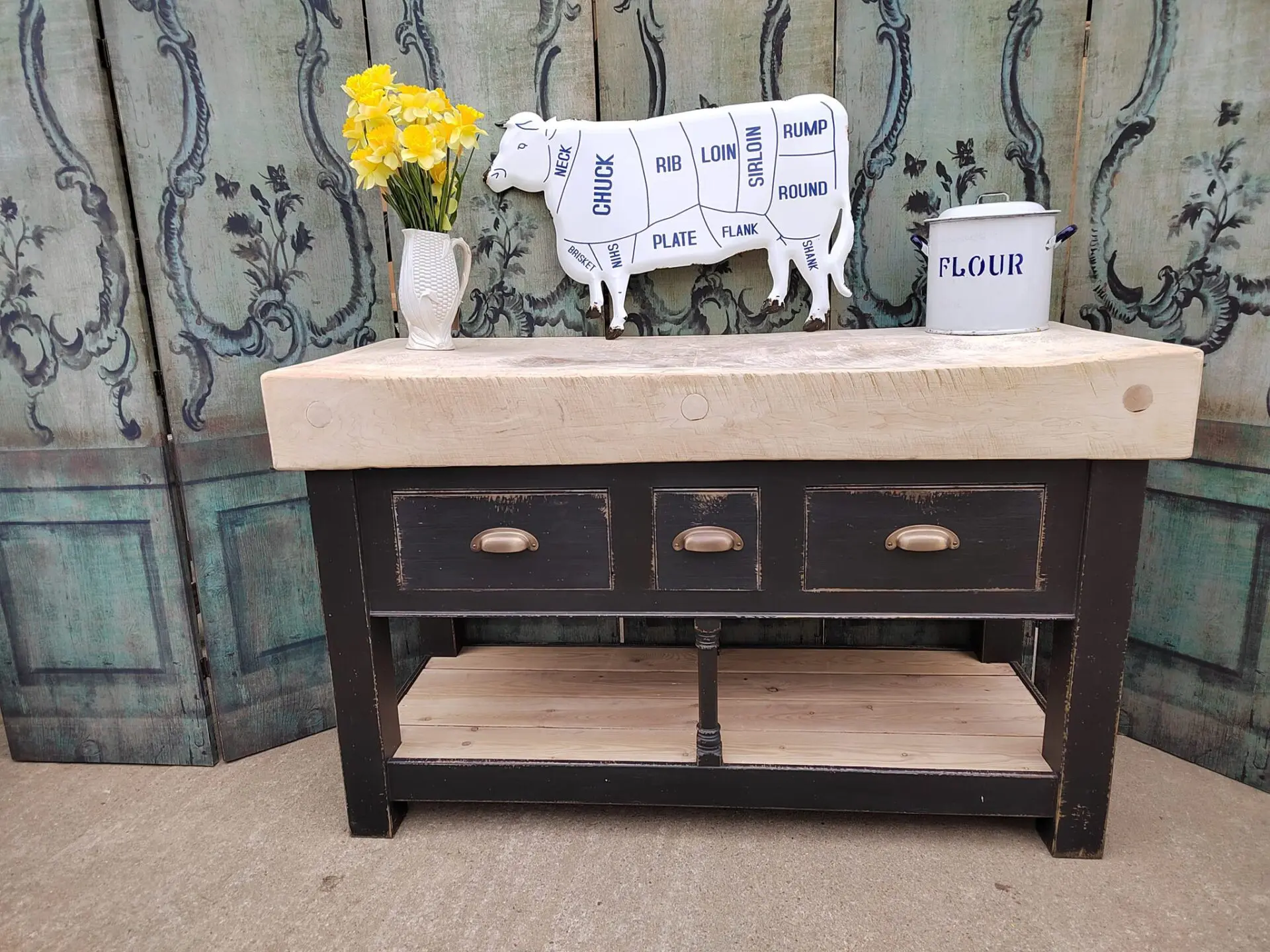
Butcher blocks are the ultimate dedicated prep stations. Whether you tuck a compact block into a quiet corner or let a larger piece take center stage, it is one of those rare objects that only improve with age. Here, knife marks aren’t the enemy; they are part of the patina and the kitchen’s ongoing story. While the market is full of beautiful antique finds, you can also create a bespoke version by pairing a new wooden block with a base of your choice. Ready-made options are equally functional, often featuring integrated drawers and lower slatted shelves that are perfect for baskets of additional storage.
4. The Open Display: The Wall-Mounted Plate Rack
Plate racks are the elegant antidote to bulky upper cabinets. In an unfitted kitchen, they provide effortless visual appeal while keeping everyday essentials exactly where you need them, well within reach. Best of all, you can say goodbye to the constant peril of banging your head on open cupboard doors. Beyond their functionality, plate racks add a sophisticated layer to your walls, turning your favorite ceramics into a curated gallery that breathes life into the space.
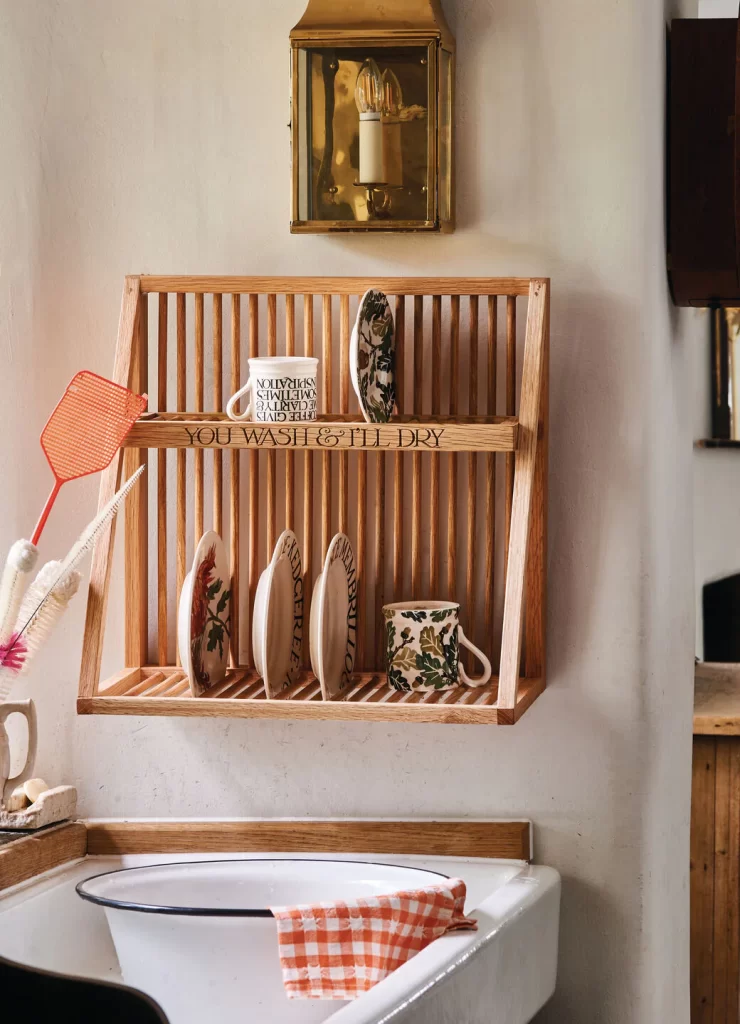
In our modern dishwasher era, the traditional drying rack has largely vanished, replaced by pristine yet often sterile minimalist countertops. Reclaiming this space is a wonderful way to reintroduce old-world charm. Wall-hung drying racks offer a beautiful, functional alternative to standard cabinetry; they save precious counter space while infusing the room with character. It’s a simple shift that turns a daily chore into a moment of timeless style.
Source: Emma Bridgewater
Dish racks are the ultimate marriage of form and function, allowing you to display your ceramics in a thoughtfully curated way. The options are truly infinite, from sleek, side-loading designs to narrow, front-facing racks that highlight the silhouette of every plate. Whether you source a weathered antique or a crisp new piece, this is an indispensable essential for anyone mastering the unfitted kitchen look.

Source: Ikea
5. The Versatile Storage: The French Baker’s Rack
Baker’s racks are far more than just shelving units; their robust structures are built for the heavy lifting of kitchen storage. Use them to house your weightier pots and pans or bulky small appliances that otherwise clutter your counters. For a more organized look, you can easily add woven baskets to the lower shelves to corral smaller essentials, creating a versatile storage solution that feels both open and orderly.

6. The Hidden Workhorse: The Reclaimed Dresser Base
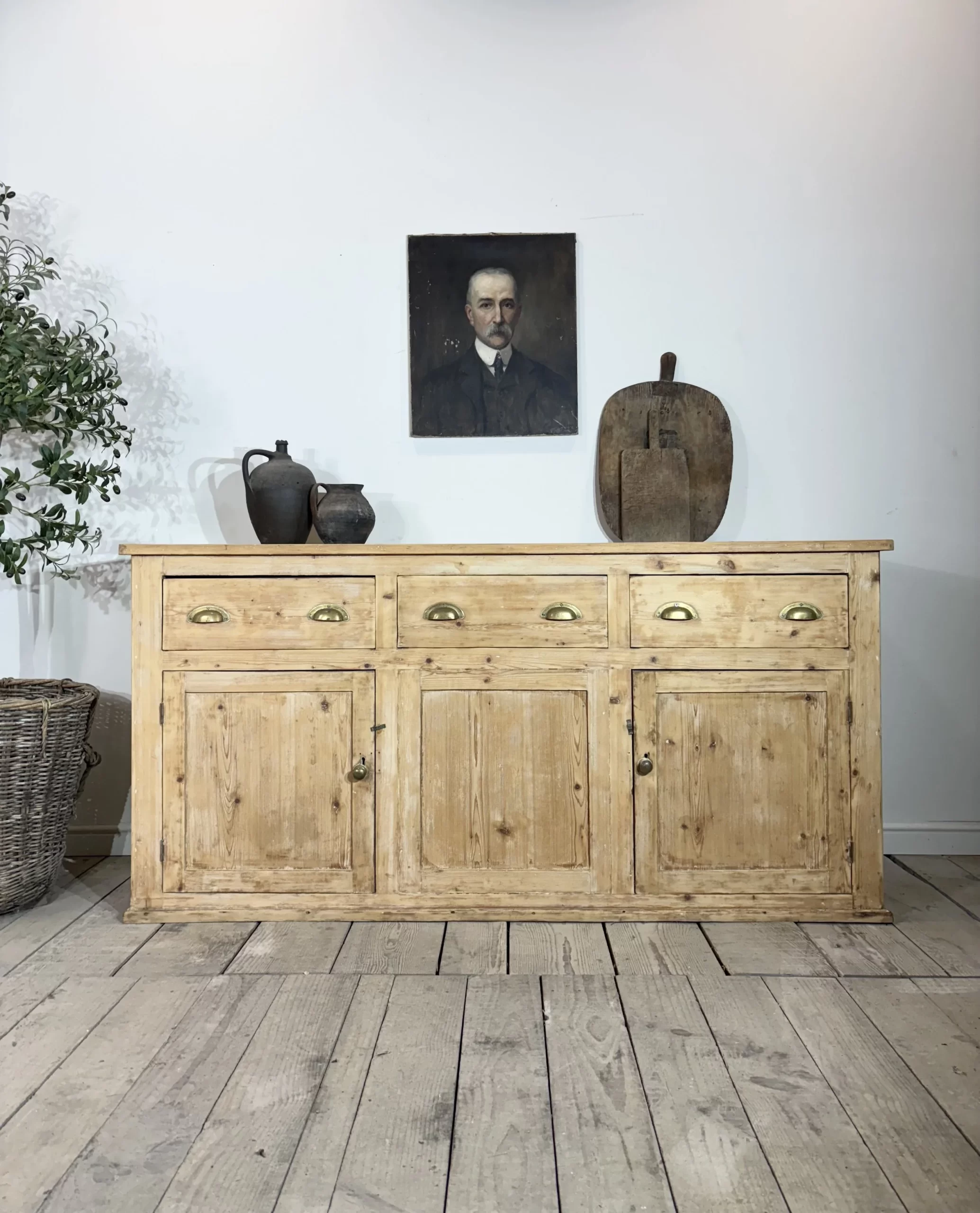
Dresser bases are a brilliant substitute for a standard bank of built-in drawers and cupboards in an unfitted kitchen. These substantial pieces can easily handle all your cutlery needs, heavy pots, and linens. By adding a durable stone or zinc top, a vintage dresser instantly doubles as both a massive storage hub and a hard-working extra kitchen surface for meal prep.
7. The Unexpected Essential: The Scullery Sink Unit
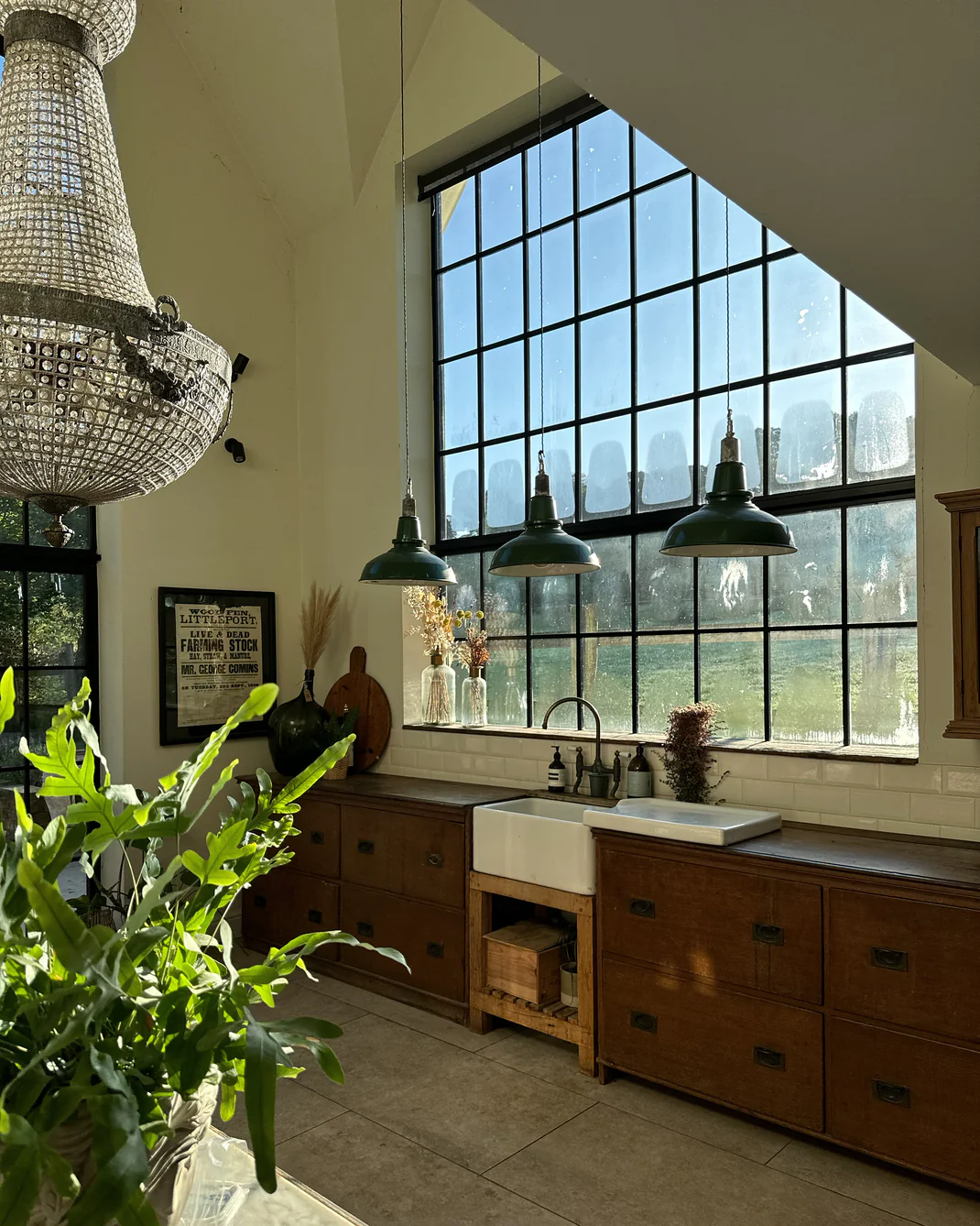
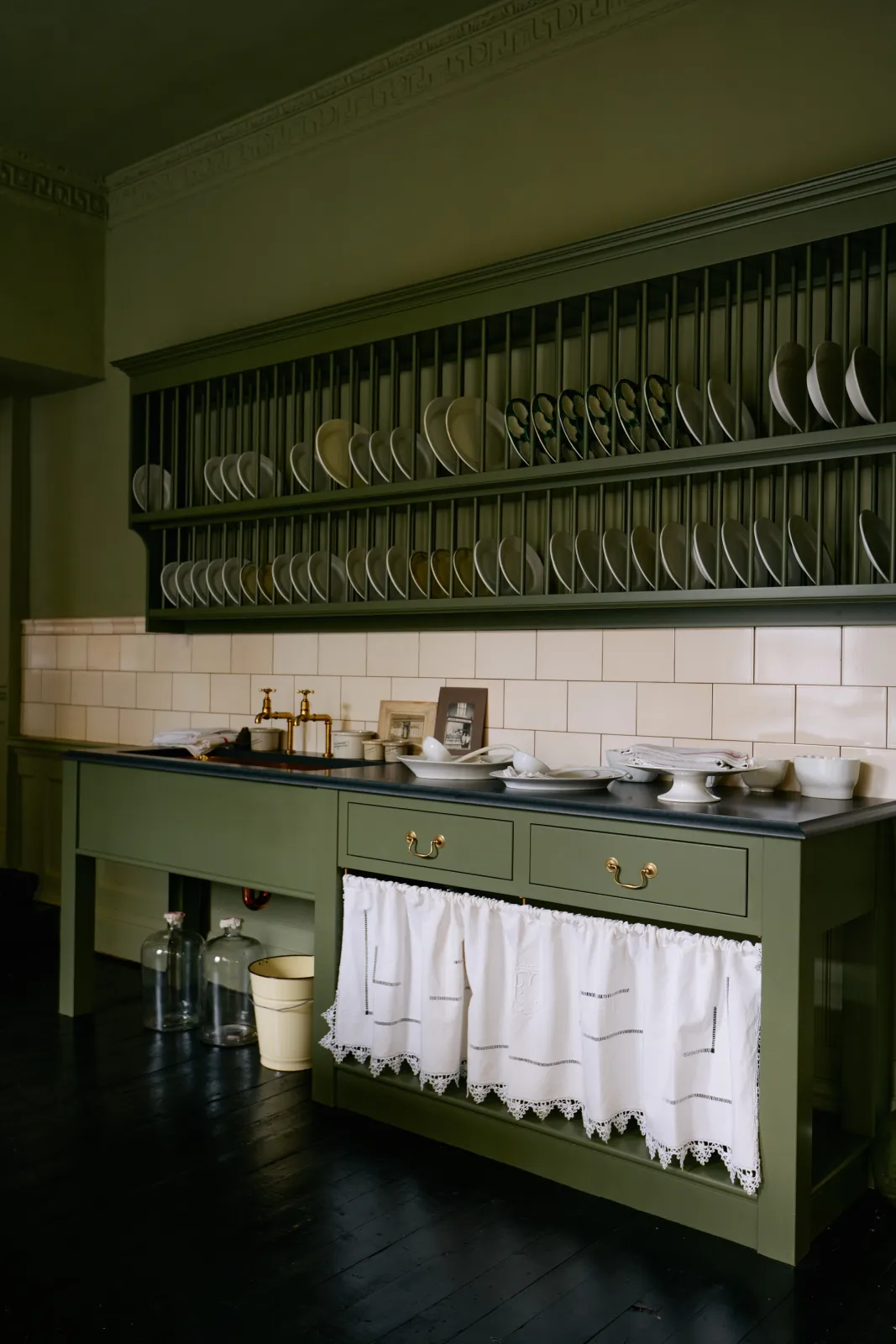
Standalone vanities and washstand-style sinks infuse an unfitted kitchen with instant character. By repurposing a piece of antique furniture or investing in a bespoke design, you gain access to endless styling combinations, whether you prefer an open-fronted look, a fabric sink skirt, or classic cupboard doors. While a ceramic Belfast sink is the traditional choice for this setup, opting for a weathered metal or carved stone basin is an equally beautiful way to elevate the space.
Practical Design Considerations
Unfitted Kitchen: The Golden Triangle
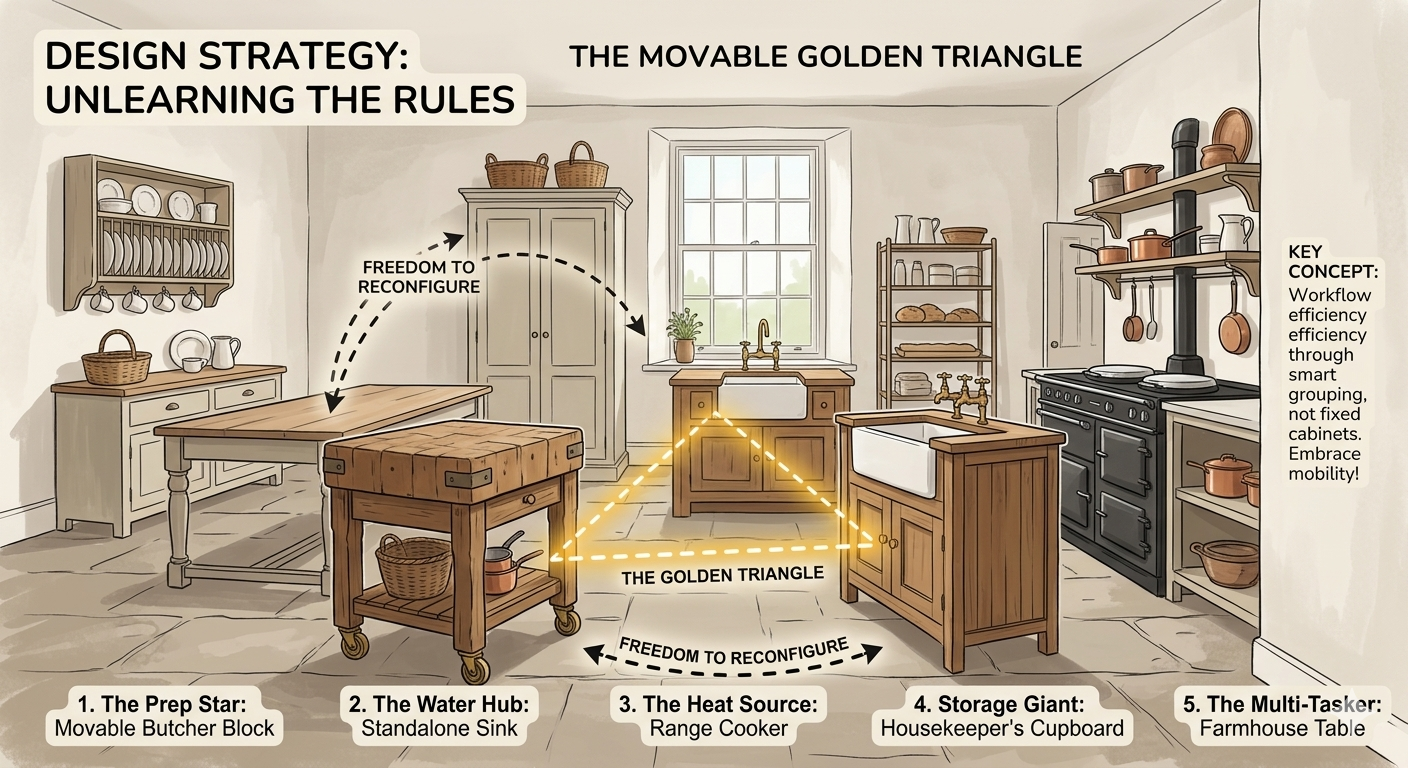
In traditional design, the Golden Triangle, the ideal distance between your sink, fridge, and stove, is set in stone by built-in cabinets. But in a fitted space, you are the master of your own layout. The challenge then becomes how to maintain a functional workflow when furniture is movable. The secret is grouping your freestanding pieces around these three anchor points. Place your robust butcher block near the fridge for easy prep, and keep your washstand vanity within a comfortable pivot of the cooktop. This gives you all the efficiency of a modern workspace, with the freedom to let the room evolve over time.
Unfitted Kitchen: Plumbing & Electric
While freestanding furniture gives you the freedom to redesign your layout on a whim, the plumbing requires a more calculated approach. The secret to a successful unfitted kitchen is keeping your utilities centralized while the furniture stays ‘loose.’ Unlike standard kitchens where pipes can be snaked carelessly behind a long bank of fixed cabinets, a freestanding washstand or standalone vanity needs a dedicated ‘service zone.’ By grouping your water-reliant elements like the sink, dishwasher, and washing machine along a single plumbed wall or a centralized floor junction, you can neatly conceal the waste and supply lines behind the furniture legs or inside the washstand base itself. This architectural anchoring ensures your kitchen remains fully functional and leak-free, without sacrificing the airy, flexible charm of freestanding design.
Unfitted Kitchen: Flooring
Unfitted kitchens naturally lend themselves to a warm, rustic aesthetic. While reclaimed terracotta or heavily worn wood floors are the traditional partners for this style, a simple neutral tile floor can work just as beautifully. The true magic of an unfitted space lies in the wonderful layers, rich textures, and individual histories of the furniture pieces themselves, meaning your flooring doesn’t have to compete for attention to make the room feel complete.
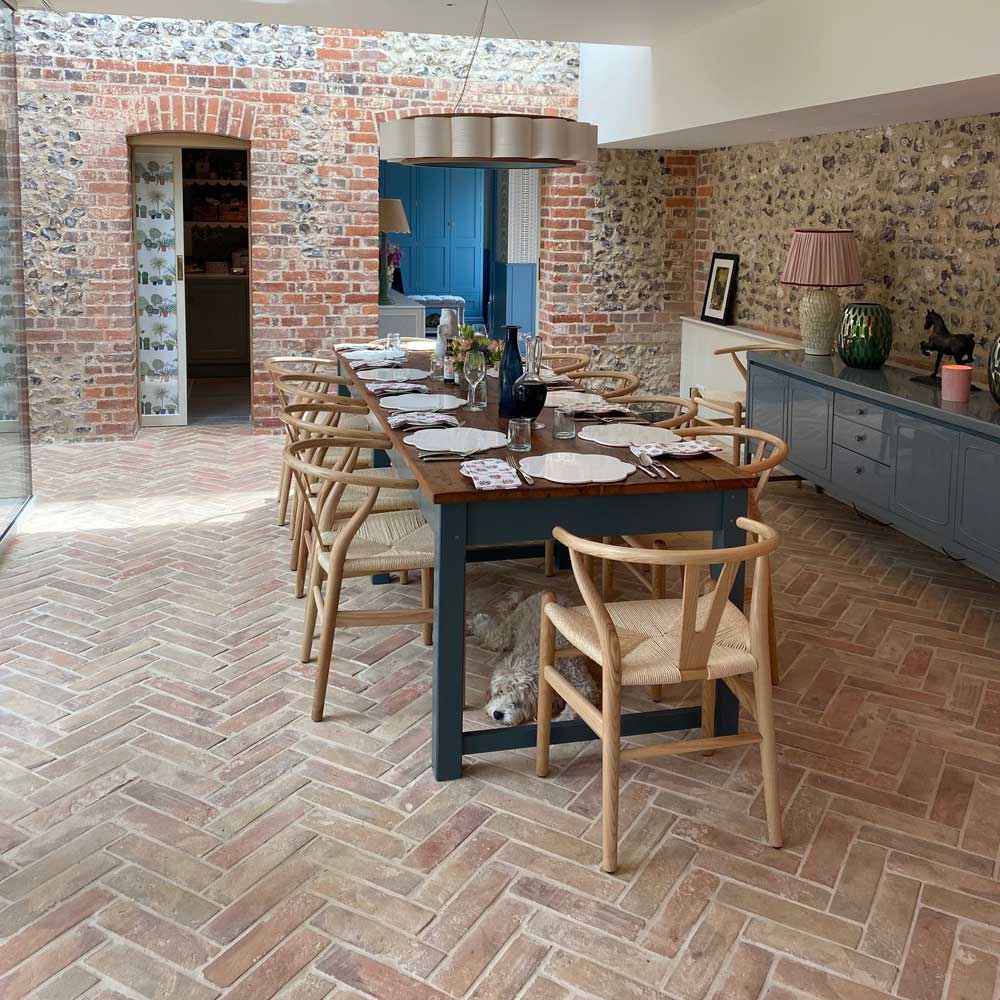
The Unfitted Kitchen: A Space Built to Evolve
Embracing the unfitted kitchen isn’t just about choosing a design aesthetic; it’s about adopting a lifestyle of collecting over time. Instead of settling for a rigid, predetermined layout, a freestanding kitchen allows your space to evolve alongside your cooking habits, your family, and your personal style. By mixing robust workhorses like the housekeeper’s cupboard with flexible elements like a movable farmhouse table, you create a soulful, functional heart of the home that truly grows with you.