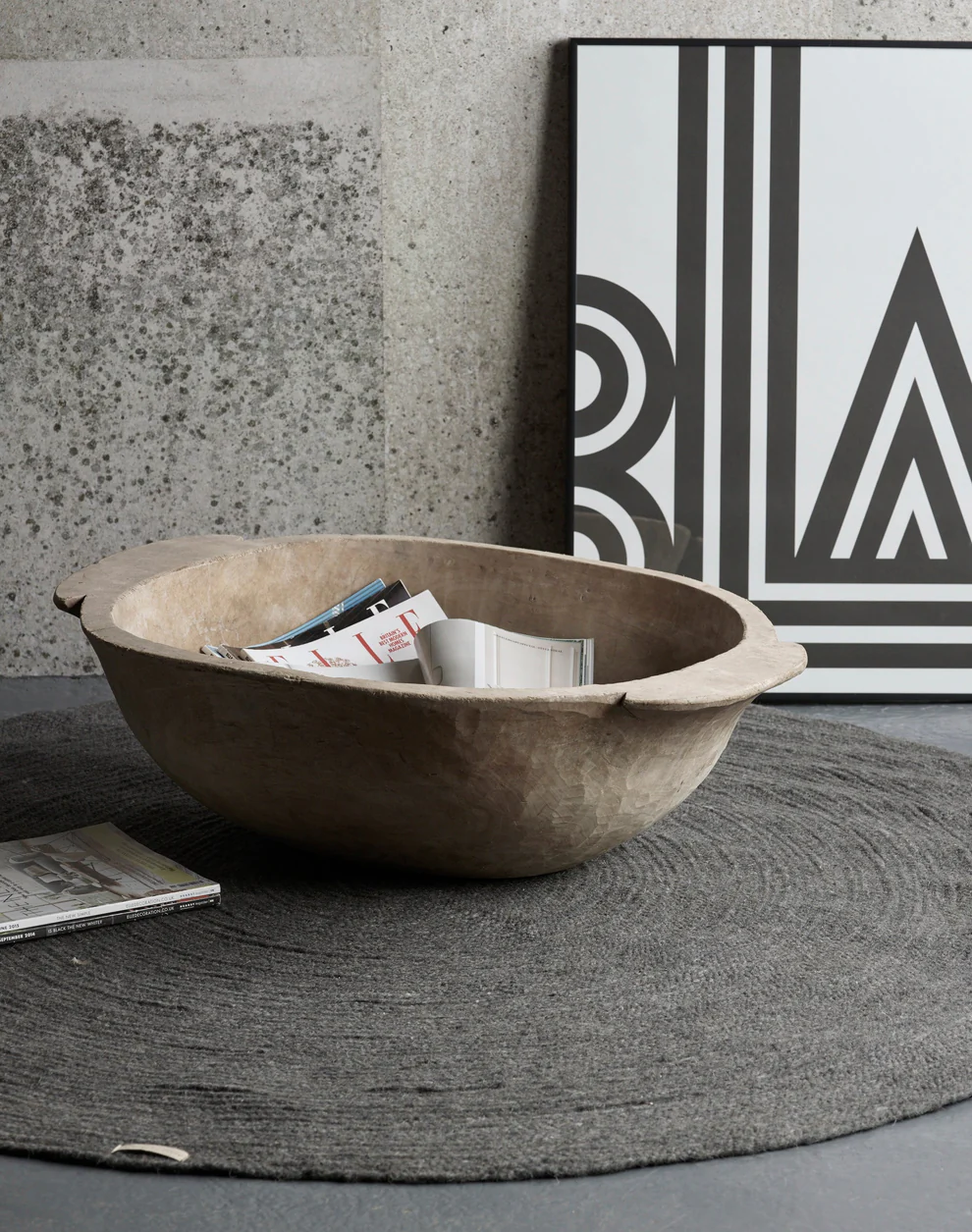
It’s no wonder we are drawn to wooden dough bowls in a world of mass-produced plastic. In this post, we’re taking a deep dive into the heritage of treen and exploring how to honour its primitive roots within a contemporary home.
Baking has always been my happy place, so it was perhaps inevitable that I’d develop a deep fondness for these vessels. Once hard-working kitchen staples, they’ve found a second life as a decor essential, bringing a ‘lived-in’ patina to a space that you just can’t find at a big-box store.
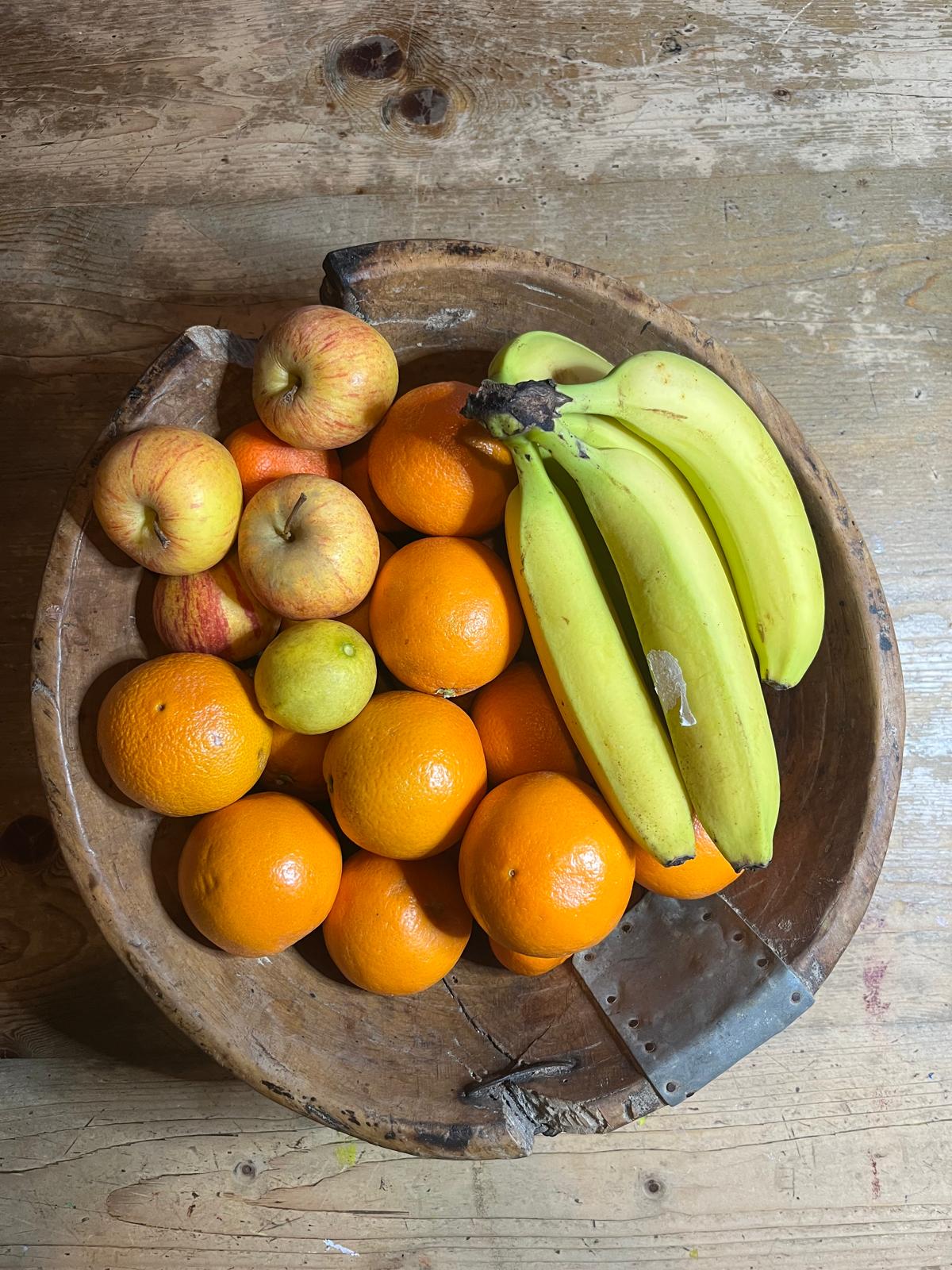
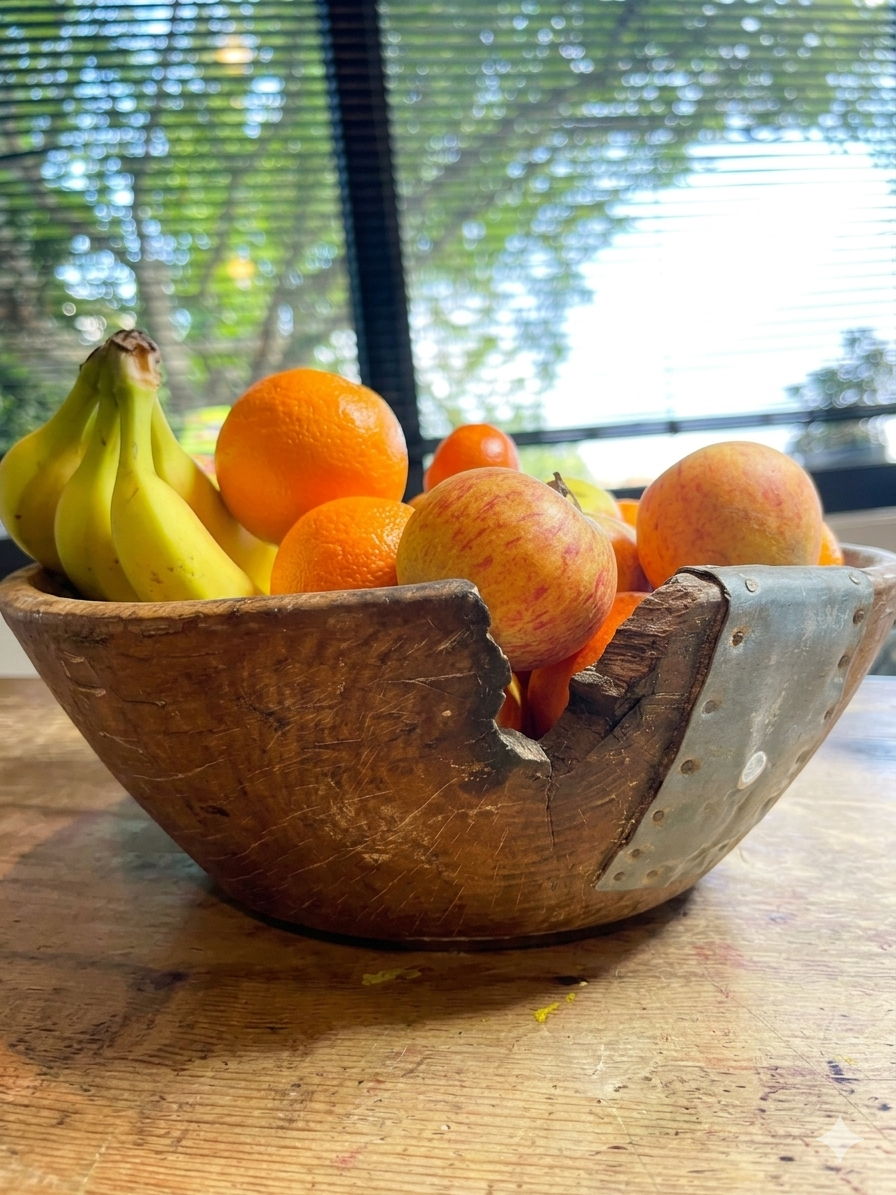
I’m lucky enough to have an authentic bowl in my own home that belonged to my husband’s granny. While we currently use it as a simple fruit bowl, its versatility is endless. Whether you’re a baker, a collector, or a decorator, there are so many ways to breathe new life into these storied pieces.
Table of Contents
Treen: History Carved from a Single Tree
Wooden dough bowls were traditionally hand-carved from a single block of wood, typically poplar, birch, or maple. Using “green” (unseasoned) wood allowed the craftsman to hollow out the shape more easily, while the tight grain prevented leaking. In an era of drafty kitchens and limited heating, the wood acted as a natural insulator; it kept the yeast warm so the dough could rise perfectly, ensuring all that kneading didn’t go to waste. These precious vessels were often handed down through generations, seasoned by decades of flour, oil, and history. Truly a prime example of functional treen, these bowls were built for endurance.
How to Identify an Authentic Antique Dough Bowl
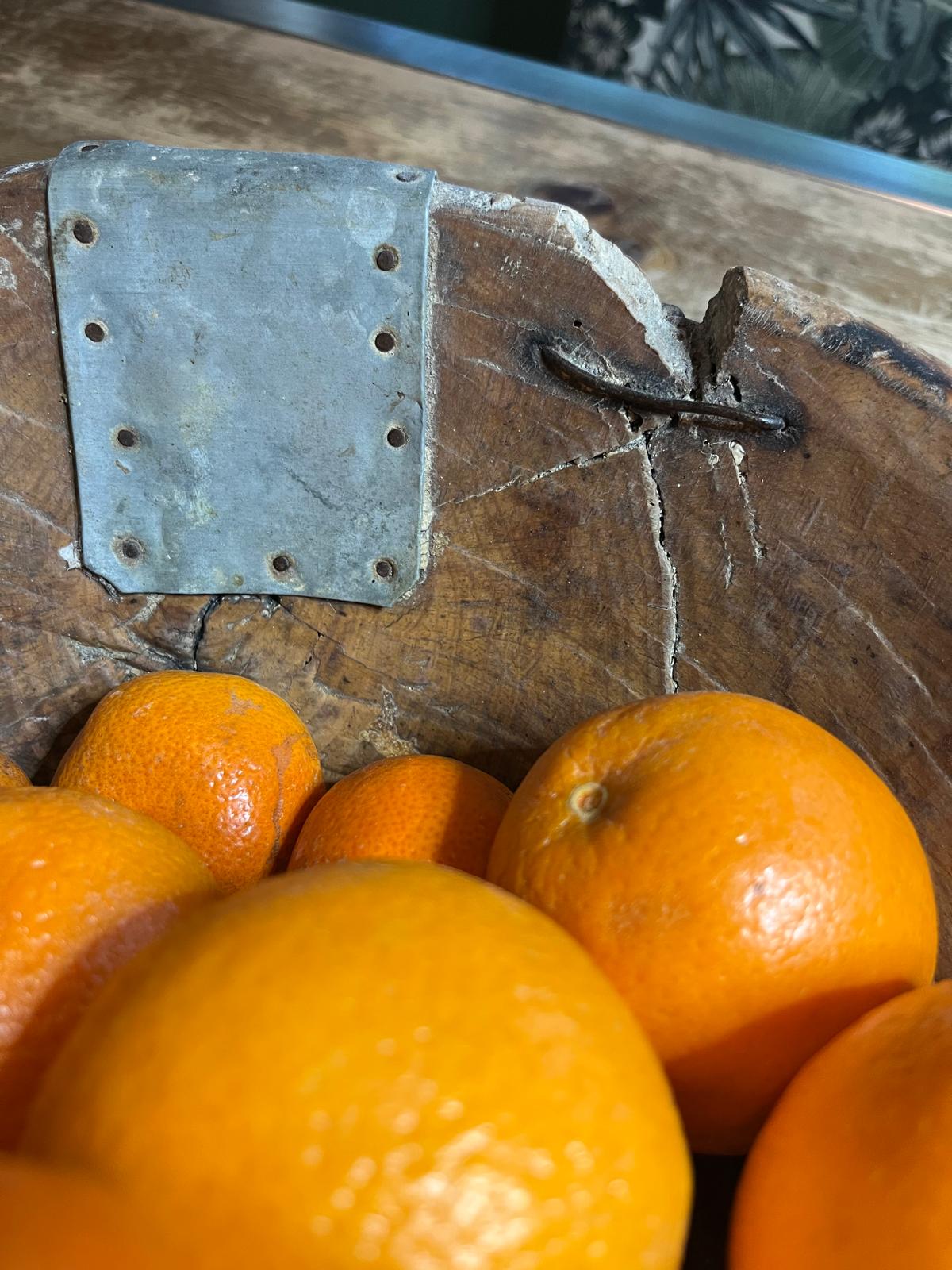
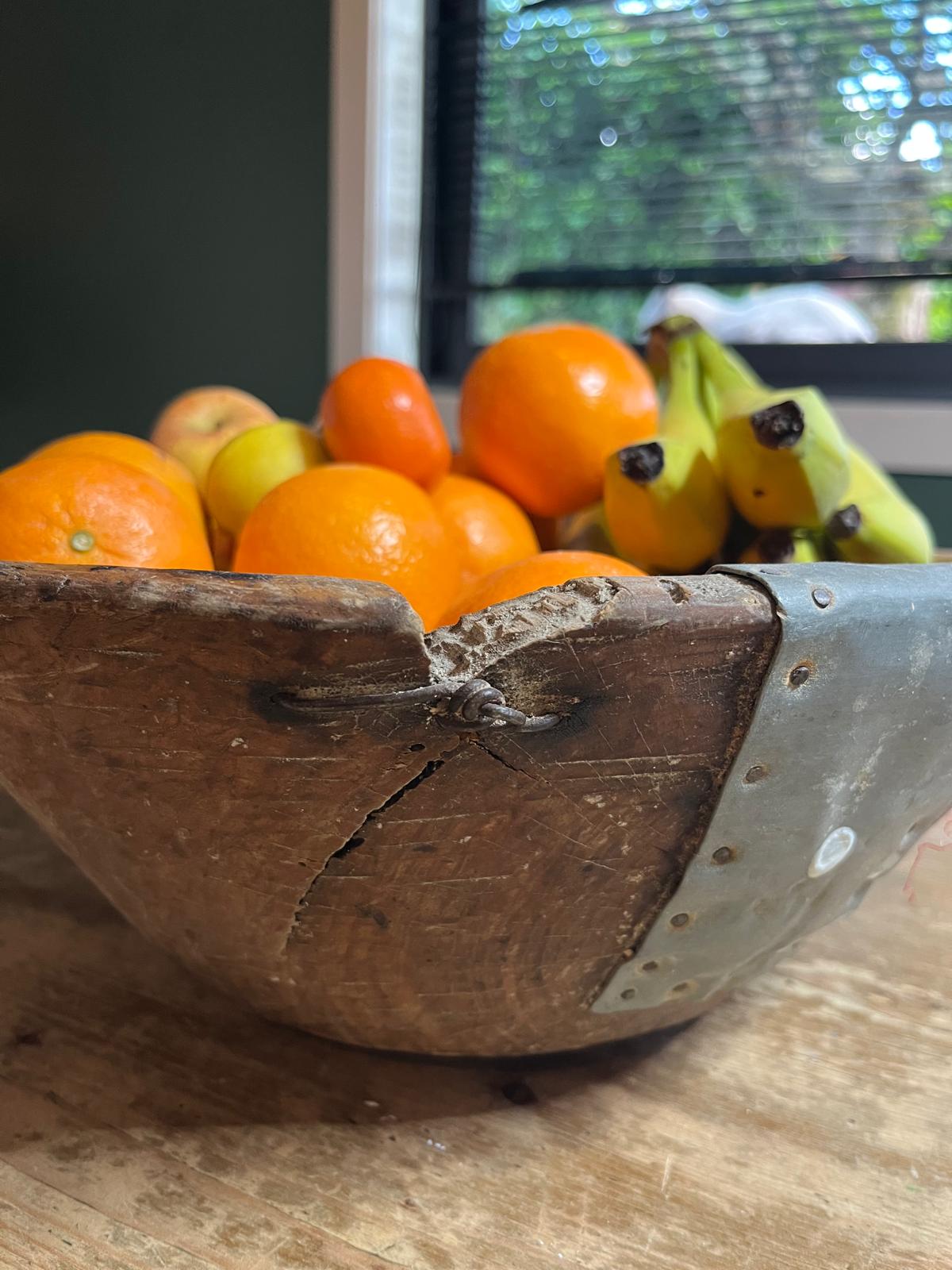
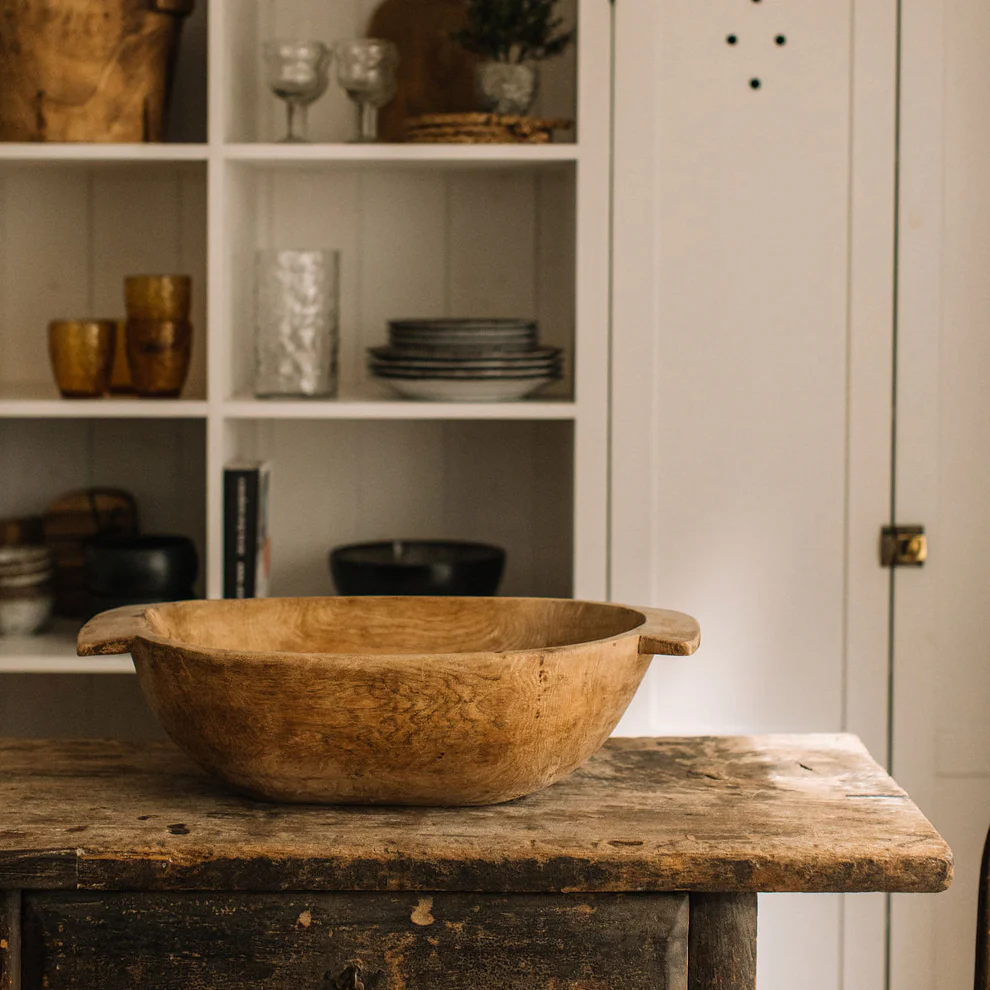
When shopping for wooden dough bowls, there are several key details to look for to ensure you’re getting ‘the real deal’. Authentic antique bowls were always hand-hewn from a single block of wood. Rather than the perfectly smooth, uniform finish of a machine-turned piece, these will feature distinctive ridges left by a hand-adze or gouge.
They often possess a soft, ‘used’ glow, a deep patina earned through years of labour that no modern stain can truly imitate and often flour in the crevices. Finally, if you’re lucky, you may find ‘butterfly joins’, old iron staples, or even metal patches hammered over cracks. These aren’t flaws to be avoided; they are the scars of a long life and a vital part of the object’s story.
Modern Rustic Style: Transitioning the Dough Bowl from Utility to Aesthetic
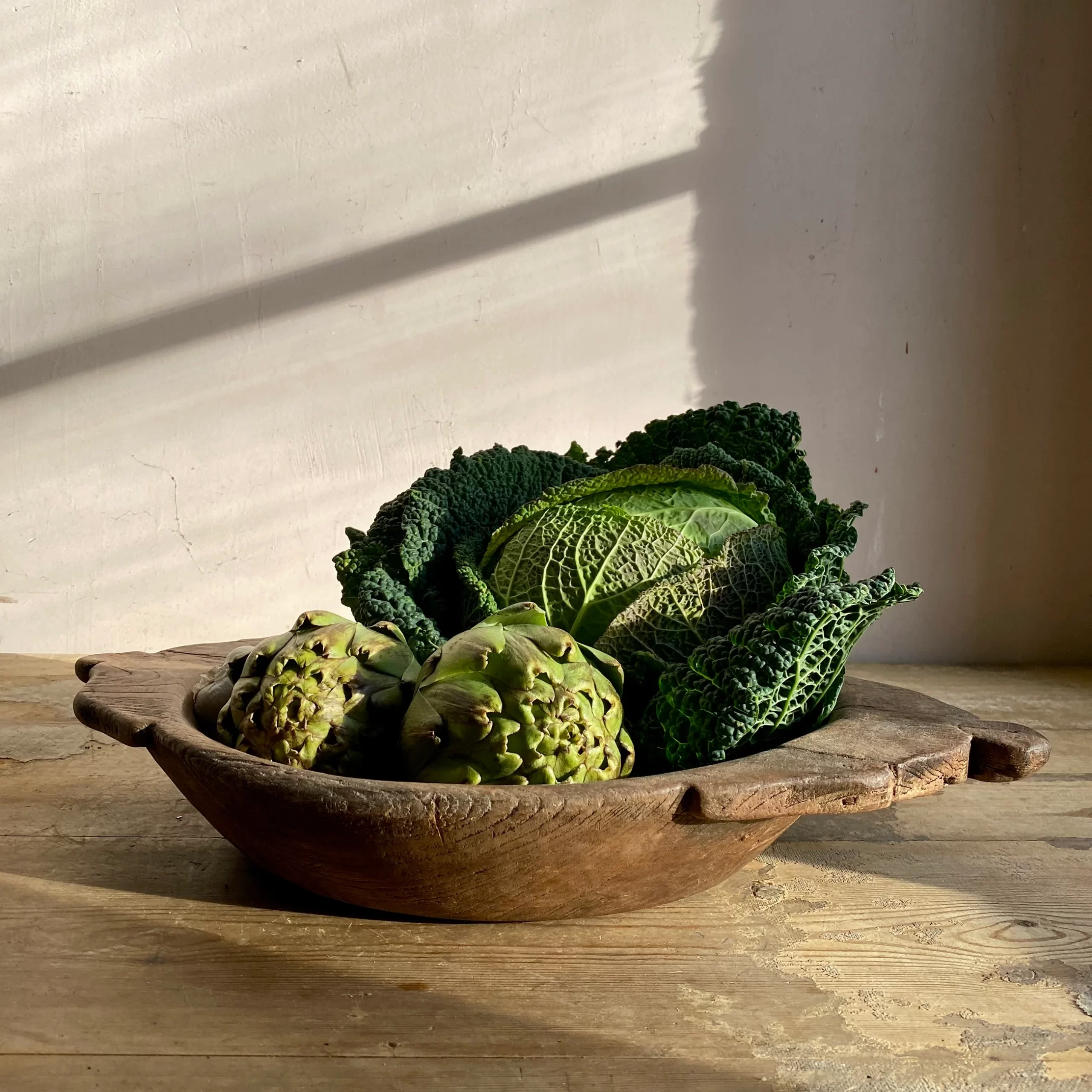
Our own dough bowl only retired from active cornbread-making service ten years ago. These days, it enjoys a quieter life on permanent display in my kitchen. While it’s currently filled with seasonal fruit, it would look just as striking piled high with the papery textures of dried hydrangeas. Their beauty is truly effortless, and they certainly don’t have to be relegated to the kitchen alone.
The Seasonal Centrepiece
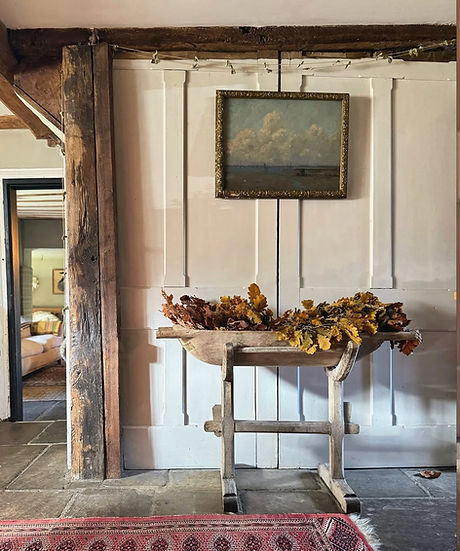
The most popular way to use a dough bowl is as an “ever-changing” table runner.
Spring: Fill it with moss stones, speckled craft eggs, and a few sprigs of eucalyptus.
Autumn: Use a variety of heirloom pumpkins, dried twigs with leaves, and cinnamon sticks to add a sense of smell.
Winter: Layer pine boughs with oversized white candles (use battery-operated for safety!) and silver ornaments.
If you aren’t using the bowl for food, it’s a beautiful way to show off vintage fabrics.
The Look: Fold a collection of antique grain sacks, hand-loomed linens, or even colourful spools of yarn inside.
Why it works: This honours the “heritage” of the bowl by pairing it with other traditional, handmade materials.
A Quick Styling Rule of Thumb:
When styling your bowl, follow the “Rule of Three”:
Something Organic (Plants, moss, fruit, or flowers).
Something Structural (Beads, books, or candles).
Something Textural (Linen, metal staples, or the ridges of the wood itself).
Ensuring Endurance: Caring for Your Heirloom Dough Bowl
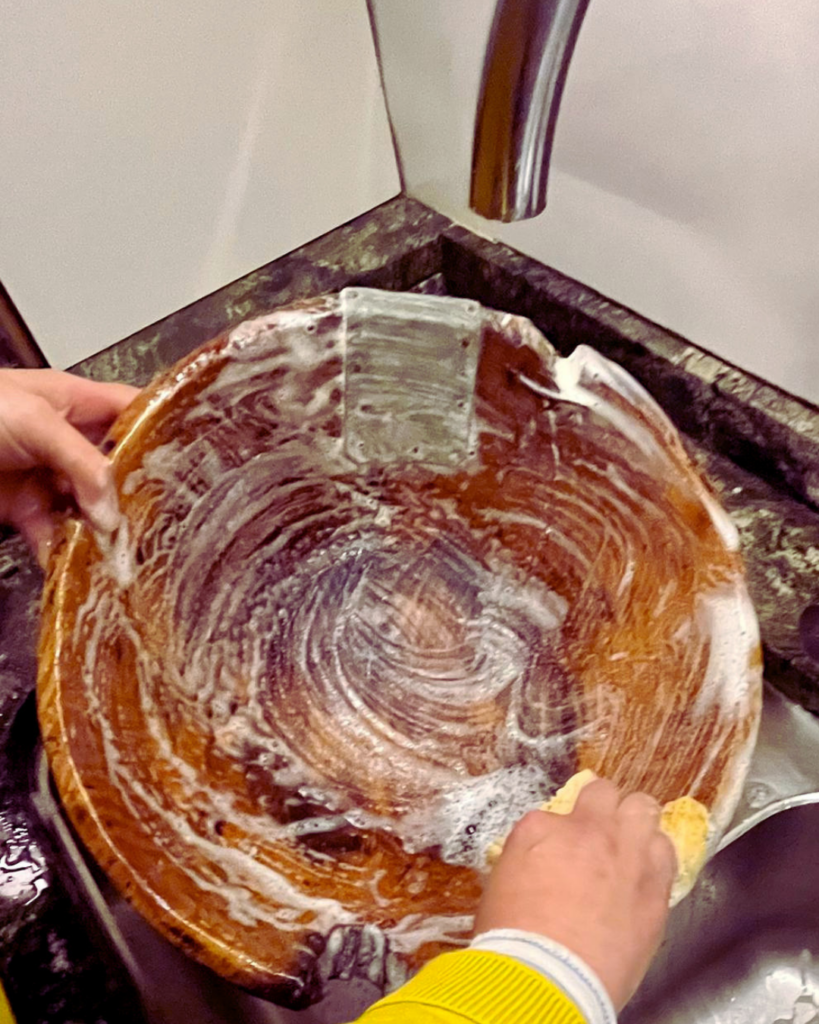
Heritage wooden dough bowls have indisputably proven their endurance. Far from being high-maintenance, they require only the occasional scrub with mild soap and a sponge; just ensure they are dried immediately afterward. The golden rule: never soak them. To protect the timber from the drying effects of modern central heating, you can nourish the wood with food-safe mineral oils or a natural beeswax. This simple act of ‘feeding’ the grain prevents cracking and ensures your bowl remains a centrepiece for generations to come.
Where to Buy: Finding Your Own Vintage Dough Bowl
If you aren’t lucky enough to inherit a family piece, finding an authentic vintage dough bowl is a rewarding hunt. Because “treen” has surged in popularity, you’ll find options ranging from rough-hewn European troughs to smaller, refined American trenchers. Here is where to start your search:
Antique Centers & Estate Sales: This is where you’ll find the most “honest” bowls. Look for the signs we discussed – hand-adze marks and old repairs – and don’t be afraid of a bowl with a “scar”. Those are the ones with the best stories.
Curated Specialists: For those looking for a piece with a guaranteed pedigree and a beautiful aesthetic, there are a few standout dealers that consistently source incredible, authentic treen. My personal favourites include:
The Primitive Home:Exceptional for those raw, early-century pieces that feel like they’ve just come off a farmhouse table.
Design Vintage:A perfect source if you love the marriage of rustic textures with modern, clean interiors.
Maison Laubarede: For that unmistakable French brocante soul, their selection of oversized troughs and elegant trenchers is second to none.
Local Brocantes and Flea Markets: If you’re travelling through rural areas, local markets are goldmines for oversized dough troughs that were once staples of village life.
A Word of Caution: Be wary of modern reproductions sold as “vintage style”. While they can be beautiful for decor, they lack the dense, aged timber and hand-carved soul of a heritage piece. Always check for the weight; an authentic old bowl will feel surprisingly substantial.
A Living Legacy: Why Antique Dough Bowls Still Matter
Ultimately, an antique dough bowl is so much more than a vessel of hand-hewn wood; it is a tangible connection to the hands that came before us. By transitioning my husband’s granny’s bowl from the heavy labour of cornbread-making to a quieter life holding seasonal fruit, we aren’t just decorating; we are keeping the “heart of the home” beating. These pieces of treen were built to endure, and with just a little mindful care, they continue to tell their story on our modern tables. They remind us that the most beautiful things in our homes aren’t always the newest, but the ones that have been rescued, restored, and loved through the generations.
Call to Action: Do you have a piece of “treen” or a family heirloom that you’ve repurposed for daily use? Tell me about it in the comments!