
Mainstream minimalism is out. Discover Japandi Heritage: a soulful, sustainable design movement blending antique warmth with artisanal wabi-sabi texture.
At its core, this movement is about choosing pieces with an authentic soul. When an object bears a genuine patina or the erratic, beautiful marks of a master artisan, it holds an undeniable truth that factory assembly lines simply cannot replicate. These pieces naturally demand premium materials and a luxury of time, factors that are reflected in their investment-level price point. But far from being a deterrent, this cost transforms them into storied heirlooms we cherish rather than landfill-bound trends we discard. Ultimately, this narrative does more than just decorate a room; it radically shifts the way we shop for and style our homes. Read on to discover how to master the art of slow design, cultivate the ultimate Wabi-Sabi texture palette, and source pieces that truly endure.
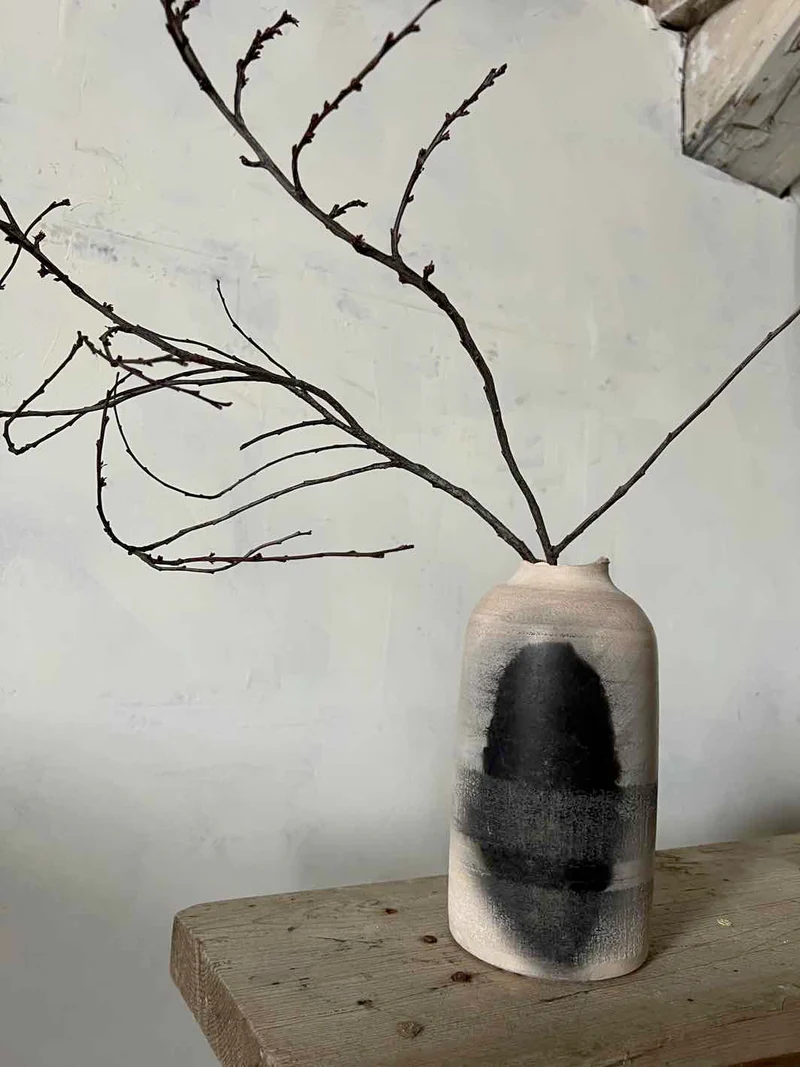
Table of Contents
What is Japandi Heritage? Embracing the Soul of Wabi-Sabi
The Decor Journal Version
To understand the quiet rebellion of Japandi Heritage, we have to look past the crisp geometry of standard minimalism and step into a much more poetic world. This isn’t just about clean lines; it’s the atmospheric symbiosis of rustic Scandinavian history and the ancient Japanese philosophy of Wabi-Sabi. While commercial Japandi borrows heavily from modern, flat-pack Nordic utility, the Heritage evolution reaches back to the tactile warmth of historical European folk craft. When you marry that rugged, lived-in hygge mentality with wabi-sabi, the profound appreciation for the marks of time and finding perfection within the flawed, a space suddenly develops a heartbeat.
At its core, this design ethos anchors itself to three unwavering principles:
- Lineage over luxury: We are shifting our focus away from ostentatious wealth or flashy, mass-market designer labels. Instead, we are looking for the hand of the maker, valuing a piece’s historical narrative and provenance above all else.
- The poetry of texture: Allowing unlacquered metal to spot, rough-hewn stone to wear, and heavily grained timber to physically record the light and shadow of decades. The texture is the decoration.
- The Slow Design movement: A conscious, sustainable commitment to buying once, buying purposefully, and buying permanently.
Ultimately, Japandi Heritage completely rejects the exhausting fast-furniture cycle. It asks us to slow down, curating our sanctuaries with objects that hold a history today and a promise to become the heirlooms of tomorrow.
The Soul of the Ceramic: Embracing Raku Pottery
Now, I won’t profess to be a ceramic connoisseur, but I am a massive fan of the UK’s Great Pottery Throw Down and get uncharacteristically excited when it’s Raku week. Pottery is fundamentally an aggressive, high-stakes craft that subjects delicate clay to brutal extremes; you never truly know if a piece will survive the fire. Raku, in my opinion, is the absolute black belt of ceramics.
Originating as a 16th-century Japanese technique, the process is a beautiful, violent dance: hand-moulded clay is burnished within an inch of its life, then thrust into a glowing, white-hot kiln. The moment the glazes liquefy, the pottery is yanked directly from the flames, plunged into a bed of combustibles like sawdust or paper, and sealed tight. This starved atmosphere forces the fire to hunt for oxygen within the clay itself, drawing out erratic smoke lines, dramatic crackle glazes, and beautifully asymmetrical edges. To finish, it is shocked in cold water—subjecting the vessel to one final, breathless stress test. The result is pure, unrepeatable alchemy.
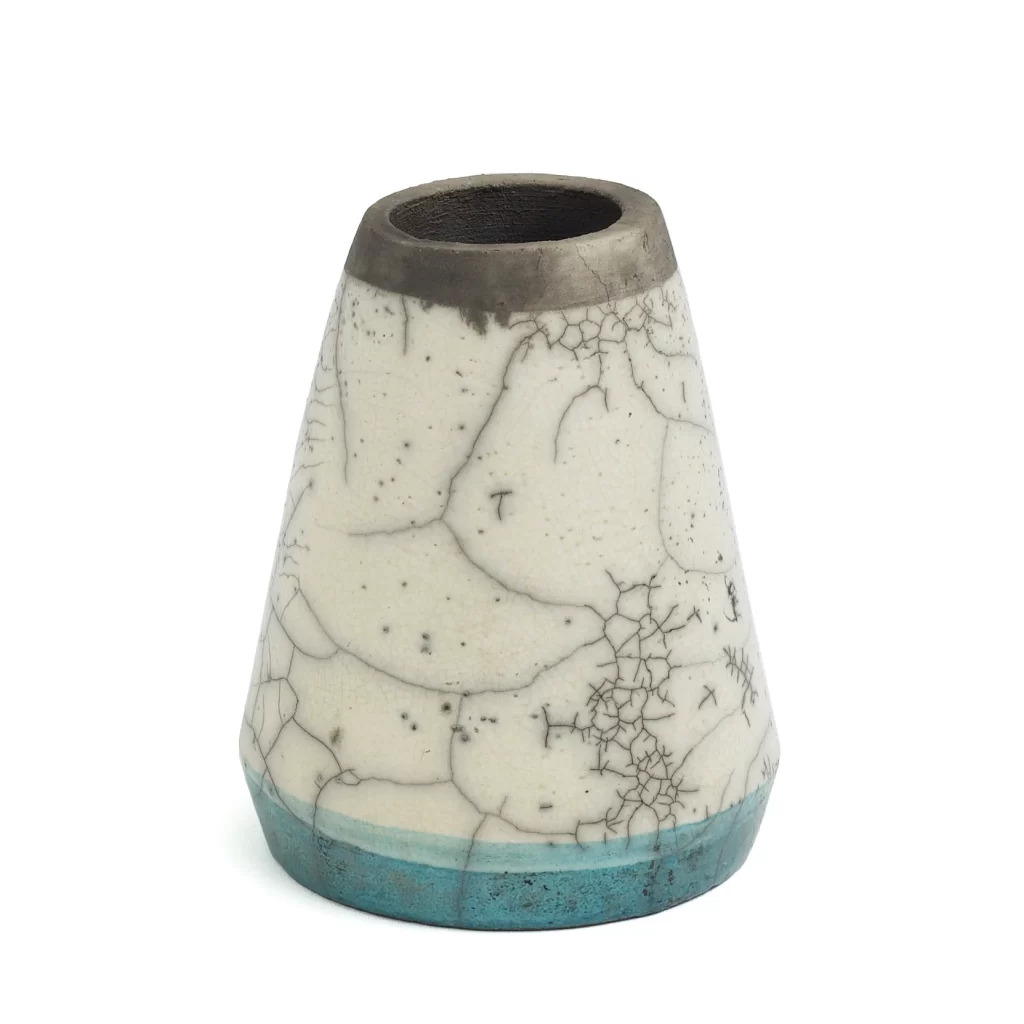
In a design world saturated by the predictable, Raku stands as the ultimate, tactile manifestation of Wabi-Sabi. Because the fire dictates the finish, no two pieces will ever emerge from the ash identical, making it a quiet, powerful rebellion against the sterile monotony of modern factory assembly lines. It possesses an intrinsic gravity. Placing a single, moody Raku vessel atop an understated mantelpiece or a minimalist entryway console does more than just fill a void; it anchors the entire room, acting as a grounding centrepiece that commands attention not through flashiness, but through sheer, quiet soul.
East Meets West: Blending Raku with Antique Wood
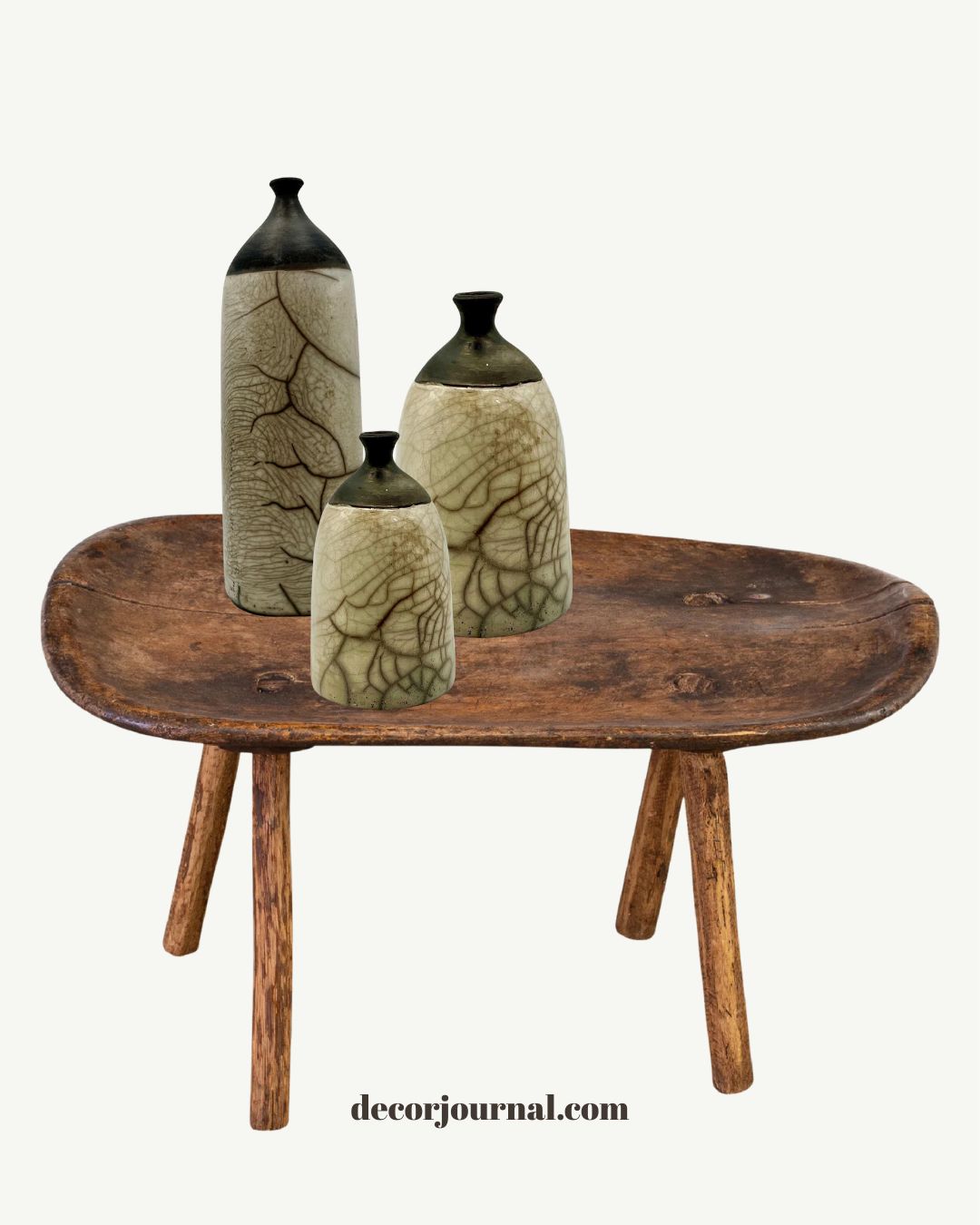
I really love the design paradox that occurs when you introduce fire-cracked ceramics to aged timber. It creates a striking visual tension; the glossy, fractured glaze of a raku vessel instantly elevates the dry, matte ruggedness of old wood. This is where Eastern philosophy effortlessly meets Western utility.
A deeply weathered European antique holds the exact same design soul as an ancient Japanese artefact; both celebrate a life lived. When you style a smoky, crackled ceramic trio atop an asymmetrical, hand-carved bench, a rustic texture palette we loved exploring in our guide on [How to Decorate with Antique Dough Bowls], you aren’t just filling a space. You are layering elements, letting raw earth, split timber, and fire-born craft tell a beautiful, cross-cultural story on your surfaces.
4 Ways to Bring the Japandi Heritage Aesthetic to Your Walls
Translating a design philosophy as deep as Japandi Heritage into a living, breathing space doesn’t require a total architectural overhaul. It simply requires a shift in how we go about selecting the elements that wrap around us. To transition your home away from the cold, sterile minimalism of the past decade and inject true, slow-design soul, focus on these four actionable styling pillars:
1. Hand-Hewn Wood & Exposed Joinery
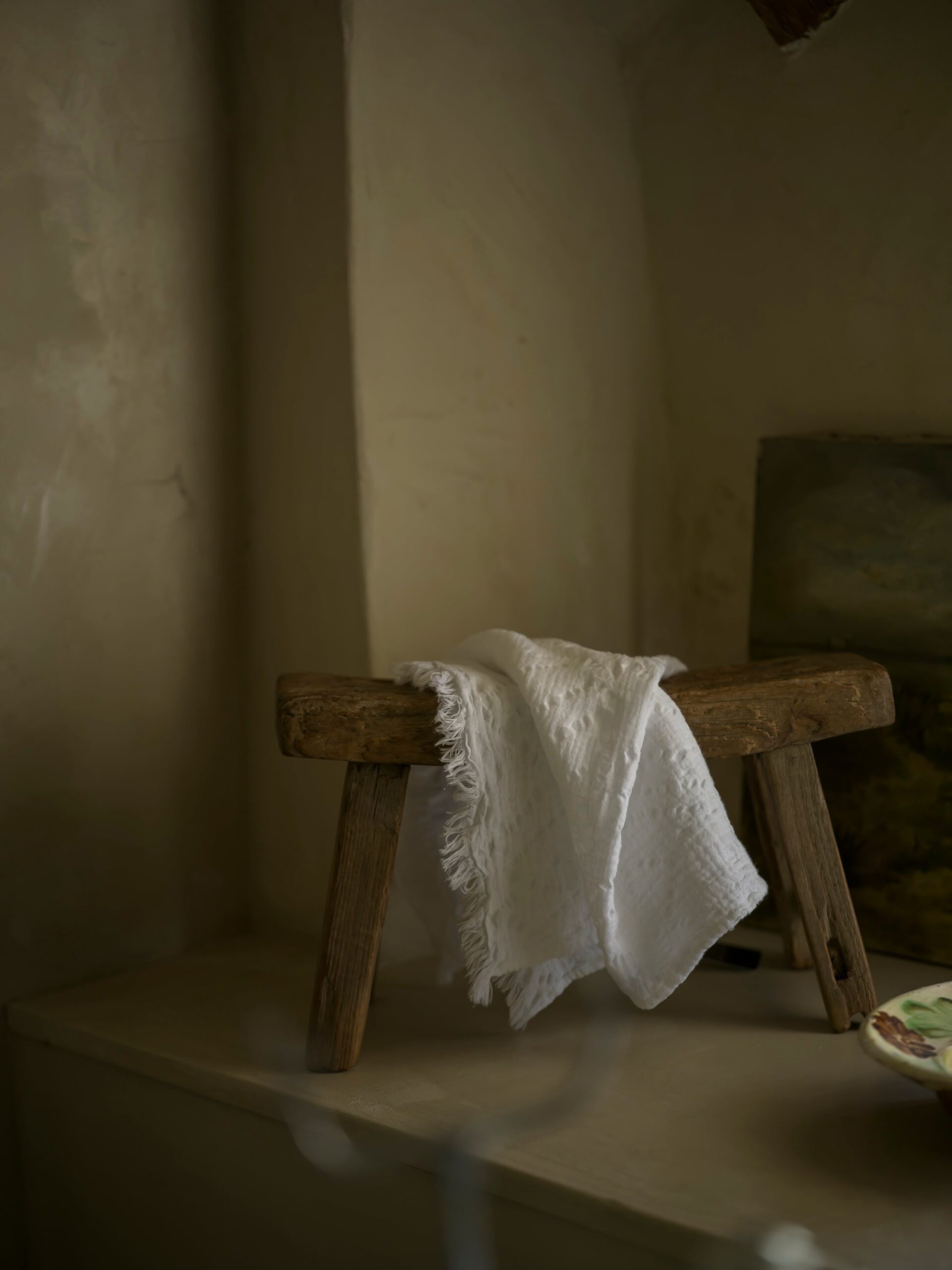
The fast-furniture movement has conditioned us to accept perfectly uniform, veneered surfaces with completely hidden mechanics. In an attempt to break away from this sterile standard, look to your vertical spaces. Swap out streamlined, mass-produced floating shelves for raw-edge timber planks that still retain the organic contour of the tree they came from. When sourcing smaller accent furniture to sit against your walls, like milking stools or narrow console tables, keep an eye out for visible, exposed craftsmanship. Pieces featuring traditional mortise-and-tenon joints or wooden dowels don’t just hold weight; they display an engineering lineage that serves as a visual art form all on its own. Websites like The Primitive Home are gold mines for unique pieces with that wabi-sabi look.

2. Living Finishes
One of the most common hallmarks of commercial design is sealing everything in plastic, acrylic, or heavy lacquer to preserve a permanent, artificial “perfection”. Japandi Heritage demands the exact opposite: finishes that breathe, age, and adapt. When it comes to painting your walls, step away from flat latex paint and opt for limewash or Roman clay. These living finishes possess an incredibly subtle texture that catches shifting sunlight throughout the day, mimicking the ancient plaster of historic European and Japanese homes. Extend the concept to your hardware by choosing unlacquered brass or raw iron hooks and handles. Over time, the oils from your hands will naturally patinate the metal, physically recording the daily rituals of your life.

3. Texture Over Colour
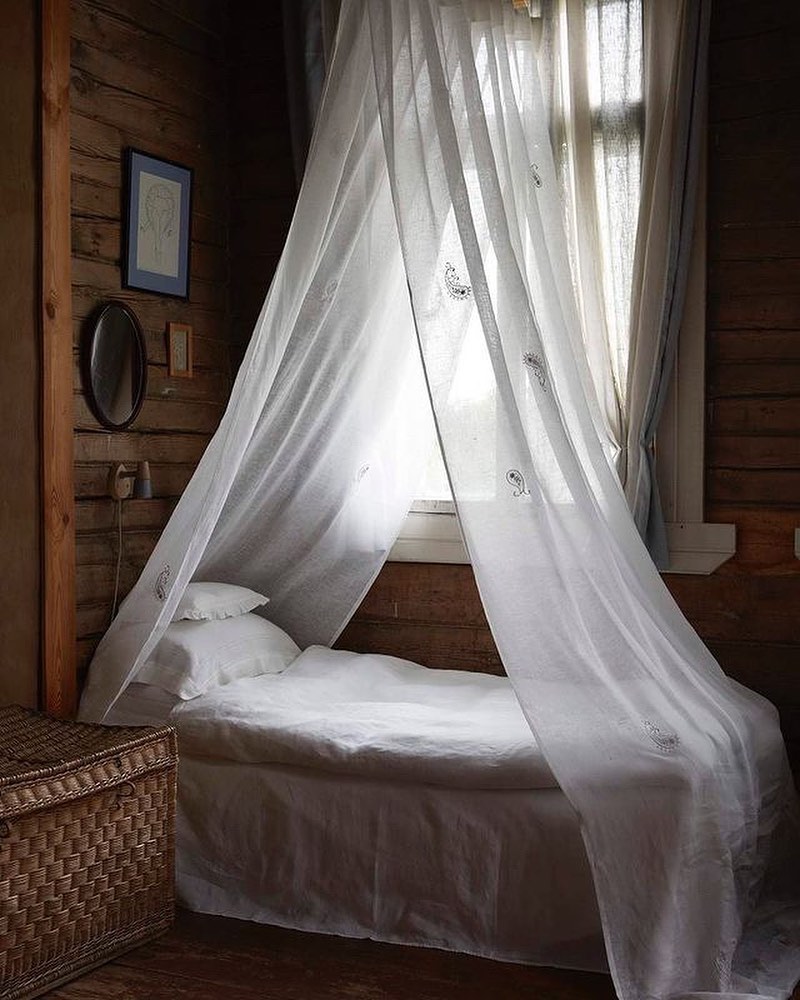
When your colour palette remains intentionally neutral, muted, and grounded in nature, texture must do the heavy lifting of decorating. Instead of introducing loud accent walls or vibrant artwork, create depth through sheer, tactile variation. Let heavy, raw linen drapes pool slightly on the floor to frame your windows, and lay down thick, hand-knotted wool rugs that offer an imperfect, organic weave underfoot.
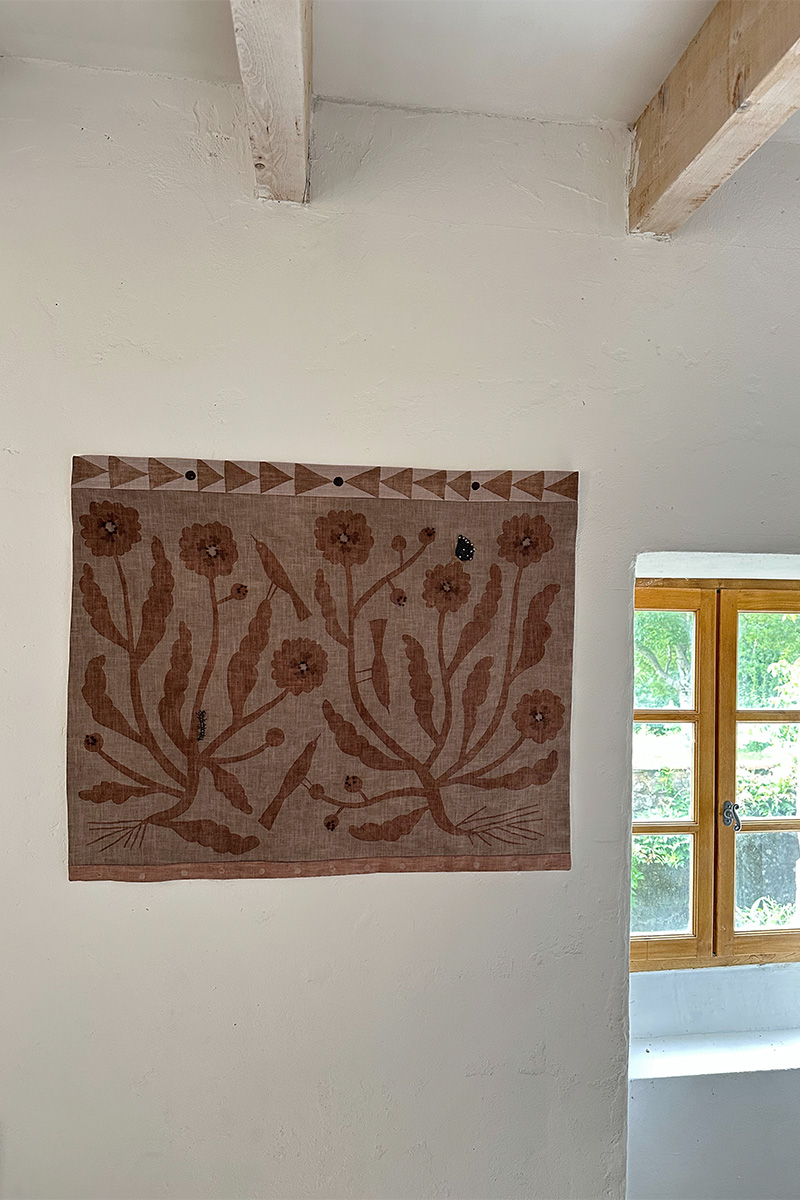
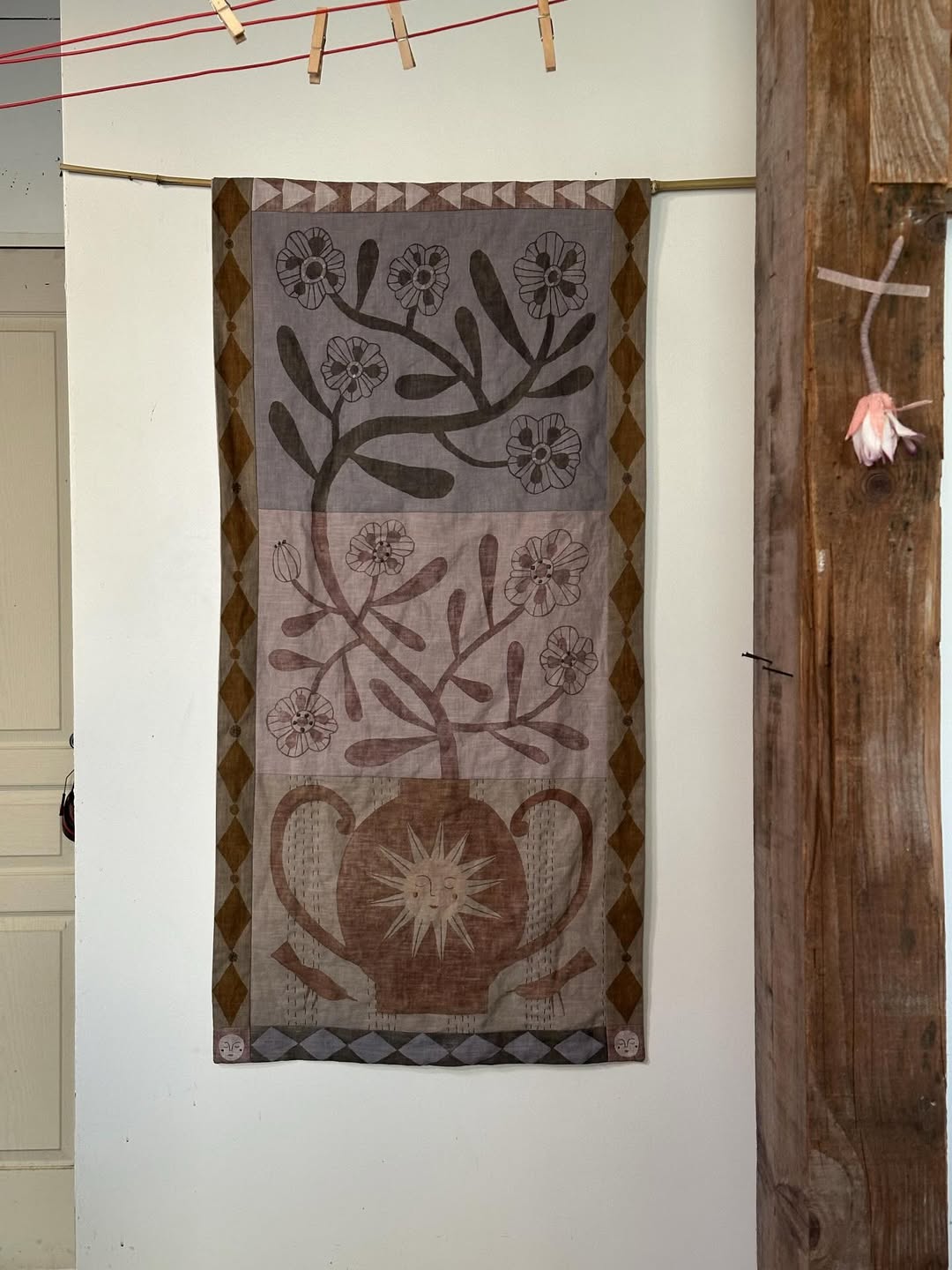
To carry this softness onto your vertical surfaces, tactile wall art is an effortless solution. Intricately woven wool or linen wall hangings like the stunning, artisanal pieces from Wool & Nature are an understated yet impactful way to introduce depth to flat drywall. On your shelving and consoles below them, display rough-hewn stoneware and unglazed ceramics. This striking juxtaposition of dry, coarse, and incredibly soft textures creates a deeply cosy layered effect without a single drop of aggressive colour.
4. The Kintsugi Concept
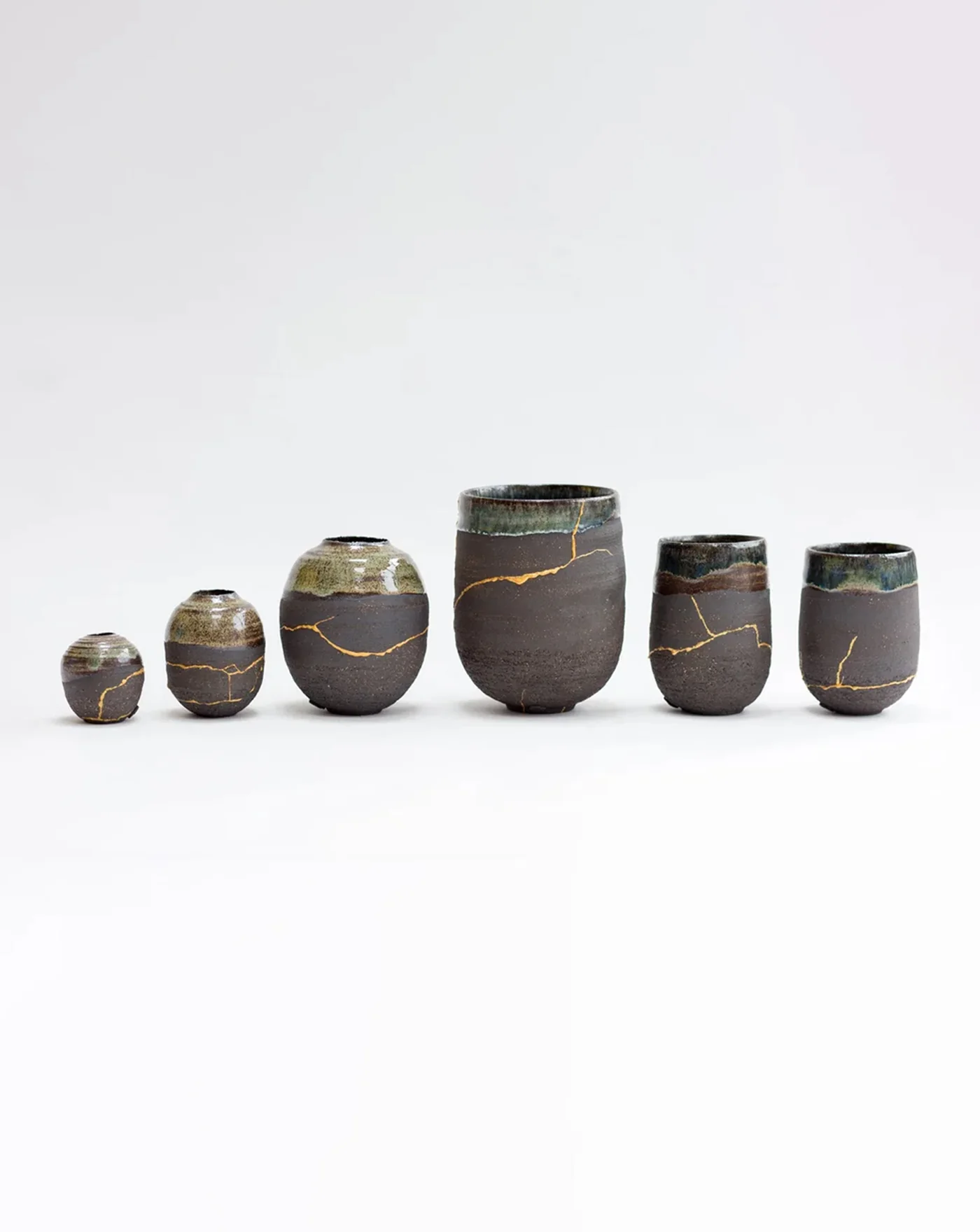
In modern consumer culture, the moment an object chips, cracks, or scars, it is treated as trash. The final, and perhaps most beautiful, pillar of this aesthetic is adopting the Japanese mindset of Kintsugi, the art of treating breakage and repair as part of the object’s history rather than something to disguise. Do not hide the wear and tear of a well-loved home. Celebrate a visibly repaired piece of pottery on a prominent shelf, or let a beautifully scarred wooden heirloom sit proudly as a main focal point in the room. By honouring these imperfections, your space transforms from a temporary showroom into an authentic, deeply comforting sanctuary that feels completely timeless.
The Shift to Japandi Heritage: Why Our Homes Need More Soul
At its core, Japandi Heritage is far more than a fleeting interior trend to replicate on a whim. It is a profound, conscious commitment to a slower, more intentional way of building a home. In an era dominated by hyper-convenience and lightning-fast consumption cycles, this design philosophy asks us to pause. It reminds us that a house shouldn’t feel like a sterile showroom frozen in time; it should feel like an authentic sanctuary, a place where the objects wrapping around us possess a history, a narrative, and a genuine heartbeat.
By allowing textures to age, celebrating visible craftsmanship, and seeking beauty in the beautifully flawed, we create spaces that actually ground us.
Over to You…
Now, we want to hear from you. Are you a fan of pristine, sleek minimalism, or are you ready to embrace the warm, imperfect textures of Japandi heritage?
Are there any storied pieces in your own home that hold this exact kind of wabi-sabi magic? Tell us all about your favourite textural elements and share your thoughts in the comments below!